

Pros and Cons of Investing in a Polygel Nail Extension Kit for Your Salon
Discover the pros and cons of investing in a polygel nail extension kit for your salon with Hanyinails. Learn how polygel nail extension kits can enhance your services, improve client satisfaction, and boost your business. Make informed choices for your salon’s success today.
- What Is a Polygel Nail Extension Kit and How Does It Work?
- Combining Acrylic Strength with Gel Flexibility
- The Advantages of Using a Polygel Nail Extension Kit in Your Salon
- Faster Application and Reduced Filing Time
- Durable Yet Lightweight for Long-Lasting Results
- Odor-Free and Less Dust—A Better Client Experience
- Perfect for Beginners and Skilled Nail Technicians Alike
- The Challenges and Limitations to Consider
- Learning Curve and the Need for Proper Training
- Compatibility Issues with Certain Nail Types
- Initial Product Costs and Storage Considerations
- Is a Polygel Nail Extension Kit Right for Your Salon Business?
- Matching Client Demands with Service Offerings
- Balancing Profit Margin, Service Time, and Product Cost
- Expert Tips for Choosing the Right Polygel Nail Extension Products
- What to Look for: Quality, Ingredients, and Certification
- Must-Have Features for Seamless Application
- Trusted Brands and Customizable OEM/ODM Options
- Conclusion: Weighing the Value for Your Salon's Future
What Is a Polygel Nail Extension Kit and How Does It Work?
The strength and flexibility of polygel nail extension kits have made them a favorite in contemporary salons. As a rule, a polygel kit includes the builder gel, slip solution, dual forms or nail tips, and necessary application tools. Polygel is a hybrid formulation of the durability of acrylics and the lightweight effect of gels and is cured by LED or UV light.
The versatility of polygel is an advantage to salons since it can be shaped until it is cured, giving nail technicians the ability to control the shape and thickness. As opposed to acrylic powders or conventional gels, the putty-like consistency of polygel reduces dust and smell, enhancing the salon experience. The purchase of a professional polygel nail extension kit or individual polygel products of high quality guarantees high adhesion, strength, and comfort for the client.
Combining Acrylic Strength with Gel Flexibility
Polygel is a unique combination of the hardness of acrylic nails and the soft and flexible appearance of gel. This mixed blend provides robust, long-lasting extensions that do not crack and lift easily but are light and comfortable. Polygel is less odorous and less dusty than traditional acrylics, and it is easier to apply, too. It is a perfect option in contemporary salons because of its natural shine and flexibility that satisfy the needs of clients who want durable but comfortable nails.

The Advantages of Using a Polygel Nail Extension Kit in Your Salon
Nail extensions with polygel products have several advantages for the salons that want to improve the quality of their services. The lightweight nature of polygel makes nails more comfortable for the clients and less likely to lift or crack. Its simple sculpting and smooth finish reduce the time of application, enabling the nail technicians to serve more customers within a short time. In addition, polygel generates little dust in comparison to acrylic systems, making the work environment healthier and less irritating to the respiratory system of employees and customers.
The versatility of polygel formulas is that they fit various nail types and shapes, which makes them a flexible solution for salons that have to address the needs of various clients. The best polygel nail extension kit (or high-quality polygel products) is a must-have product among many professionals in the industry who wish to offer their clients perfect and long-lasting extensions to keep them coming back to their salons.
Faster Application and Reduced Filing Time
Among the most remarkable advantages of polygel, there is a special slip solution that enables nail technicians to shape and mold the product easily without curing. This implies reduced use of aggressive filing once the product has hardened, and this saves a lot of dust and time on finishing. In a busy salon where efficiency is the most important factor, a quicker application time means more clients attended to without the loss of quality. The low level of shaping also reduces the discomfort of the clients and accelerates the overall service process, which is why polygel is a great option to work in high-volume salons.
Durable Yet Lightweight for Long-Lasting Results
Polygel is a mixture of strength and flexibility, and it is used to make nail extensions that can withstand the daily wear and tear. In contrast to certain heavy or brittle substitutes, nails enriched with quality polygel products do not chip, crack, or lift over several weeks. This durability does not only please the customers but also minimizes the number of touch-ups, making the salons more profitable. The featherweight touch will make the clients feel naturally comfortable, which will prompt them to come back and recommend the place to others.
Odor-Free and Less Dust—A Better Client Experience
Conventional acrylic systems have the tendency to create highly chemical smells and a lot of dust when filing, making it uncomfortable or even irritating to technicians and clients. Polygel, however, is almost odorless and produces much less dust due to its gel-like nature and the fact that it requires less filing. This cleaner working environment assists salons in ensuring a higher quality of air and comfort to their clients, which is particularly relevant to sensitive or allergy-prone clients. The fact that polygel is odor-free also makes it appropriate in salons that are in a shared or small area.
Perfect for Beginners and Skilled Nail Technicians Alike
The soft, flexible composition of Polygel provides a user-friendly learning curve to nail artists of all levels. It is easy to manipulate and forgiving to beginners, which reduces the application errors and allows gaining confidence quicker. In the meantime, skilled technicians like its flexibility and the possibility to make complex shapes of nails accurately. This two-fold attraction makes polygel a great option in salons that would like to train new employees effectively and at the same time provide high-quality services.

The Challenges and Limitations to Consider
As much as there are many advantages associated with investing in polygel nail extension products, there are also disadvantages that salons ought to take into consideration. The quality polygel formulas may be more expensive than the traditional acrylic powders, and this affects the budgeting of the products. Polygel is still soft until it is cured, so technicians must be trained to learn how to apply it, particularly in controlling slip solutions and sculpting. Without dexterity, there is a danger of unequal application or premature lifting.
Also, the shelf life of polygel products is usually short once opened, and storage conditions must be maintained to ensure the performance of the product. Before fully accepting the services of polygel extension, salons should consider these operational aspects in relation to their client base and service objectives.
Learning Curve and the Need for Proper Training
Polygel is a technique that needs skillful application, particularly in managing the slip solution and shaping form. Unless the nail technicians are trained well, they might have problems of uneven thickness, lifting, or bubbles, which might affect the final appearance and the strength.
Compatibility Issues with Certain Nail Types
Polygel may cause adhesion issues with clients who have oily or textured natural nails. To enhance bonding and minimize premature lifting, proper nail preparation is necessary, including cleaning, buffing, and the application of an appropriate primer.
Initial Product Costs and Storage Considerations
Polygel products are more expensive to buy initially compared to conventional acrylic powders. Furthermore, they are also short-lived after opening and need to be managed in the inventory and stored well to prevent the wastage of products and ensure the best performance.

Is a Polygel Nail Extension Kit Right for Your Salon Business?
The choice of whether to invest in polygel nail extension products or not will depend on the positioning of your salon and the customer base. Polygel is an attractive alternative to acrylic or traditional gel extensions when it comes to salons that want to target clients who prefer comfort, durability, and low-maintenance nails. The investment may be worthwhile because of the possibility of quicker applications and reduced customer complaints of lifting or odor.
Business-wise, the price of polygel products may be more expensive, but the cost savings on product waste, quicker service, and client satisfaction may enhance profitability. The most important thing in successful adoption is to align your product selection with client preferences and technician expertise.
Matching Client Demands with Service Offerings
In order to effectively introduce polygel nail extension products to your salon, it is important to know the exact needs and preferences of your clientele. Other clients may be more concerned with a natural appearance and feel, or with the durability of the product, or they may need hypoallergenic products because of allergic reactions to chemicals. The provision of polygel extensions can meet these needs because they are lightweight, flexible, and safer in comparison to traditional acrylics. An assessment of your clientele and their expectations will assist you in customizing your service menu in such a way that you are able to satisfy the market demand, as well as increase the satisfaction and retention of your clients.
Balancing Profit Margin, Service Time, and Product Cost
High-quality polygel products can be more expensive to invest in than the conventional nail extension materials in the short term. The quicker application and less filing, however, make the salons much more efficient, and more clients can be served every day. Moreover, the long-lastingness and high-quality finish of polygel extensions can result in increased customer satisfaction and repeat clients, which increases the long-term profitability. Proper cost control and efficient service provision will ensure that your investment is maximized without compromising on the prices that you charge.

Expert Tips for Choosing the Right Polygel Nail Extension Products
The process of choosing the right polygel products implies considering the safety of the formula, transparency of the ingredients, and certification. Seek products that are free of HEMA, low odor, and have undergone stringent international safety tests. Hanyinails specializes in polygel formulations of high quality; therefore, salons collaborating with them can count on the stable performance and high-quality control.
Make sure that your products are integrated with your current curing lamps and tools to make it easier. Salons that want to brand or differentiate their products can have their colors, viscosity, and packaging customized to their brand by hiring a manufacturer that provides OEM/ODM services, such as Hanyinails.
What to Look for: Quality, Ingredients, and Certification
Focus on polygel products that have been tested in the laboratory and are certified like ISO9001, CE, and FDA to ensure safety and reliability.
Must-Have Features for Seamless Application
Select polygel formulations that are well balanced in viscosity, self-leveling, and adhesion, without the need of harsh primers, which saves technician labor and client complaints.
Trusted Brands and Customizable OEM/ODM Options
Collaboration with a well-known manufacturer such as Hanyinails will guarantee the use of the latest innovations, a wide range of colors, and professional support services that meet the requirements of a salon.
Conclusion: Weighing the Value for Your Salon's Future
High-quality polygel nail extension products can help you improve the quality of services in your salon, customer satisfaction, and the work of technicians. Although there is a learning curve and increased cost of the products as opposed to traditional acrylics, the advantages of durability, comfort, and a healthier salon environment are significant.
Hanyinails offers more than 12 years of OEM experience, state-of-the-art production facilities, and internationally certified, environmentally friendly formulas. Salons across the world rely on their polygel products to provide them with uniform quality and customization.
Call Hanyinails now and increase your salon polygel nail extension services and create a competitive advantage in the nail business.

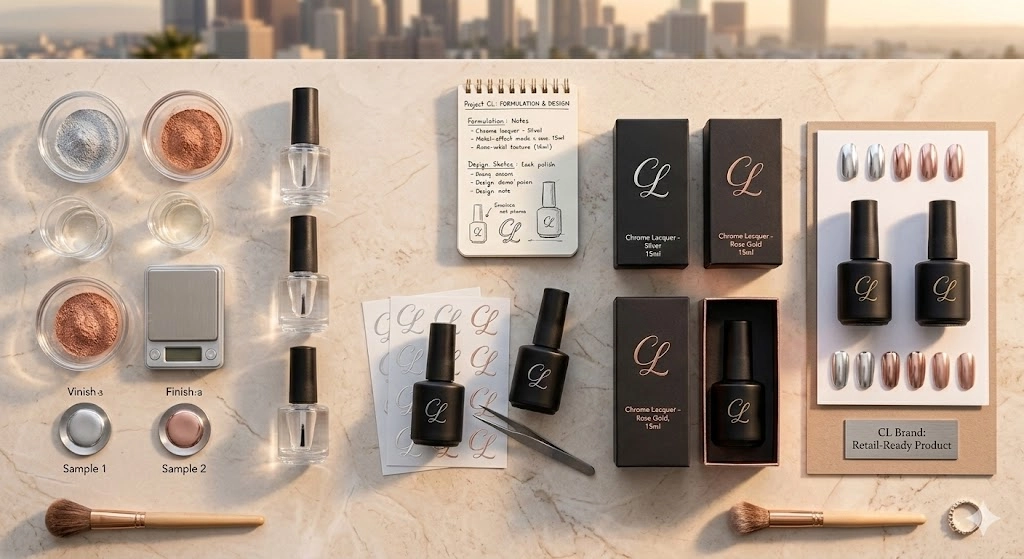
Private Label Success: Launching Your Own Line of Chrome Nail Polish
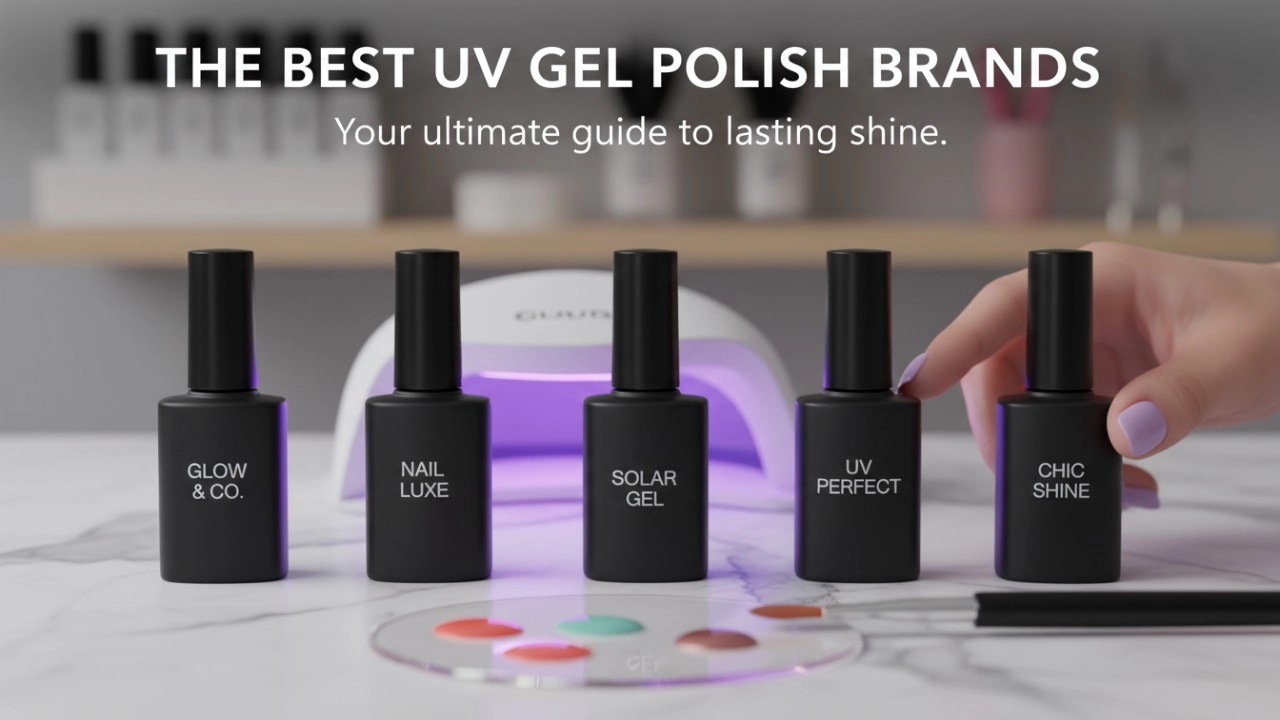
The Ultimate 2026 Buyer's Guide: Best UV Gel Polish Brands for Every Budget
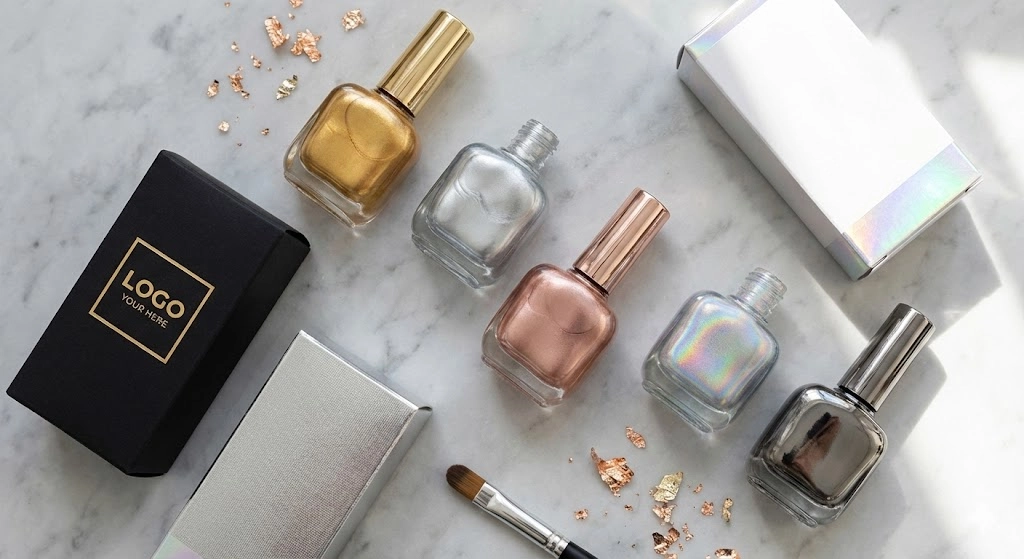
Sourcing Guide: How to Find Reliable Manufacturers for Chrome Nail Polish
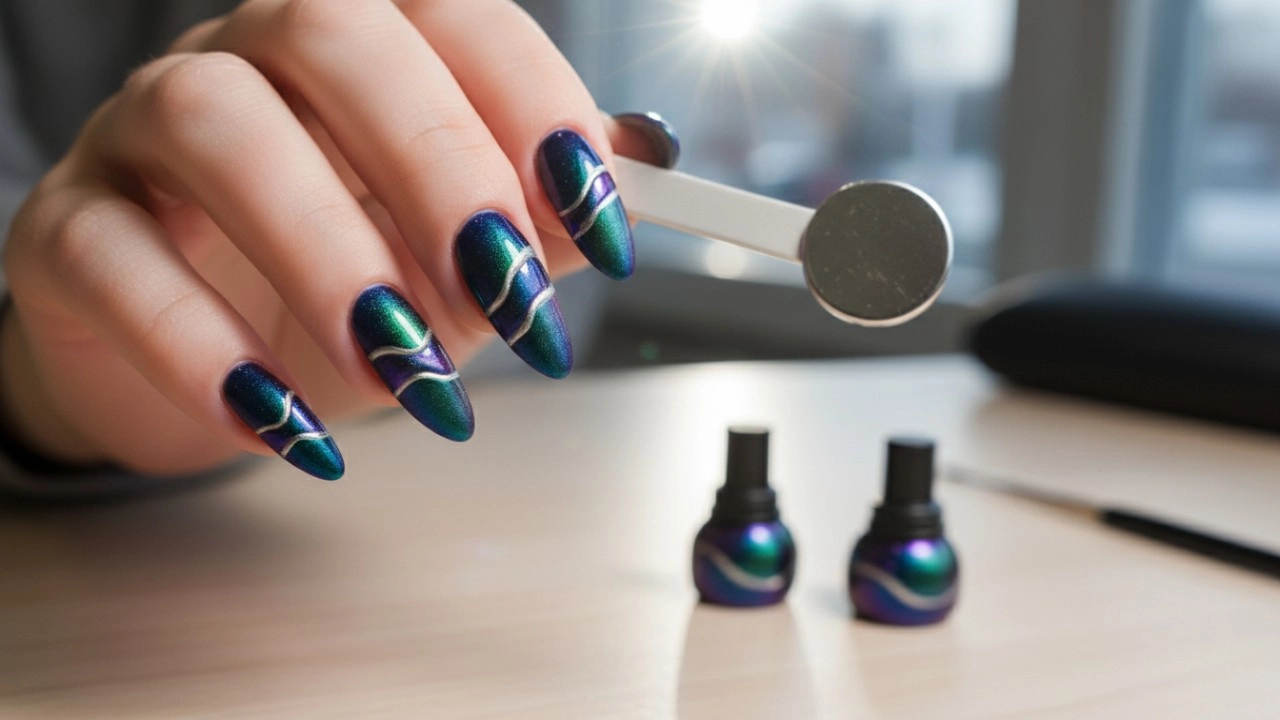
Best Cat Eye Gel Polish Comparison 2026: Salon-Grade Brands vs. Budget-Friendly Alternatives
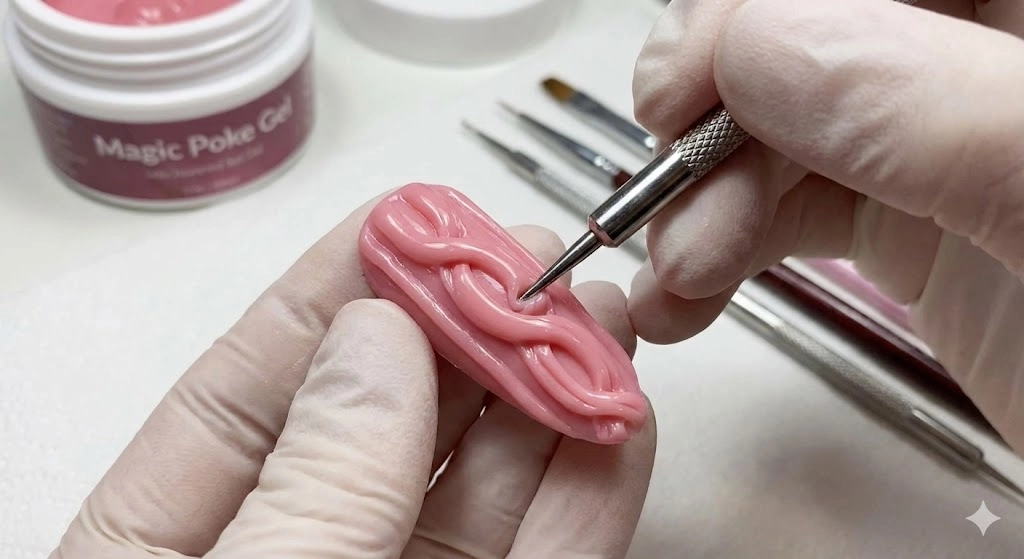
What Is Magic Poke Gel Polish and Why Is It Trending in Nail Art?
FAQ
Do you provide samples?
Yes, we offer samples for quality testing. Contact us for more details on sample policies and costs.
How can I place an order?
Simply contact us with your requirements, and our team will guide you through the customization, production, and shipping process.
TPO -Free Gel Polish
Where to buy your TPO-free collection?
Explore now: YourBrand.com/TPO-free
Free sample kits available for professionals!
Why choose TPO-free gel polish?
Benefits:
Reduced allergy risk – Ideal for sensitive skin
Less yellowing over time vs. TPO-based gels
Safer for nail techs – Lower fumes during curing
For Company
What is the Hanyi main products?
Hanyi main products are Base Coat, Top Coat, Rubber Base, Builder Gel, Polygel, Color gel, Jelly gel, Cat eye gel, Glitter gel, Reflective gel, Gel polish kit, Function gel, Painting gel, Platinum gel, Metallic gel, Poly gel, 3D Gel, Liner Art Gel, ect.
Recommended for You
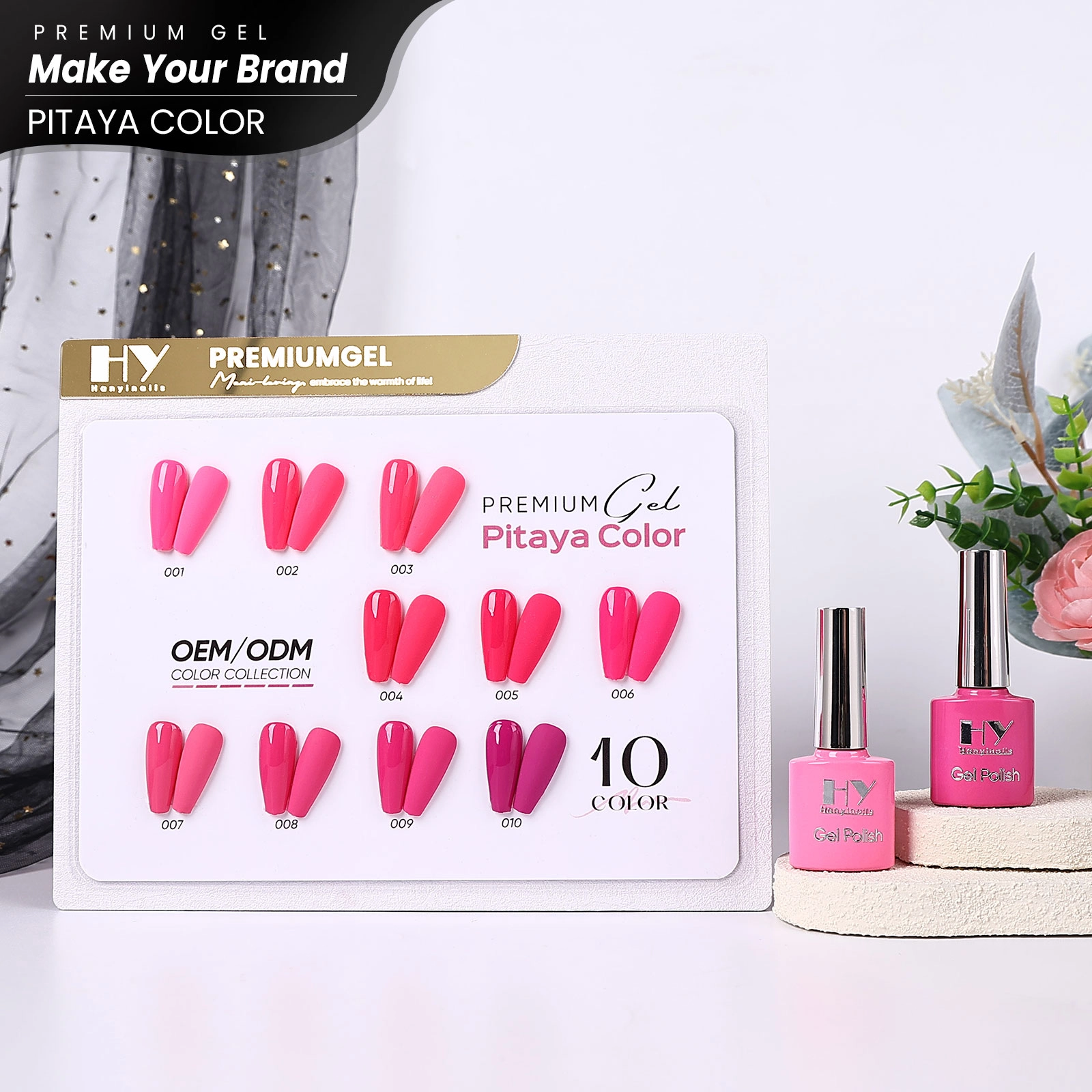
🔑 Key Features:
-
🌸 Vibrant Pitaya Pink Color—Trendy and bold, perfect for all skin tones and seasons.
-
💅 Long-Lasting Formula—Stays chip-free for up to 21 days with proper application.
-
✨ High Gloss Finish—Provides a salon-quality shine that won't dull.
-
🌿 Eco-Friendly & Cruelty-Free – Made with non-toxic ingredients, gentle on nails.
-
🛠️ OEM/ODM Support—Customize color, packaging, logo, bottle shape, and more.
-
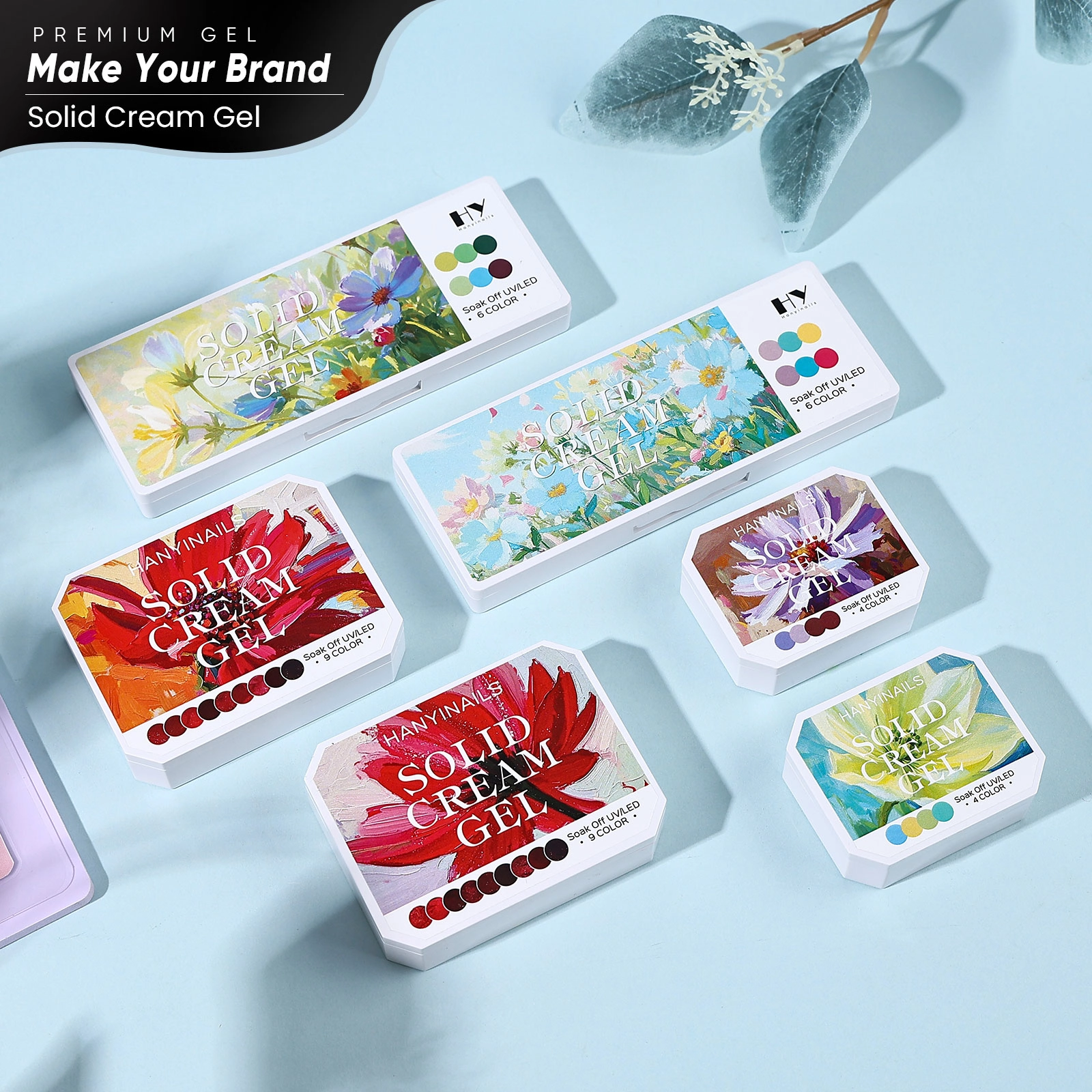
✨ Key Features:
✔ 100% HEMA-Free Formula—Gentle on nails and skin, ideal for sensitive users and allergy-prone customers.
✔ Vegan & Organic—Cruelty-free, eco-conscious, and skin-friendly.
✔ Vibrant Colors & Pigmentation—Rich, full-coverage colors with intense pigment that require only a thin layer for bold results.
✔ Quick & Easy Application—Smooth consistency that applies evenly for professional-looking results at home or in the salon.
✔ Safe for Sensitive Skin—Formulated without harmful chemicals and safe for most nail types, including sensitive skin.
✔ OEM/ODM Support—From formula tweaks to bulk orders, we bring your brand to life.
Ideal for salons, indie brands, and retailers who value safety, sustainability, and standout style.
"Get vibrant, long-lasting color—unlock creativity with Pat Pat Gel ."
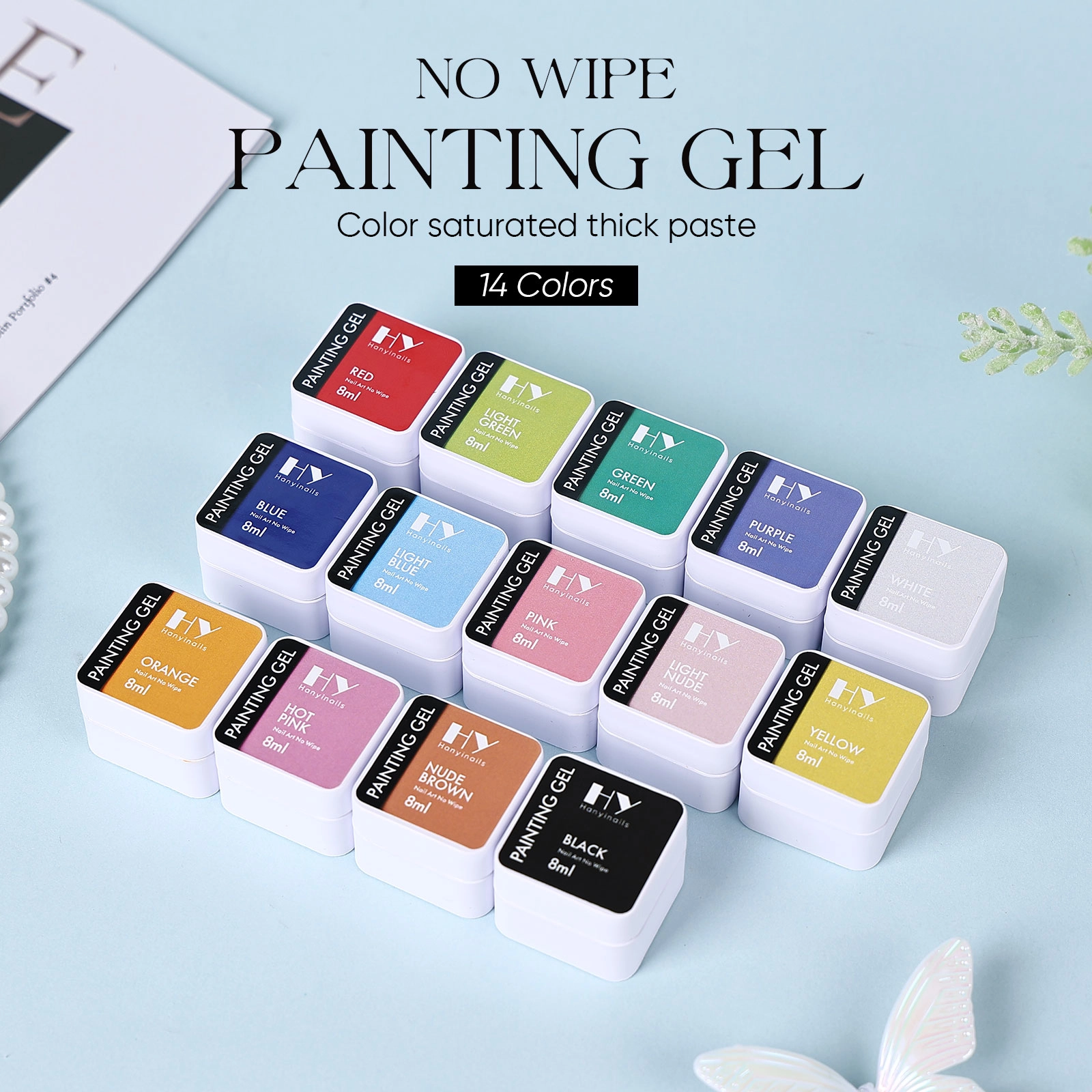
✨ Key Features:
✔ 100% HEMA-Free Formula—Gentle on nails and skin, ideal for sensitive users and allergy-prone customers.
✔ Vegan & Organic—Cruelty-free, eco-conscious, and skin-friendly.
✔ No-Wipe Formula—The finish leaves no sticky layer, eliminating the need for additional top coats or wipe-off solutions.
✔ Vibrant Colors & Pigmentation—Rich, full-coverage colors with intense pigment that require only a thin layer for bold results.
✔ Quick & Easy Application—Smooth consistency that applies evenly for professional-looking results at home or in the salon.
✔ Quick & Easy Application—Smooth consistency that applies evenly for professional-looking results at home or in the salon.
✔ Safe for Sensitive Skin—Formulated without harmful chemicals and safe for most nail types, including sensitive skin.
✔ OEM/ODM Support—From formula tweaks to bulk orders, we bring your brand to life.
Ideal for salons, indie brands, and retailers who value safety, sustainability, and standout style.
"Get vibrant, long-lasting color—unlock creativity with Paint Gel."
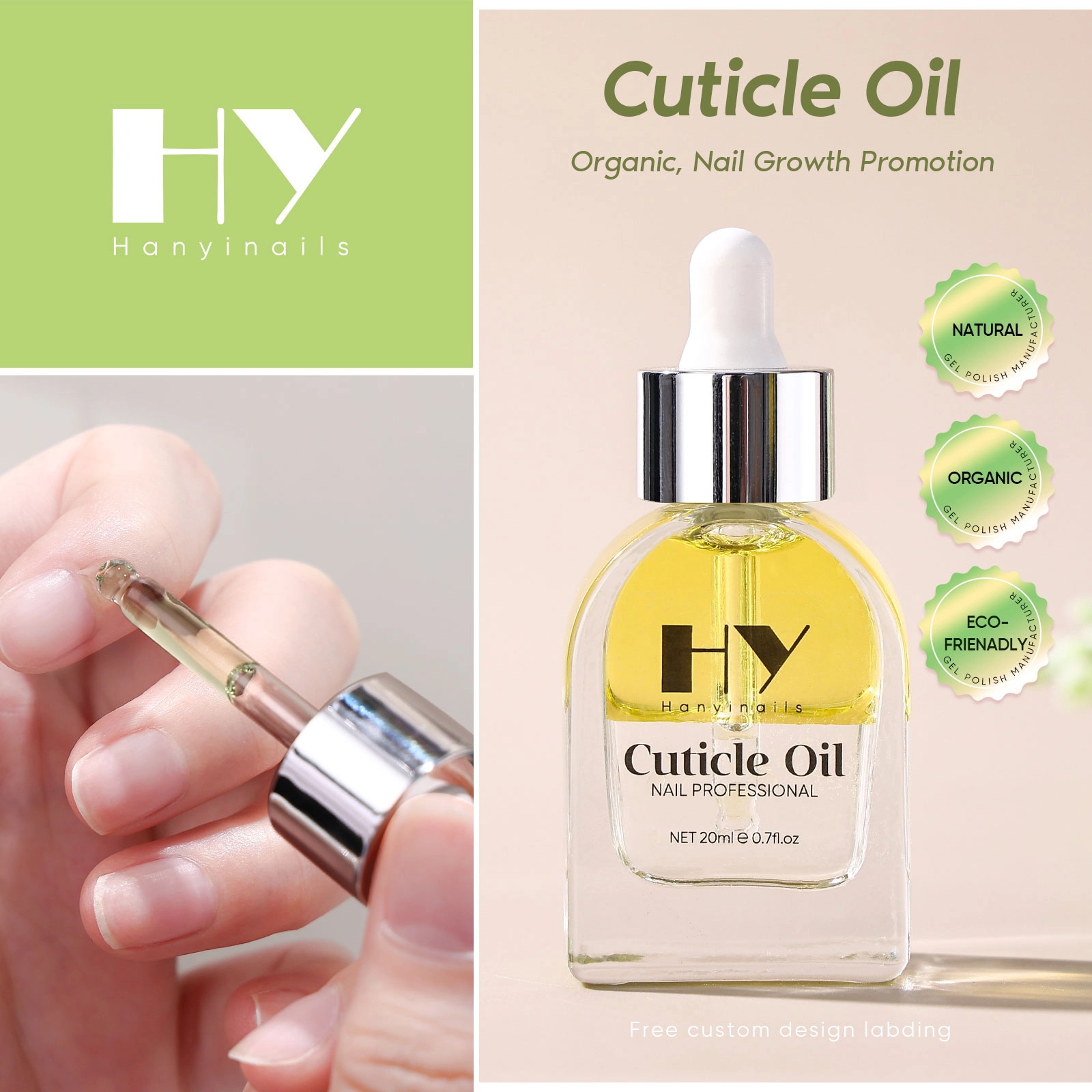
✨ Key Features:
✔ Vegan & Organic—Cruelty-free, eco-conscious, and skin-friendly.
✔ Deep Moisturizing Formula—Softens dry, cracked cuticles and nourishes surrounding skin
✔ Promotes Healthy Nail Growth—Supports stronger, longer nails with regular use
✔ Natural & Plant-Based Oils—Infused with ingredients like Vitamin E, Jojoba, and Sweet Almond Oil
✔ Non-Greasy & Fast-Absorbing – Leaves no residue; perfect for daily use or on-the-go hydration
✔ Lightweight & Refreshing Scent – Gentle floral or fruity aroma adds a spa-like touch to your nail routine
✔ Perfect for At-Home or salon use—great for professional manicures or personal nail care routines
✔ Suitable for All Skin Types—Gentle on sensitive skin, cuticle areas, and nail beds
"Perfect for repairing dry cuticles and promoting healthy nail growth."
Looking for a creative, premium, and reliable nail product manufacturer?
Whether you're an Amazon seller, Shopify store owner, chain store buyer, brand owner, distributor, wholesaler, or nail supply retailer — Hanyinails is your trusted partner for custom and wholesale nail solutions.
Hanyinails
Hanyinails
Hanyinails
Hanyinails