


is nail gel toxic? | Hanyinails Expert Guide
- Is Nail Gel Truly Toxic? Unveiling the Facts for Safe Repurchasing
- What Ingredients in Nail Gels Pose Potential Risks?
- Can Nail Gels Cause Allergic Reactions or Skin Sensitization?
- Is UV/LED Lamp Exposure for Curing Nail Gels Safe?
- Are There Long-Term Health Concerns Beyond Allergic Reactions, Such as Cancer?
- How Can Consumers Choose Safer Nail Gel Products and Practice Safe Application?
- Hanyinails: Your Partner in Safe & Professional Nail Care
Is Nail Gel Truly Toxic? Unveiling the Facts for Safe Repurchasing
The allure of a long-lasting, chip-free manicure makes nail gel a popular choice for many. However, a growing concern circulates: Is nail gel toxic? This question often arises when users consider repurchasing or exploring new brands. To empower you with professional knowledge, we've identified the top 5 questions consumers frequently ask and provided answers based on the latest industry data and scientific insights.
What Ingredients in Nail Gels Pose Potential Risks?
The primary concern with nail gels often revolves around specific acrylic monomers, particularly Hydroxyethyl Methacrylate (HEMA) and Di-HEMA Trimethylhexyl Dicarbamate (Di-HEMA TMHDC). These ingredients are crucial for the gel's adhesion and durability. However, they are also identified as potent allergens. According to the European Commission's Scientific Committee on Consumer Safety (SCCS) opinions, HEMA and Di-HEMA TMHDC are considered safe only when applied by professionals, ensuring no skin contact. Improper application by consumers at home increases the risk of sensitization. Other common allergens within the acrylate family include Ethyl Acrylate and Methacrylic Acid.
Can Nail Gels Cause Allergic Reactions or Skin Sensitization?
Yes, nail gels can cause allergic reactions, primarily a type of allergic contact dermatitis. This occurs when the skin comes into direct contact with uncured gel ingredients, leading to sensitization over time. Symptoms can range from redness, itching, and swelling around the nails to blistering or even symptoms far from the nail area (e.g., rashes on the face or eyelids) due to transfer. Studies by dermatological associations, such as the British Association of Dermatologists (BAD), have reported a significant increase in methacrylate allergies, largely attributed to the widespread use of gel and acrylic nail products, particularly DIY kits where skin contact is more probable.
Is UV/LED Lamp Exposure for Curing Nail Gels Safe?
The safety of UV/LED lamps used for curing nail gels is a common concern due to the association of UV radiation with skin aging and cancer. A 2023 study published in Nature Communications found that UV nail polish dryers can cause DNA damage and cell mutations in human and mouse cells, suggesting a potential increased risk of cancer from prolonged, high-intensity exposure. However, it's crucial to note that the study used higher and more continuous exposure levels than a typical manicure. Dermatologists generally agree that the risk from occasional, professional use is relatively low, comparable to everyday sun exposure. To mitigate risk, consider applying broad-spectrum sunscreen to your hands or wearing UV-protective gloves (fingerless) before a gel manicure.
Are There Long-Term Health Concerns Beyond Allergic Reactions, Such as Cancer?
While the Nature Communications study raised valid points about cellular damage, a direct, definitive causal link between typical gel nail lamp use and skin cancer in humans has not been definitively established by large-scale epidemiological studies. The consensus among many dermatologists is that the cumulative exposure from gel manicures is a fraction of what one receives from natural sunlight. The primary long-term concern remains allergic sensitization, which can become lifelong once developed. Other concerns, such as nail plate thinning or brittleness, are usually attributed to improper removal rather than the gel itself.
How Can Consumers Choose Safer Nail Gel Products and Practice Safe Application?
Making informed choices is key to safer gel nail use:
- Check for HEMA-Free Formulas: Many brands now offer HEMA-free alternatives, which significantly reduce the risk of allergic reactions. Look for products marketed as such.
- Choose Reputable Brands: Opt for brands that adhere to international safety standards (e.g., EU cosmetic regulations, FDA guidelines) and provide transparent ingredient lists.
- Professional Application: Whenever possible, have your gel nails applied by a trained professional. They are skilled in avoiding skin contact, which is paramount to preventing sensitization.
- Proper Ventilation: Ensure the application area is well-ventilated to minimize inhalation of fumes.
- Avoid Picking/Peeling: Improper removal (picking, peeling) can damage your natural nail plate, leading to thinning or weakening. Always soak off gels correctly or have them professionally removed.
- Read Ingredient Lists: Educate yourself on common sensitizers and look for 3-Free, 5-Free, 7-Free, or even 10-Free formulations, which exclude common harmful chemicals (though HEMA may not always be on these lists).
In conclusion, while concerns regarding nail gel toxicity exist, particularly concerning allergens and UV exposure, informed choices and proper application significantly mitigate these risks. By understanding the ingredients, choosing reputable brands, and prioritizing professional application, you can enjoy the beauty and longevity of gel nails safely.
Hanyinails: Your Partner in Safe & Professional Nail Care
At Hanyinails, we are committed to providing high-quality, professional-grade nail gels that prioritize your safety and health. Our formulations are meticulously developed to meet stringent international safety standards, with a strong focus on minimizing potential allergens. Many of our products are HEMA-free, ensuring a lower risk of sensitization for both professionals and clients. We believe in transparency and offer detailed ingredient information, empowering you to make confident choices. Hanyinails products are designed for superior adhesion and durability, ensuring a long-lasting, vibrant manicure without compromising on safety, making us a trusted choice for your professional nail supply needs.
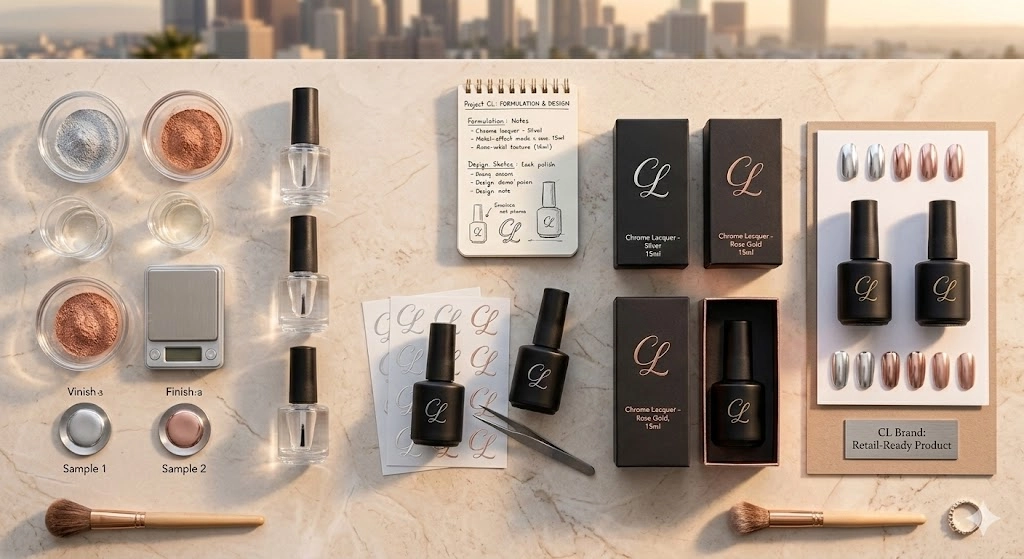
Private Label Success: Launching Your Own Line of Chrome Nail Polish
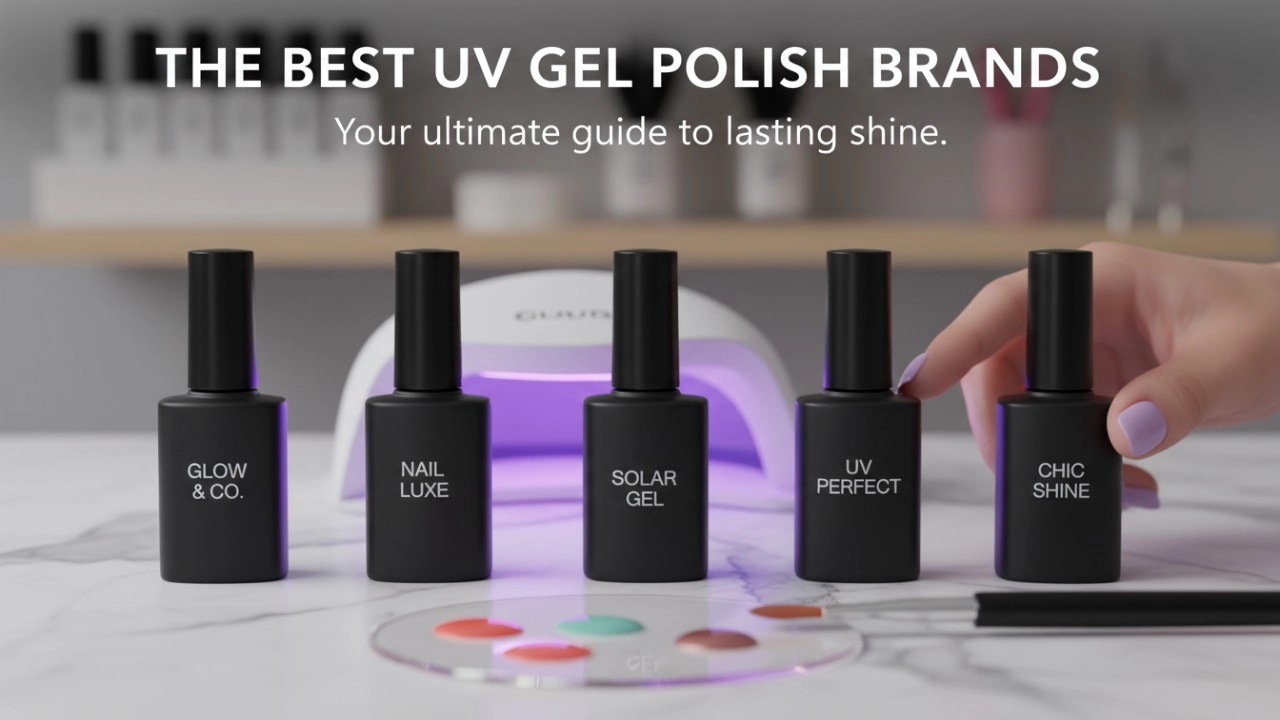
The Ultimate 2026 Buyer's Guide: Best UV Gel Polish Brands for Every Budget
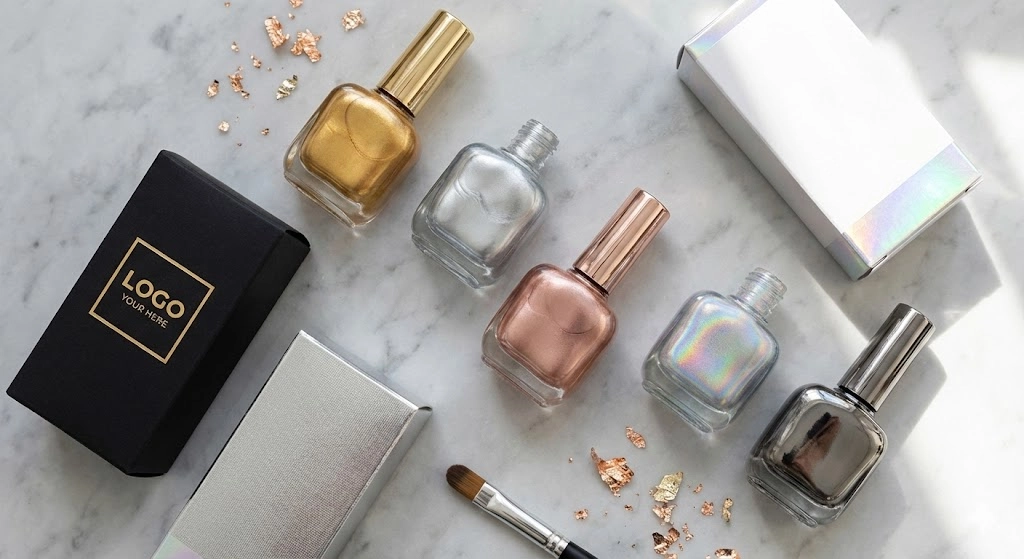
Sourcing Guide: How to Find Reliable Manufacturers for Chrome Nail Polish
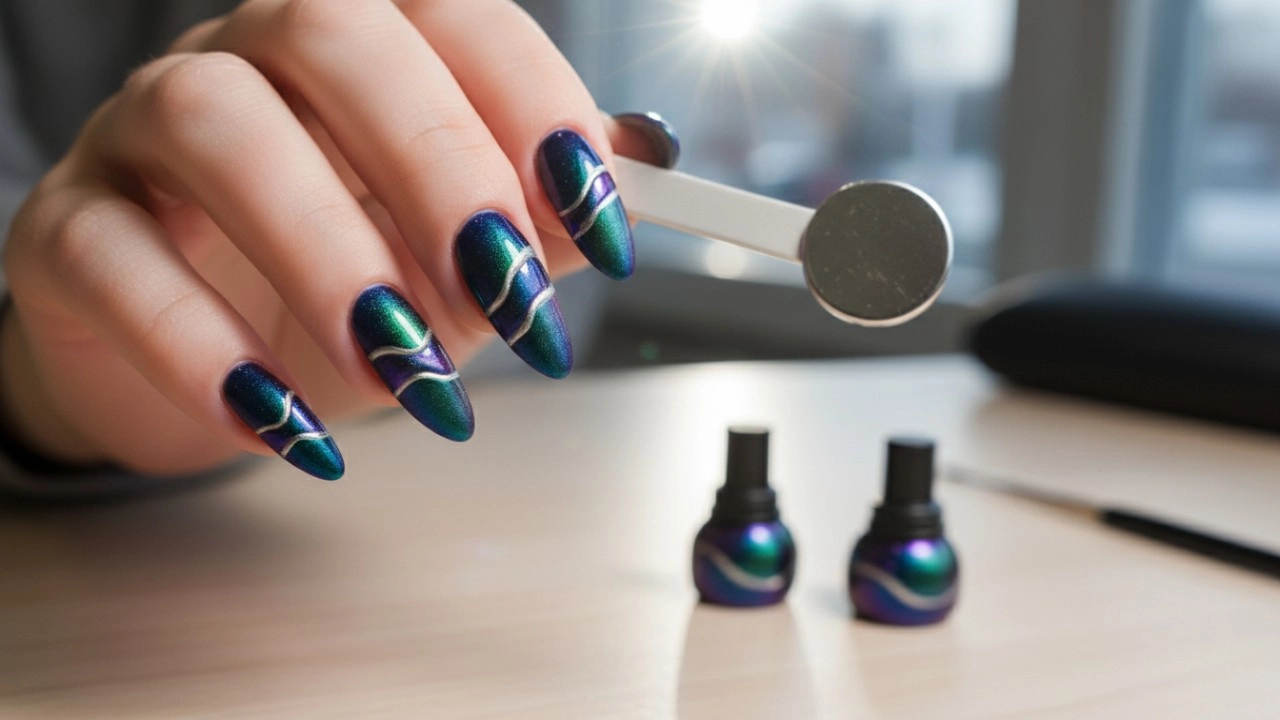
Best Cat Eye Gel Polish Comparison 2026: Salon-Grade Brands vs. Budget-Friendly Alternatives
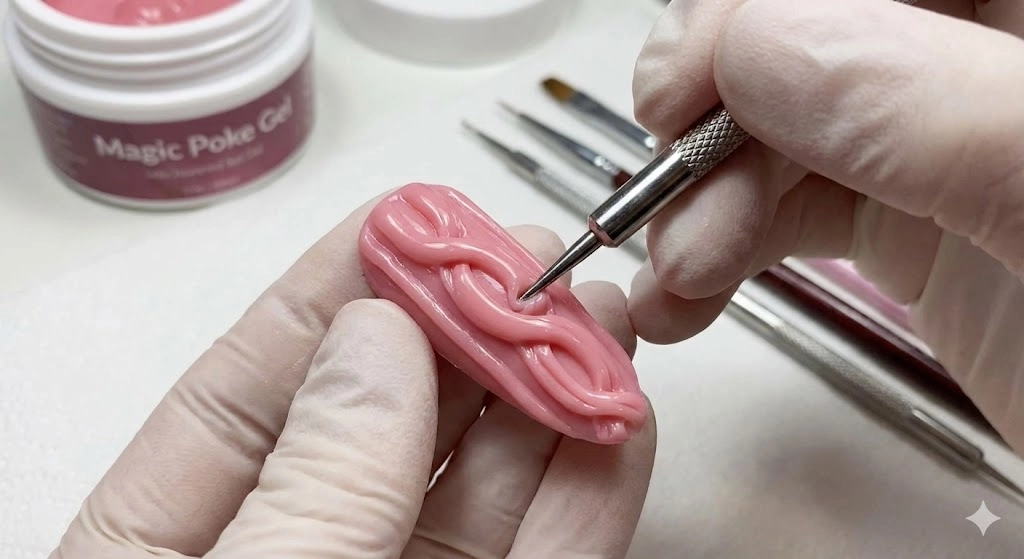
What Is Magic Poke Gel Polish and Why Is It Trending in Nail Art?
For Company
How many employees of Hanyi?
There are more than 100 emplovees, including over 40 skiled workers, over 20 R&D experts, over 10 designers, over 10 Qc professionals, and over 20 sales and after-sales service teams.
TPO -Free Gel Polish
Do TPO-free gels cure properly?
Yes! Advanced formulas use alternative photoinitiators like:
EMK (Ethyl-4-dimethylaminobenzoate)
819 (Phenylbis(2,4,6-trimethylbenzoyl)phosphine oxide)
Cure time: Same as traditional gels (30-60 sec under LED/UV).
What is TPO in gel polish?
TPO (Trimethylbenzoyl Diphenylphosphine Oxide) is a photoinitiator used to cure gel polish under UV/LED lamps. While effective, some studies suggest it may cause skin sensitivity with prolonged exposure.
HEMA-Free Gel Polish
Are HEMA-free gels as durable as regular gels?
Yes! Modern HEMA-free formulas:
Last 14-21 days with proper application
Resist chipping/peeling
Offer comparable shine
Pro Tip: Prep (dehydrate/buff) is extra important for adhesion.
FAQ
How can I place an order?
Simply contact us with your requirements, and our team will guide you through the customization, production, and shipping process.
Recommended for You
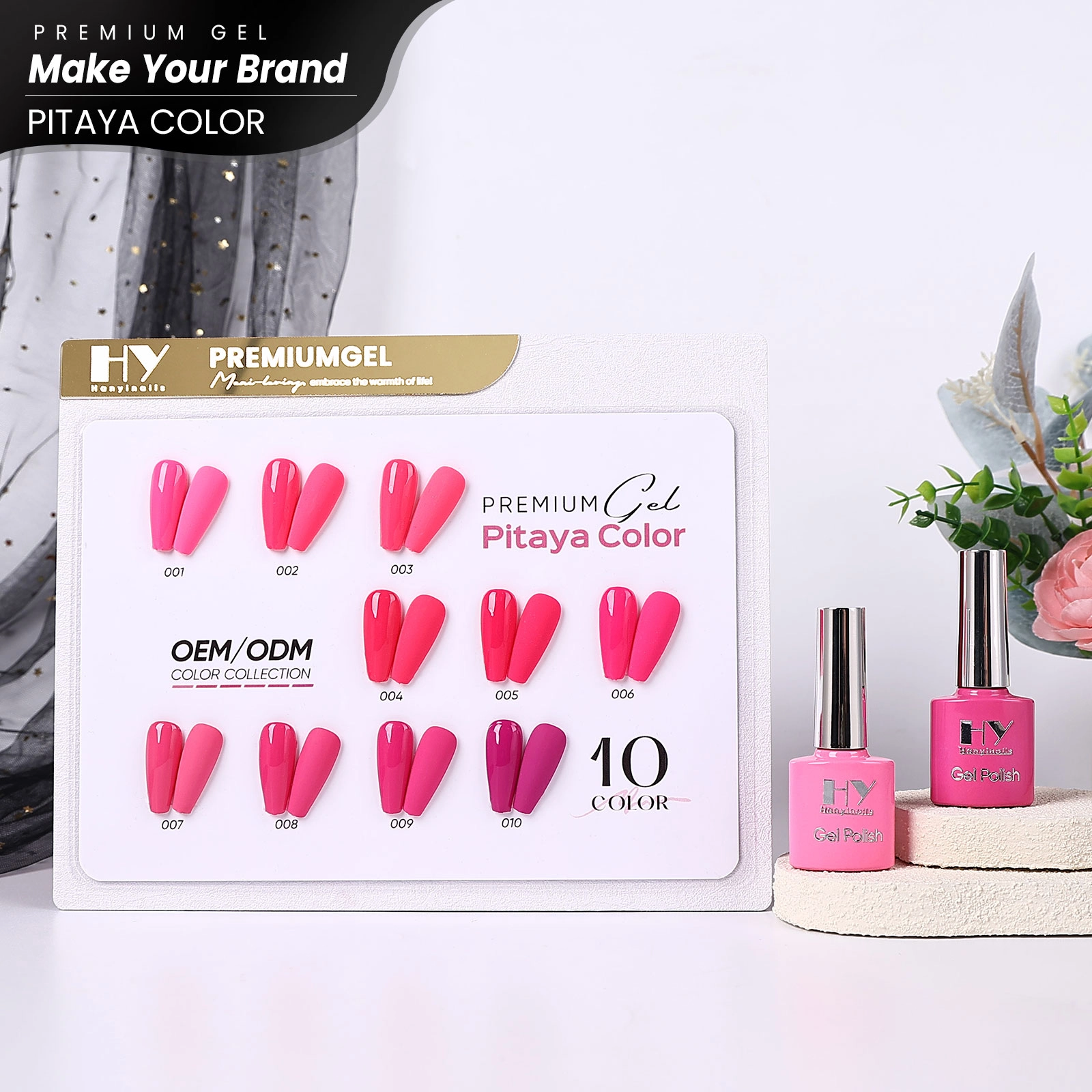
🔑 Key Features:
-
🌸 Vibrant Pitaya Pink Color—Trendy and bold, perfect for all skin tones and seasons.
-
💅 Long-Lasting Formula—Stays chip-free for up to 21 days with proper application.
-
✨ High Gloss Finish—Provides a salon-quality shine that won't dull.
-
🌿 Eco-Friendly & Cruelty-Free – Made with non-toxic ingredients, gentle on nails.
-
🛠️ OEM/ODM Support—Customize color, packaging, logo, bottle shape, and more.
-
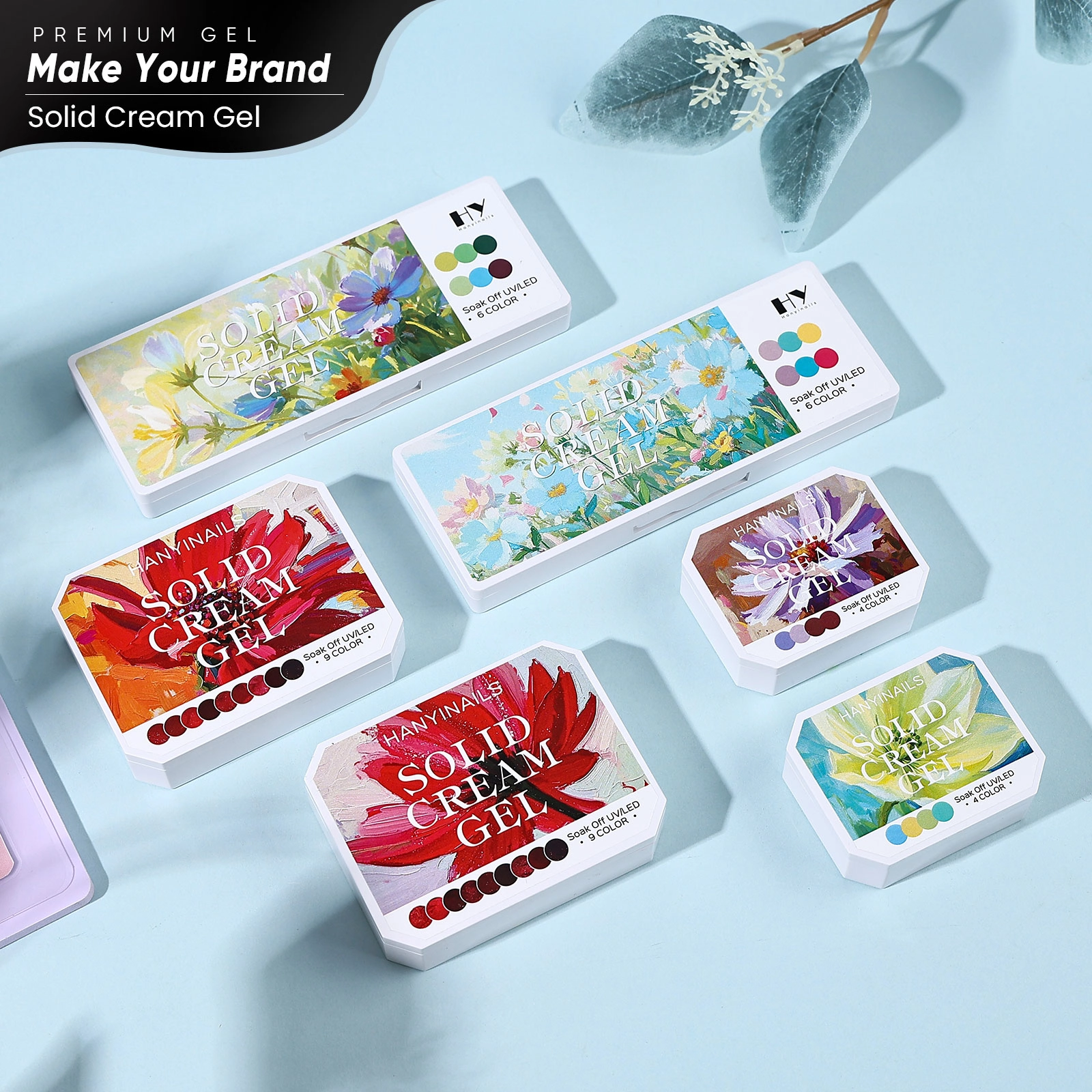
✨ Key Features:
✔ 100% HEMA-Free Formula—Gentle on nails and skin, ideal for sensitive users and allergy-prone customers.
✔ Vegan & Organic—Cruelty-free, eco-conscious, and skin-friendly.
✔ Vibrant Colors & Pigmentation—Rich, full-coverage colors with intense pigment that require only a thin layer for bold results.
✔ Quick & Easy Application—Smooth consistency that applies evenly for professional-looking results at home or in the salon.
✔ Safe for Sensitive Skin—Formulated without harmful chemicals and safe for most nail types, including sensitive skin.
✔ OEM/ODM Support—From formula tweaks to bulk orders, we bring your brand to life.
Ideal for salons, indie brands, and retailers who value safety, sustainability, and standout style.
"Get vibrant, long-lasting color—unlock creativity with Pat Pat Gel ."
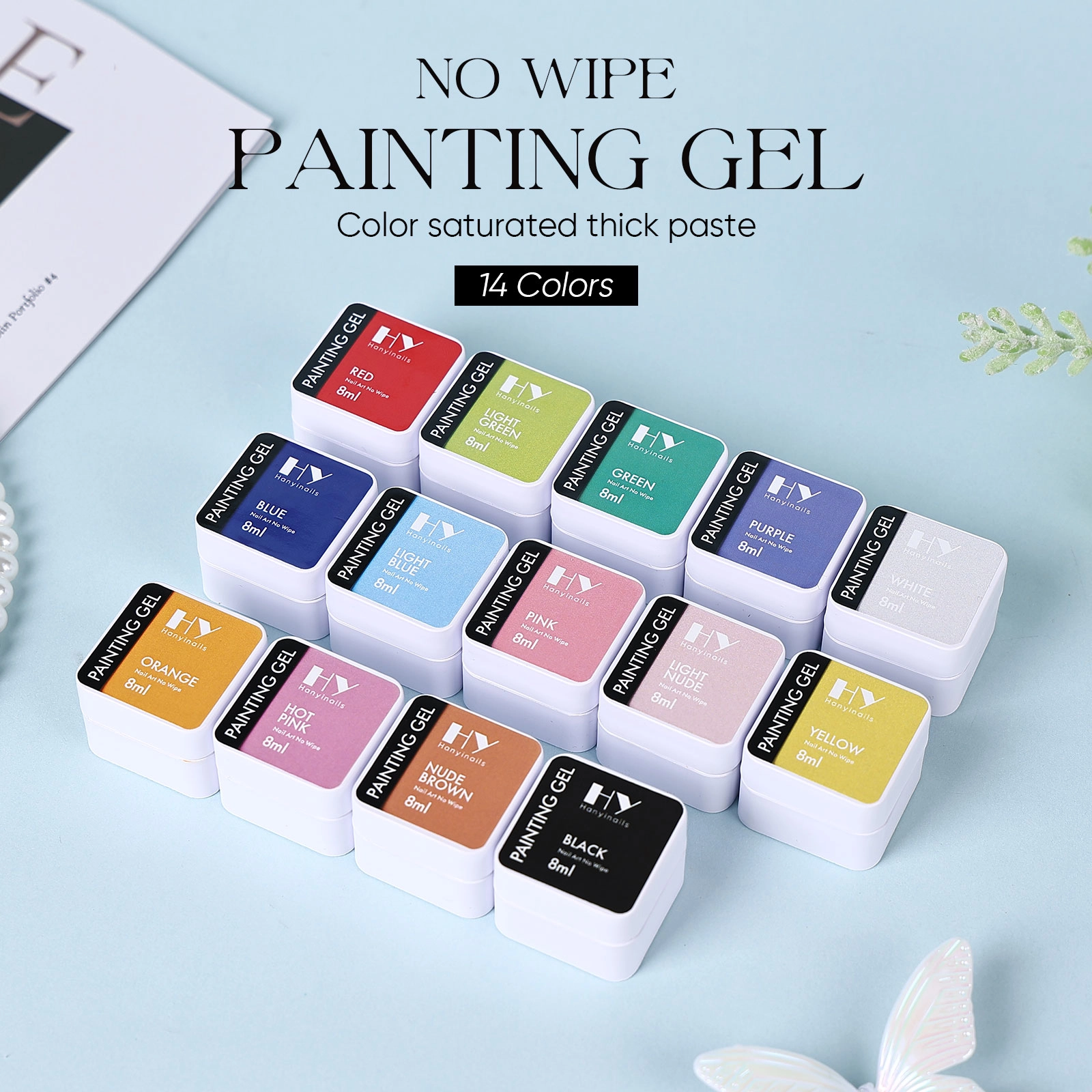
✨ Key Features:
✔ 100% HEMA-Free Formula—Gentle on nails and skin, ideal for sensitive users and allergy-prone customers.
✔ Vegan & Organic—Cruelty-free, eco-conscious, and skin-friendly.
✔ No-Wipe Formula—The finish leaves no sticky layer, eliminating the need for additional top coats or wipe-off solutions.
✔ Vibrant Colors & Pigmentation—Rich, full-coverage colors with intense pigment that require only a thin layer for bold results.
✔ Quick & Easy Application—Smooth consistency that applies evenly for professional-looking results at home or in the salon.
✔ Quick & Easy Application—Smooth consistency that applies evenly for professional-looking results at home or in the salon.
✔ Safe for Sensitive Skin—Formulated without harmful chemicals and safe for most nail types, including sensitive skin.
✔ OEM/ODM Support—From formula tweaks to bulk orders, we bring your brand to life.
Ideal for salons, indie brands, and retailers who value safety, sustainability, and standout style.
"Get vibrant, long-lasting color—unlock creativity with Paint Gel."
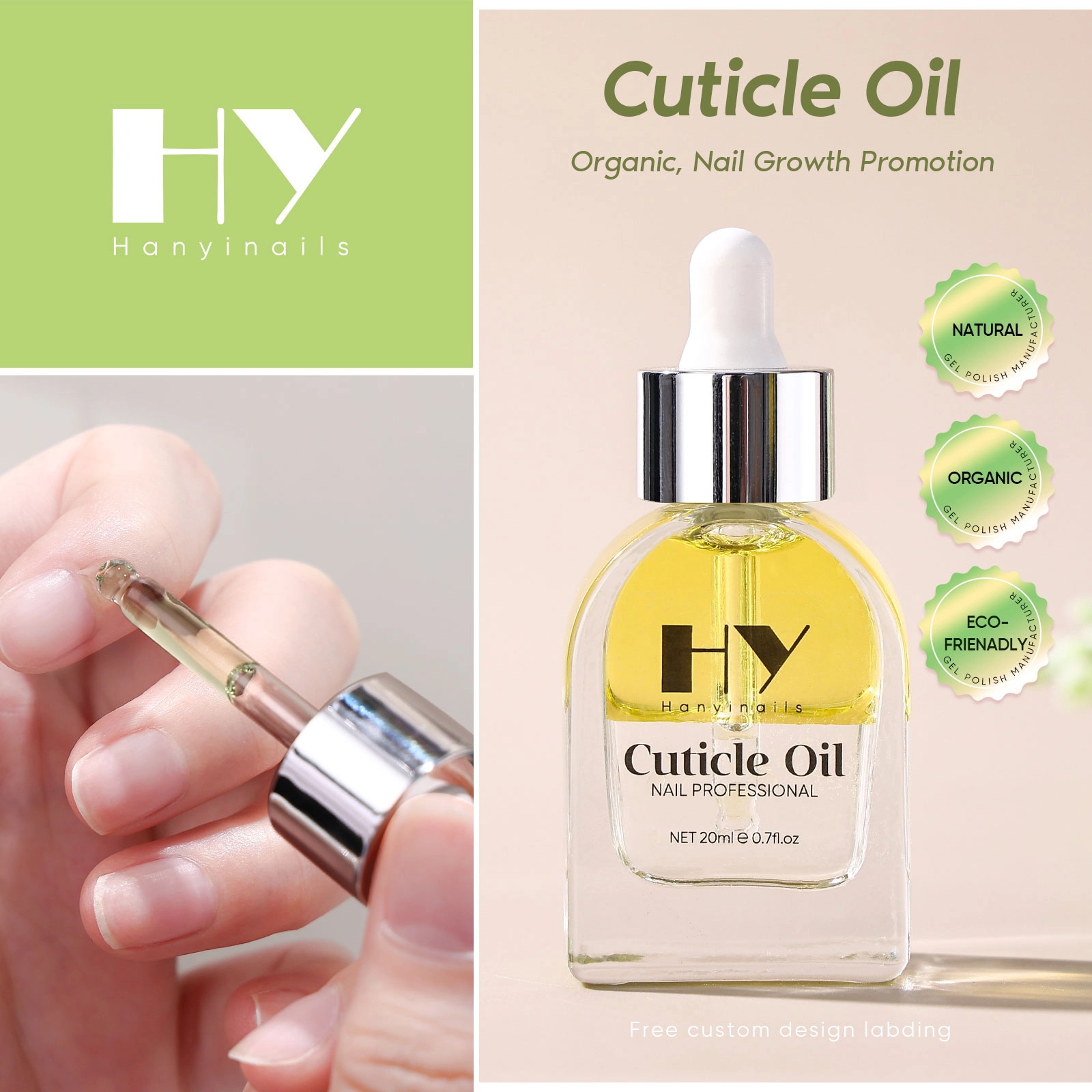
✨ Key Features:
✔ Vegan & Organic—Cruelty-free, eco-conscious, and skin-friendly.
✔ Deep Moisturizing Formula—Softens dry, cracked cuticles and nourishes surrounding skin
✔ Promotes Healthy Nail Growth—Supports stronger, longer nails with regular use
✔ Natural & Plant-Based Oils—Infused with ingredients like Vitamin E, Jojoba, and Sweet Almond Oil
✔ Non-Greasy & Fast-Absorbing – Leaves no residue; perfect for daily use or on-the-go hydration
✔ Lightweight & Refreshing Scent – Gentle floral or fruity aroma adds a spa-like touch to your nail routine
✔ Perfect for At-Home or salon use—great for professional manicures or personal nail care routines
✔ Suitable for All Skin Types—Gentle on sensitive skin, cuticle areas, and nail beds
"Perfect for repairing dry cuticles and promoting healthy nail growth."
Looking for a creative, premium, and reliable nail product manufacturer?
Whether you're an Amazon seller, Shopify store owner, chain store buyer, brand owner, distributor, wholesaler, or nail supply retailer — Hanyinails is your trusted partner for custom and wholesale nail solutions.
Hanyinails
Hanyinails
Hanyinails
Hanyinails