1. What Are Nail Gels and How Do They Differ from Traditional Nail Polishes?
Nail gels are a type of nail enhancement product that cures under UV or LED light, forming a durable and glossy finish. Unlike traditional nail polishes, which air-dry, nail gels require a curing process that bonds the product to the natural nail, resulting in a longer-lasting manicure. This curing process also makes nail gels more resistant to chipping and wear, offering a salon-quality finish that can last several weeks.
2. What Are the Health and Safety Considerations When Using Nail Gels?
Health and safety are paramount when using nail gels. Some nail products contain chemicals like dibutyl phthalate (DBP), toluene, and formaldehyde, known as the "toxic trio," which can pose health risks. Prolonged exposure to these substances may lead to respiratory issues, skin irritation, and other health complications. To mitigate these risks, it's advisable to choose nail gels that are free from these harmful chemicals and to ensure proper ventilation during application. Additionally, using UV protection during the curing process can help minimize potential skin damage from UV exposure.
3. How Do I Evaluate the Quality of Nail Gel Products?
Evaluating the quality of nail gel products involves several key factors: formulation transparency, certifications, and compliance with safety standards. Reputable manufacturers provide detailed information about their product formulations, including Material Safety Data Sheets (MSDS), which outline the composition and safety precautions. Certifications such as ISO 22716 for Good Manufacturing Practices (GMP) indicate adherence to quality standards. Additionally, compliance with regulations like the EU Cosmetics Regulation and US FDA guidelines ensures the products meet safety requirements. ((https://www.hanyinails.com/b2b-gel-uv-polish-guide.html?utm_source=openai))
4. What Are the Current Market Trends in the Nail Gel Industry?
The nail gel industry is experiencing several notable trends: a shift towards eco-friendly and cruelty-free products, technological advancements in curing lamps, and a growing demand for at-home nail care solutions. Consumers are increasingly seeking products made with non-toxic ingredients and sustainable packaging. Innovations in UV and LED curing lamps have enhanced the efficiency and safety of gel manicures, contributing to their widespread adoption among both professionals and DIY enthusiasts. The rise of at-home beauty solutions and the growing acceptance of nail enhancements among men and non-binary consumers are expanding the addressable market.
5. How Do I Choose a Reliable Supplier for Nail Gel Products?
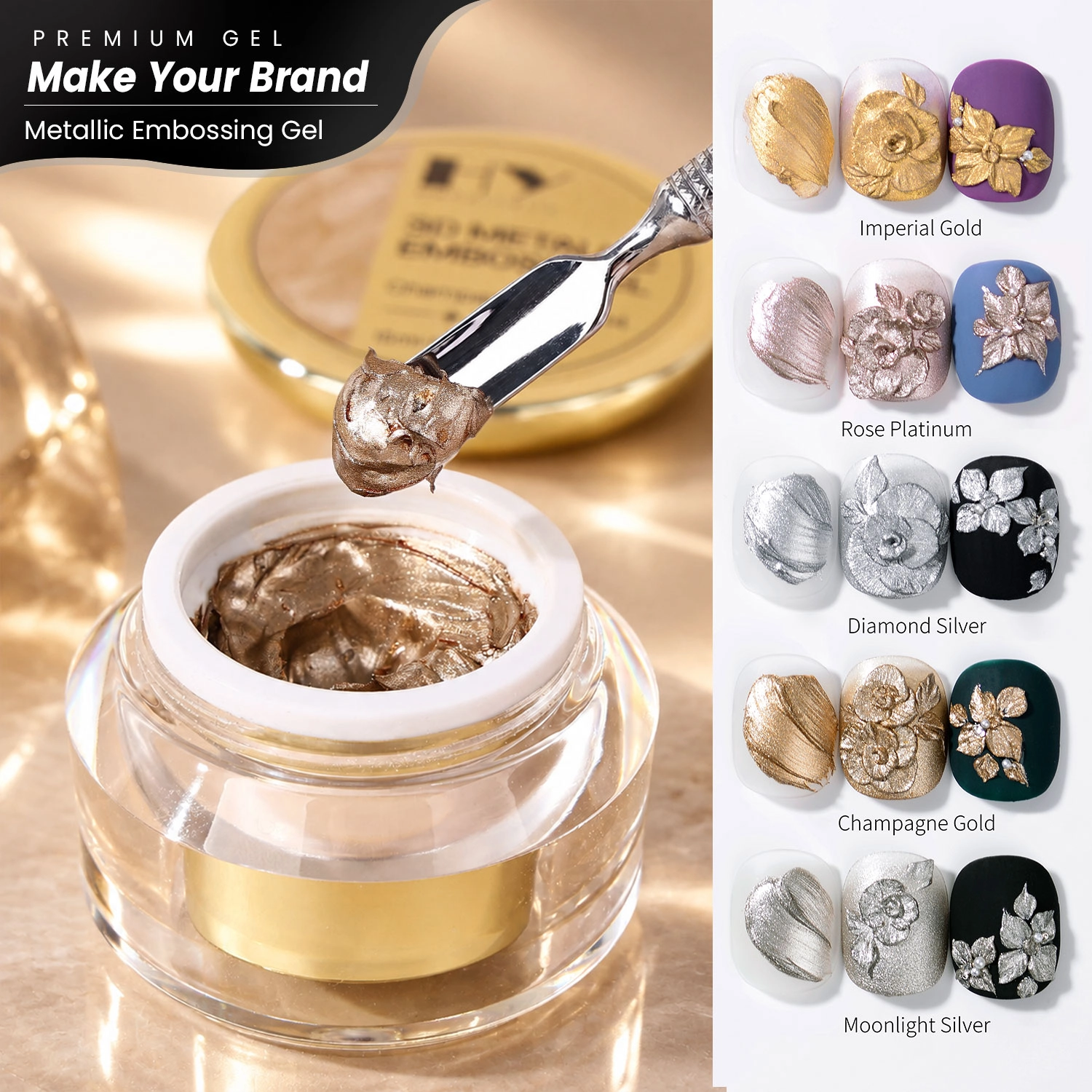
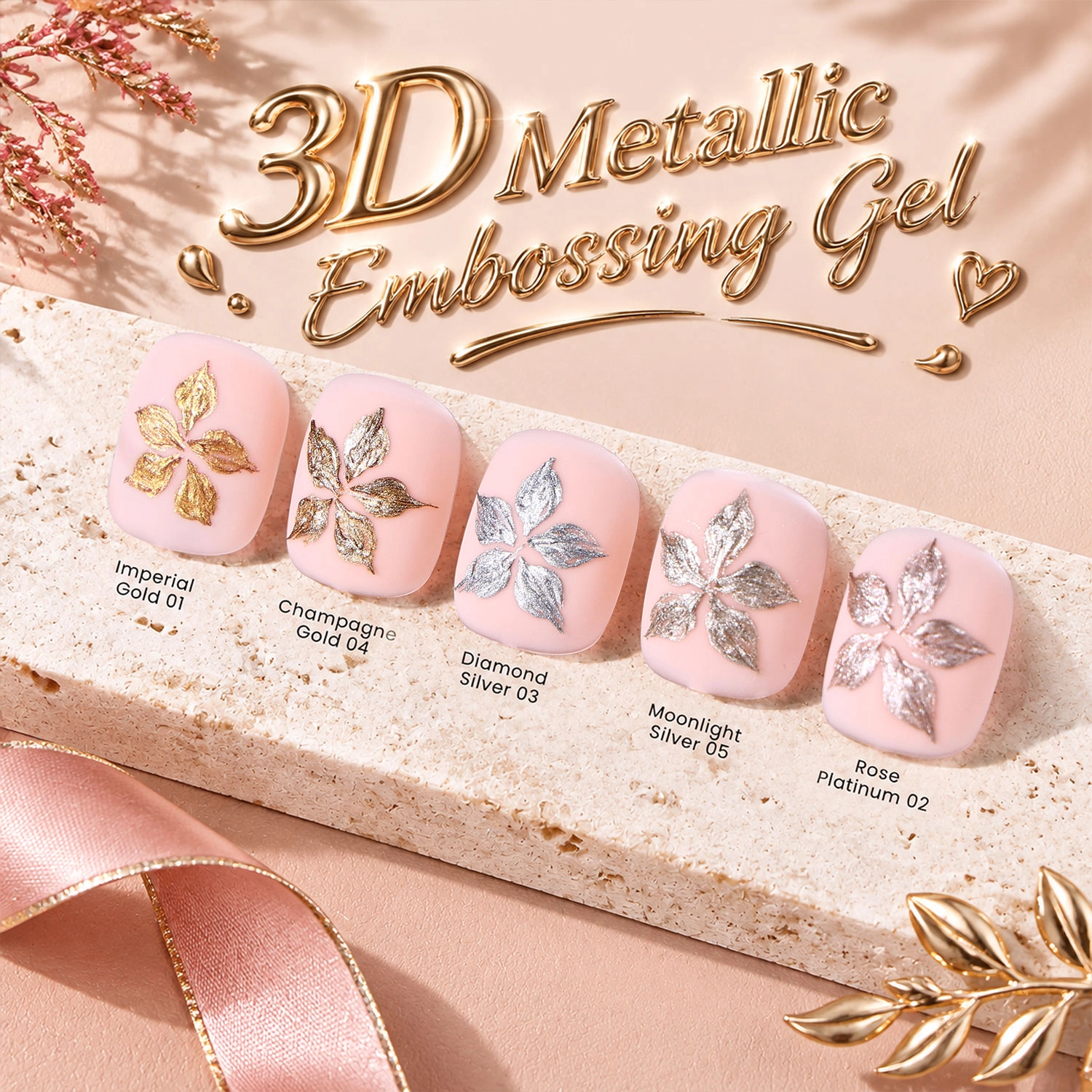
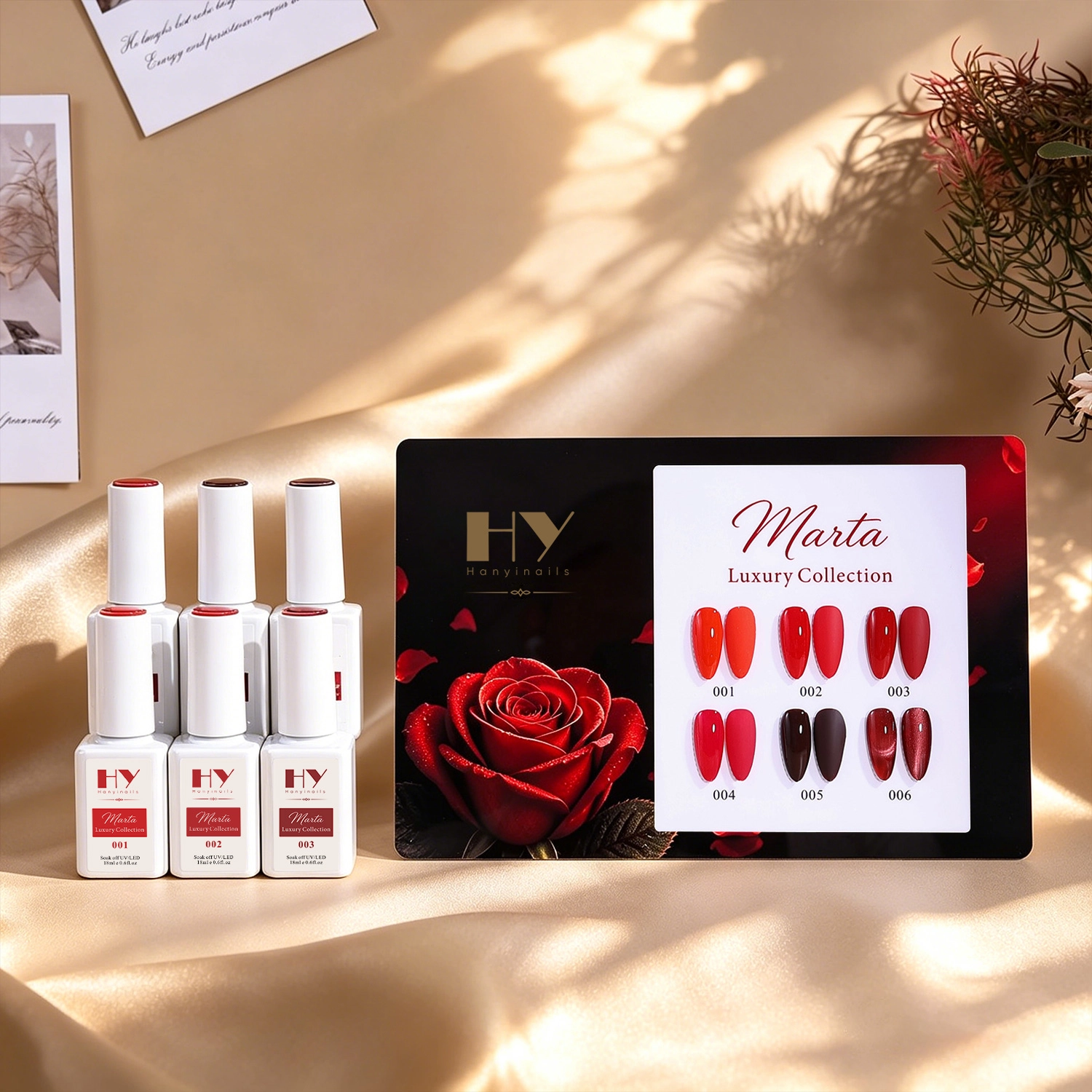
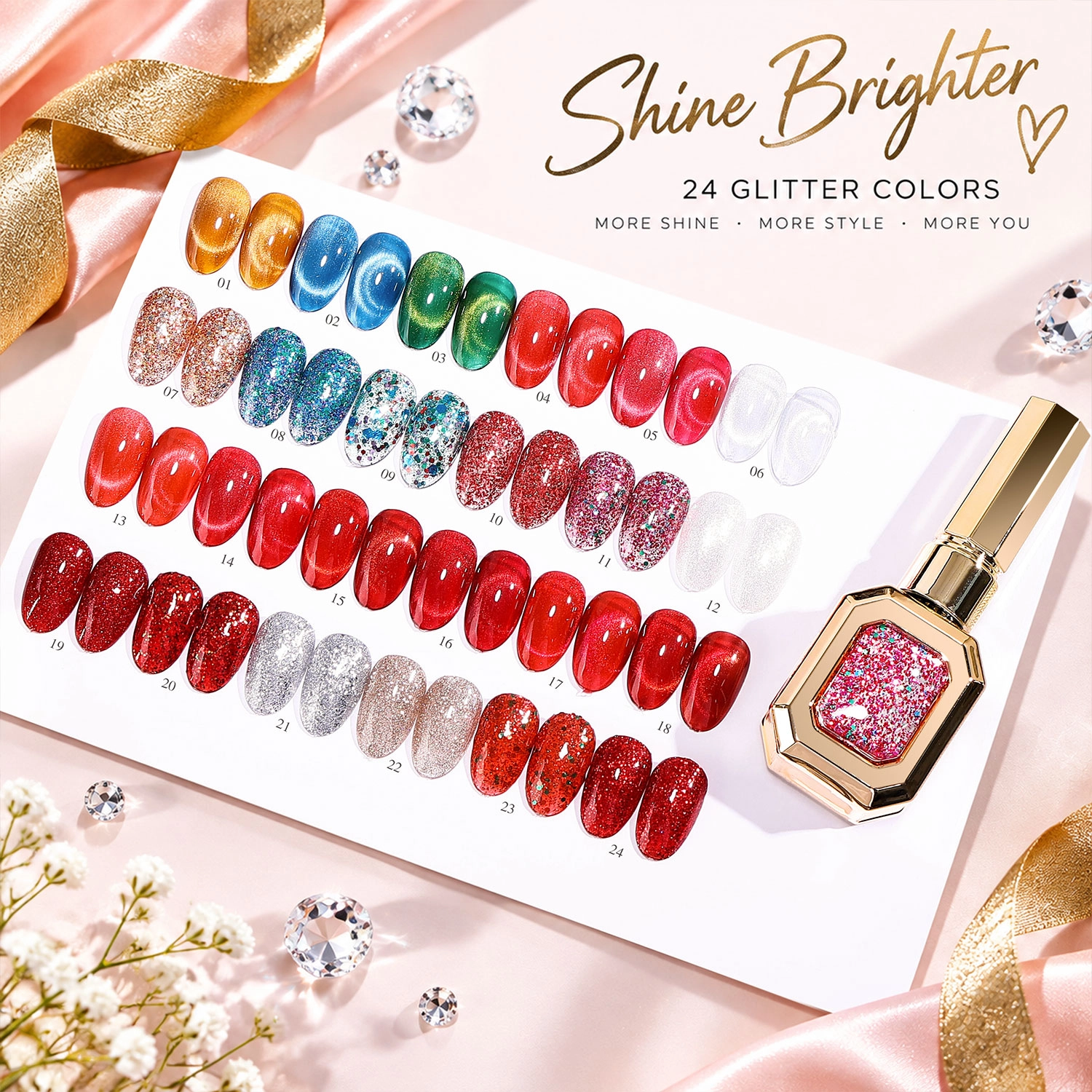
Choosing a reliable supplier involves assessing their manufacturing capabilities, quality control measures, and customization options. A reputable supplier should have advanced production facilities, stringent quality control processes, and the ability to provide customization for packaging, branding, and product formulations. For instance, Hanyinails operates dedicated production lines, employs qualified technicians, and conducts in-house quality control to ensure consistent product quality. They also offer extensive customization options, including a wide range of bottle shapes, cap finishes, and label designs, allowing businesses to create unique product lines tailored to their brand identity. ((https://www.hanyinails.com/the-ultimate-guide-to-wholesale-gel-nail-tips-quality-standards.html?utm_source=openai))
6. What Are the Environmental Impacts of Nail Gel Products?
The environmental impact of nail gel products is a growing concern, particularly regarding the disposal of chemical-laden products and packaging waste. Some nail gels contain chemicals that can be harmful to the environment if not disposed of properly. To mitigate these impacts, consumers and businesses are encouraged to choose products with eco-friendly formulations and sustainable packaging. Additionally, proper disposal methods, such as using designated hazardous waste facilities, can help reduce environmental harm.
7. What Are the Regulatory Standards Governing Nail Gel Products?
Regulatory standards for nail gel products vary by region but generally focus on product safety, ingredient transparency, and manufacturing practices. In the United States, the Food and Drug Administration (FDA) provides guidelines for cosmetic products, including nail gels, ensuring they are safe for consumer use. In the European Union, the Cosmetics Regulation sets out requirements for cosmetic products, including safety assessments and labeling. Manufacturers must comply with these regulations to ensure their products are safe and legal for sale in these markets.
Hanyinails: Your Trusted Partner in Nail Gel Products
Hanyinails stands out as a reliable supplier in the nail gel industry, offering high-quality products with a focus on safety, innovation, and customization. Their commitment to using non-toxic ingredients and sustainable practices aligns with current market trends towards eco-friendly and health-conscious products. With advanced manufacturing capabilities and a dedication to quality control, Hanyinails ensures that their products meet the highest standards, making them an excellent choice for businesses seeking to offer premium nail gel products to their customers.
Data Sources
- U.S. Department of Health and Human Services, 2025
- U.S. National Institute for Occupational Safety and Health, 2025
- Hanyinails, 2025
- Reanin Research, 2025
- Wikipedia: Migrant Nail Salon Workers in the United States, 2025
- Wikipedia: Nail Polish, 2025
- Wikipedia: Nail Gel, 2025
- Wikipedia: Nail Polish, 2025
- Wikipedia: Nail Gel, 2025
- Wikipedia: Nail Gel, 2025







Hanyinails
Hanyinails
Hanyinails
Hanyinails