


How to Store Liner Art Nail Gel and Gel Nail Products When Not in Use
This guide covers exactly how to store Liner Art Gel & 3D Art Gel and other gel nail products correctly, how to tell when a gel has expired, and how to fix common storage problems like thickening or separation — for nail artists, salons, distributors, and private label nail brands alike.
Quick Answer: Where Should Gel Products Be Stored When Not in Use?
Gel nail products should be stored tightly closed in a cool, dry, dark place, away from direct sunlight, heat sources, UV/LED lamps, dust, and moisture. For liner art nail gel specifically, always wipe the bottle neck clean, close the cap tightly, and store bottles upright to protect texture, pigmentation, and curing performance.
| Storage Factor | Best Practice | Why It Matters |
|---|---|---|
| Light | Keep away from sunlight and UV/LED lamps | Prevents premature curing in the bottle |
| Heat | Store at room temperature | Protects texture and viscosity |
| Air | Close caps tightly after every use | Reduces thickening and drying out |
| Dust | Wipe the bottle neck and use clean tools | Prevents contamination |
| Position | Store bottles upright | Reduces leakage and cap buildup |
| Rotation | Label the date opened | Helps track shelf life and use older stock first |

Why Proper Storage of Liner Art Nail Gel Matters
How Storage Affects Texture, Pigmentation, and Curing
Poor storage causes liner art nail gel to separate or thicken, which makes it harder to draw clean, controlled fine lines. Good storage habits keep pigmentation rich and texture smooth, which is what allows nail artists to get consistent results stroke after stroke.
Why Liner Art Gel Needs Extra Care for Fine Line Work
Liner art gel depends on a stable, medium viscosity to hold a thin line without dragging or spreading. Because fine line work has so little margin for error, even small storage-related changes in texture — slight thickening, minor separation — show up immediately in the quality of the line, more so than they would with a standard gel polish used for full coverage. For application tips after storage, see our guide on how to create fine lines with liner art gel.
Best Conditions for Storing Liner Art Nail Gel
Keep It Cool and Dry
Store liner gels in a cool, dry environment, ideally at room temperature. Extreme heat or cold can affect the gel's chemical structure and shorten its usable shelf life.
Avoid Sunlight, Heat, and UV/LED Lamps
Direct sunlight and heat can trigger premature curing inside the bottle. Store gels in drawers, cases, or opaque containers, and keep them well away from UV/LED lamps used for curing — proximity to a lamp is one of the most common, and most overlooked, causes of a gel curing before it's ever applied.
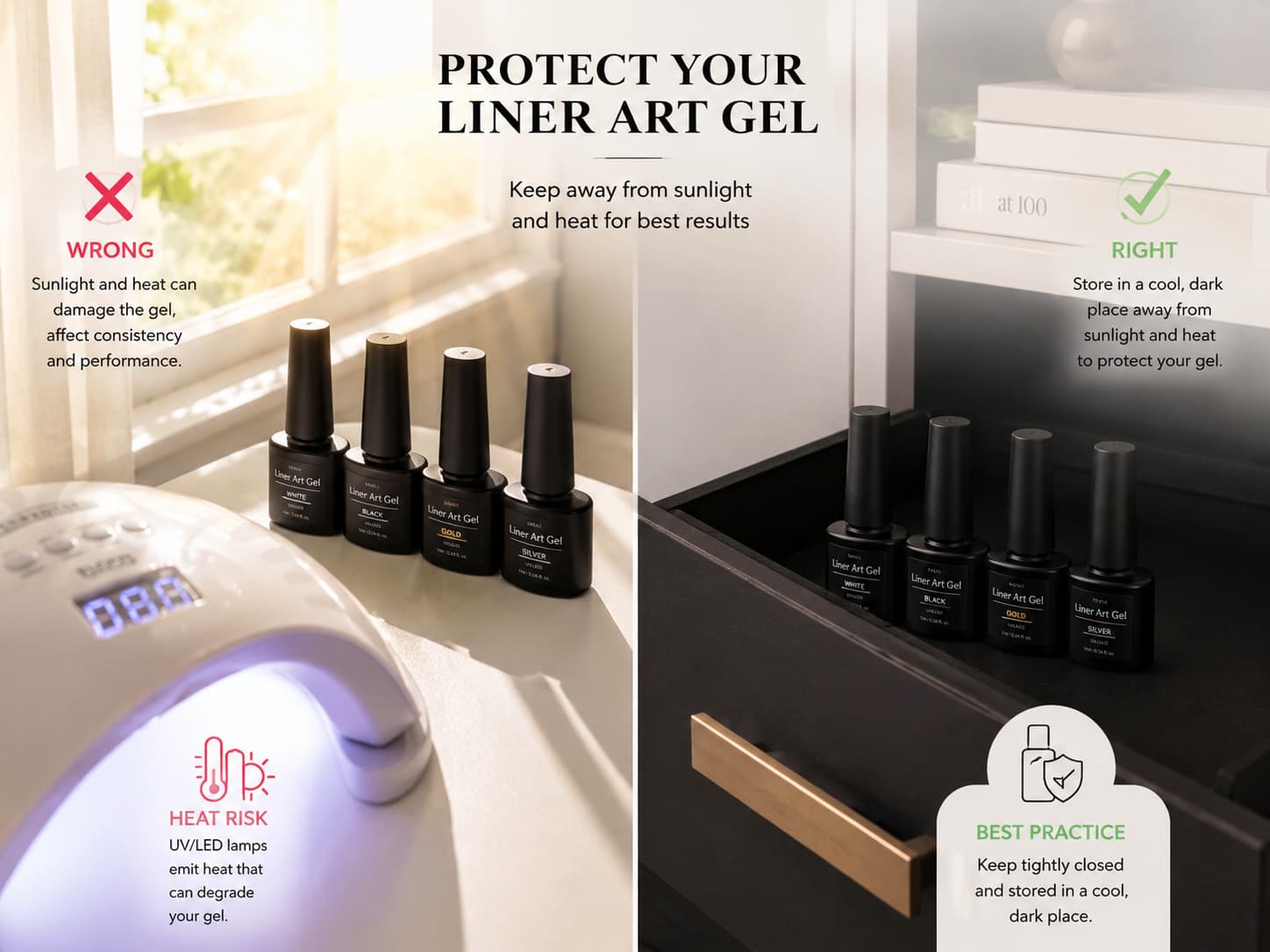
Keep Bottles Tightly Sealed and Upright
Air exposure thickens gel over time, and dust left on an open bottle neck can contaminate the formula. Wipe the neck clean and close the cap fully after every use, and store bottles upright to prevent leakage and cap buildup.
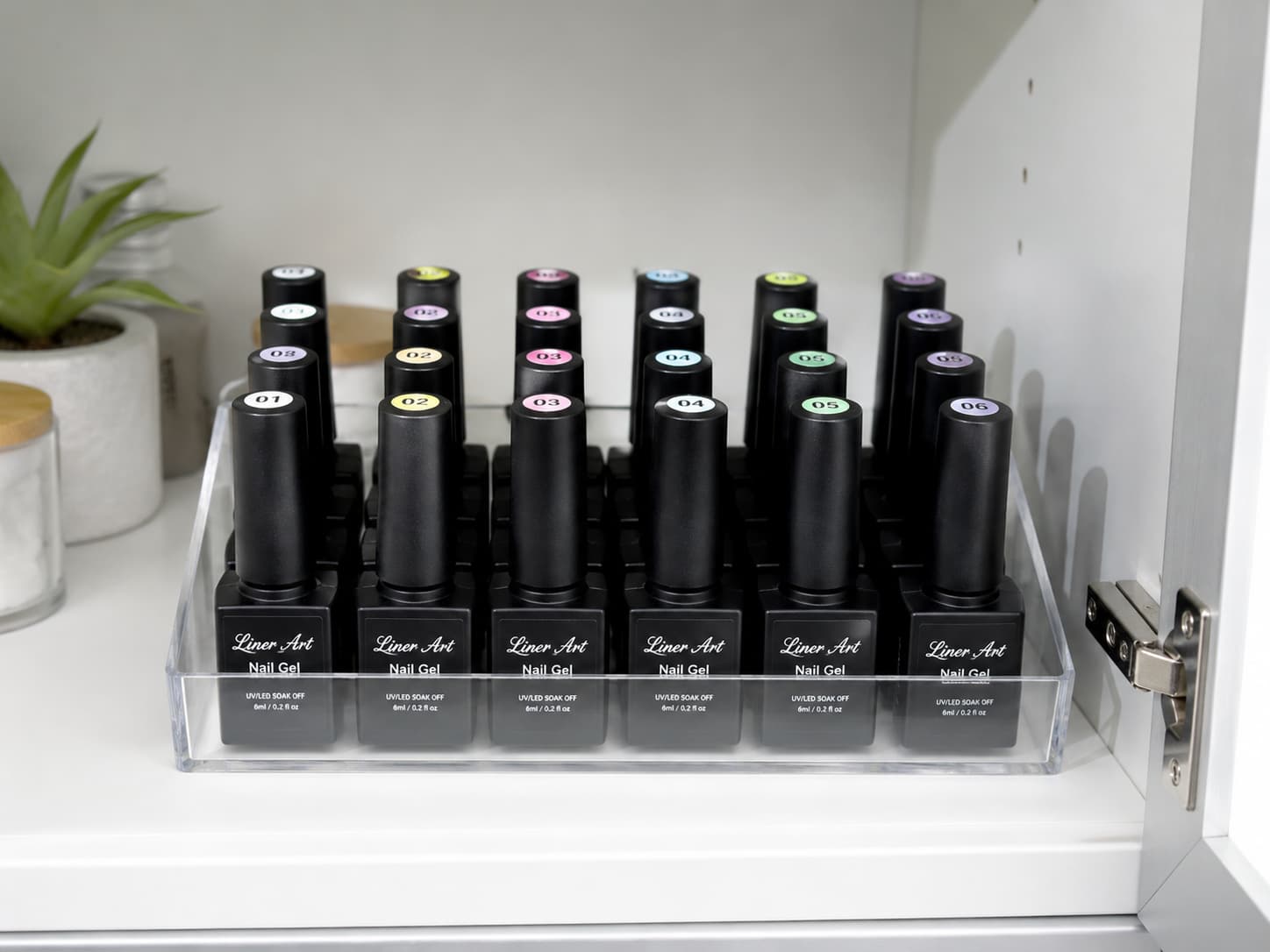
Step-by-Step Storage Guide for Nail Artists and Salons
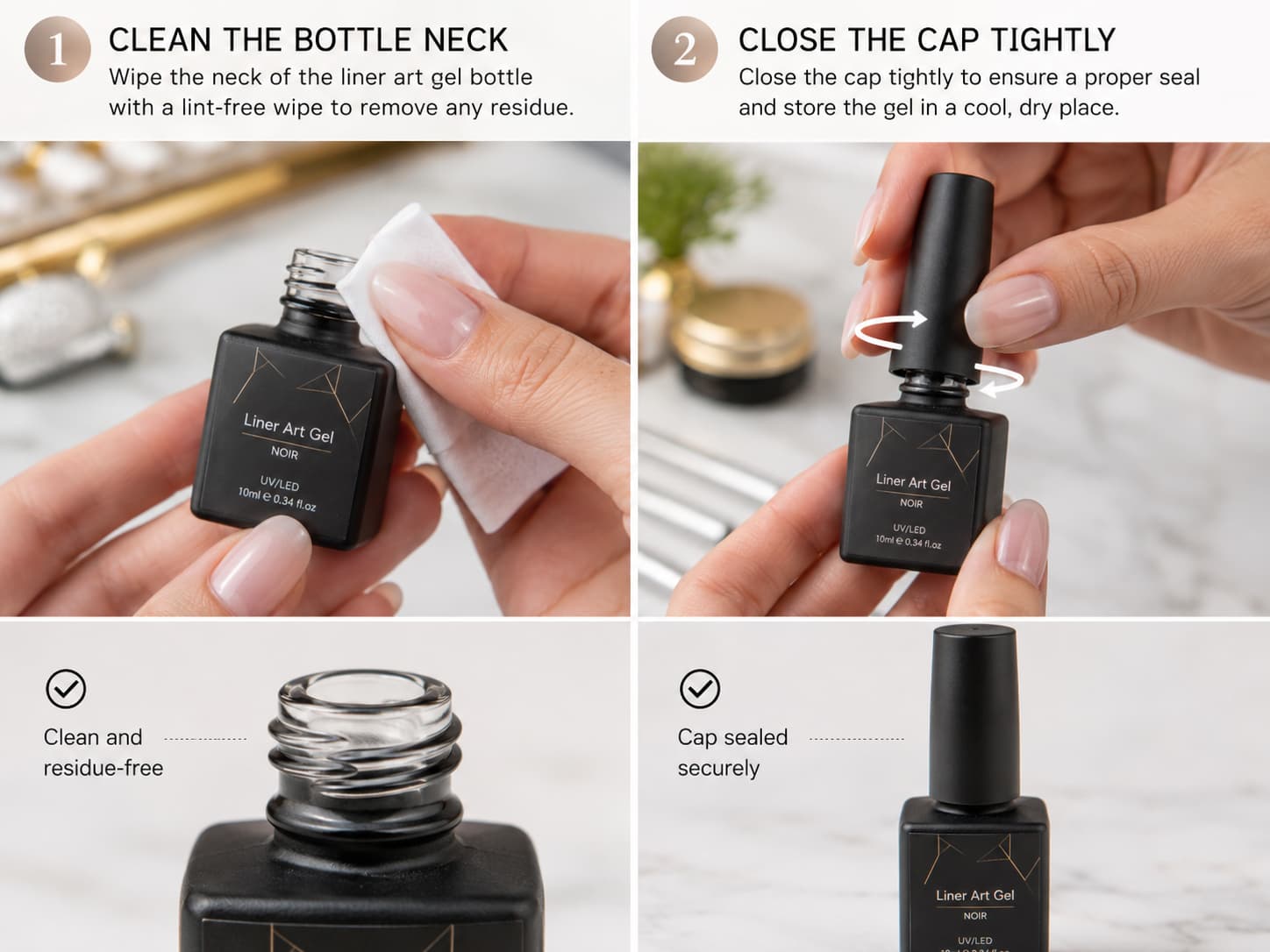
Clean the Bottle Neck After Use
Wipe away any residue before closing the cap. A clean neck seals more tightly and is the single easiest way to prevent slow air exposure between uses.
Close the Cap Tightly
A loosely closed cap is one of the fastest ways to end up with thickened, unusable gel. Make it a habit to check the seal every time, not just at the end of a shift.
Store by Color, Type, and Opening Date
Organize gels by color or category and label them with a purchase or open date. This makes it easy to check shelf life at a glance and rotate older stock before it degrades.
Use Travel Cases for Mobile Nail Artists
If you work on location, transport gels in a case that blocks light and cushions bottles, rather than leaving them loose in a bag or exposed to a car's heat.
Does Liner Art Nail Gel Expire?
Yes — liner art nail gel and other gel nail products can expire or lose performance over time, even when unopened. The exact shelf life depends on the formula, packaging, storage conditions, and supplier instructions. Always follow the manufacturer's shelf-life guidance and replace products that no longer apply or cure properly.
Common Signs of Expired or Damaged Gel
- Noticeably thick, clumpy, or stringy texture
- Visible separation that doesn't resolve after rolling the bottle
- A strange or sour smell different from when it was new
- Weak, uneven pigmentation even with proper brush technique
- Difficulty curing fully under normal lamp time, or a tacky layer that won't set
Does Polygel Expire Too?
Yes. Polygel, builder gel, liner art gel, and gel polish are different formulas and can behave differently as they age — polygel tends to stiffen or become difficult to work with, while liner gels are more likely to thicken or separate — but all of them depend on controlled storage conditions to reach their full shelf life.
When to Replace a Gel Product
Replace a gel product once it shows any of the signs above, or once it no longer cures reliably. Continuing to use an expired or degraded gel typically shows up in the finished manicure as poor adhesion, dull color, or lines that won't hold their shape.
Troubleshooting: Thick, Sticky, Separated, or Hard Gel
| Problem | Likely Cause | What to Do |
|---|---|---|
| Gel feels thick or sticky | Air exposure or a loosely closed cap | Warm the closed bottle gently between your palms; don't add solvents |
| Gel looks separated or uneven | Sitting unused for an extended period | Roll the closed bottle gently between your palms to redistribute the formula |
| Gel is clumpy or won't smooth out | Product has degraded past the point of recovery | Replace the product |
| Gel won't cure fully | Age, contamination, or exposure to heat/light before use | Check the cure time and lamp, then replace the gel if the issue persists |
| Cap is stuck or crusted | Residue left on the bottle neck before closing | Wipe the neck clean after every use going forward |
Can You Rehydrate Thick Liner Art Nail Gel?
If the gel is only slightly thick, rolling the closed bottle gently between your palms can help redistribute the formula and smooth out the texture. Don't add water, alcohol, or other solvents unless the manufacturer specifically recommends a compatible thinner — unauthorized additives can damage the formula, affect curing performance, and compromise product safety.
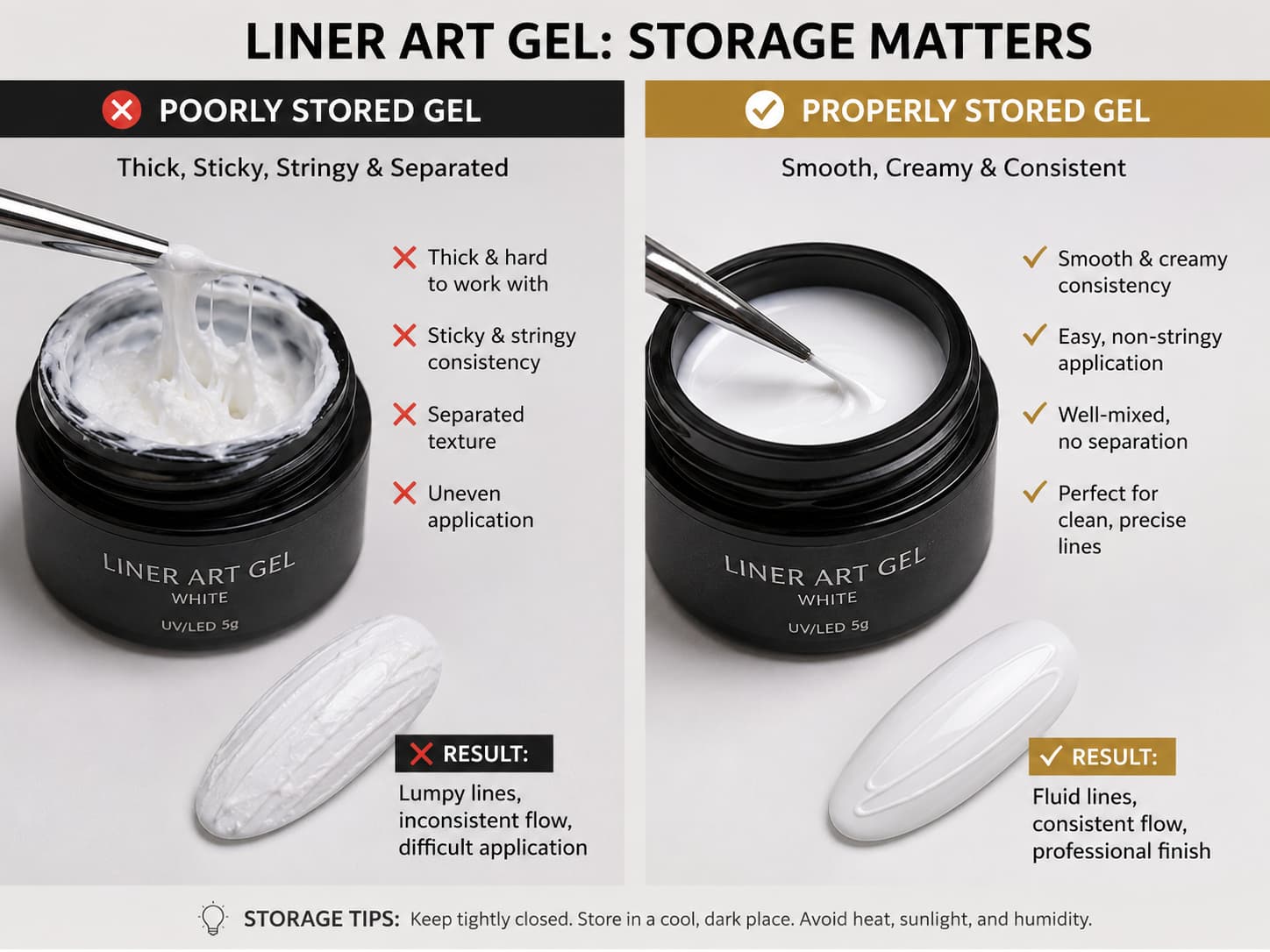
Storage Mistakes That Shorten Gel Shelf Life
- Leaving caps loosely closed or open between uses
- Storing bottles near UV/LED lamps or other heat sources
- Using dirty brushes or tools that introduce contamination
- Mixing old, degraded product with a fresh bottle
- Leaving gels in a car, near a window, or in a hot room
Poor storage often leads to application issues such as thick lines, weak pigmentation, poor curing, and unstable texture. For more application-focused troubleshooting, read our guide to common liner art nail gel mistakes.
Professional Storage Tips for Salons and Nail Brands
Inventory Rotation
Use older stock first and label open dates clearly. This is standard practice in any salon or retail operation working with light- and air-sensitive products, and it prevents product from sitting unused past its effective shelf life.
Sample Testing
For brands sourcing liner art gel at scale, testing samples from each batch before committing to bulk inventory helps confirm consistency in viscosity and pigmentation before it reaches customers.
Wholesale Storage and Shipping Checks
Distributors and private label buyers should confirm that gel products are shipped and warehoused under stable temperature conditions — extended exposure to heat during transit or storage can affect an entire batch before it ever reaches a salon shelf.
Choosing Stable Liner Art Gel Formulas
Not all liner art gels are formulated for long-term stability. A well-formulated gel holds its viscosity and pigmentation longer under normal storage conditions, which matters as much for a home nail artist as it does for a brand managing inventory at scale.
Why Nail Brands Choose Hanyinails Liner Art Gel
Beyond storage habits, product formulation itself determines how well a gel holds up over time. Hanyinails formulates liner art nail gel for stable viscosity and consistent pigmentation, so bottles perform reliably from the first use to the last — an important factor for salons and brands managing larger inventories.
For nail brands, salons, and private label buyers, Hanyinails also offers OEM/ODM development, custom color matching, and packaging customization, backed by GMPC, ISO9001, and SGS certifications. You can also learn more about the manufacturer background on the About Hanyinails page.
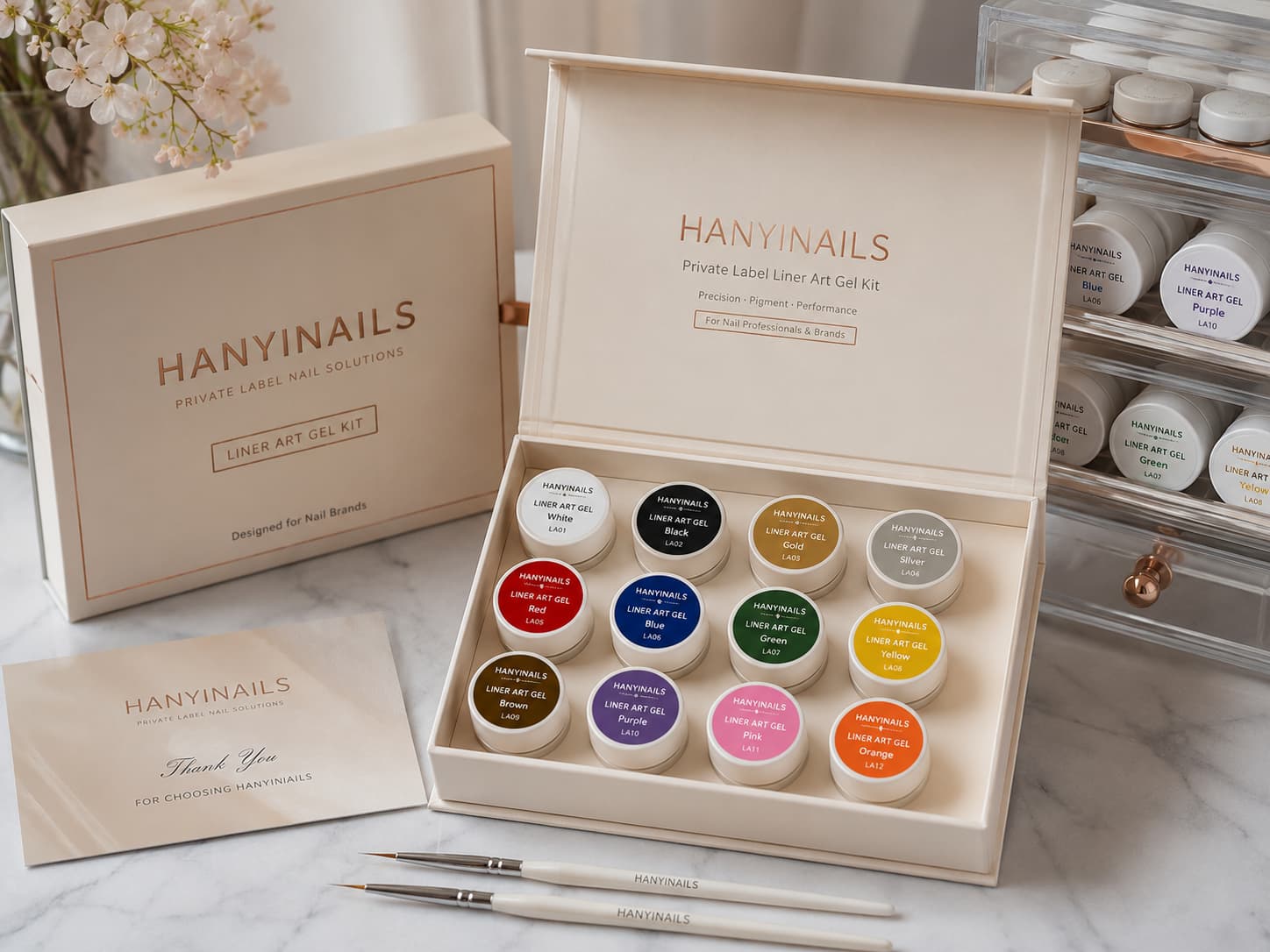
Need a reliable liner art gel supplier for your salon or brand? Whether you're an Amazon seller, Shopify store owner, chain store buyer, distributor, or nail supply retailer, explore Hanyinails' private label and OEM/ODM options or contact Hanyinails to request a quote.
FAQs About Storing Liner Art Nail Gel
Where should gel products be stored when not in use?
In a cool, dry, dark place away from direct sunlight, heat, UV/LED lamps, dust, and moisture, with caps closed tightly and bottles stored upright.
Does gel nail polish or liner art gel expire?
Yes. Gel nail products can expire or lose performance over time. The exact shelf life depends on the formula, packaging, storage conditions, and supplier instructions. Signs of expiration include thickening, separation, odd smell, and poor curing.
Does polygel expire the same way as liner gel?
Polygel and liner art gel are different formulas and tend to show aging differently — polygel often stiffens, while liner gel is more likely to thicken or separate — but both need stable, controlled storage to reach their full shelf life.
Can you rehydrate gel that has thickened?
Slightly thick gel can often be smoothed out by gently rolling the closed bottle between your palms. Avoid adding solvents unless the manufacturer specifically recommends one, as this can damage the formula.
Why does gel harden or cure inside the bottle?
This is usually caused by exposure to sunlight, heat, or proximity to a UV/LED lamp. Store gels away from all three, ideally in a drawer or opaque container.
How long does an opened bottle of liner art nail gel last?
This varies by formula and storage conditions. Properly sealed and stored liner art gel can remain usable for a long period, but users should follow the manufacturer's shelf-life guidance and label the open date to track performance.
Is it safe to store gel nail products in a hot car or near a window?
No. Heat and direct sunlight are two of the fastest ways to degrade gel texture and trigger premature curing. Always store gels away from both.
What should salons do to extend the shelf life of their gel inventory?
Rotate older stock first, label open dates, store bottles upright in a cool, dark space away from lamps, and test new batches for consistency before committing to larger orders.
Conclusion: Keep Your Liner Art Nail Gel Fresh and Long-Lasting
Storing liner art nail gel correctly comes down to a short list of habits: keep it cool, dry, and dark; seal bottles tightly after every use; store upright; and rotate stock based on open date. Get those right, and a gel product will hold its texture, pigmentation, and curing performance for as long as its formula is designed to last.
If you're a salon, distributor, or nail brand looking for a liner art gel supplier with consistent quality and OEM/ODM support, get in touch with Hanyinails to see what we can create together.
For more on getting the most out of your liner art nail gel, see our related guides: How to Create Fine Line Nail Art with Liner Art Gel and 10 Liner Art Nail Gel Mistakes and Fixes.
Create Your Own Liner Art Gel Collection with Hanyinails
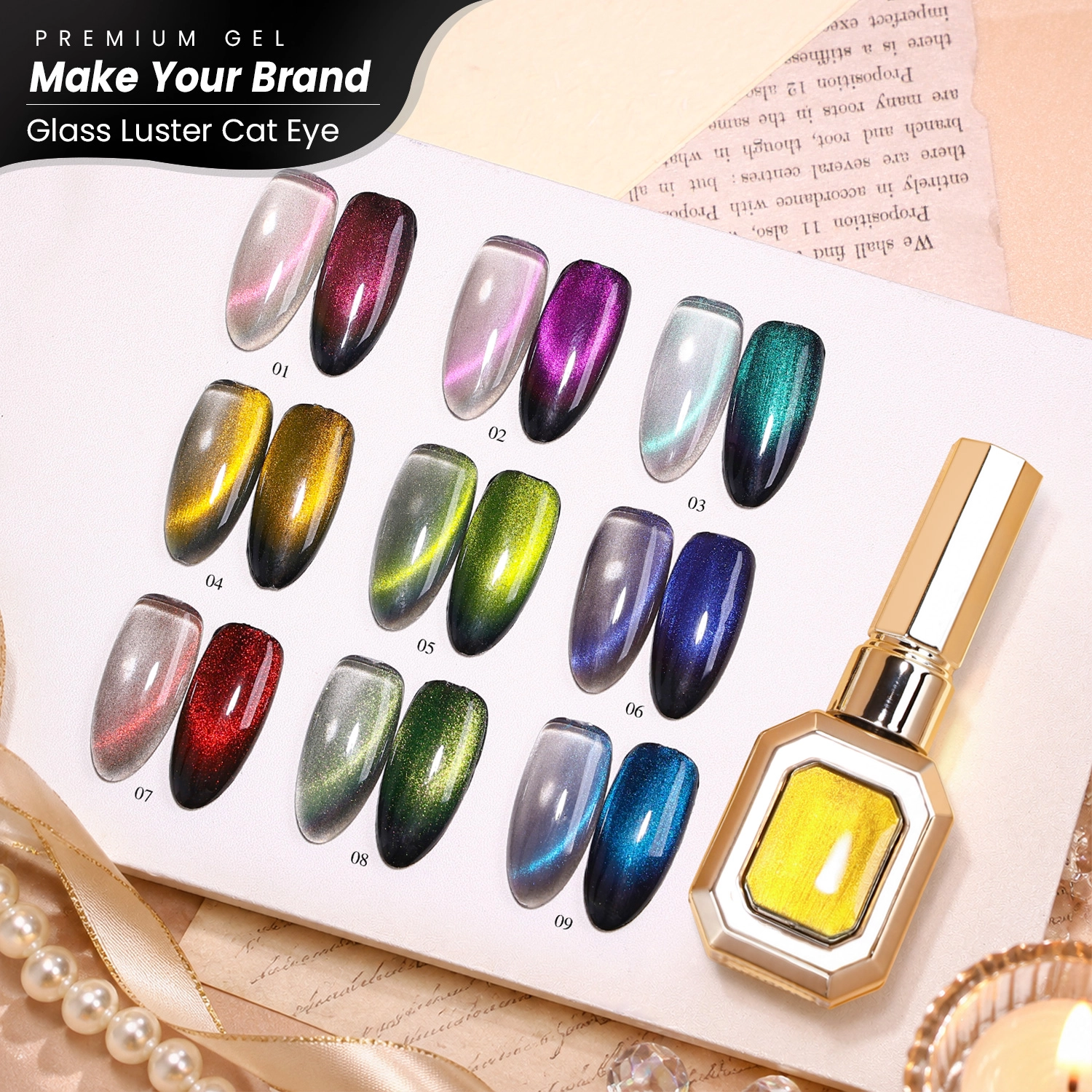
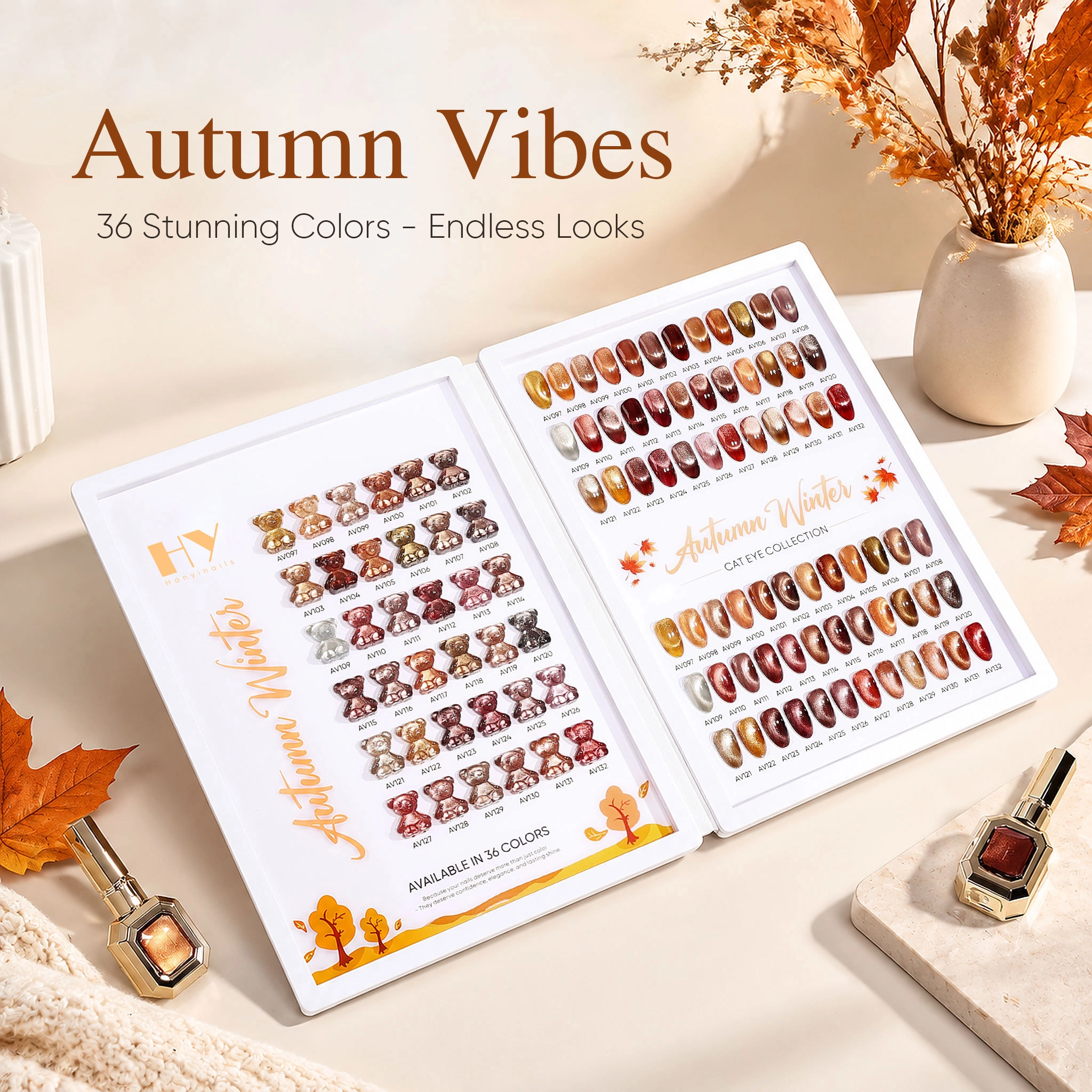
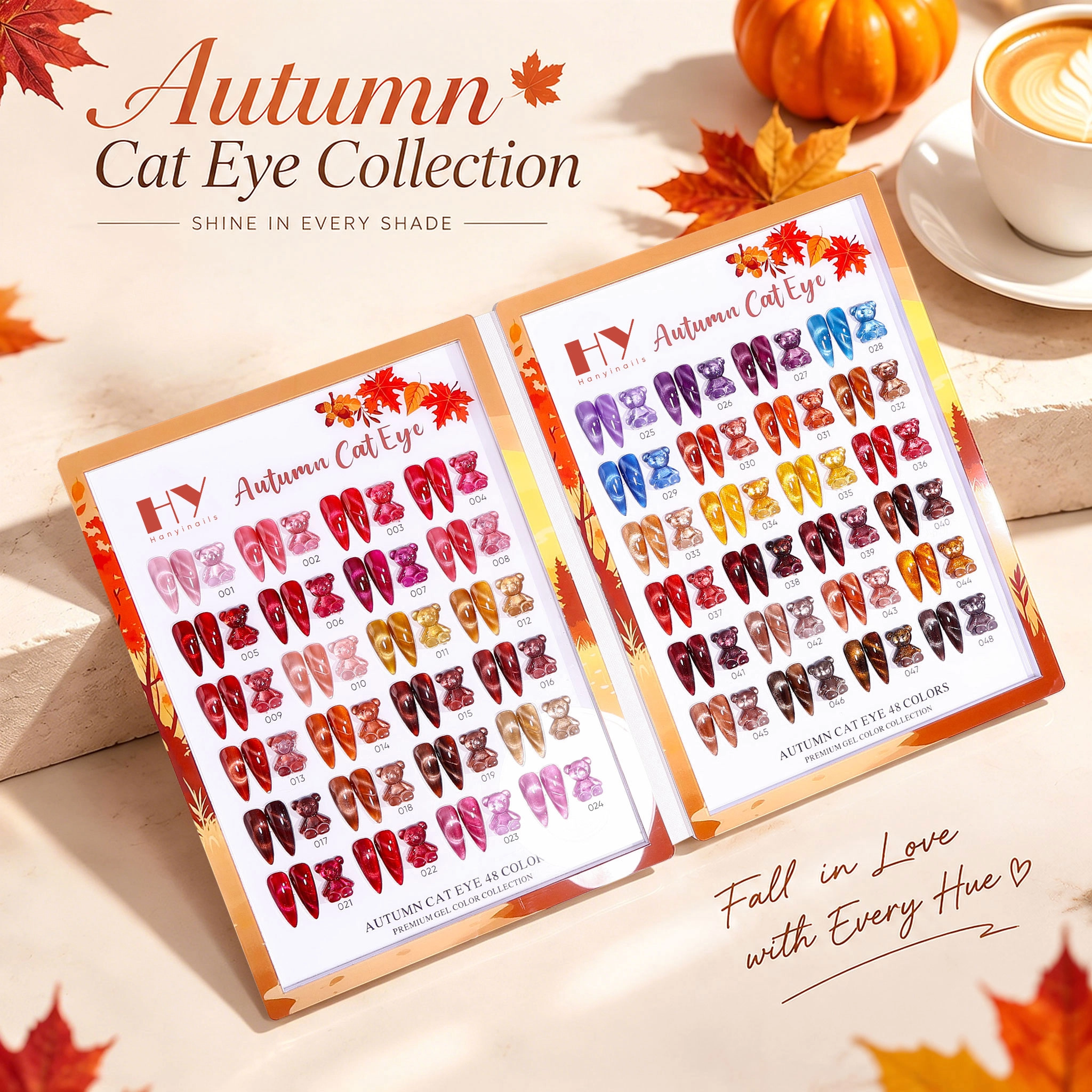
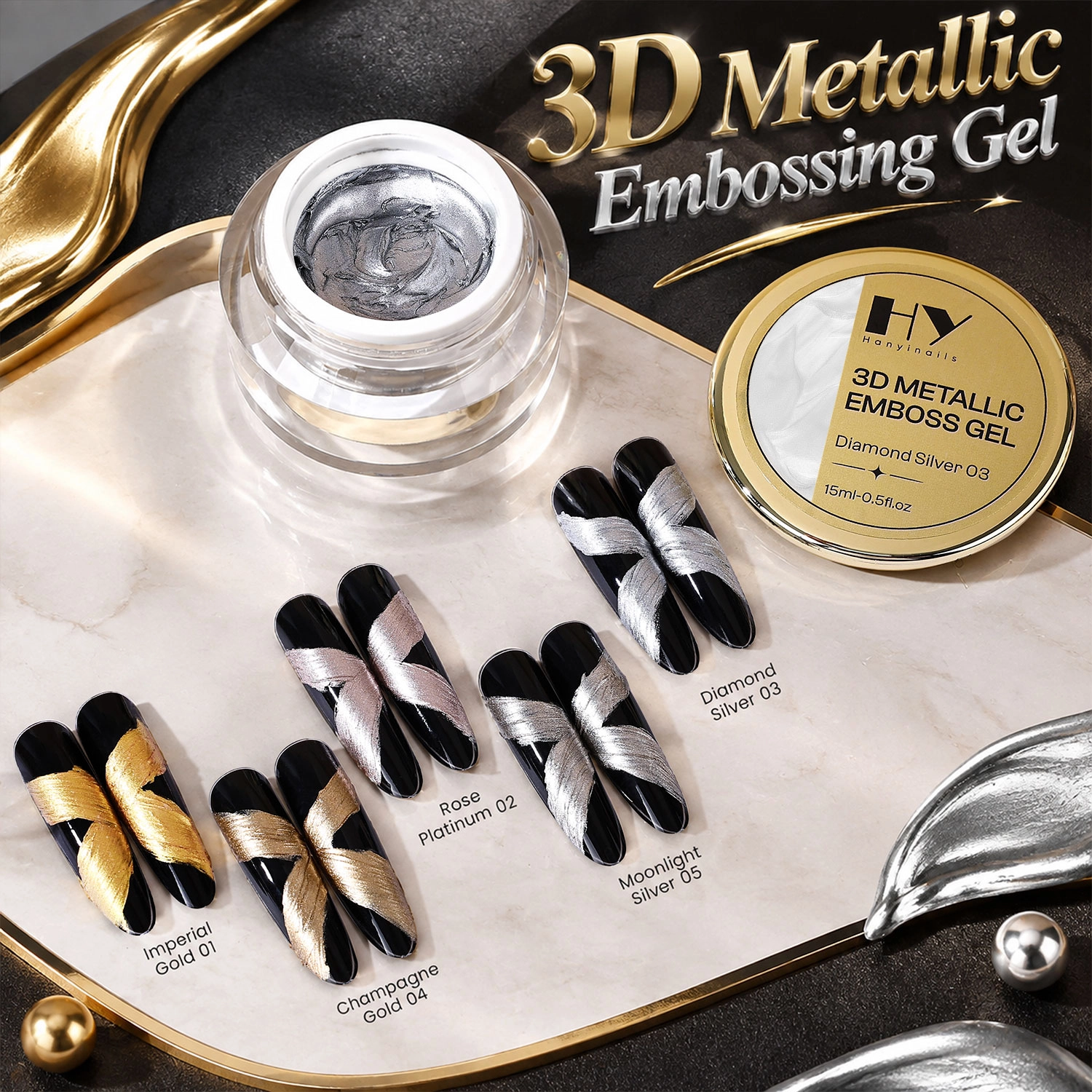
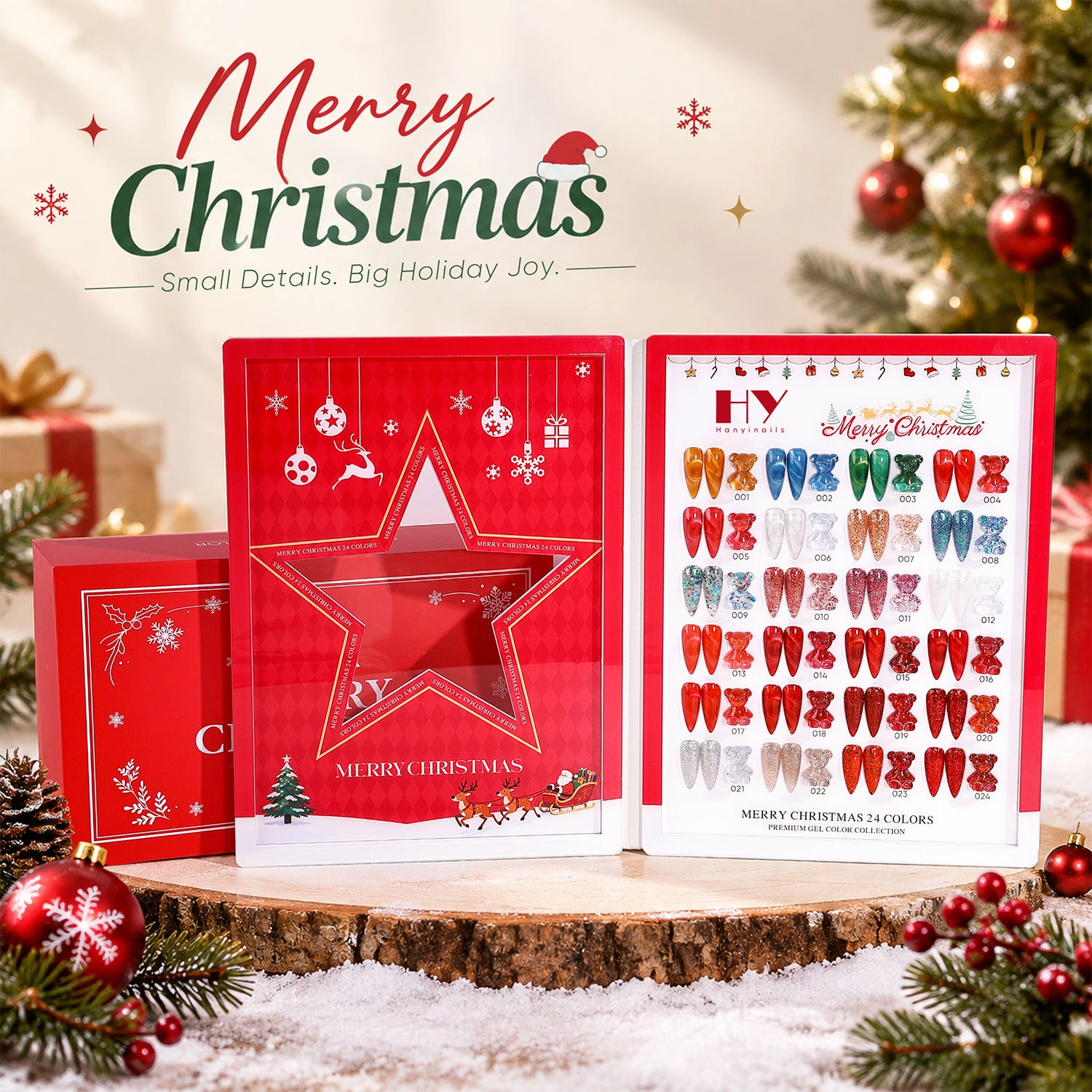
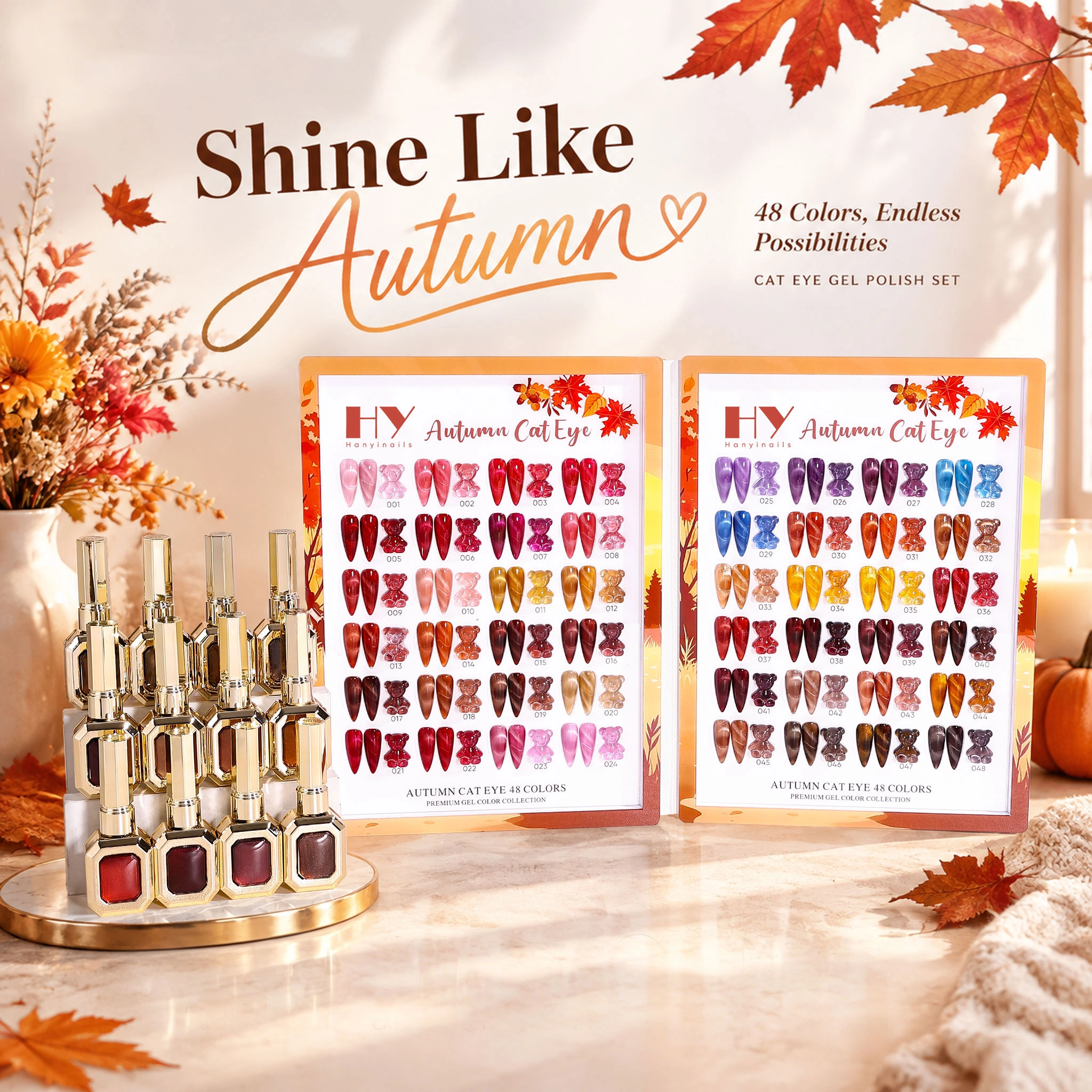
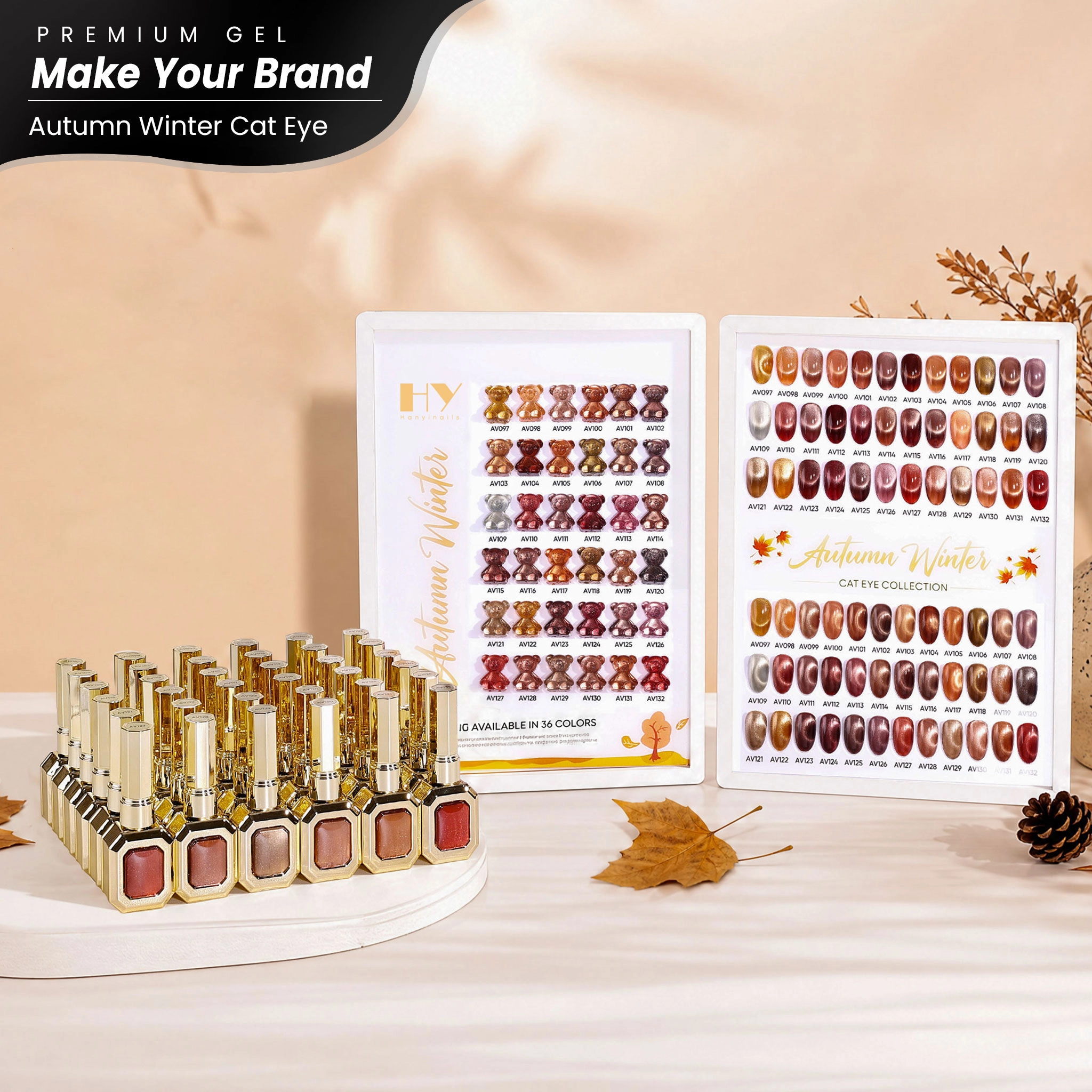
Professional storage habits help protect gel texture and pigmentation, but reliable product performance also starts with a stable formula and experienced manufacturing support. Hanyinails helps nail brands, salons, distributors, and wholesalers develop private label liner art gel collections with custom colors, packaging, and OEM/ODM production support.


Hanyinails
Hanyinails
Hanyinails
Hanyinails