

Top 5 Benefits of Using HEMA-Free Builder Gel Over Regular Gel Systems
Discover the top 5 benefits of using HEMA-Free Builder Gel by Hanyinails. Our HEMA-free builder gel offers safer, hypoallergenic, and long-lasting nail enhancements compared to regular gel systems. Perfect for sensitive skin, it ensures durable, flexible nails with gentle care.
- What Is HEMA-Free Builder Gel?
- Understanding the Role of HEMA in Traditional Gel Products
- Why "HEMA-Fre" Matters in Modern Nail Care
- Common Issues with Regular Builder Gel Systems
- Allergic Reactions and Skin Sensitivity Risks
- Long-Term Nail Damage from Harsh Formulations
- Top 5 Benefits of Using HEMA-Free Builder Gel
- 1. Hypoallergenic and Ideal for Sensitive Clients
- 2. Better Client Retention Due to Comfort and Safety
- 3. Smooth Application with Excellent Adhesion
- 4. Longer-Lasting Results Without Compromising Nail Health
- 5. Compliance with Global Cosmetic Safety Standards
- How to Choose the Right HEMA - Free Builder Gel
- Why Nail Professionals Trust Hanyinails HEMA - Free Builder Gel
- Conclusion: Ready to Switch? Try Hanyinails HEMA-Free Builder Gel Today
What Is HEMA-Free Builder Gel?
HEMA-Free Builder Gel is a professional nail enhancement product that is free of hydroxyethyl methacrylate (HEMA), a widely used monomer in most conventional nail gels. Although HEMA contributes to the promotion of adhesion, it is also among the most frequent reasons for contact dermatitis and allergic reactions among clients and nail technicians. HEMA-free formulas provide a safer and skin-friendly alternative, and they are just as strong and durable by eliminating this ingredient.
A large number of HEMA-free builder gel products in the market today are oriented to serve the demands of an increasingly large group of users who are health-conscious and value clean beauty and non-toxic formulations. These gels are usually prepared using hypoallergenic ingredients and checked to meet international safety regulations such as EU regulations. This change is not a fad but a wider change in the beauty industry to safe, inclusive, and effective nail systems.
Understanding the Role of HEMA in Traditional Gel Products
HEMA is normally applied in builder gels to enhance the bond between the gel and the natural nail plate. Although effective in this, HEMA molecules are small and easily penetrate the skin, causing irritation, burning, or allergic reactions—particularly when exposed for a long period of time.
Why "HEMA-Fre" Matters in Modern Nail Care
Salons will have to offer safer options as clients learn more about the ingredients in their products. The provision of a HEMA-free builder gel will reduce the number of complaints about redness, itchiness, or allergic reactions, and it will provide your business with the image of care and professionalism.

Common Issues with Regular Builder Gel Systems
Prior to our exploration of the advantages of HEMA-free alternatives, we should learn about the widespread issues that are related to conventional builder gels. Although the results can look good and shiny at first, inappropriate application or removal methods might lead to lifting, breakage, or thinning of the nail plate. Most common formulas include harsh chemicals, which can result in temporary pain or permanent nail destruction when not used correctly.
These problems show the increasing demand for safer, less harsh alternatives—particularly among clients with sensitive skin or existing nail issues.
Allergic Reactions and Skin Sensitivity Risks
The main problem with HEMA-based gels is that they have a high possibility of triggering allergic reactions. It may cause redness, blistering, burning, or peeling skin around the nails, and in some cases even with one use. The technicians are also at risk through repeated exposure.
Long-Term Nail Damage from Harsh Formulations
The frequent application of regular gels can affect the health of nails. Thinning nails, splitting, or greater brittleness may be caused by over-filing, exposure to aggressive chemicals, and poor aftercare; these issues can be prevented with HEMA-free builder gel.
Top 5 Benefits of Using HEMA-Free Builder Gel
Switching to the HEMA-free builder gel system has quantifiable advantages for both clients and professionals. Whether it is fewer allergic reactions or a better performance of the products, the benefits are both feasible and convincing. So what are the five best reasons why more salons are switching?
Adding a high-quality, safe, HEMA-free gel to your services will not only keep your clients healthy but also will raise the status of your brand as a company that uses high-tech products that do not harm the skin. The following are the five best advantages that all nail professionals ought to be aware of.

1. Hypoallergenic and Ideal for Sensitive Clients
HEMA-free builder gel is specially designed without the use of harsh monomers such as HEMA, which tend to cause allergic reactions. This is why it is a great option when it comes to clients who have sensitive skin, eczema, or experienced irritation due to the products. The mild formulation reduces the chances of redness, itching, or burning in the cuticle region, which are the common effects of conventional gels. It is always a good idea to provide a hypoallergenic alternative, whether to a first-time client or a long-term user with known sensitivities. Not only does this assist in safeguarding the health of your clients, but it also makes your salon one of those that are concerned with safety and skin-friendly products.
2. Better Client Retention Due to Comfort and Safety
Among the most underestimated but influential advantages of HEMA-free builder gel is the fact that it improves client retention. When customers feel comfortable during and after applying—no stinging feeling, no flare-ups—they will be much more willing to come back. Regular application of a builder gel that does not affect the health of the skin creates long-term credibility. In a competitive market, customers will remain loyal to salons that apply non-toxic and high-quality products. With HEMA-free gel, you minimize cancellations caused by allergic reactions and stimulate positive word-of-mouth marketing by happy, repeat clients.
3. Smooth Application with Excellent Adhesion
The fear of many professionals is that the elimination of HEMA can lower the performance, but the myth is shattered by high-quality HEMA-free builder gels, like the ones provided by Hanyinails. These gels have high self-leveling characteristics, smooth viscosity, and consistent adhesion to the natural nail plate. Technicians enjoy simpler sculpting and reduced time of application without having to prime aggressively. This productivity saves time as well as product waste and rework. The result? Less mess, less lifting, and fewer client complaints—a win-win situation all around for busy salons and independent professionals.
4. Longer-Lasting Results Without Compromising Nail Health
Any nail enhancement product must be durable, and HEMA-free builder gels do not fail in this aspect. These gels are long-wearing and do not chip or lift easily and are sometimes as strong as traditional systems. The difference is, however, that they are non-invasive, and they do not weaken the nail bed but instead strengthen and support the growth of nails. HEMA-free gels cause less long-term damage, even when used repeatedly, because they are free of aggressive bonding agents. This will guarantee that your clients have beautiful nails that last and still have the natural health of their nails, which will enhance their satisfaction and confidence in your services.
5. Compliance with Global Cosmetic Safety Standards
HEMA-free builder gels are usually prepared under the strict global cosmetic regulations, e.g., Cosmetic Products Regulation (EC) No 1223/2009 of the European Union and the U.S. FDA. In the case of salons and brands with international operations, there is a lower chance of legal problems, importation bans, or customer complaints when using compliant products. In addition, the provision of safe and certified products shows that you are concerned about quality and transparency. To OEM purchasers or brands that are seeking international distribution, the assurance of manufacturers such as Hanyinails that their HEMA-free formulas are ISO9001, CE, and FDA certified gives them comfort and credibility in the market.
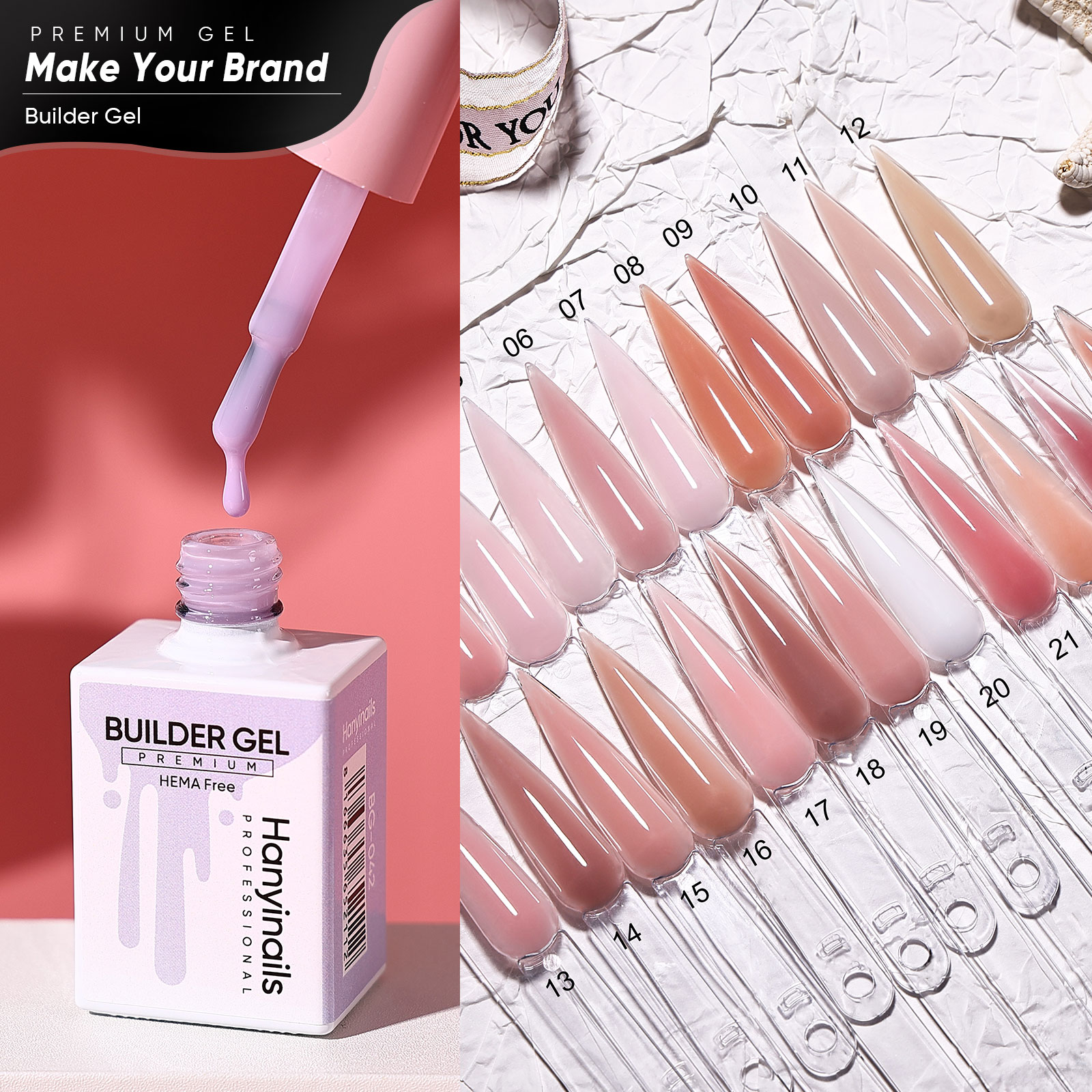
How to Choose the Right HEMA - Free Builder Gel
Not every HEMA-free builder gel is the same. Others may include comparable sensitizing monomers, and others may compromise performance in favor of safety. When selecting a high-quality formula, it is important to know the ingredients and the standards of the manufacturing of the product.
Choosing a product to use in your salon or brand, you should pay attention to the builder gels, which are dermatologist-tested, ISO-certified, and have been tested to work in the real-life salon environment. You can also look at OEM builder gel manufacturers that are completely transparent in their formulations and testing procedures, such as Hanyinails, who are renowned for being committed to clean beauty and safety.
Why Nail Professionals Trust Hanyinails HEMA - Free Builder Gel
Hanyinails is a reputable OEM builder gel manufacturer that has more than 12 years of experience in the industry and thus provides one of the most reliable HEMA-free builder gel products on the market. They have international certifications like CE, FDA, ISO9001, and IATF to support their formulas, and they are produced in a new 8,000㎡ plant with 10 automated production lines and 60+ precision machines.
The distinguishing feature of Hanyinails is R&D and customization: the company has more than 6,000 gel color options and introduces 60-100 new shades each week. As a salon, wholesaler, or nail brand seeking to provide private label services, Hanyinails offers high-performance, non-toxic, vegan, and cruelty-free nail builder products to match the global standards.
Conclusion: Ready to Switch? Try Hanyinails HEMA-Free Builder Gel Today
Not only will the switch to HEMA-free builder gel be a safer option for your clients, but it will also be a wise decision for your business. Such advantages as fewer allergic reactions, easy application, and durability of wear make it obvious why nail specialists all over the world are switching.
Hanyinails is a full-service solution, including safe and hypoallergenic formulas, private label services, and international shipping. Want to take your nail services to the next level with a professional-level, HEMA-free builder gel?
Contact Hanyinails today and begin your journey to healthier, more beautiful nails without compromise.
Boosting Salon Revenue: Why Chrome Nail Polish is a High-Margin Service in 2026
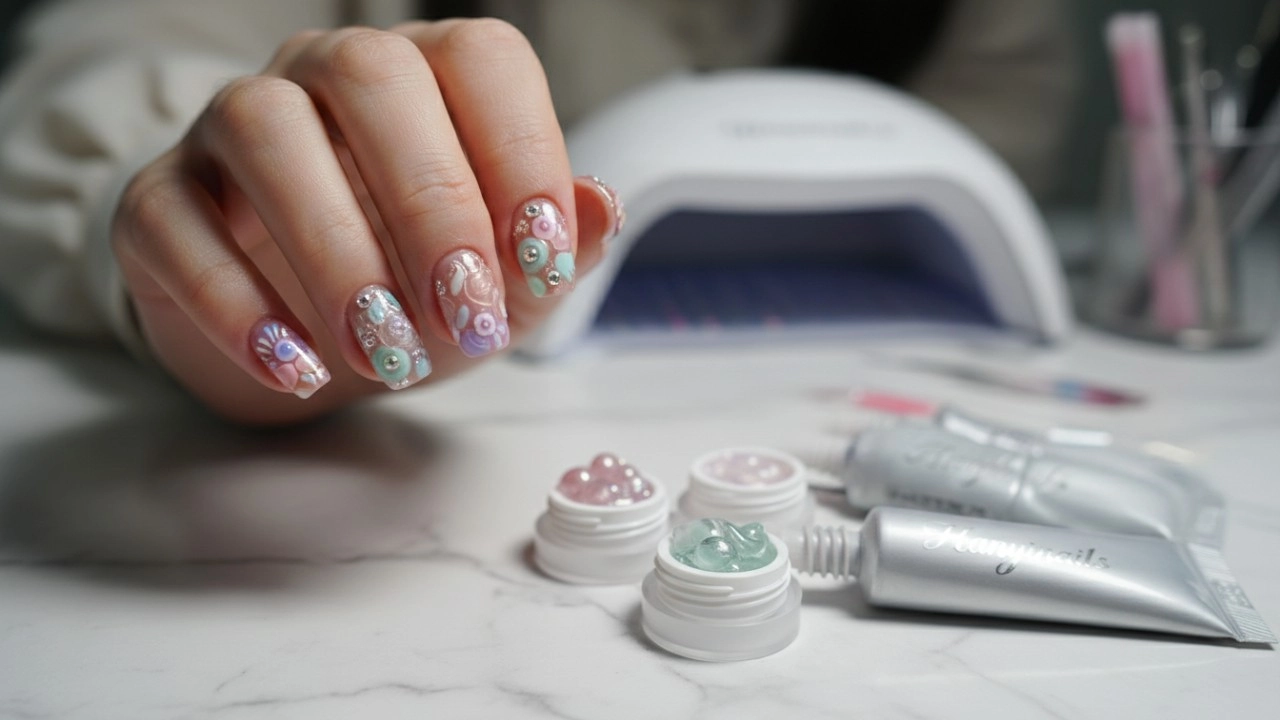
Sourcing Premium 3D Nail Gel: A Buyer's Guide for Professional Salons and Distributors 2026
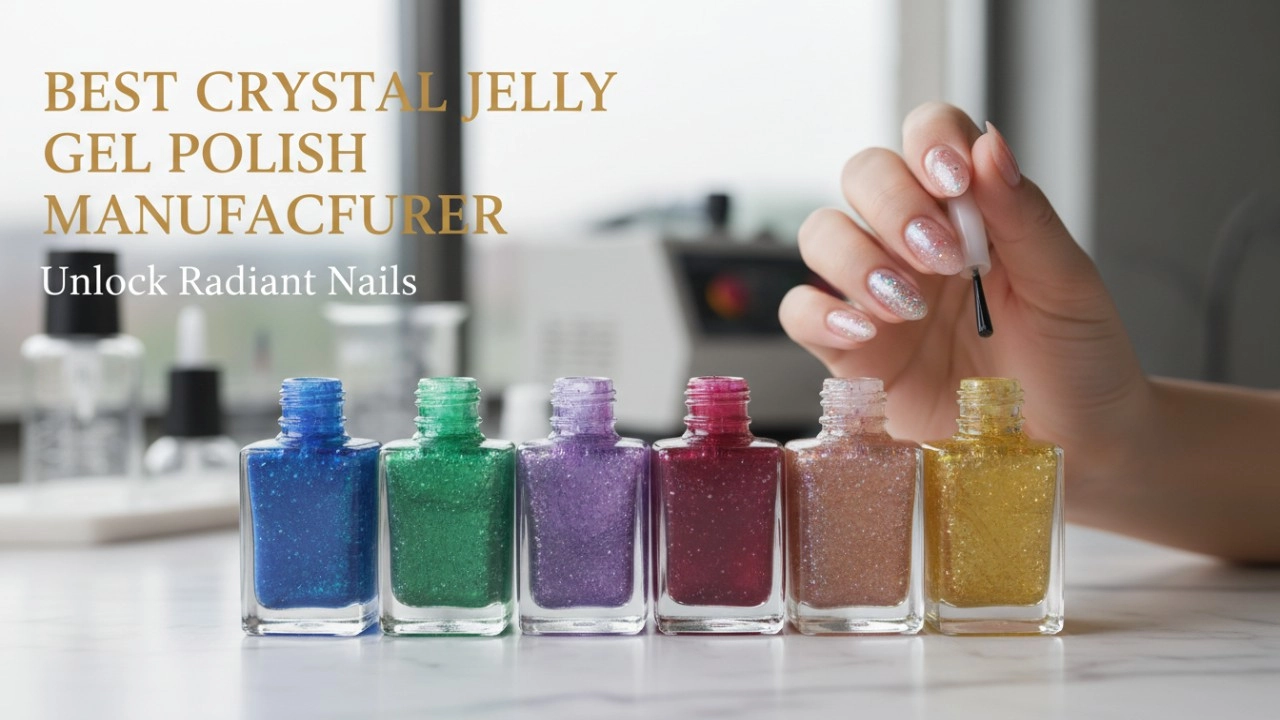
10 Best Crystal Jelly Gel Polish Manufacturers for Professional Nail Brands [2026 Edition]
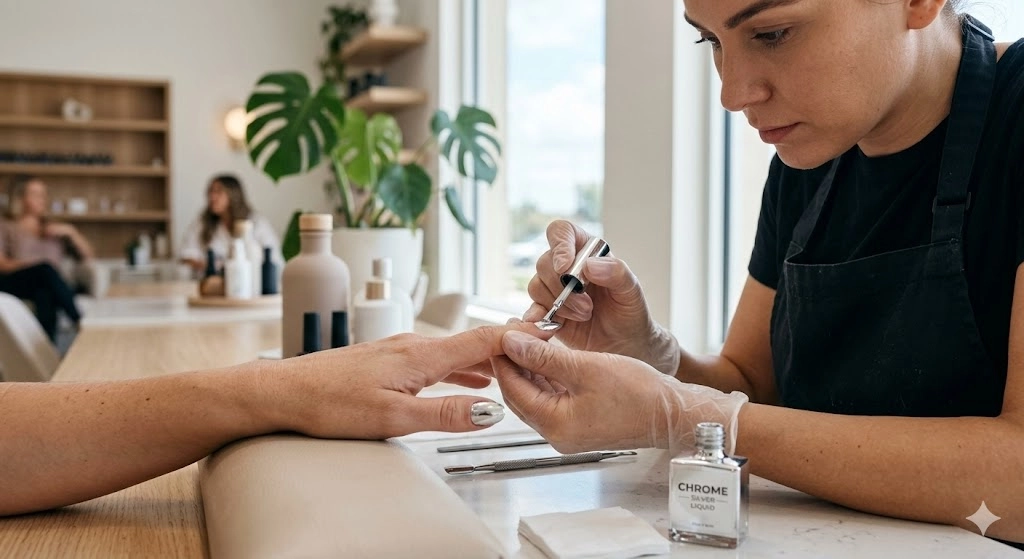
Bulk Buying Guide: Wholesale Chrome Nail Polish for Salons and Distributors
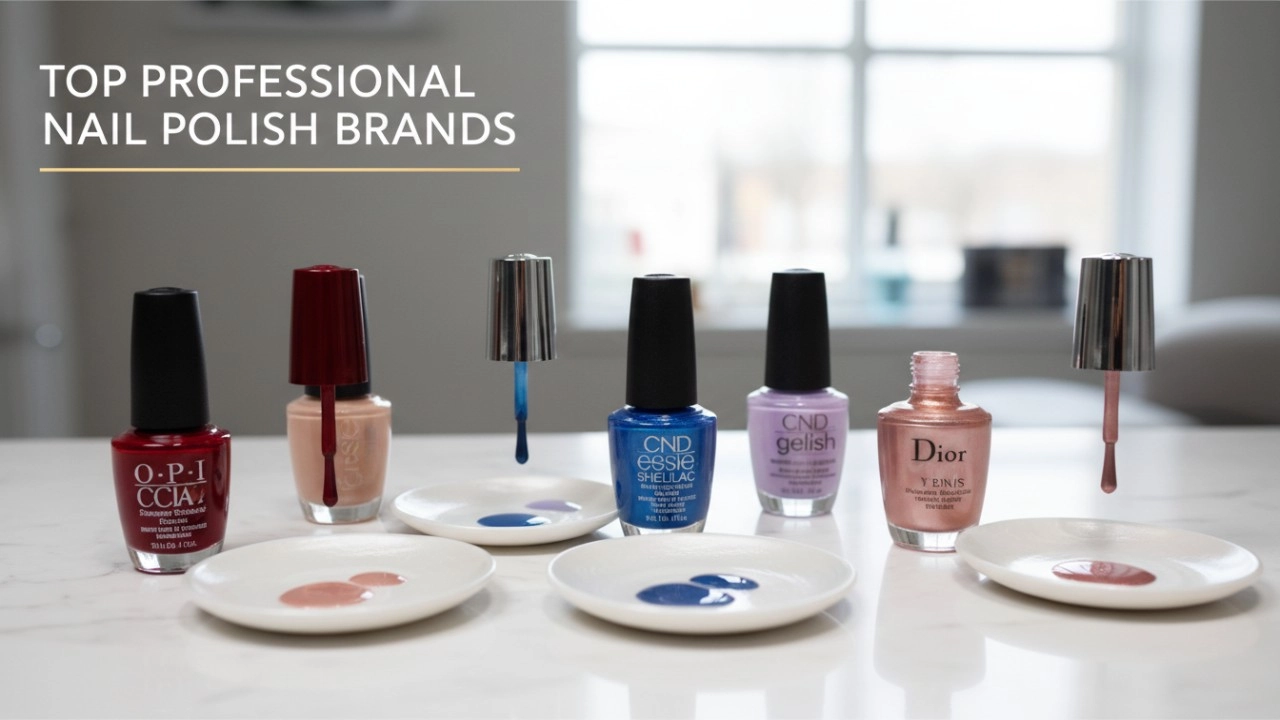
Top 10 Professional Nail Polish Brands for Beginners: Launching Your Own Salon-Quality Line in 2026
FAQ
Can I customize the formula and colors?
Absolutely! We offer full customization, including formula, color shades, textures, and finishes to match your brand’s vision.
HEMA-Free Gel Polish
Can I mix HEMA and HEMA-free products?
We don’t recommend it. Cross-contamination may:
Trigger allergies
Reduce HEMA-free benefits
Stick to one system per service.
For After-sales
What can I do if the gel nail polish colors don't match what l purchased?
If you think you have received the wrong set you ordered, please contact our customer support team and we will get back to yousoon.lf it is the corect product but you are unsatisfied with the color match, we work very hard to closely match each color to adigital replication for our image. lt is impossible to match an exact color with any digitalrepresentation of a physical product;however, we have worked closely on each set making sure that each color is as close as it can be to the color in the bottle.lfyou arestill unsatisfied, please contact us. We are here to help and make it right in any way!
For Products
Are your products cruelty free?
Absolutely, we love our fur babies! All of our products are cruelty-free! Beauty without cruelty is something we strongly believe in and the only guinea pigs we test on is our willing team of Hanyi staff!
TPO -Free Gel Polish
Why choose TPO-free gel polish?
Benefits:
Reduced allergy risk – Ideal for sensitive skin
Less yellowing over time vs. TPO-based gels
Safer for nail techs – Lower fumes during curing
Recommended for You
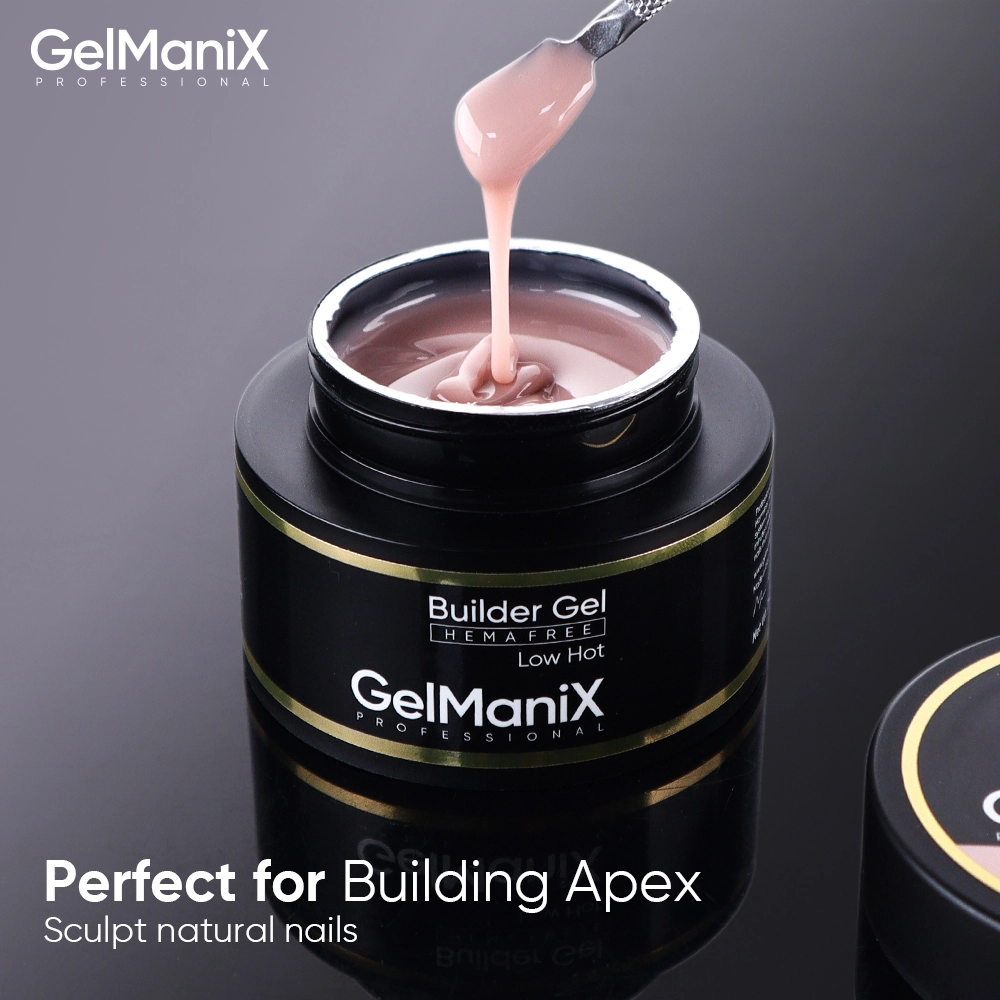
Key Features & Benefits
🔹 Large 2OZ Volume (56g)
Designed for salon use and professional nail technicians. More economical for bulk clients.
🔹 HEMA-Free & No-Heat Formula
Reduces allergic reactions and burning sensations. Safe for sensitive clients and compliant with EU/US regulations.
🔹 Hybrid Hard Gel Structure
Combines strength and flexibility—excellent for overlays, tips, sculpting, and strong base support.
🔹 Smooth & Self-Leveling Texture
Easy to apply, beginner-friendly, minimal filing required.
🔹 OEM/ODM Support
We provide full private label solutions: jar design, logo printing, and custom color & formula options.
🔹 UV/LED Curing Compatible
Cures in 60–90 seconds under standard UV/LED nail lamps.
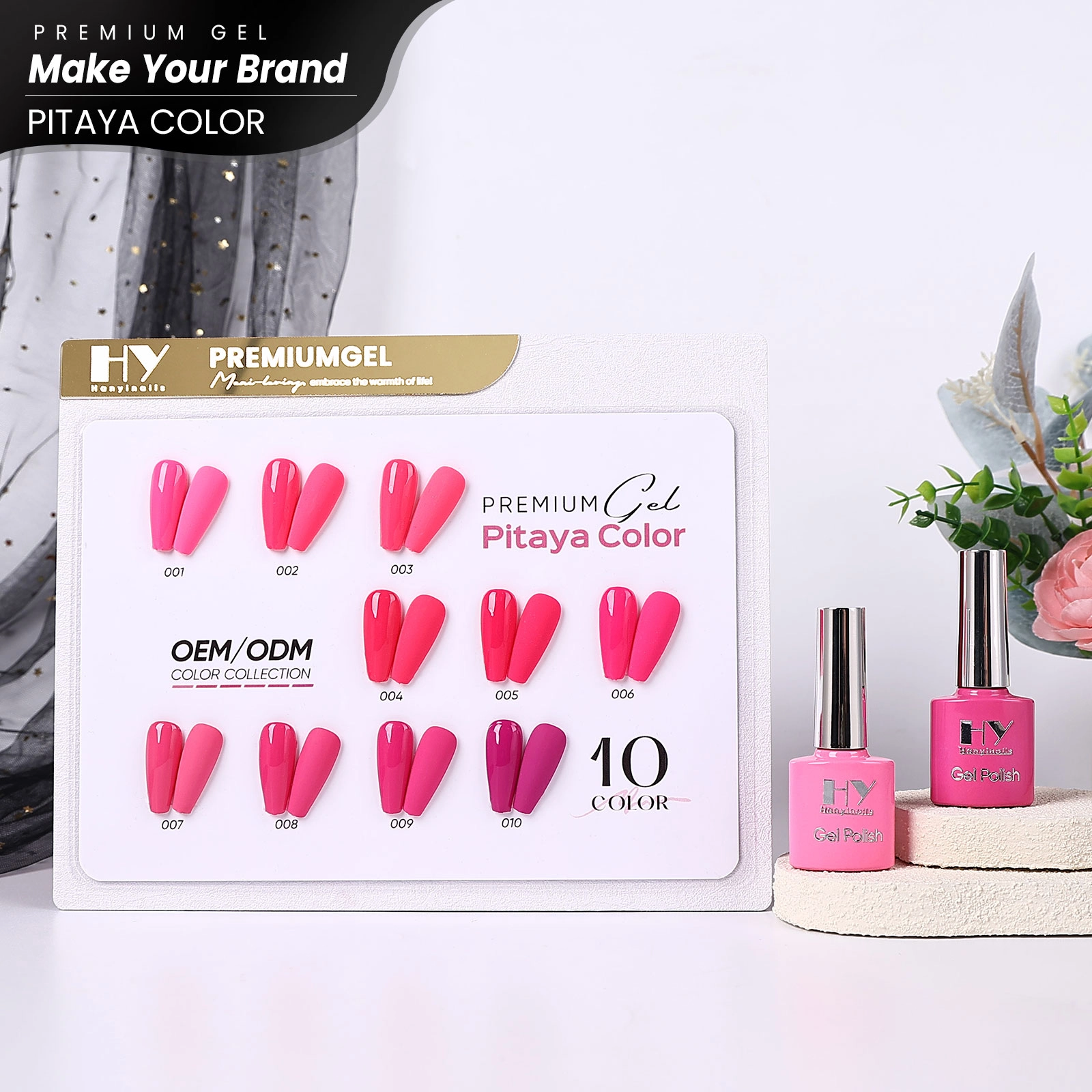
🔑 Key Features:
-
🌸 Vibrant Pitaya Pink Color—Trendy and bold, perfect for all skin tones and seasons.
-
💅 Long-Lasting Formula—Stays chip-free for up to 21 days with proper application.
-
✨ High Gloss Finish—Provides a salon-quality shine that won't dull.
-
🌿 Eco-Friendly & Cruelty-Free – Made with non-toxic ingredients, gentle on nails.
-
🛠️ OEM/ODM Support—Customize color, packaging, logo, bottle shape, and more.
-
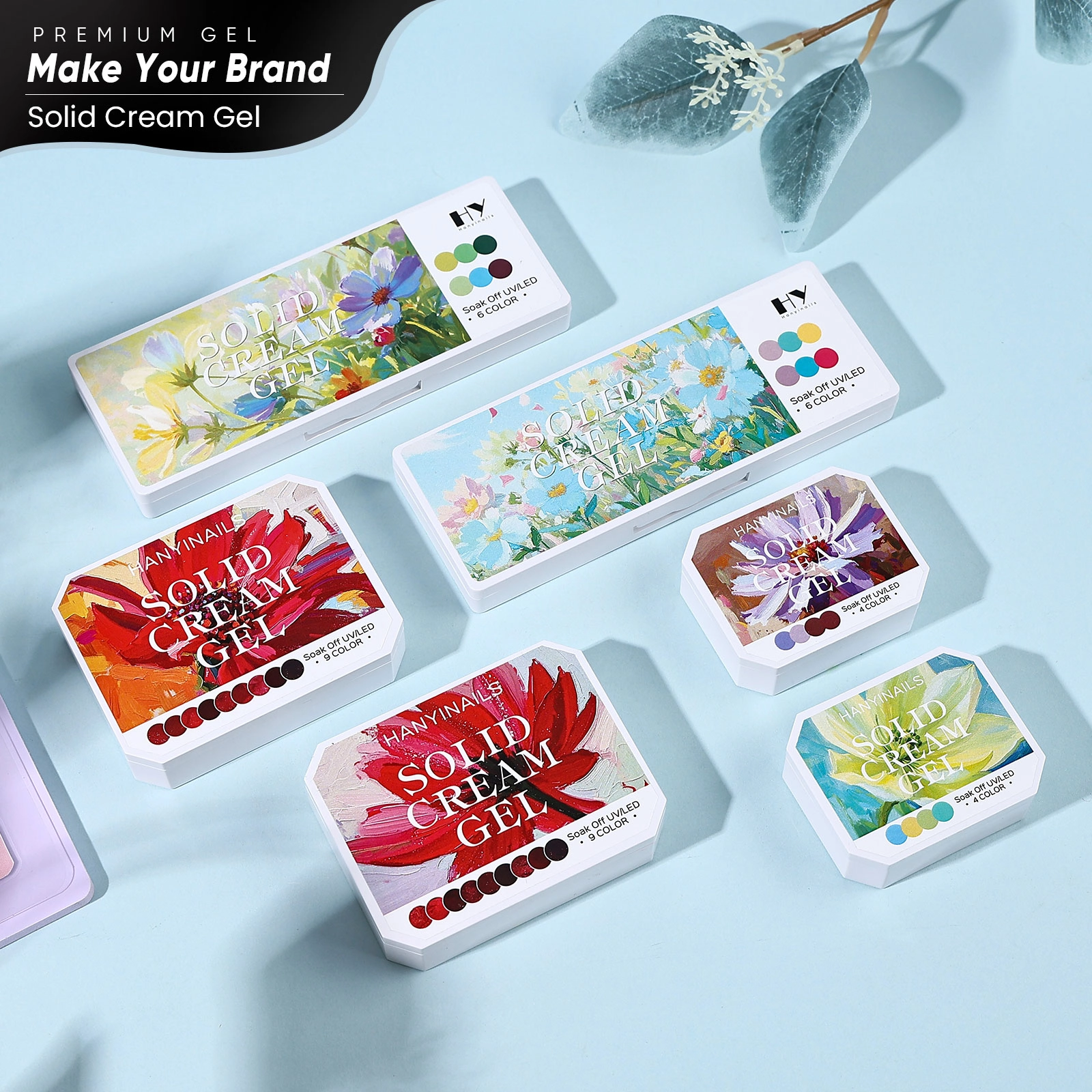
✨ Key Features:
✔ 100% HEMA-Free Formula—Gentle on nails and skin, ideal for sensitive users and allergy-prone customers.
✔ Vegan & Organic—Cruelty-free, eco-conscious, and skin-friendly.
✔ Vibrant Colors & Pigmentation—Rich, full-coverage colors with intense pigment that require only a thin layer for bold results.
✔ Quick & Easy Application—Smooth consistency that applies evenly for professional-looking results at home or in the salon.
✔ Safe for Sensitive Skin—Formulated without harmful chemicals and safe for most nail types, including sensitive skin.
✔ OEM/ODM Support—From formula tweaks to bulk orders, we bring your brand to life.
Ideal for salons, indie brands, and retailers who value safety, sustainability, and standout style.
"Get vibrant, long-lasting color—unlock creativity with Pat Pat Gel ."
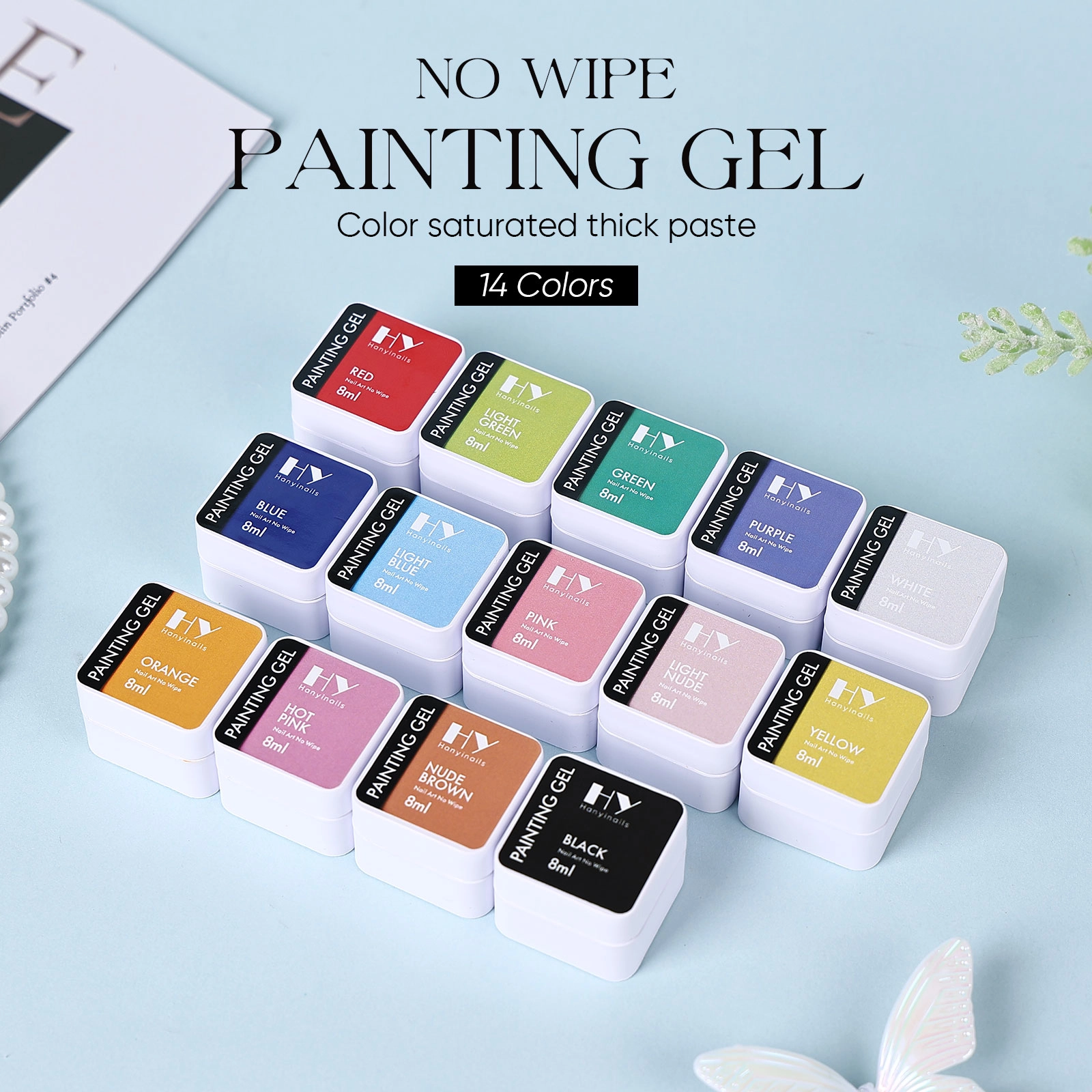
✨ Key Features:
✔ 100% HEMA-Free Formula—Gentle on nails and skin, ideal for sensitive users and allergy-prone customers.
✔ Vegan & Organic—Cruelty-free, eco-conscious, and skin-friendly.
✔ No-Wipe Formula—The finish leaves no sticky layer, eliminating the need for additional top coats or wipe-off solutions.
✔ Vibrant Colors & Pigmentation—Rich, full-coverage colors with intense pigment that require only a thin layer for bold results.
✔ Quick & Easy Application—Smooth consistency that applies evenly for professional-looking results at home or in the salon.
✔ Quick & Easy Application—Smooth consistency that applies evenly for professional-looking results at home or in the salon.
✔ Safe for Sensitive Skin—Formulated without harmful chemicals and safe for most nail types, including sensitive skin.
✔ OEM/ODM Support—From formula tweaks to bulk orders, we bring your brand to life.
Ideal for salons, indie brands, and retailers who value safety, sustainability, and standout style.
"Get vibrant, long-lasting color—unlock creativity with Paint Gel."
Looking for a creative, premium, and reliable nail product manufacturer?
Whether you're an Amazon seller, Shopify store owner, chain store buyer, brand owner, distributor, wholesaler, or nail supply retailer — Hanyinails is your trusted partner for custom and wholesale nail solutions.
Hanyinails
Hanyinails
Hanyinails
Hanyinails