
OEM vs. ODM Nail Polish Manufacturers: Which to Pick?
- OEM vs. ODM Nail Polish Manufacturers: Which to Pick?
- Understand the choice between OEM and ODM when working with nail polish manufacturers
- What is OEM with respect to nail polish manufacturers?
- What is ODM for nail polish manufacturers?
- Key differences and when to choose which type of nail polish manufacturers
- Real-World OEM vs ODM Scenarios in Nail Polish Manufacturing
- Side-by-side comparison of OEM vs ODM nail polish manufacturers
- Costs, MOQ, and lead time specifics for nail polish manufacturers
- Quality, safety, and regulatory compliance with nail polish manufacturers
- Common Risks When Working with Nail Polish Manufacturers—and How to Avoid Them
- Packaging and branding choices when dealing with nail polish manufacturers
- Practical checklist: Questions to ask potential nail polish manufacturers
- Comparing manufacturing partners: metrics to measure
- Why Hanyinails is a strong choice among nail polish manufacturers
- Hanyinails manufacturing and customization strengths
- Main product categories and core competencies
- How Hanyinails supports OEM and ODM brands
- How to start: practical steps to working with nail polish manufacturers
- Step-by-step process for OEM or ODM projects
- Frequently Asked Questions About OEM and ODM Nail Polish Manufacturers
- Q1: How do I know whether I should choose OEM or ODM nail polish manufacturers?
- Q2: Are OEM nail polish manufacturers responsible for regulatory approval?
- Q3: Can ODM nail polish manufacturers modify formulas for private labels?
- Q4: What documents should professional nail polish manufacturers provide?
- Q5: Is OEM or ODM better for salon-focused nail gel brands?
- Q6: How do nail polish manufacturers protect intellectual property?
- Contact and next steps
- Ready to compare OEM and ODM options with a qualified manufacturer?
- References and sources
OEM vs. ODM Nail Polish Manufacturers: Which to Pick?
Understand the choice between OEM and ODM when working with nail polish manufacturers
When launching or expanding a nail polish or nail gel line, choosing the right manufacturing model is one of the most important business decisions you will make. The terms OEM and ODM get used a lot by nail polish manufacturers, but they mean different levels of involvement, cost, time-to-market, and control. This article helps brand owners, salon chains, and private-label buyers understand the practical differences, evaluate trade-offs, and choose the right path for their business.
What is OEM with respect to nail polish manufacturers?
OEM stands for Original Equipment Manufacturer. In cosmetics and nail products, OEM manufacturers produce formulations and products to your exact specifications. You supply the formula or request a specific product profile, select packaging, and the factory manufactures under Hanyinails name. Choosing OEM means high control over formulation, ingredients, performance parameters, and long-term product identity, with the brand typically assuming greater responsibility for regulatory readiness and IP protection. It is ideal for brands that already have product specs or want exclusive formulations and strict brand identity.
What is ODM for nail polish manufacturers?
ODM stands for Original Design Manufacturer. ODM nail polish manufacturers offer ready-made product formulas, packaging designs, or full concepts that you can brand as your own. This model is faster and often cheaper because the factory has pre-developed formulas and packaging options. ODM is suitable for brands prioritizing speed, lower development costs, and less R&D investment. The trade-off is reduced formulation exclusivity unless private modifications, ingredient locks, or territory-based exclusivity are contractually negotiated.
Key differences and when to choose which type of nail polish manufacturers
Deciding between OEM and ODM depends on priorities: brand uniqueness, budget, regulatory responsibility, and time-to-market. If you need a fully unique formulation, strict ingredient control, or proprietary technology like a specific gel builder base, OEM is usually the way to go. If you want to test a market quickly with popular finishes or established gel formulas, an ODM route reduces development time and cost.
Real-World OEM vs ODM Scenarios in Nail Polish Manufacturing
In real manufacturing practice, the choice between OEM and ODM nail polish manufacturers is rarely theoretical. It often reflects a brand’s operational maturity, regulatory readiness, and tolerance for development risk.
For example, brands entering regulated markets such as the EU or North America often underestimate the time required for stability testing, ingredient compliance reviews, and documentation alignment. In these cases, ODM nail polish manufacturers provide a lower-risk entry point by offering pre-validated formulas with existing compliance data.
Conversely, established brands seeking differentiation—such as proprietary builder gel textures, custom brush performance, or specific curing behaviors—typically outgrow ODM models. OEM nail polish manufacturers become essential when brands need exclusive formulations, controlled raw materials, and long-term IP ownership.
Understanding these real-world constraints helps buyers avoid costly reformulations, delayed launches, and rejected shipments.
Side-by-side comparison of OEM vs ODM nail polish manufacturers
The table below summarizes the typical differences brands encounter when working with nail polish manufacturers. Numbers such as MOQ and lead times are typical ranges and vary by factory and region.
| Factor | OEM | ODM |
|---|---|---|
| Design and Formulation Control | Full control; brand supplies or co-develops formulas | Limited to factory designs; some customization possible |
| Time to Market | Longer (R&D and stability testing) | Shorter (use pre-developed formulas) |
| Upfront Cost | Higher (formulation development, testing) | Lower (ready formulas, lower development fees) |
| MOQ | Tends to be higher due to unique components and setups | Often lower due to standard lines and bulk ingredients |
| IP and Exclusivity | Can be exclusive if agreed in contract | Usually not exclusive unless negotiated |
| Best for | Brands seeking unique offerings and high control | Startups or retailers wanting quick shelf-ready ranges |
Sources for these typical ranges include industry supplier guides and manufacturing reference articles listed at the end.
Costs, MOQ, and lead time specifics for nail polish manufacturers
Costs and minimum order quantities vary widely by region, factory capability, and product complexity. Typical observations:
- OEM projects with custom gel formulations and unique packaging usually require higher setup costs, including formulation R&D, stability testing, and tooling for custom bottles. Expect several thousand to tens of thousands of USD in development costs for fully custom lines.
- ODM private-label nail polishes can have lower development fees and MOQs. Many factories set MOQs per SKU (for example, 500-2000 units), but this depends on packaging choices and production line constraints.
- Lead times: ODM formulations and stock packaging often reduce lead times to 4-8 weeks for production once samples are approved. OEM projects involving new formulas and custom packaging commonly need 8-16 weeks or more to complete development, testing, and production.
These ranges are indicative and should be validated with specific manufacturers. Planning buffer time for regulatory testing and seasonal shipping peaks is essential.
Quality, safety, and regulatory compliance with nail polish manufacturers
When choosing nail polish manufacturers, quality systems and regulatory compliance are non-negotiable. Key considerations include:
- Good Manufacturing Practices: ISO 22716 is the cosmetics GMP standard many factories follow. It covers production, quality control, storage, and shipment of cosmetics.
- Ingredient safety: Ensure suppliers provide complete ingredient lists, MSDS, and that the formulation complies with the destination market's banned or restricted lists.
- Testing: Stability, microbial, preservative efficacy, heavy metals, and patch tests for skin/ nail safety are essential. Stability testing usually runs for several months and is required before large-scale OEM production.
- Documentation: Certificates of analysis (COA), batch records, and traceability are required for quality assurance and regulatory audits.
Always confirm that your chosen nail polish manufacturers can provide and document these controls.
Common Risks When Working with Nail Polish Manufacturers—and How to Avoid Them
Even experienced buyers encounter risks when sourcing from nail polish manufacturers. The most common issues are not always visible during sampling but emerge during scale-up.
Typical risks include batch-to-batch color inconsistency, viscosity drift in gel formulas under temperature changes, incomplete regulatory documentation, and misalignment between packaging design and filling tolerances.
To reduce these risks, buyers should:
-
Request batch COAs and retained samples for every production run
-
Confirm whether stability testing covers both formula and packaging interaction
-
Verify that the manufacturer operates under documented cosmetic GMP systems
-
Clarify ownership of formulations, molds, and packaging tools in OEM contracts
Reliable OEM and ODM nail polish manufacturers welcome these questions and can provide written procedures and traceability records.
Packaging and branding choices when dealing with nail polish manufacturers
Packaging communicates brand quality as much as the formula does. Nail polish manufacturers often offer a range of options:
- Stock bottles and caps for fast-turnaround ODM lines. These reduce tooling costs and shorten lead times.
- Custom glass or plastic bottles, bespoke caps, unique brushes, and specialized labels for OEM projects. Tooling and minimums apply.
- Kit and display designs for salon-grade products or retail sets. Consider box styles, inserts, and protective packaging if shipping internationally.
Packaging also affects product performance, for example brush size and cap ergonomics can influence application quality — topics to discuss early with manufacturers.
Practical checklist: Questions to ask potential nail polish manufacturers
Use this checklist when vetting suppliers:
- Do you offer OEM, ODM, or both? Which do you recommend for my product goals?
- What are your standard MOQs per SKU for bottles and kits? Can you handle smaller pilot runs?
- What lead times do you have for samples, development, and full production?
- Can you provide batch COAs, MSDS, stability test reports, and GMP documentation?
- What packaging options exist for stock and custom bottles, caps, and kit boxes?
- Do you provide color matching and color chart services? How many color slots per year can you produce?
- What QC processes and inspection personnel do you have on site?
- Can you support formula exclusivity and IP protection under contract?
Comparing manufacturing partners: metrics to measure
When evaluating nail polish manufacturers, look beyond price. Key metrics include:
- Production capacity and number of production lines, which determine scalability
- Quality staff and QA/QC processes
- Annual color development capabilities (important for trend-driven nail markets)
- Exhibition and market participation, which can indicate reputation and industry engagement
Why Hanyinails is a strong choice among nail polish manufacturers
Hanyinails is a professional nail products manufacturer committed to supplying all kinds of professional nail gel items. The company operates 10 production lines and 60 production machines, which supports high-volume and diverse product manufacturing. Hanyinails employs 8 QA/QC inspectors and develops 2000 new colors per year, working in an 8000 square meter workshop. With 12 years of OEM customization experience and participation in exhibitions across more than 10 countries annually, Hanyinails blends expertise, capacity, and market insight.
Hanyinails manufacturing and customization strengths
Hanyinails provides one-stop customization with offerings that include over 50 styles of stock bottles and caps, more than 600 styles of customized bottles and caps, over 100 different kit box styles, and over 200 styles of color chart designs. These capabilities make Hanyinails adaptable for both OEM and ODM clients. Whether you need exclusive formulations and tooling for a High Quality line or faster ODM rollouts using stock assets, Hanyinails can support the workflow.
Main product categories and core competencies
Hanyinails focuses on a wide range of professional nail products, including 3D nail art gel, gel builder nail polish, colored nail polish, nail care oil, gel x nail glue, Gelly nail tips, nail hard gel, Poly Acrygel, and line gel nail art. The company couples product breadth with manufacturing depth: experienced R&D teams, flexible packaging options, and strong color development cycles. These features are critical for brands that need frequent color updates and reliable performance for salon use.
How Hanyinails supports OEM and ODM brands
Hanyinails can lead full OEM projects including formulation co-development, stability testing, and custom packaging. For ODM clients, Hanyinails supplies ready formulas and packaging that reduce time to market. Their production scale, QA staff, and color development capabilities make them suitable for brands at various stages, from startups to established international labels. For more details and product catalogs, visit https://www.hanyinails.com or contact their sales team to request samples and quotes.
How to start: practical steps to working with nail polish manufacturers
Step-by-step process for OEM or ODM projects
- Initial inquiry and capability review: share desired product type and volumes with shortlisted manufacturers.
- Sample selection or formulation briefing: choose an ODM sample or provide OEM formula briefs.
- Prototype and testing: review samples, request adjustments, and run stability/safety tests.
- Packaging approval and tooling: finalize bottle/cap design and labels. For OEM, arrange tooling if custom containers are needed.
- Pre-production QC and pilot runs: confirm batch testing and packaging fit.
- Full production and third-party inspections if required.
- Shipping, customs documentation, and after-sales support.
Communicate clearly and ask for milestones and documented inspection checkpoints to minimize surprises.
Frequently Asked Questions About OEM and ODM Nail Polish Manufacturers
Q1: How do I know whether I should choose OEM or ODM nail polish manufacturers?
If you need fast market entry, lower upfront cost, and proven formulations, ODM nail polish manufacturers are usually the better choice. If your brand requires exclusive formulas, proprietary performance, or long-term differentiation, OEM nail polish manufacturers provide greater control but require more investment and time.
Q2: Are OEM nail polish manufacturers responsible for regulatory approval?
OEM manufacturers support testing and documentation, but brand owners remain legally responsible for market compliance. Always confirm which tests, reports, and regulatory files are included in the OEM service scope.
Q3: Can ODM nail polish manufacturers modify formulas for private labels?
Yes. Many ODM manufacturers allow limited customization such as color adjustment, fragrance changes, or viscosity tuning. However, these modified formulas are rarely fully exclusive unless specified in writing.
Q4: What documents should professional nail polish manufacturers provide?
At minimum: MSDS, ingredient lists, batch COAs, stability test summaries, and GMP certifications (such as ISO 22716). These documents are essential for customs clearance, distributor audits, and regulatory checks.
Q5: Is OEM or ODM better for salon-focused nail gel brands?
ODM works well for fast-moving salon collections, seasonal colors, and trend-based launches. OEM is better for signature builder gels, long-wear systems, or professional-only formulations where performance consistency is critical.
Q6: How do nail polish manufacturers protect intellectual property?
IP protection depends on contracts. OEM agreements should clearly define ownership of formulas, molds, and packaging tools. Reputable nail polish manufacturers will sign NDAs and outline IP terms before development begins.
Contact and next steps
Ready to compare OEM and ODM options with a qualified manufacturer?
If you are evaluating nail polish manufacturers and want a partner with both OEM and ODM experience, Hanyinails can support product development, color creation, and production scale-up. Visit https://www.hanyinails.com to view product ranges and request samples. For direct inquiries, contact Hanyinails sales to discuss MOQ, pricing, and timeline for your project.
References and sources
- Alibaba activities page and supplier guides on OEM vs ODM practices and private label manufacturing.
- Thomasnet articles explaining OEM and ODM models in manufacturing contexts.
- U.S. Food and Drug Administration guidance on cosmetics safety and labeling requirements.
- ISO 22716:2007 Good Manufacturing Practices for cosmetics as a recognized quality benchmark.
- Industry trade publications and supplier brochures on packaging MOQs and lead times.
Note: Specific cost, MOQ, and lead time figures vary by supplier and market conditions. Always request up-to-date quotations, sample timelines, and testing documentation from chosen nail polish manufacturers before committing to large orders.
What are the different types of gel nail kit with extensions?
Where to Buy gel nail polish magnetic
What are the application scenarios of nail polish sale?
Top 5 french manicure feet Company List and Products Compared
HEMA-Free Gel Polish
Where can I buy your HEMA-free collection?
Shop now: YourBrand.com/HEMA-free
Sample kits available—try before bulk ordering!
TPO -Free Gel Polish
What is TPO in gel polish?
TPO (Trimethylbenzoyl Diphenylphosphine Oxide) is a photoinitiator used to cure gel polish under UV/LED lamps. While effective, some studies suggest it may cause skin sensitivity with prolonged exposure.
How do I identify TPO-free gels?
Check labels for "TPO-Free" claims
Look for certifications like EU Ecolabel
Ask suppliers for safety data sheets (SDS)
FAQ
How long does production and delivery take?
Production time typically takes 15-30 days, depending on order size and customization. Shipping times vary by location.
For Customization
What custom customers need to prepare?
1. Send Your Design/ldea.
2. Confirm 3D Drawing 5Logo Design.
3.3D Printing & Quotation.
4. Mode Design s sample Confirm.
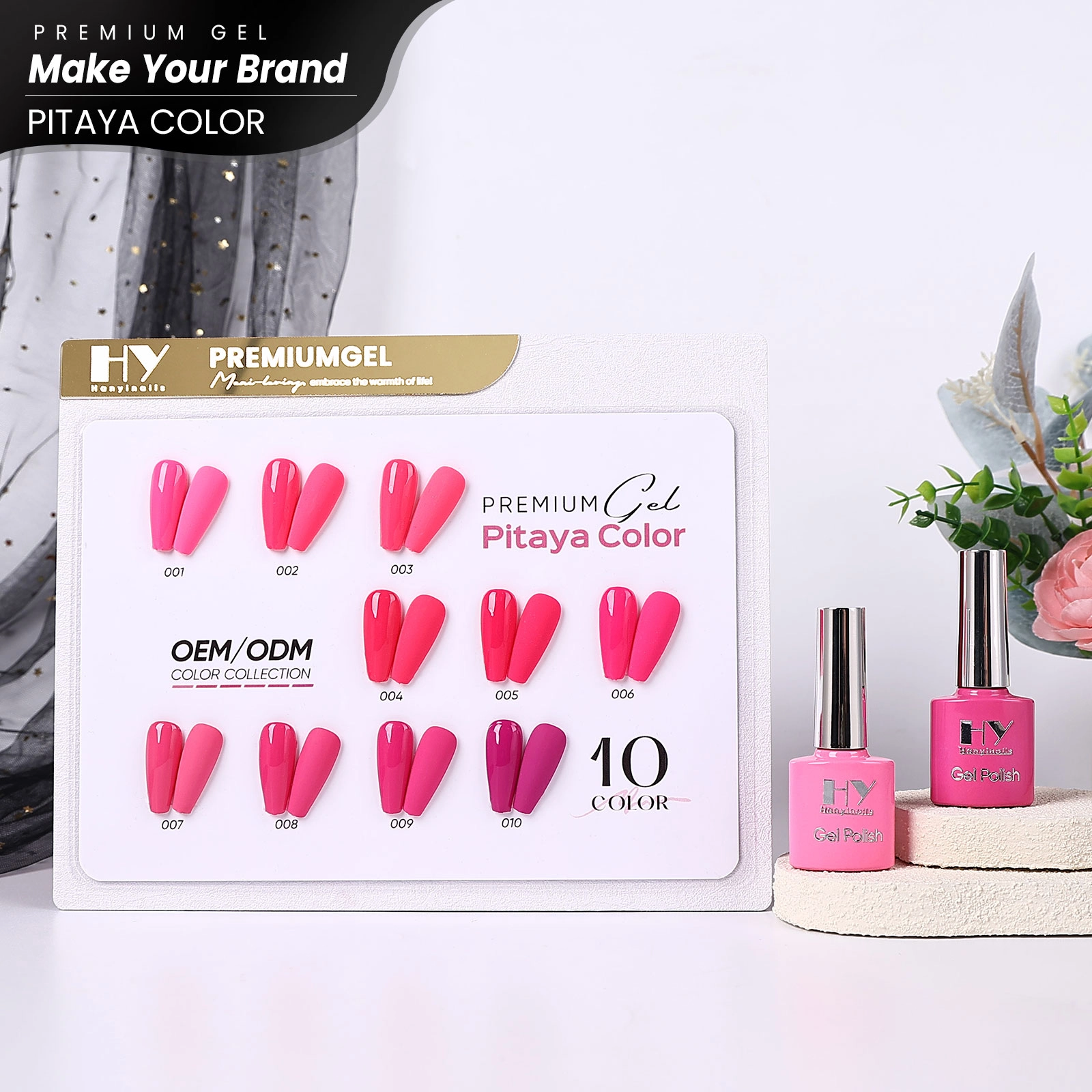
Private Label OEM/ODM Pink Pitaya Gel Nail Polish | Custom Long-Lasting Soak-Off UV LED Gel
🔑 Key Features:
-
🌸 Vibrant Pitaya Pink Color—Trendy and bold, perfect for all skin tones and seasons.
-
💅 Long-Lasting Formula—Stays chip-free for up to 21 days with proper application.
-
✨ High Gloss Finish—Provides a salon-quality shine that won't dull.
-
🌿 Eco-Friendly & Cruelty-Free – Made with non-toxic ingredients, gentle on nails.
-
🛠️ OEM/ODM Support—Customize color, packaging, logo, bottle shape, and more.
-
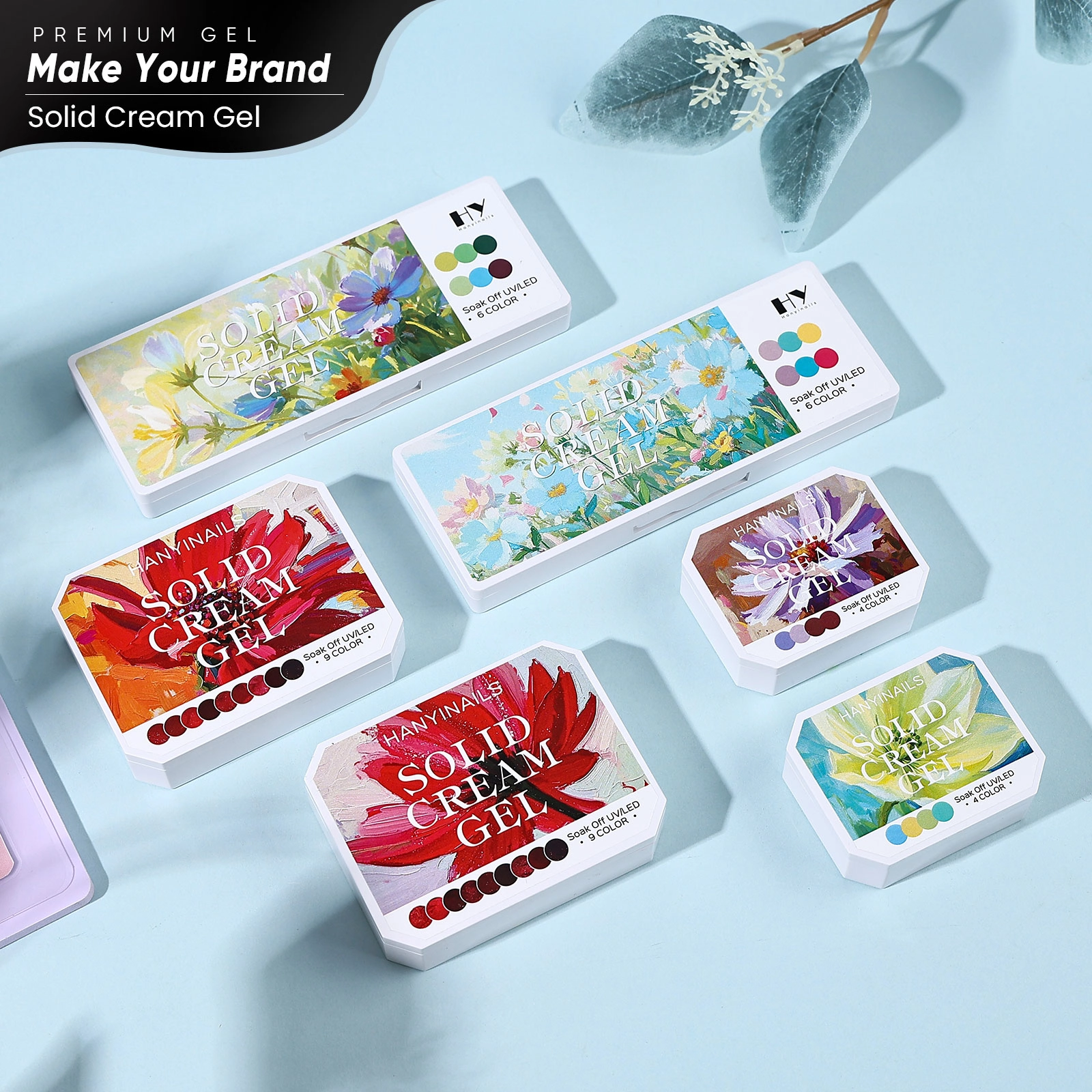
Ombre Gradient Nail Art Pat Pat Gel – Solid Gel Colors in a Plate for Seamless Ombre Designs, Easy Blending & Long-Lasting Finish
✨ Key Features:
✔ 100% HEMA-Free Formula—Gentle on nails and skin, ideal for sensitive users and allergy-prone customers.
✔ Vegan & Organic—Cruelty-free, eco-conscious, and skin-friendly.
✔ Vibrant Colors & Pigmentation—Rich, full-coverage colors with intense pigment that require only a thin layer for bold results.
✔ Quick & Easy Application—Smooth consistency that applies evenly for professional-looking results at home or in the salon.
✔ Safe for Sensitive Skin—Formulated without harmful chemicals and safe for most nail types, including sensitive skin.
✔ OEM/ODM Support—From formula tweaks to bulk orders, we bring your brand to life.
Ideal for salons, indie brands, and retailers who value safety, sustainability, and standout style.
"Get vibrant, long-lasting color—unlock creativity with Pat Pat Gel ."
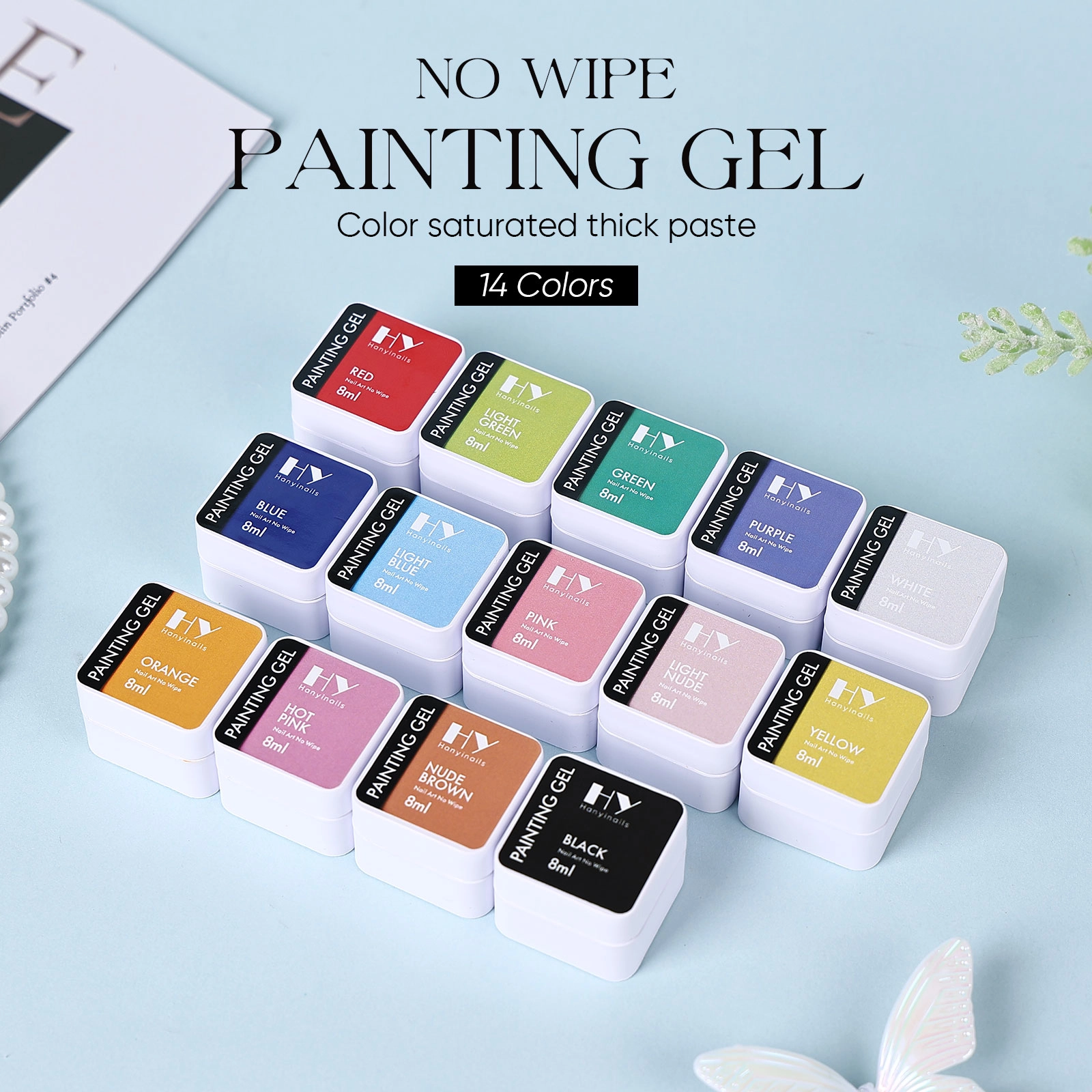
14-Color No Wipe Paint Gel – Vibrant Pigments, Smooth Application, Quick-Drying, Perfect for Nail Art & Designs
✨ Key Features:
✔ 100% HEMA-Free Formula—Gentle on nails and skin, ideal for sensitive users and allergy-prone customers.
✔ Vegan & Organic—Cruelty-free, eco-conscious, and skin-friendly.
✔ No-Wipe Formula—The finish leaves no sticky layer, eliminating the need for additional top coats or wipe-off solutions.
✔ Vibrant Colors & Pigmentation—Rich, full-coverage colors with intense pigment that require only a thin layer for bold results.
✔ Quick & Easy Application—Smooth consistency that applies evenly for professional-looking results at home or in the salon.
✔ Quick & Easy Application—Smooth consistency that applies evenly for professional-looking results at home or in the salon.
✔ Safe for Sensitive Skin—Formulated without harmful chemicals and safe for most nail types, including sensitive skin.
✔ OEM/ODM Support—From formula tweaks to bulk orders, we bring your brand to life.
Ideal for salons, indie brands, and retailers who value safety, sustainability, and standout style.
"Get vibrant, long-lasting color—unlock creativity with Paint Gel."
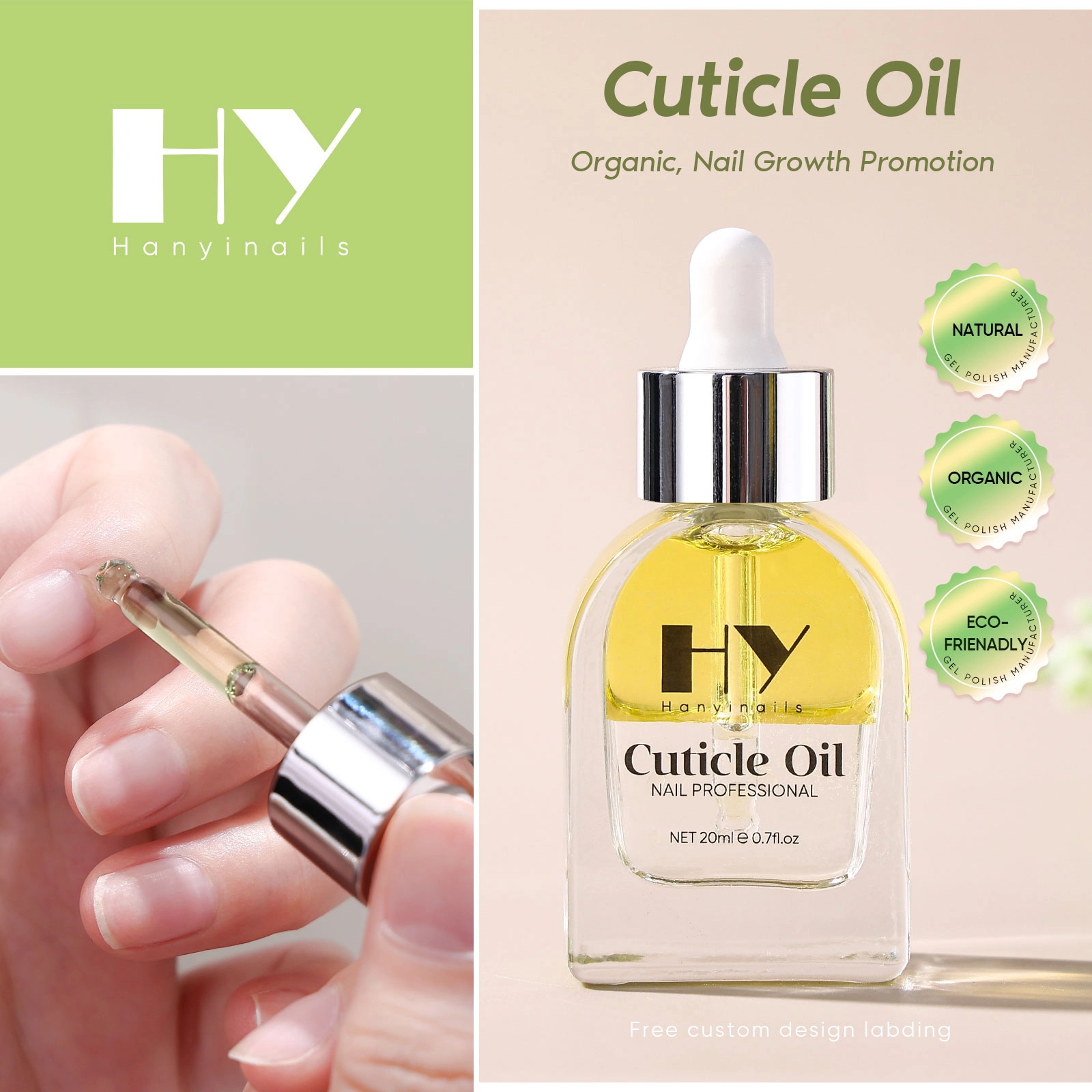
Hanyinails Premium Nail Cuticle Oil – Deep Moisture for Dry, Cracked Cuticles | Natural Repair Serum for Strong, Healthy Nail Growth
✨ Key Features:
✔ Vegan & Organic—Cruelty-free, eco-conscious, and skin-friendly.
✔ Deep Moisturizing Formula—Softens dry, cracked cuticles and nourishes surrounding skin
✔ Promotes Healthy Nail Growth—Supports stronger, longer nails with regular use
✔ Natural & Plant-Based Oils—Infused with ingredients like Vitamin E, Jojoba, and Sweet Almond Oil
✔ Non-Greasy & Fast-Absorbing – Leaves no residue; perfect for daily use or on-the-go hydration
✔ Lightweight & Refreshing Scent – Gentle floral or fruity aroma adds a spa-like touch to your nail routine
✔ Perfect for At-Home or salon use—great for professional manicures or personal nail care routines
✔ Suitable for All Skin Types—Gentle on sensitive skin, cuticle areas, and nail beds
"Perfect for repairing dry cuticles and promoting healthy nail growth."
Hanyinails
Hanyinails
Hanyinails
Hanyinails