

Is Jelly Gel Polish Safe for Your Nails? Here's What You Should Know
Discover if Jelly Gel Polish is safe for your nails with Hanyinails. Learn about jelly gel nail polish benefits, application tips, and nail health to make informed choices. Explore expert insights to keep your nails beautiful and protected.
- What Is Jelly Gel Polish and Why Is It So Popular?
- Is Jelly Gel Polish Safe for Your Nails? A Scientific Look
- Understanding the Ingredients in Jelly Gel Polish
- Common Concerns: Nail Damage, UV Exposure, and Allergic Reactions
- Dermatologist Insights: When Is Gel Safe and When to Be Cautious?
- How to Use Jelly Gel Polish Safely at Home or in Salons
- Best Practices for Application and Removal
- Tips to Maintain Healthy Nails While Using Jelly Gel Polish
- Signs Your Nails Need a Break from Gel Products
- Choosing the Right Jelly Gel Polish Brand Matters
- What to Look for: Non-toxic Formula, Certification, and Customer Reviews
- Cheap vs. Quality: Why It’s Worth Investing in Trusted Nail Products
- Why Hanyinails Is a Safe and Stylish Choice for Jelly Gel Polish
- Our Commitment to Nail Health: Non-toxic, Long-lasting, Cruelty-Free
- Popular Hanyinails Jelly Gel Polish Shades Loved by Customers
- Join Thousands Who Trust Hanyinails for Safe and Trendy Nail Looks
- Final Thoughts: Enjoy Beautiful Nails Without Compromising Safety
What Is Jelly Gel Polish and Why Is It So Popular?
Jelly Gel Polish, also known as Jelly Gel Nail Polish, is a translucent, buildable gel formula that has become a popular product in the nail industry. In contrast to traditional opaque gel polishes, this gel offers a glassy, see-through finish that creates a modern, minimalistic look. It is perfect for layering, creative nail art, and elegant everyday wear. The versatility and chic aesthetic of jelly nail polish have made it a popular choice on Instagram and a go-to option for those who value trends in nail care.
Jelly Gel Polish is distinguished by its professional finish and long-lasting performance, which further enhances its appeal. This product is available in a wide range of shades, from soft nudes to vibrant neons, allowing users to customize the intensity with each layer. Whether you are a salon expert or a home manicure enthusiast, jelly gel nail polish provides both style and durability. In light of the growing demand for professional gel polish that is both simple to apply and remove, it is no surprise that gel formulas are now a staple feature in every leading gel polish collection worldwide.
Is Jelly Gel Polish Safe for Your Nails? A Scientific Look
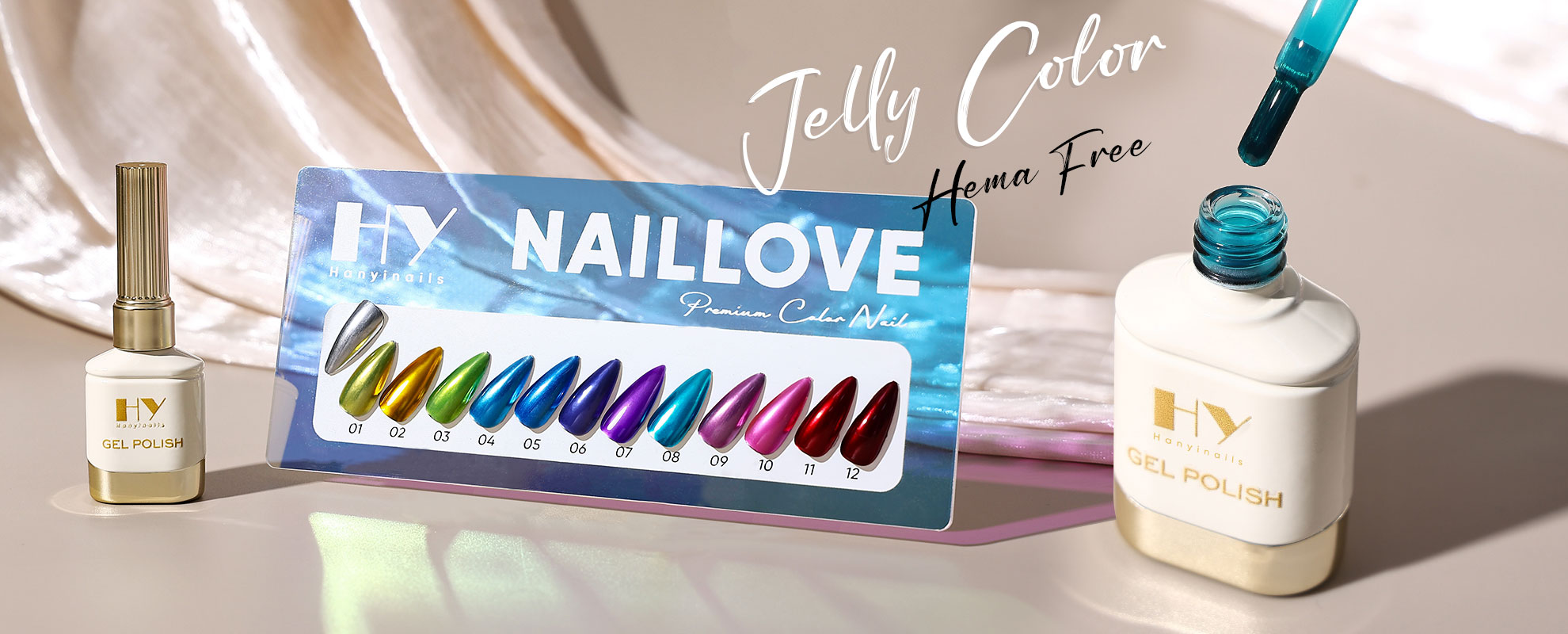
While the aesthetic appeal of Jelly Gel Nail Polish is undeniable, there are many concerns regarding its safety. As with other gel products, jelly formulas contain specific chemicals and curing processes that require careful consideration. Most jelly gels are made with oligomers, monomers, and photoinitiators that solidify under UV or LED light. When used correctly, these ingredients are generally considered safe. However, improper application or removal can lead to issues such as nail thinning, dehydration, or irritation.
Understanding the Ingredients in Jelly Gel Polish
Jelly gel polish is typically composed of acrylate-based monomers and resins. These are vital for creating the flexible, long-wearing finish that users love. High-quality brands utilize ingredients that are either medical-grade or cosmetic-approved, thereby minimizing the likelihood of allergic reactions or adverse effects. It is advisable for consumers to verify the presence of certifications or MSDS reports when selecting products, particularly from a reputable nail polish manufacturer.
Common Concerns: Nail Damage, UV Exposure, and Allergic Reactions
Concerns often center on prolonged UV exposure and the potential for weakening natural nails. While LED lamps reduce curing time and UV intensity, it is advisable to apply sunscreen to the hands or wear UV-blocking gloves. Furthermore, aggressive filing or peeling off the gel can cause harm to the nail plate. It is essential to ensure that gel polish is always removed using professional removers.
Dermatologist Insights: When Is Gel Safe and When to Be Cautious?
Dermatologists generally agree that gel polish, including jelly gel polish, is safe when applied and removed correctly, with adequate nail care between uses. However, individuals with sensitive skin or a history of contact dermatitis should conduct patch tests or consult with professionals. As a best practice, it is recommended to allow a 3–4 week interval between nail treatments and to avoid overlapping layers when reapplying.
How to Use Jelly Gel Polish Safely at Home or in Salons
As DIY manicures grow in popularity, it is essential to understand how to use jelly gel nail polish properly. Regardless of whether you are a nail enthusiast or a salon professional, it is essential to ensure safe use by following proper preparation, application, and removal procedures. This not only ensures optimal nail health but also extends the beautiful, glossy effect that makes jelly polish so appealing.
Best Practices for Application and Removal
Firstly, ensure that your nails are clean and dry. The application of a thin base coat is to be followed by curing under an LED lamp. Then apply thin layers of jelly gel polish, ensuring that each layer is cured separately. It is important not to rush the curing process, as this ensures durability and reduces the chance of chipping. For removal, soak nails in acetone using foil wraps for 10–15 minutes, then gently push off the softened polish with a cuticle stick. It is important to avoid scraping or buffing too harshly, as this can weaken the nail bed.
Tips to Maintain Healthy Nails While Using Jelly Gel Polish
It is recommended that cuticle oil be used regularly to ensure the maintenance of moisture in the nail area. Additionally, it is advisable to allow a "break week" between applications. When applying a base coat, it is important to choose one with strengthening properties. Additionally, it is essential to always seal the free edge of the nail to prevent it from lifting. It is important to regularly trim and shape nails in order to avoid breaks or cracks when wearing long-lasting gel polish.
Signs Your Nails Need a Break from Gel Products
If you notice that your nails are feeling thin, peeling easily, or have white spots, it may indicate that they have been overexposed to gel products. This is an indication to cease usage and transition to nourishing treatments such as nail strengtheners or hydrating masks. Even the best nail gel polish should be used in moderation for long-term nail health.
Choosing the Right Jelly Gel Polish Brand Matters
It is important to note that not all Jelly Gel Nail Polish products are created equal. The brand selected for a product has a significant impact on its safety, durability, and aesthetic finish. While inexpensive alternatives may be attractive, they frequently contain low-quality ingredients that can compromise nail health or cause allergic reactions. Consequently, conducting thorough research prior to purchase is imperative, particularly if you are seeking long-term use or salon-level results.
What to Look for: Non-toxic Formula, Certification, and Customer Reviews
When selecting jelly gel polish, it is advisable to choose a product that is free from harmful chemicals such as formaldehyde, toluene, and DBP. The most reputable brands will clearly state their safety standards, offer cruelty-free certifications, and publish customer feedback. When selecting a professional gel polish, it is advisable to choose one with positive reviews and transparent labeling, ensuring that you are applying a product that is not only aesthetically pleasing but also ethically responsible.
Cheap vs. Quality: Why It’s Worth Investing in Trusted Nail Products
While budget options may appear attractive, lower-cost polishes frequently exhibit poor pigmentation, unpleasant odors, or limited durability. High-quality jelly gel polish, on the other hand, is more durable, aesthetically pleasing, and less likely to cause damage to nails. Investing in the best gel polish ensures both safety and satisfaction, especially when used regularly.

Why Hanyinails Is a Safe and Stylish Choice for Jelly Gel Polish
At Hanyinails, we prioritize both beauty and safety. The Jelly Gel Nail Polish collection is formulated with non-toxic, long-lasting, and cruelty-free ingredients. Whether you are a salon owner who demands professional results or a home enthusiast who likes to experiment with new looks, our products deliver vibrant color and superior wear while being completely kind to nails.
Our Commitment to Nail Health: Non-toxic, Long-lasting, Cruelty-Free
Hanyinails jelly gel polish has been developed to meet the needs of those with sensitive skin and healthy nails. Each product is formulated using cosmetic-grade ingredients, is 10-free, and is vegan-friendly. Our products are designed to cure quickly under LED light, are resistant to chipping, and can be easily removed without causing harm to the nail surface. This makes them an ideal choice for individuals who prioritize both fashion and functionality.
Popular Hanyinails Jelly Gel Polish Shades Loved by Customers
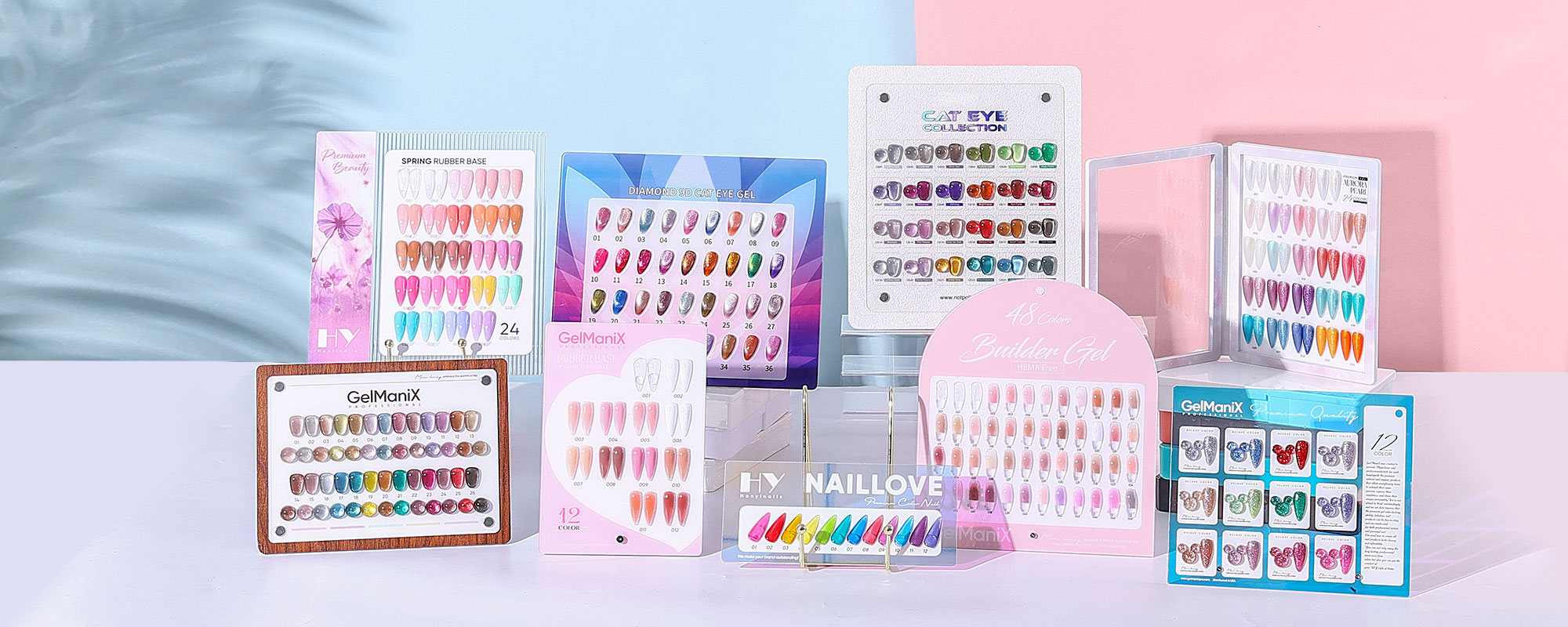
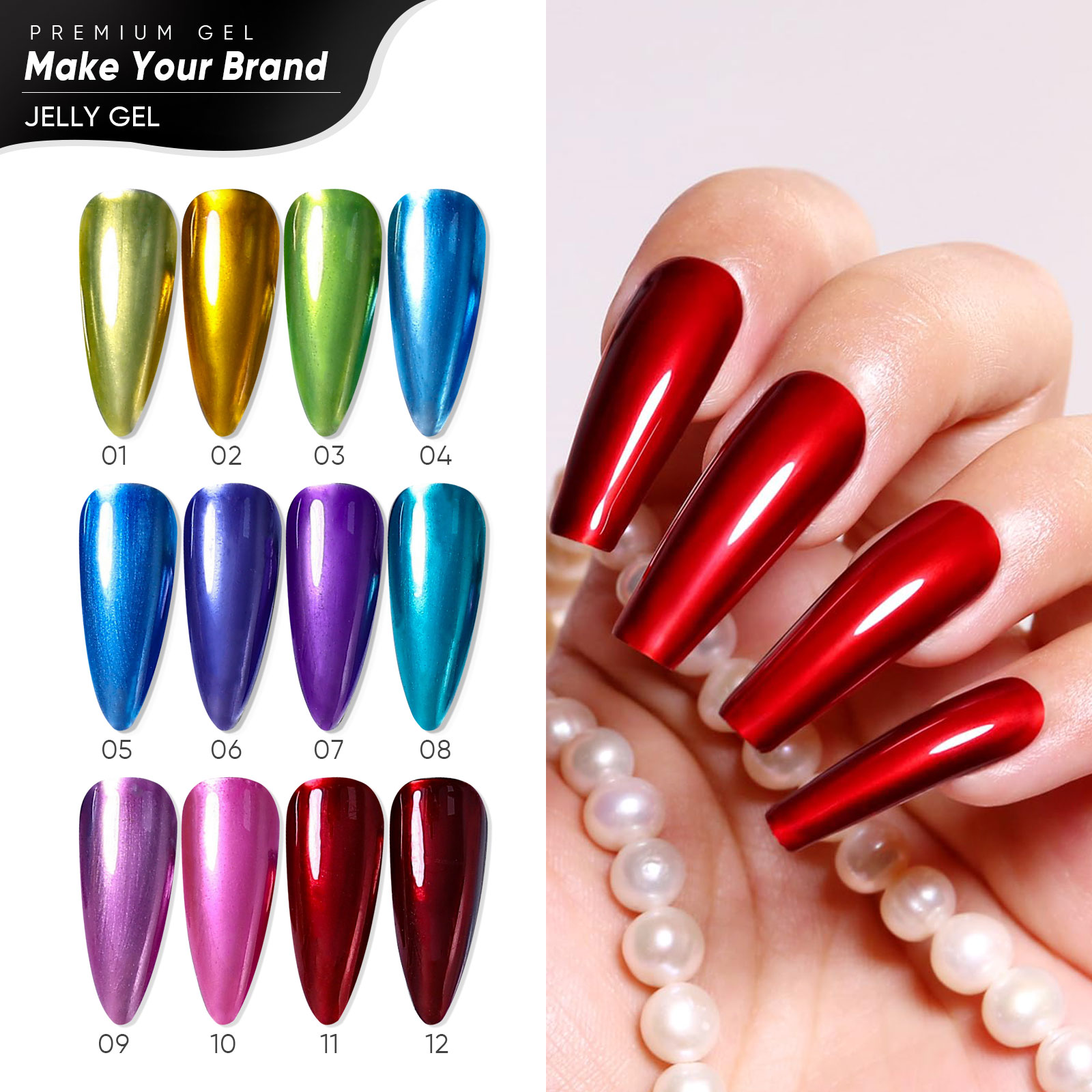
Our range of jelly shades includes classic nude pinks, as well as trendy translucent greens and blues, to suit every mood and season. We also offer custom nail polish services for nail salons or beauty brands looking to create private label colors. Our expert team is dedicated to ensuring the highest standards of pigment accuracy, smooth application, and impeccable bottle presentation.
Join Thousands Who Trust Hanyinails for Safe and Trendy Nail Looks
As a reputable nail polish manufacturer, Hanyinails has built a loyal customer base worldwide. Our unwavering dedication to innovation, safety, and customer satisfaction has earned us a reputation as a trusted name in the gel polish industry. Whether you are looking for the best nail gel polish for personal use or wholesale options, Hanyinails delivers excellence in every bottle.

Final Thoughts: Enjoy Beautiful Nails Without Compromising Safety
Jelly gel polish provides a contemporary alternative to traditional nail looks, but its use is best practiced with caution. By choosing high-quality products, following proper application techniques, and giving your nails the care they need, you can enjoy all the benefits of jelly gel nail polish without compromising on nail health.
With brands like Hanyinails setting the standard in safe, stylish, and professional gel polish, there is no need to compromise between beauty and well-being. Make the switch to Hanyinails today and discover why we are the preferred choice for jelly gel polish lovers around the globe.
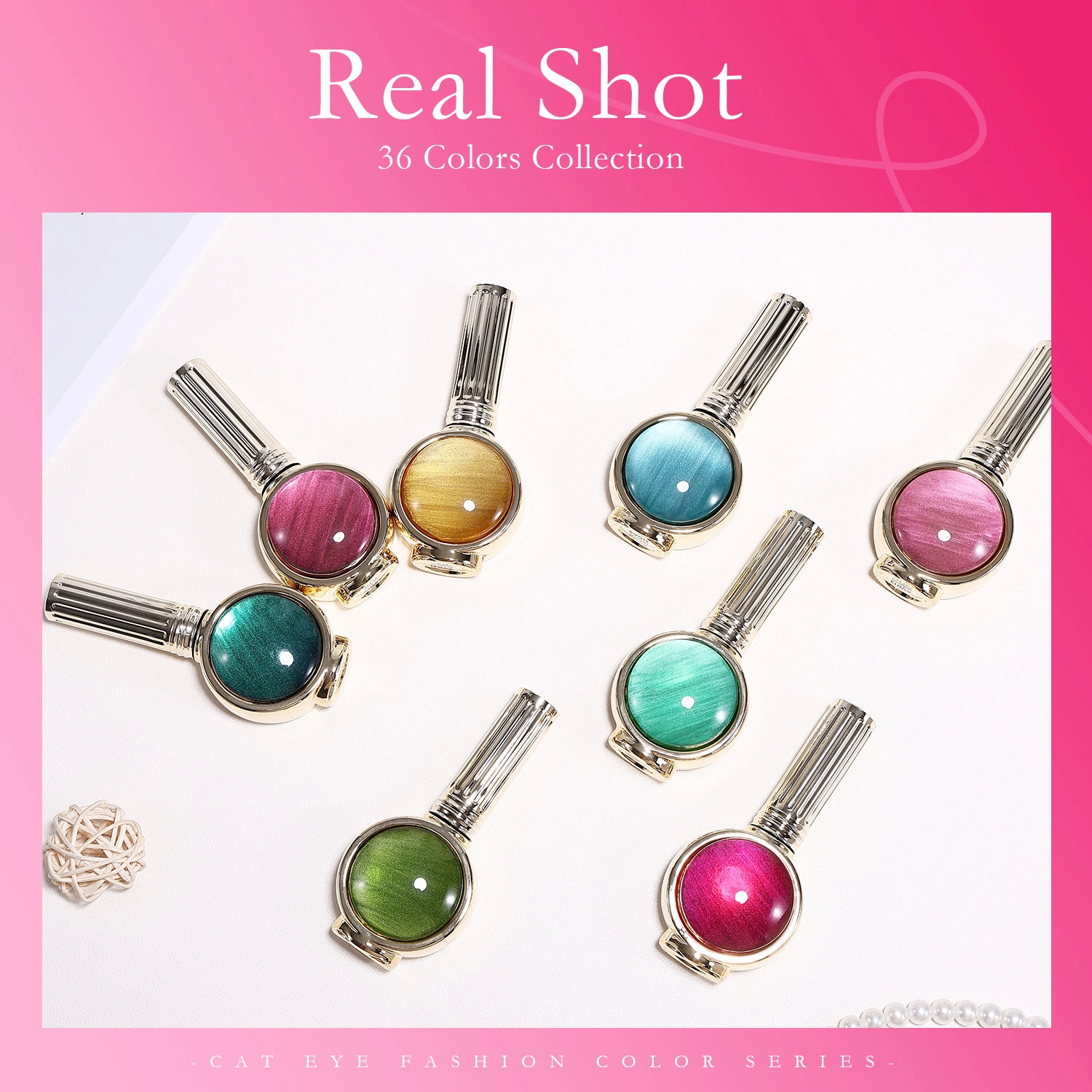
Seasonal Nail Art Ideas for Salons: Boost Client Retention with 36 Colors Cat Eye Gel
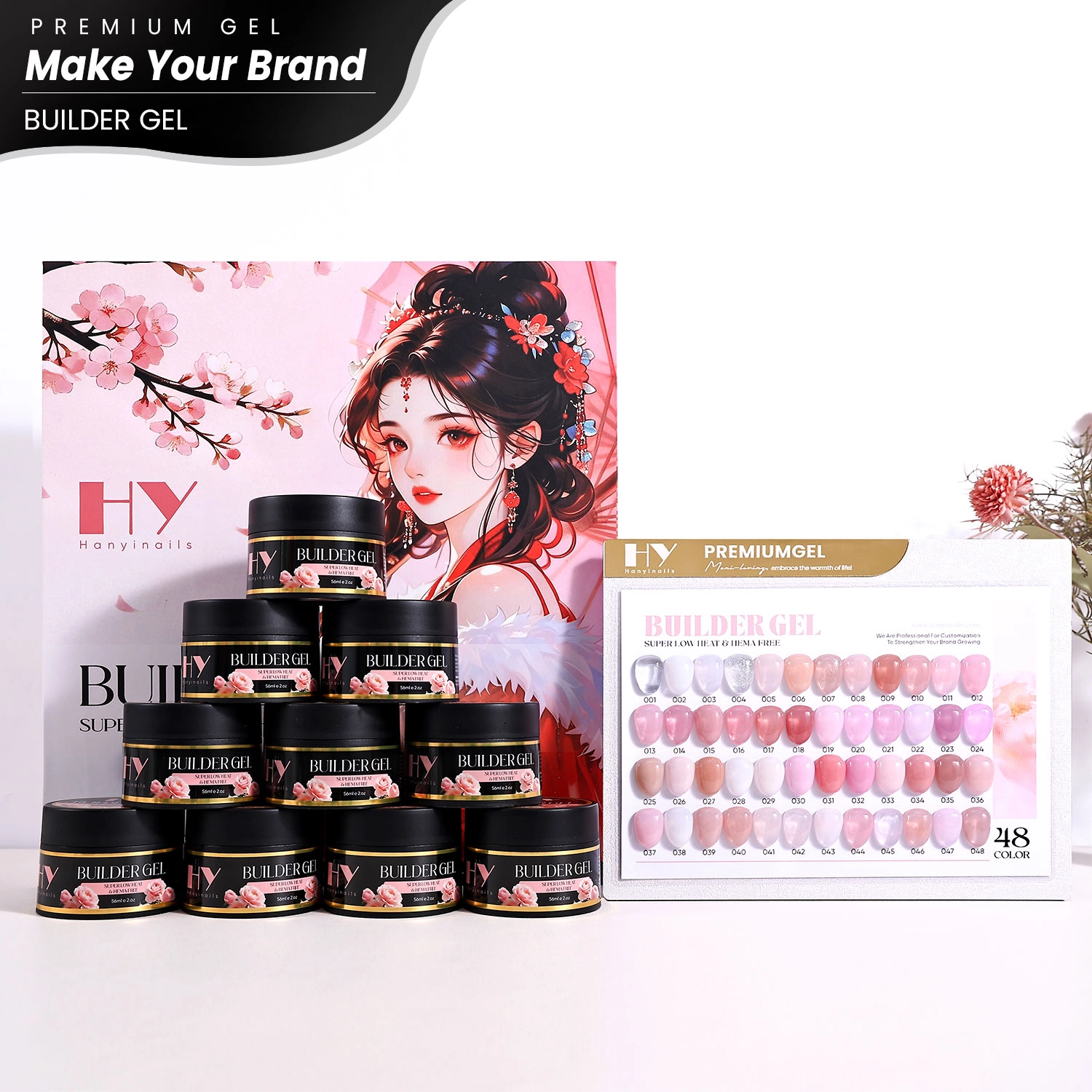
How to Build Apex with Builder Gel for Beginners – Step-by-Step Guide for Strong, Perfectly Shaped Nails
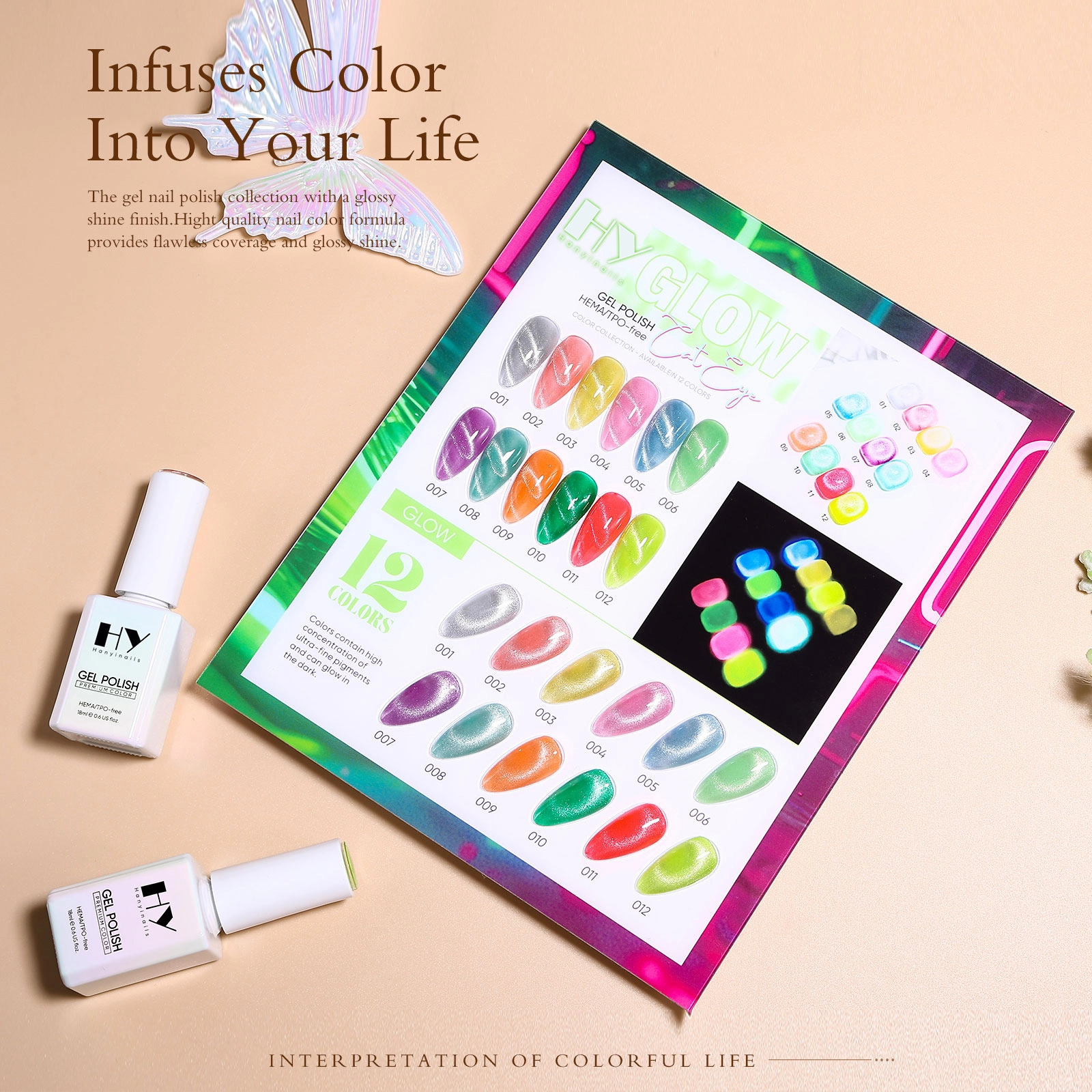
Glow Cat Eye Line Disappears After Top Coat? Here's How to Fix It
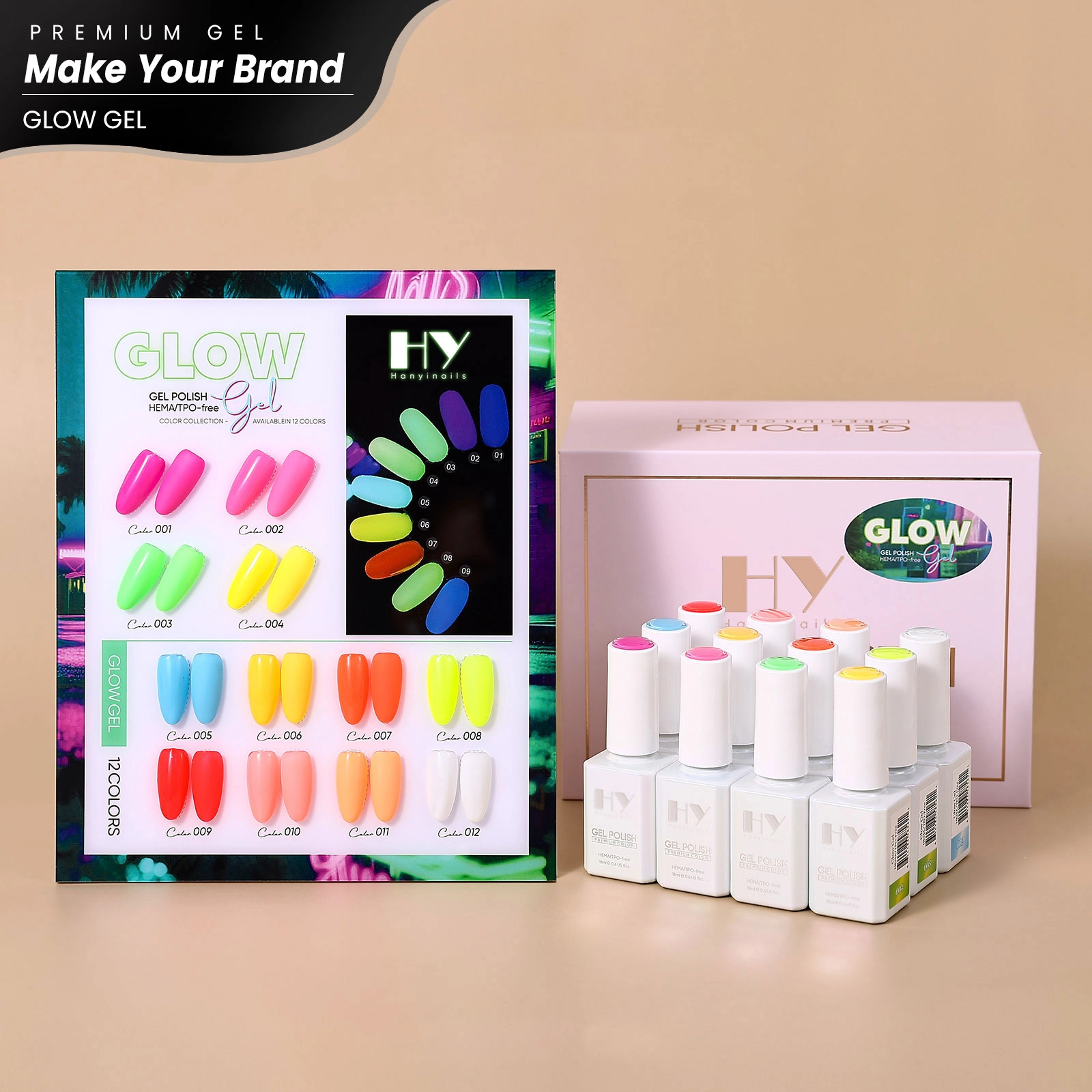
HEMA-Free Glow Gel for Sensitive Nails – A Complete Guide to Safe, Luminous Manicures
How to Prevent Nail Polish from Chipping – Expert Tips for a Long-Lasting Manicure
For Customization
How long it takes for production?
We do customization for your brand, we specialize in high-quality OEM/ODM nail products, including gel polishes, acrylic systems, nail art supplies, and more. Our streamlined production process ensures efficiency while maintaining strict quality control. Below is a detailed breakdown of our standard production timelines.
How many gel nail polish colors can Hayi Offer?
Simplify Your Color Selection: Expert Recommendations for Buyers
With 5,000+ stunning shades in our collection, we understand that choosing the perfect colors can feel overwhelming. That’s why we recommend curated selections tailored to your needs—whether you’re a salon owner, nail artist, or reseller.
🎨 How to Navigate Our Color Range
1. Start with Best-Sellers (Top 50 Colors)
✔ Timeless Classics – Nudes, reds, pinks, and blacks that never go out of style.
✔ Salon Favorites – High-demand shades for client bookings.
✔ Low Risk, High Reward – Proven to sell quickly.
2. Seasonal Collections (Pre-Curated Palettes)
✔ Spring/Summer – Bright corals, pastels, and neon trends.
✔ Fall/Winter – Deep berries, metallics, and moody tones.
✔ Holiday Editions – Glitters, reds, and greens for festive looks.
3. By Finish (Simplify Your Search)
• Sheers & Nudes – Perfect for French manicures.
• Glitters & Shimmers – Eye-catching party shades.
• Mattes & Crellies – Modern, velvety looks.
• Special Effects – Cat eye, thermal, glow-in-the-dark.
For Logistics
What is the Shipping Time?
1.Express delivery 5-7 days
2.20-25 days by sea DDP.
3.15 days by air DDP.
TPO -Free Gel Polish
Why choose TPO-free gel polish?
Benefits:
Reduced allergy risk – Ideal for sensitive skin
Less yellowing over time vs. TPO-based gels
Safer for nail techs – Lower fumes during curing
For After-sales
What can I do if the gel nail polish colors don't match what l purchased?
If you think you have received the wrong set you ordered, please contact our customer support team and we will get back to yousoon.lf it is the corect product but you are unsatisfied with the color match, we work very hard to closely match each color to adigital replication for our image. lt is impossible to match an exact color with any digitalrepresentation of a physical product;however, we have worked closely on each set making sure that each color is as close as it can be to the color in the bottle.lfyou arestill unsatisfied, please contact us. We are here to help and make it right in any way!
Recommended for You

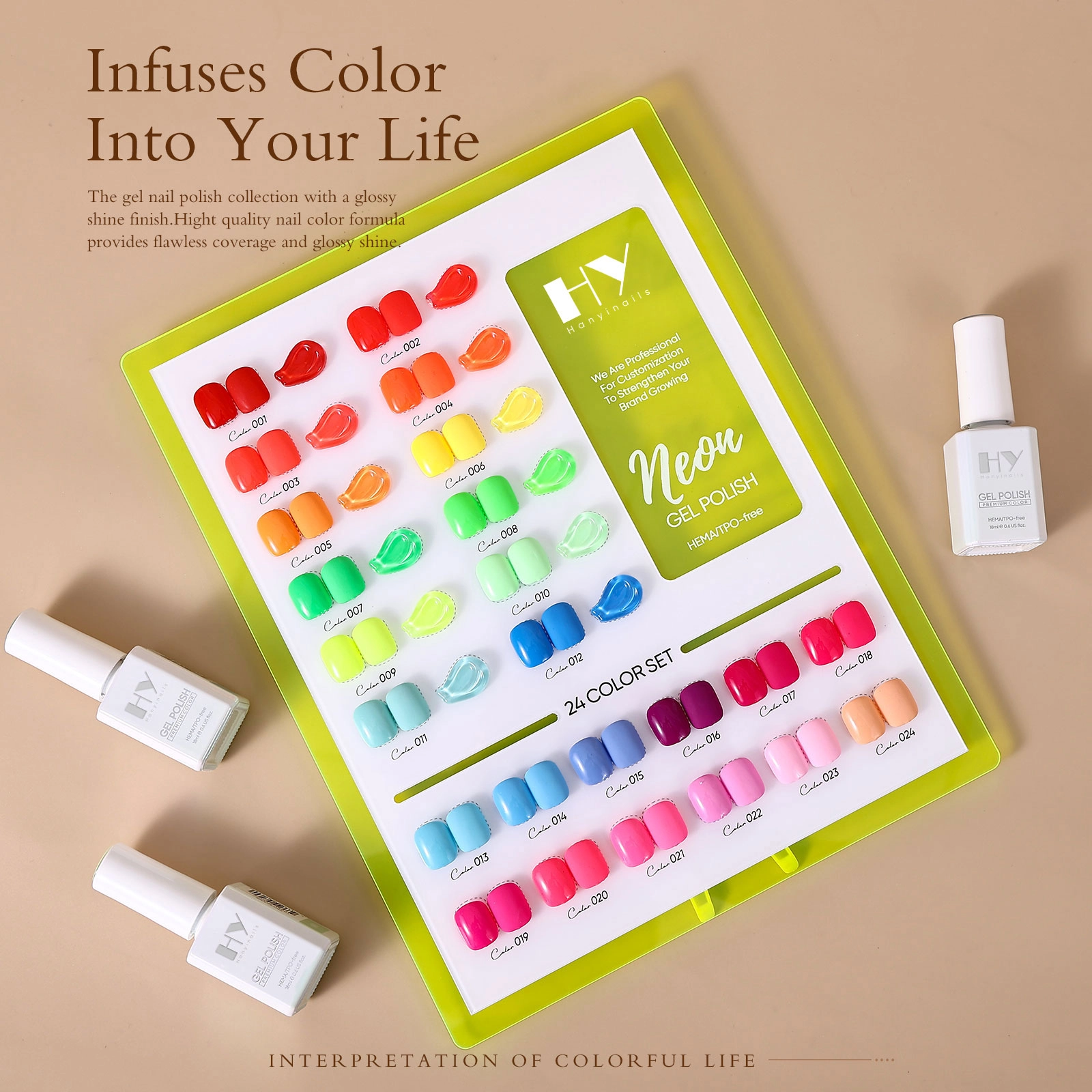
✨ Key Features:
✔ HEMA-Free Formula—Gentle on nails, reducing allergy risks.
✔ Vegan & Organic—Cruelty-free, eco-conscious, and skin-friendly.
✔ Customizable Sets—Tailor colors, packaging, and branding to your vision.
✔ Long-Lasting Neon Glow – Ultra-pigmented, UV/LED-cured for brilliant shine.
✔ OEM/ODM Support—From formula tweaks to bulk orders, we bring your brand to life.
Ideal for salons, indie brands, and retailers who value safety, sustainability, and standout style.
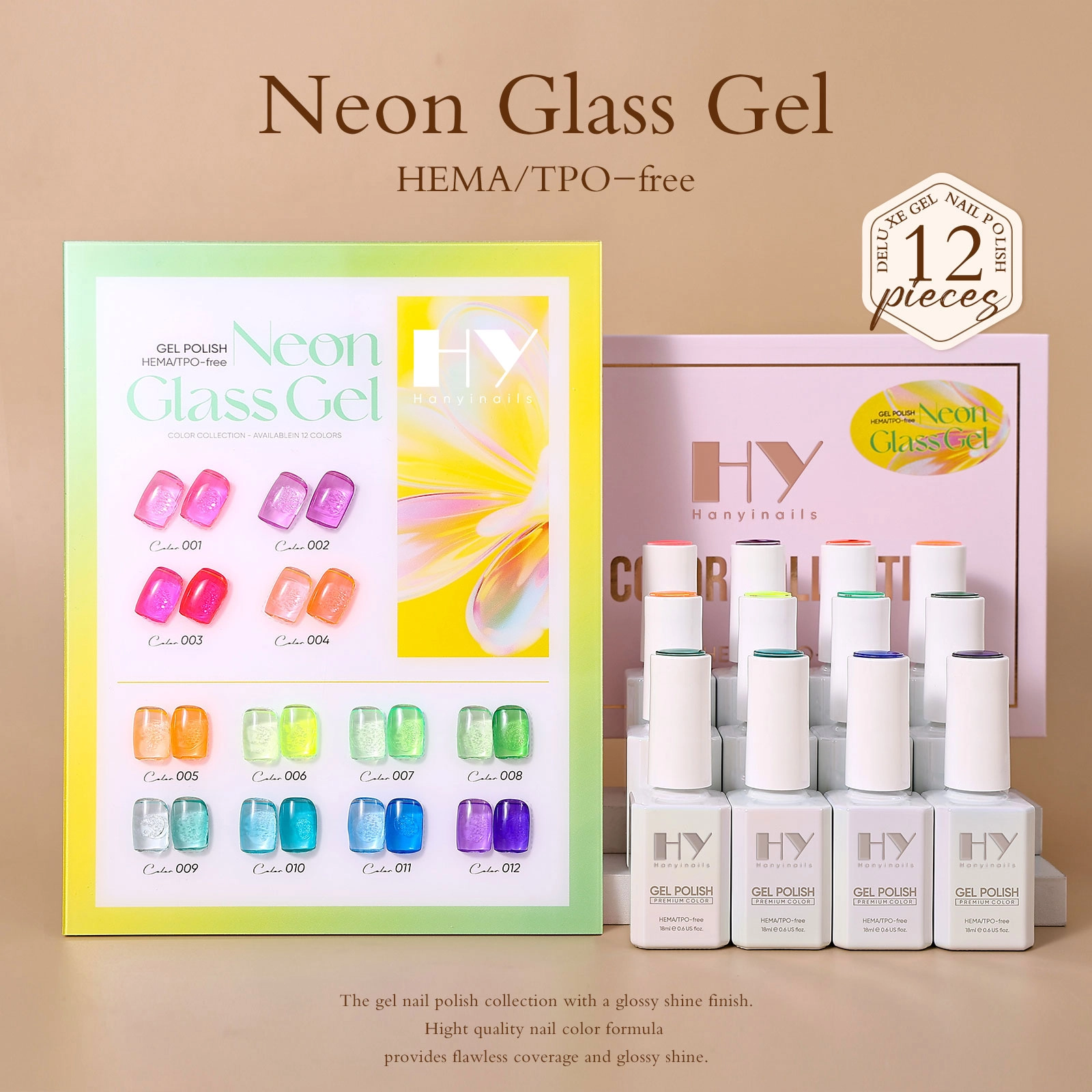
🔑 Key Features:
🍬 12 Neon Glass Shades – Fluorescent pink to electric orange, neon yellow to vivid green with sheer, jelly-like finish
⏱️ 60-90s UV/LED Cure – Fast-drying formula for efficient salon & home application
✨ 28+ Days Long-Lasting – Resists chipping, peeling, and maintains sheer glass finish
🌿 HEMA/TPO-Free & Low Odor – Breathable formula safe for sensitive nails
💎 Translucent Glass Finish – Sheer, jelly-like coverage with professional glossy shine
🌈 Neon Filter Effect – Layer over other colors to create unique custom shades
📦 18ml Professional Bottles – Large capacity for salons and heavy users
🏭 OEM/ODM Supported – Custom colors, packaging, and private branding available
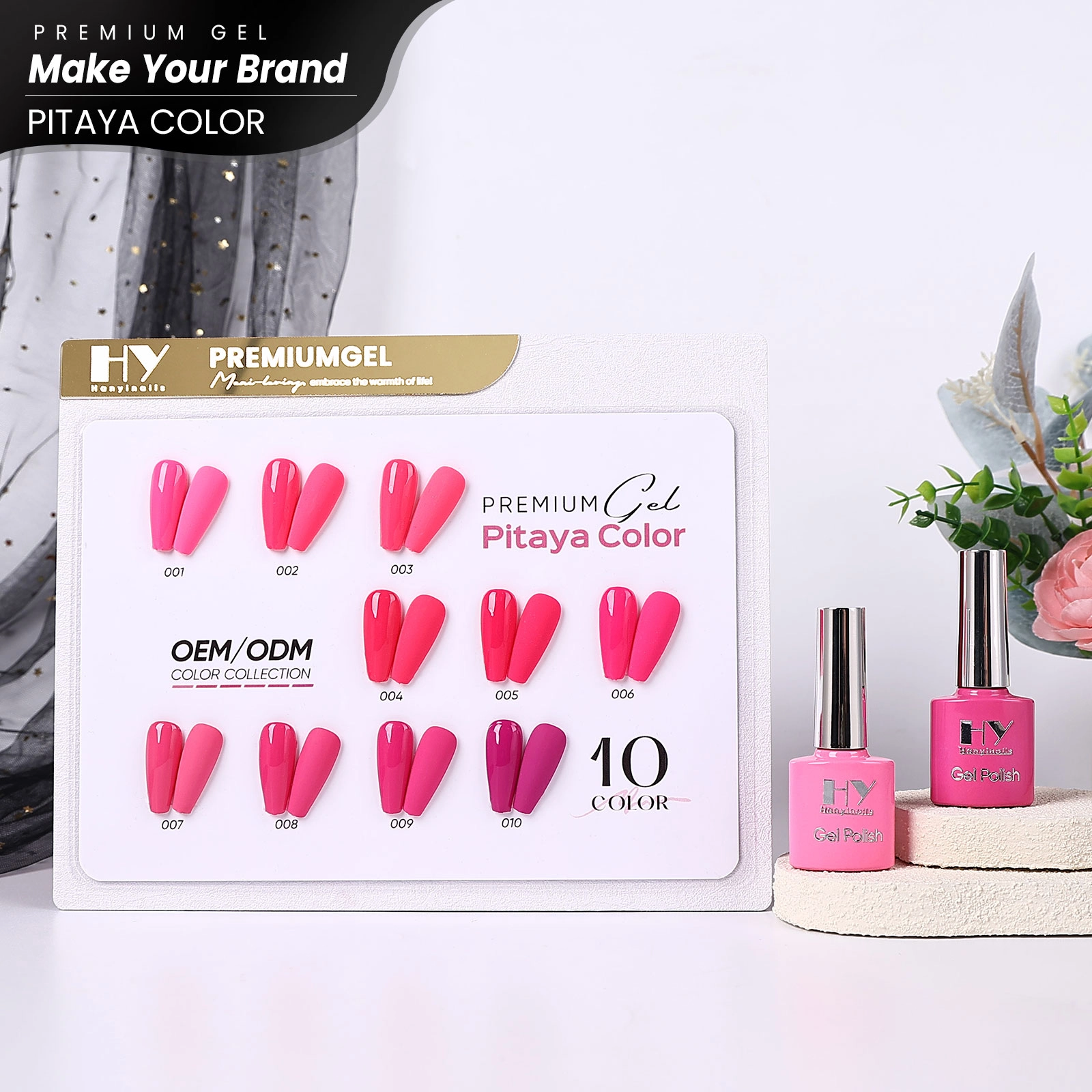
🔑 Key Features:
-
🌸 Vibrant Pitaya Pink Color—Trendy and bold, perfect for all skin tones and seasons.
-
💅 Long-Lasting Formula—Stays chip-free for up to 21 days with proper application.
-
✨ High Gloss Finish—Provides a salon-quality shine that won't dull.
-
🌿 Eco-Friendly & Cruelty-Free – Made with non-toxic ingredients, gentle on nails.
-
🛠️ OEM/ODM Support—Customize color, packaging, logo, bottle shape, and more.
-
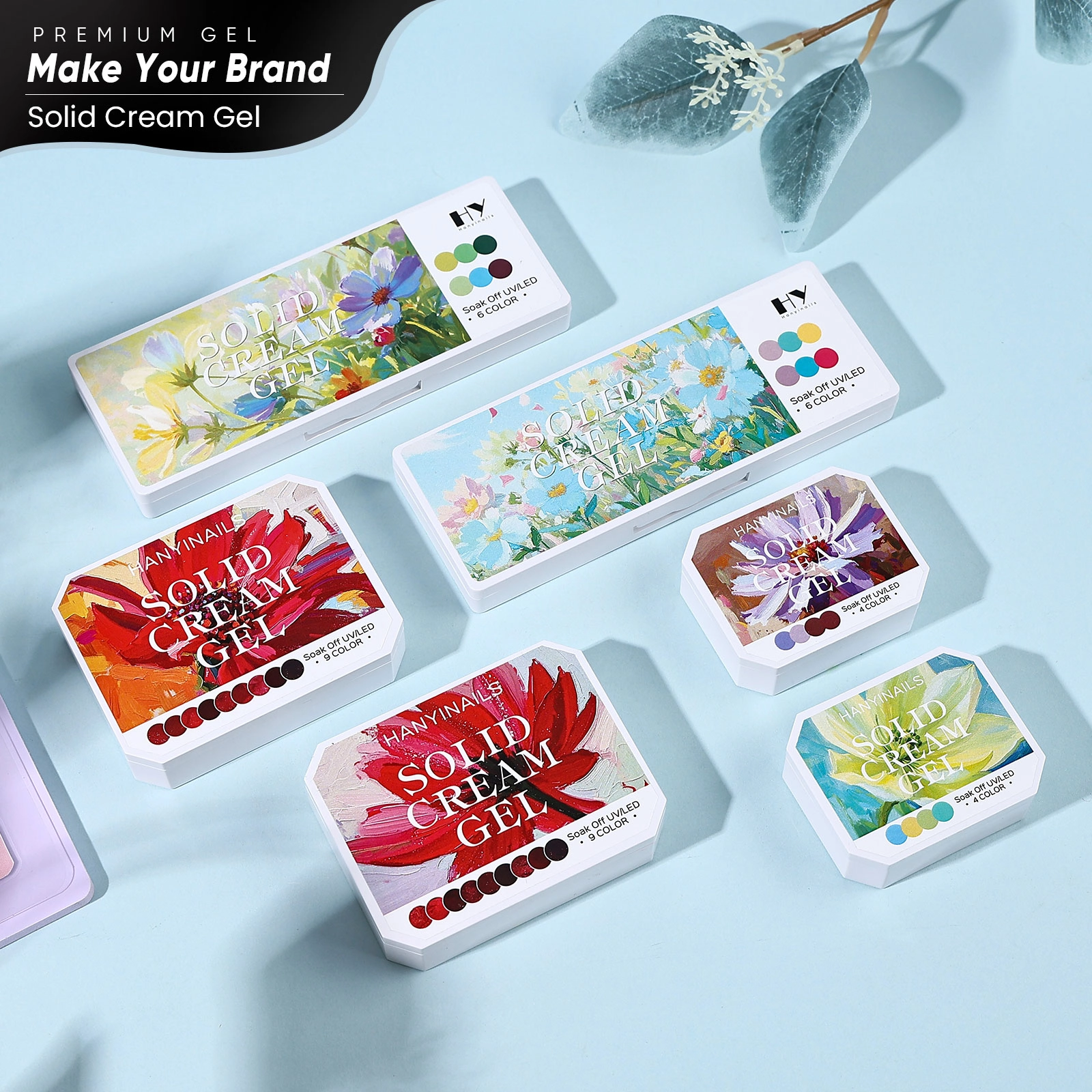
✨ Key Features:
✔ 100% HEMA-Free Formula—Gentle on nails and skin, ideal for sensitive users and allergy-prone customers.
✔ Vegan & Organic—Cruelty-free, eco-conscious, and skin-friendly.
✔ Vibrant Colors & Pigmentation—Rich, full-coverage colors with intense pigment that require only a thin layer for bold results.
✔ Quick & Easy Application—Smooth consistency that applies evenly for professional-looking results at home or in the salon.
✔ Safe for Sensitive Skin—Formulated without harmful chemicals and safe for most nail types, including sensitive skin.
✔ OEM/ODM Support—From formula tweaks to bulk orders, we bring your brand to life.
Ideal for salons, indie brands, and retailers who value safety, sustainability, and standout style.
"Get vibrant, long-lasting color—unlock creativity with Pat Pat Gel ."
Looking for a creative, premium, and reliable nail product manufacturer?
Whether you're an Amazon seller, Shopify store owner, chain store buyer, brand owner, distributor, wholesaler, or nail supply retailer — Hanyinails is your trusted partner for custom and wholesale nail solutions.
Hanyinails
Hanyinails
Hanyinails
Hanyinails