


How a High-Quality Professional Gel Polish Base Coat Protects Natural Nails
Discover how Hanyinails’ Professional Gel Polish Base Coat protects and strengthens natural nails, ensuring long-lasting, chip-free manicures. Our high-quality nail gel polish base coat creates a smooth, durable foundation for flawless gel polish application and nail health.
- Understanding the Role of a Professional Gel Polish Base Coat
- What Is a Professional Gel Polish Base Coat?
- Why It's a Must-Have Step in Gel Manicures
- How a High-Quality Base Coat Protects Natural Nails
- Creating a Barrier Against Pigmentation and Damage
- Strengthening and Smoothing the Nail Surface
- Enhancing Adhesion Without Harsh Primers
- Key Ingredients That Make a Base Coat Safe and Effective
- Why HEMA-Free, Vegan, and Non-Toxic Formulas Matter
- Ingredients to Avoid in Low-Quality Base Coats
- How to Choose the Right Base Coat for Your Nail Type
- For Weak, Brittle Nails: Look for Reinforcing Ingredients
- For Sensitive Nails: Gentle Formulas Are a Must
- Why Nail Professionals Trust Hanyinails Base Coats
- Safe, Long-Lasting Formulas That Prioritize Nail Health
- Reliable Performance Across Various Conditions
- Extensive Customization and Private Label Support
- Conclusion: Protect Your Nails with the Right Base Coat, Partner
Understanding the Role of a Professional Gel Polish Base Coat
In the field of nail care, the importance of a professional gel polish base coat is often underestimated. While vibrant colors and glossy finishes are important, it is the base coat that forms the critical foundation of the entire gel nail system. Please find below some useful information on the role of a professional gel polish base coat.
What Is a Professional Gel Polish Base Coat?
The application of a professional gel polish base coat is the essential first step in any gel manicure. When applied directly to the natural nail, it forms a seamless bond between the nail and the pigmented polish. In contrast to conventional base coats, it is engineered specifically for LED/UV curing and frequently fortified with strengthening agents to assist in preserving nail integrity throughout the manicure process. Its adhesive properties ensure a long-lasting wear while protecting the nail plate from harsh pigments or mechanical stress during removal. Regardless of whether the product is used in a professional salon or by the customer at home, the correct base coat is key to achieving the best possible results at every stage of the manicure process.

Why It's a Must-Have Step in Gel Manicures
The application of a gel polish base coat is not merely a professional standard—it is an essential component in achieving salon-quality results. Without this critical layer, gel polish is more likely to chip, peel, or cause discoloration. The base coat for gel polish acts as a buffer, sealing the nail surface and creating a smooth, even canvas. It minimizes imperfections and improves adhesion, making your manicure more durable and glossy. Furthermore, it helps protect natural nails from repeated exposure to strong pigments and curing light, ensuring overall nail health. If this step is skipped, there is a risk of compromising both aesthetics and nail safety.
How a High-Quality Base Coat Protects Natural Nails
The correct base coat gel polish plays a proactive role in preserving nail health. Natural nails are porous and sensitive to chemical exposure, which is why the base layer must shield them effectively.
Creating a Barrier Against Pigmentation and Damage
One of the most important functions of a gel polish base coat is to shield the natural nail from aggressive pigments. It is important to note that certain colors, including dark reds, vibrant neons, and other intense shades, may potentially leave behind yellow stains or pigment traces if applied directly to the nail plate. A high-quality gel base coat polish acts as a non-porous barrier, preventing staining and reducing chemical absorption. This barrier is of particular importance for clients who frequently change colors or wear bold shades, ensuring that their natural nails remain unstained and healthy between applications.
In addition to its use as a pigment, the base coat also protects against chemical degradation and overexposure to LED/UV light. Without it, nails may become dehydrated, brittle, or weakened over time. A well-formulated base coat for gel polish provides both physical and chemical protection, preserving the integrity of the nail with every application.
Strengthening and Smoothing the Nail Surface
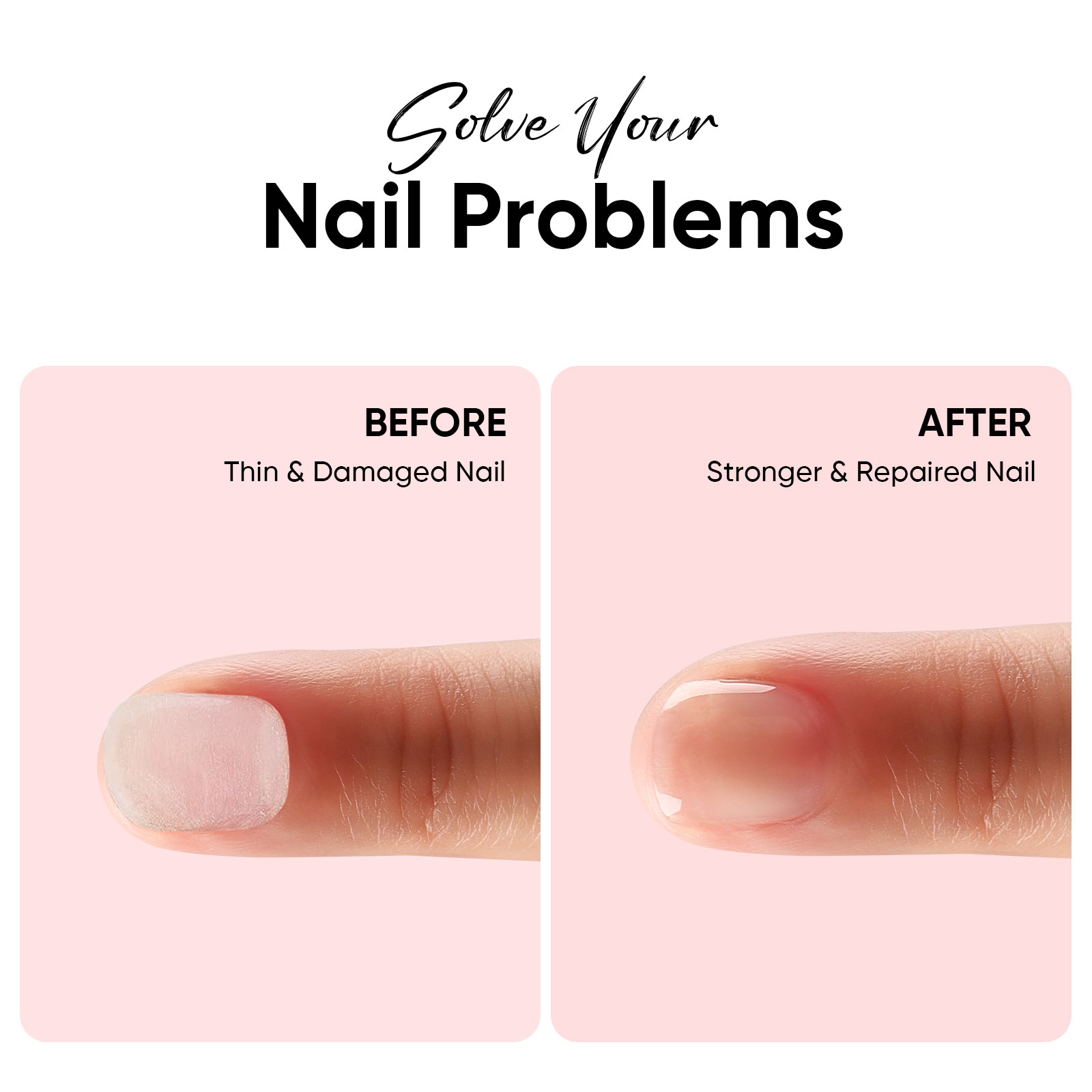
Another essential benefit of a base coat gel polish is its ability to reinforce and smooth the nail. Many professional base coats are now infused with biotin, keratin, calcium, or vitamin E, ingredients that are known to strengthen weak or damaged nails. These compounds support the nail's natural structure, thereby reducing flaking, peeling, and breakage.
In addition to its strength, the base coat helps to create an even surface. Nails with ridges or texture irregularities can cause uneven gel application and premature chipping. A smoothing gel nail polish base coat fills in these imperfections, ensuring a uniform layer for color polish to adhere to and improving the longevity of the manicure.
Enhancing Adhesion Without Harsh Primers
Historically, nail technicians frequently used acid-based primers to enhance adhesion, but these products could potentially cause irritation or long-term damage. Today's professional gel polish base coat is formulated to bond gently but effectively with the nail surface, thus eliminating the need for aggressive priming steps.
These modern base coats utilize non-acidic adhesion promoters that grip the nail plate without causing any damage. This makes them especially valuable for clients with sensitive skin or thin, damaged nails. A high-quality base coat gel nail polish is essential for ensuring strong wear performance without compromising nail health. This is achieved by combining superior adhesion with a gentle touch.
Key Ingredients That Make a Base Coat Safe and Effective
The selection of a high-quality professional gel polish base coat necessitates a comprehensive understanding of the ingredients that guarantee both safety and enduring performance. Modern formulas prioritize clean, non-toxic components to protect nails and reduce allergic reactions. Please find below a list of key considerations to keep in mind when selecting your base coat.
Why HEMA-Free, Vegan, and Non-Toxic Formulas Matter
HEMA, a common ingredient in many gel products, can cause allergic reactions and irritation in sensitive users. The use of an HEMA-free gel base coat polish significantly reduces these risks, ensuring safer and more comfortable manicures. Furthermore, vegan and cruelty-free certifications are of particular interest to ethical consumers, who are seeking products that align with sustainable and animal-friendly standards. These clean formulas not only protect the natural nail but also meet the growing demand for health-conscious beauty products.
Ingredients to Avoid in Low-Quality Base Coats
Some lower-grade base coat gel nail polish products contain harmful substances like formaldehyde, toluene, and DBP. These chemicals have the potential to weaken nails, cause brittleness, and pose long-term health concerns. Inferior resins and plasticizers also compromise adhesion and durability, leading to premature chipping or peeling. It is recommended that professional salons and consumers carefully examine ingredient lists and give priority to certified, safe formulas in order to ensure both nail health and quality results.

How to Choose the Right Base Coat for Your Nail Type
It is important to note that not all nails are created equal, and the choice of gel polish base coat should reflect specific needs. Regardless of whether you are a salon professional or a home user, matching the base coat to nail type ensures superior results and long-term nail health.
For Weak, Brittle Nails: Look for Reinforcing Ingredients
It is important to note that not all nails are created equal, and the choice of gel polish base coat should reflect specific needs. Regardless of whether you are a salon professional or a home user, matching the base coat to nail type ensures superior results and long-term nail health. Clients with thin or brittle nails benefit most from strengthening base coats. These versions include fiber-reinforced gels or nutrients such as vitamin E and calcium, which enhance nail hardness and flexibility. They minimize breakage and peeling while promoting a healthier nail bed, which is crucial during repeated gel applications.
For Sensitive Nails: Gentle Formulas Are a Must
Should you or your clients experience redness, irritation, or peeling after gel services, it would be advisable to switch to a hypoallergenic base coat for gel polish. Our product range includes gentle formulas that are free from strong solvents and aggressive adhesives. These products offer a safer experience while still delivering excellent adhesion. When selecting a product, it is advisable to look for certifications and lab-tested safety data in order to ensure reliability.
Why Nail Professionals Trust Hanyinails Base Coats
In a saturated market, nail professionals prioritize brands that demonstrate a commitment to innovation, safety, and consistent quality. Hanyinails is a company that has been in the industry for over 12 years, specializing in OEM solutions. We deliver high-performance professional gel polish base coat solutions that meet the demanding needs of salons and private labels worldwide.
Safe, Long-Lasting Formulas That Prioritize Nail Health
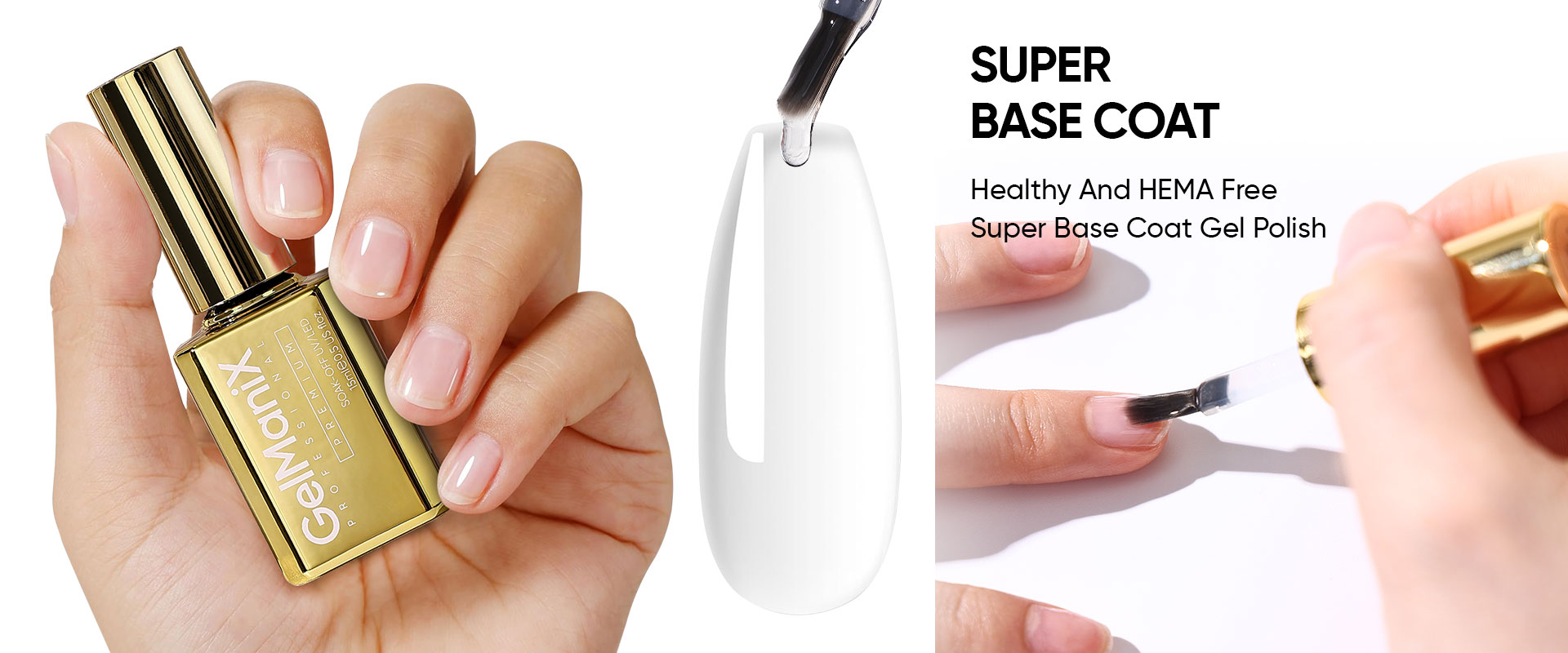
Hanyinails bases are formulated with precision to protect and strengthen natural nails. Their products are HEMA-free, vegan, and cruelty-free, making them suitable for sensitive clients. The builder base coats incorporate self-leveling technology and reinforcing ingredients, which smooth the nail surface and fortify the nail plate, reducing damage during application and removal.
Reliable Performance Across Various Conditions
Hanyinails base coats are designed for durability. They cure quickly under LED or UV lamps and maintain a clear, glossy finish for up to three weeks. These formulas are engineered to resist yellowing, peeling, and chipping, thereby ensuring long-lasting manicures, whether applied professionally or at home.
Extensive Customization and Private Label Support
In addition to its commitment to product excellence, Hanyinails provides its customers with flexible customization options and competitive minimum order quantities. Their comprehensive range of bottle molds, packaging solutions, and complimentary design, photography, and logistics support make them an ideal partner for nail brands seeking to establish or expand their market presence without compromising quality.

Conclusion: Protect Your Nails with the Right Base Coat, Partner
A high-quality professional gel polish base coat is more than just an additional step in your nail routine; it constitutes the foundation of healthy, long-lasting beauty. A high-quality base coat can have a significant impact on the performance and protection of a product, as it can prevent stains, strengthen weak nails, and improve polish adhesion. Choosing the right formula is key to ensuring that your manicures not only look stunning but also preserve the natural strength of your nails over time.
If you are looking for a partner that can deliver on quality, safety, and customization, Hanyinails is the ideal manufacturer to consider. Hanyinails is supported by advanced R&D, globally certified production, and a deep understanding of the needs of professionals in the industry. The company helps brands and salons to develop and expand with confidence.
Should you wish to explore our premium base coat solutions and begin building your own trusted product line, please do not hesitate to get in touch.
Glow Cat Eye Line Disappears After Top Coat? Here's How to Fix It
HEMA-Free Glow Gel for Sensitive Nails – A Complete Guide to Safe, Luminous Manicures
How to Prevent Nail Polish from Chipping – Expert Tips for a Long-Lasting Manicure
HEMA-Free Chrome Nail Polish: Meeting Global Safety Standards for Your Brand
Neon Cat Eye vs Regular Cat Eye: Which Magnetic Nail Effect Is Right for You?
HEMA-Free Gel Polish
Where can I buy your HEMA-free collection?
Shop now: YourBrand.com/HEMA-free
Sample kits available—try before bulk ordering!
Are HEMA-free gels as durable as regular gels?
Yes! Modern HEMA-free formulas:
Last 14-21 days with proper application
Resist chipping/peeling
Offer comparable shine
Pro Tip: Prep (dehydrate/buff) is extra important for adhesion.
For Products
What is the best way to store Nail Gel?
Nail Gel Polish is light sensitive, so if it’s exposed to undesirable light there is a possibility that your gel polish could get clumpy and cure in the bottle. If you love our product as much as we do keep it safe from clumping! Make sure you’re storing your polishes in a dry and cool area.
For Company
When was Hanyi founded?
Hanyi was established on March 8, 2016
TPO -Free Gel Polish
What is TPO in gel polish?
TPO (Trimethylbenzoyl Diphenylphosphine Oxide) is a photoinitiator used to cure gel polish under UV/LED lamps. While effective, some studies suggest it may cause skin sensitivity with prolonged exposure.
Recommended for You
🔑 Key Features:
-
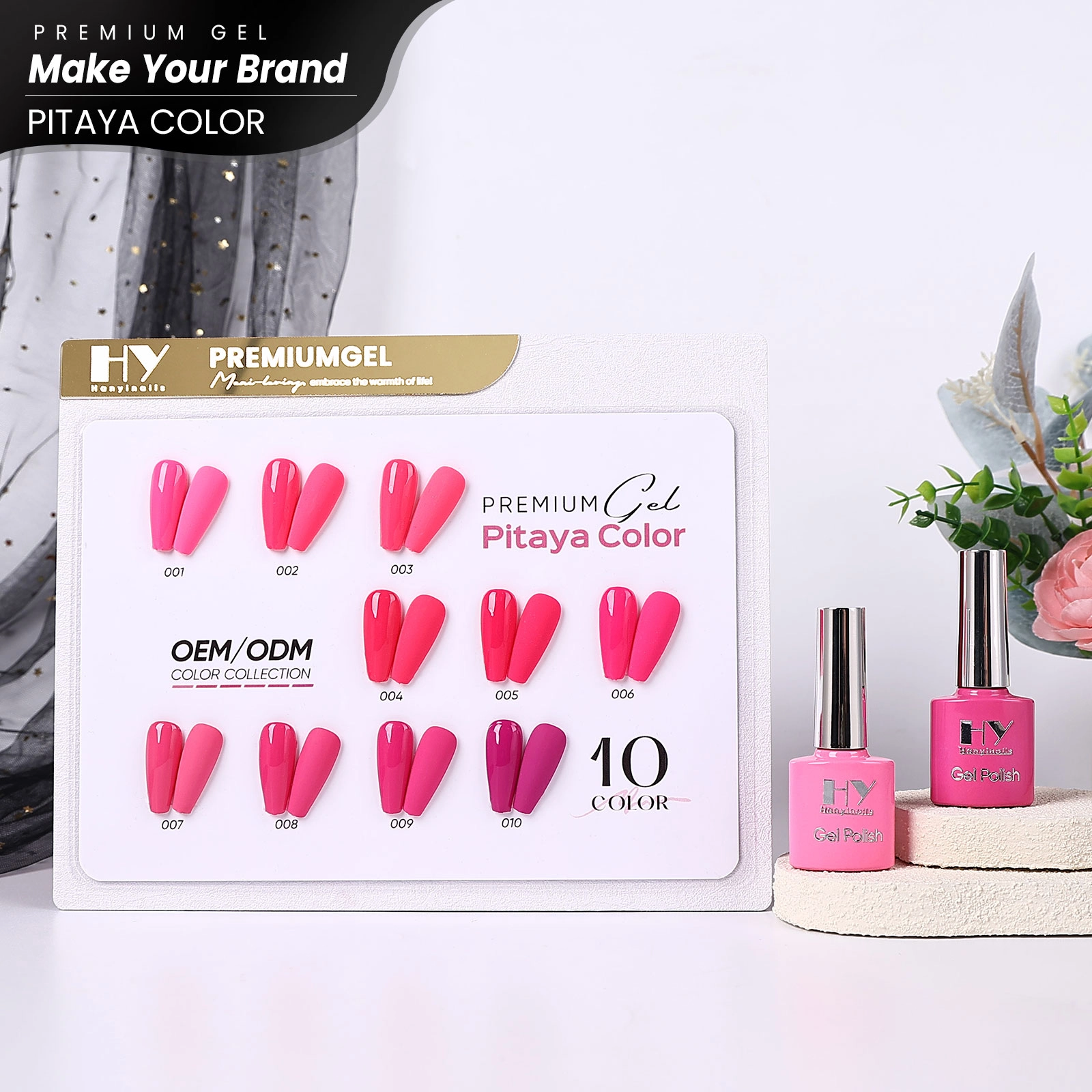
🌸 Vibrant Pitaya Pink Color—Trendy and bold, perfect for all skin tones and seasons.
-
💅 Long-Lasting Formula—Stays chip-free for up to 21 days with proper application.
-
✨ High Gloss Finish—Provides a salon-quality shine that won't dull.
-
🌿 Eco-Friendly & Cruelty-Free – Made with non-toxic ingredients, gentle on nails.
-
🛠️ OEM/ODM Support—Customize color, packaging, logo, bottle shape, and more.
-
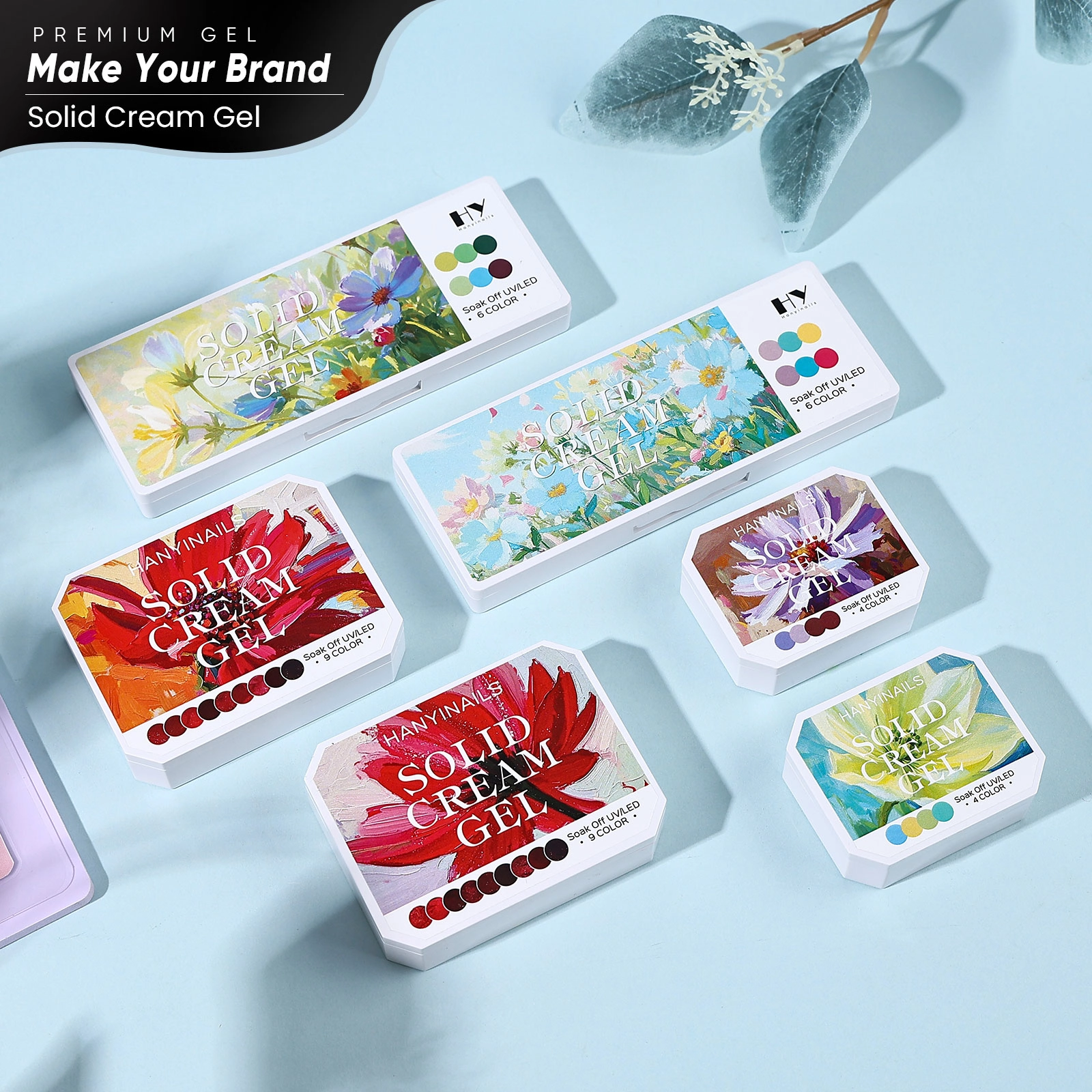
✨ Key Features:
✔ 100% HEMA-Free Formula—Gentle on nails and skin, ideal for sensitive users and allergy-prone customers.
✔ Vegan & Organic—Cruelty-free, eco-conscious, and skin-friendly.
✔ Vibrant Colors & Pigmentation—Rich, full-coverage colors with intense pigment that require only a thin layer for bold results.
✔ Quick & Easy Application—Smooth consistency that applies evenly for professional-looking results at home or in the salon.
✔ Safe for Sensitive Skin—Formulated without harmful chemicals and safe for most nail types, including sensitive skin.
✔ OEM/ODM Support—From formula tweaks to bulk orders, we bring your brand to life.
Ideal for salons, indie brands, and retailers who value safety, sustainability, and standout style.
"Get vibrant, long-lasting color—unlock creativity with Pat Pat Gel ."
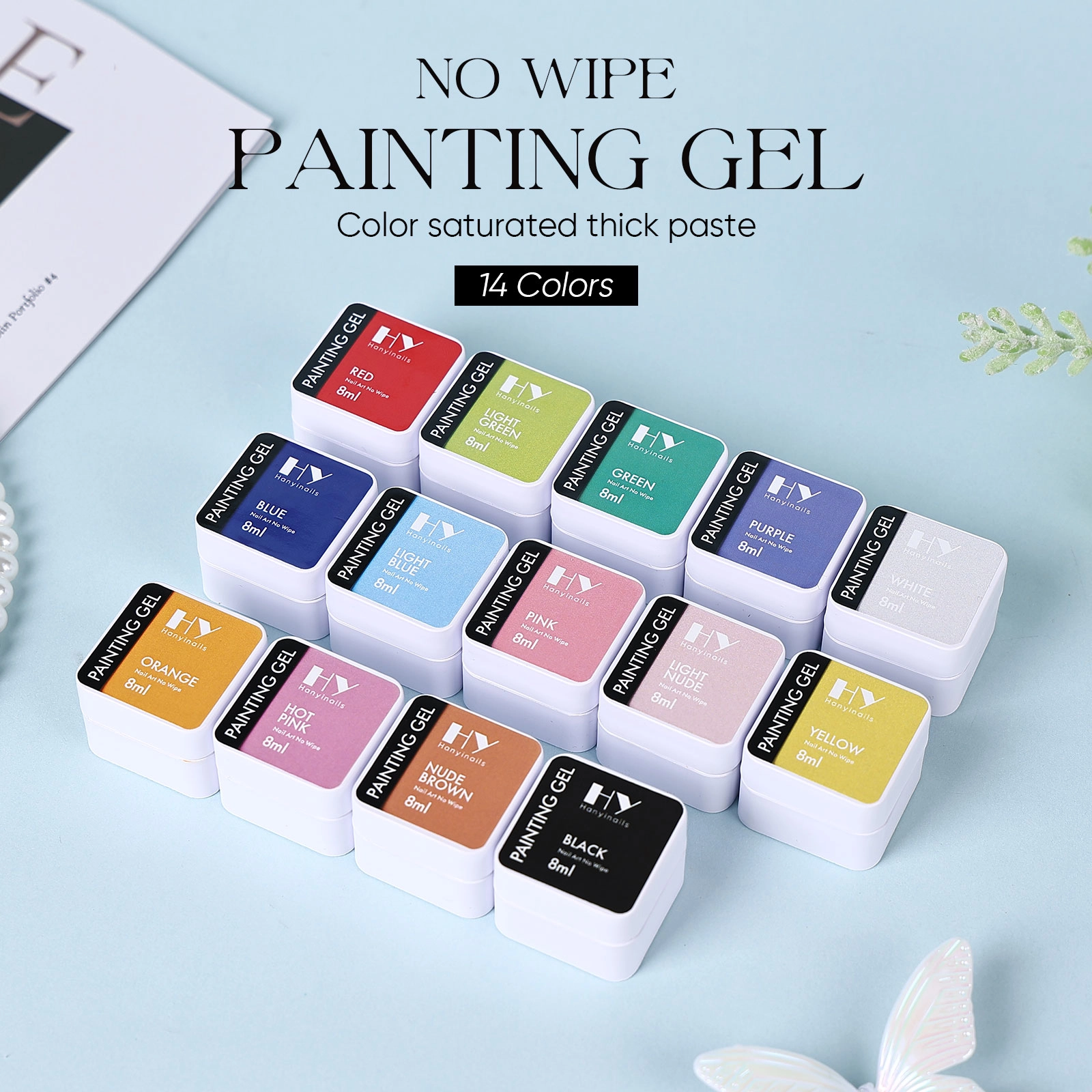
✨ Key Features:
✔ 100% HEMA-Free Formula—Gentle on nails and skin, ideal for sensitive users and allergy-prone customers.
✔ Vegan & Organic—Cruelty-free, eco-conscious, and skin-friendly.
✔ No-Wipe Formula—The finish leaves no sticky layer, eliminating the need for additional top coats or wipe-off solutions.
✔ Vibrant Colors & Pigmentation—Rich, full-coverage colors with intense pigment that require only a thin layer for bold results.
✔ Quick & Easy Application—Smooth consistency that applies evenly for professional-looking results at home or in the salon.
✔ Quick & Easy Application—Smooth consistency that applies evenly for professional-looking results at home or in the salon.
✔ Safe for Sensitive Skin—Formulated without harmful chemicals and safe for most nail types, including sensitive skin.
✔ OEM/ODM Support—From formula tweaks to bulk orders, we bring your brand to life.
Ideal for salons, indie brands, and retailers who value safety, sustainability, and standout style.
"Get vibrant, long-lasting color—unlock creativity with Paint Gel."
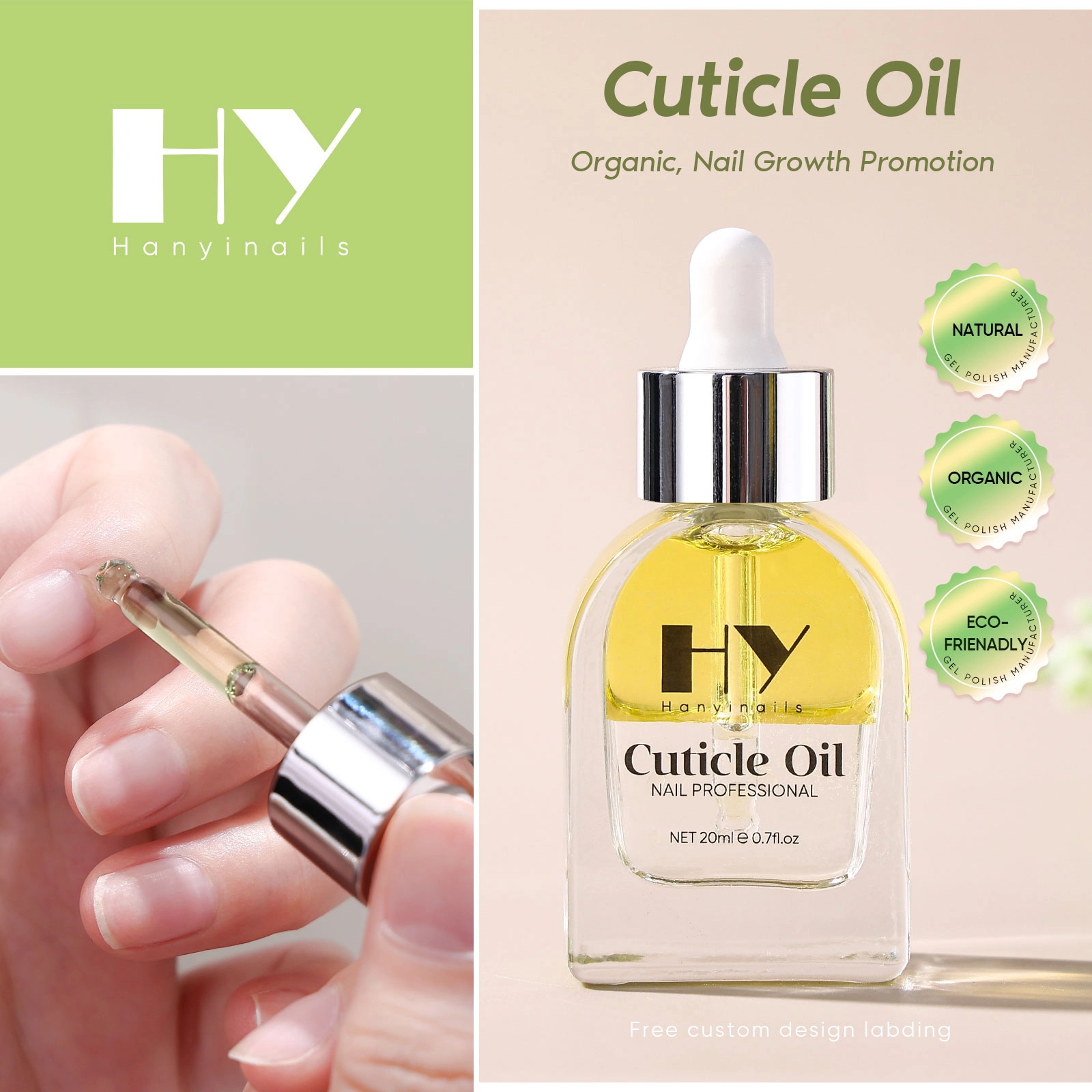
✨ Key Features:
✔ Vegan & Organic—Cruelty-free, eco-conscious, and skin-friendly.
✔ Deep Moisturizing Formula—Softens dry, cracked cuticles and nourishes surrounding skin
✔ Promotes Healthy Nail Growth—Supports stronger, longer nails with regular use
✔ Natural & Plant-Based Oils—Infused with ingredients like Vitamin E, Jojoba, and Sweet Almond Oil
✔ Non-Greasy & Fast-Absorbing – Leaves no residue; perfect for daily use or on-the-go hydration
✔ Lightweight & Refreshing Scent – Gentle floral or fruity aroma adds a spa-like touch to your nail routine
✔ Perfect for At-Home or salon use—great for professional manicures or personal nail care routines
✔ Suitable for All Skin Types—Gentle on sensitive skin, cuticle areas, and nail beds
"Perfect for repairing dry cuticles and promoting healthy nail growth."
Looking for a creative, premium, and reliable nail product manufacturer?
Whether you're an Amazon seller, Shopify store owner, chain store buyer, brand owner, distributor, wholesaler, or nail supply retailer — Hanyinails is your trusted partner for custom and wholesale nail solutions.
Hanyinails
Hanyinails
Hanyinails
Hanyinails