

HEMA-Free Builder Gel vs. Traditional Builder Gel: Which One Is Better for Sensitive Nails?
Discover the benefits of Hanyinails' HEMA-free builder gel compared to traditional builder gel. Ideal for sensitive nails, our HEMA-free formula ensures strength and safety without irritation. Learn which builder gel suits your nail care needs best in our detailed comparison.
- Understanding Builder Gels: An Overview
- What Is Traditional Builder Gel?
- What Is HEMA-Free Builder Gel?
- The Role of HEMA in Nail Gels
- What Is HEMA, and Why Is It Used?
- Potential Allergic Reactions and Sensitivities Caused by HEMA
- Benefits of Using HEMA-Free Builder Gel for Sensitive Nails
- Reduced Risk of Allergic Reactions
- Better Breathability and Nail Health
- Advantages and Limitations of Traditional Builder Gel
- Strong Adhesion and Durability
- Common Issues for Sensitive Nail Users
- Comparing Methacrylate-Free and Traditional Builder Gels for Long-Term Nail Health
- Performance and Safety Differences
- Recommendations for Professionals and DIY Users
- How HEMA-Free Builder Gels Support Long-Term Nail Health
- Maintaining Nail Integrity Over Time
- Professional and Home Use Guidelines
- How to Choose the Right Builder Gel for Sensitive Nails
- Identifying Your Nail and Skin Sensitivity
- Key Ingredients to Avoid
- Application Tips for Builder Gels on Sensitive Nails
- Proper Nail Preparation
- Application Techniques to Minimize Irritation
- Aftercare for Maintaining Nail Health
- Conclusion: Which Builder Gel Is Best for Sensitive Nails?
- FAQs — HEMA-Free Builder Gel and Sensitive Nail Care
Understanding Builder Gels: An Overview
Builder gels are thick and viscous nail enhancement products that are used to make strong overlays or extensions. They are cured by UV or LED lights and are popular due to their high strength as compared to regular nail polishes or gel polishes. Builder gels are either applied on natural nails or tips and are mostly used in professional salons to provide lasting manicures. They are specifically formulated to shape and hold nail architecture and thus are suitable for weak, brittle, or short nails.
The market currently has two major types of builder gels: the traditional builder gels and the HEMA-free builder gels. Although both have the same basic use, nail building and strength enhancement, they are different in terms of chemical composition and safety of use. These background differences need to be realized before you can make a choice on which product will be most appropriate to your personal or professional needs.

What Is Traditional Builder Gel?
The traditional builder gel is a monomer formulation that usually contains HEMA (hydroxyethyl methacrylate), which is a major ingredient that enhances good bonding with the natural nail. It is well known to be very durable, clear, and self-leveling, which is why it is preferred by professional nail technicians. Once applied, it is cured either by UV or LED light to make it hard and durable. Such a builder gel is suitable when the client wants long extensions, nail art, or hard gels that last weeks.
Nonetheless, HEMA, though it is helpful in bonding, may be problematic to clients with sensitive skin or nail beds. HMA can also result in itching, redness, or peeling even at low concentrations, especially when repeated exposures are being used. Although the traditional builder gels still remain the best in terms of performance and strength, they might not be the safest option for all people, especially those who are likely to be allergic.
What Is HEMA-Free Builder Gel?
HEMA-free builder gel is a special gel formulated without hydroxyethyl methacrylate, a common allergen in many gel systems. By eliminating this component, manufacturers offer a less aggressive option that reduces the chances of contact dermatitis, allergic reactions, and skin sensitivities. These gels continue to provide the main advantages of structure, strength, and long-term wear, and they are appropriate for those users who would like to receive the benefits of builder gels without sacrificing nail or skin health.
Most modern HEMA-free formulas provide good adhesion and wear even though they do not contain HEMA. They have the same texture and curing characteristics as the traditional ones, and professional nail techs can use them with minimal or no learning curve. As the demand for safer, non-toxic beauty products is increasing, HEMA-free builder gels are becoming popular in professional salons as well as the home-use market.
The Role of HEMA in Nail Gels
To know the actual difference between HEMA-free and conventional builder gels, it is necessary to learn how HEMA fits into the chemistry of nails.
What Is HEMA, and Why Is It Used?
HEMA, or hydroxyethyl methacrylate, is a low-viscosity compound that is treasured in nail products due to its ability to form strong bonds between gel and natural nails. It enables the builder gels to adhere well even in oily or thin nail plates. It also improves flexibility, and it does not crack or chip during use. It is very compatible with other monomers and additives in conventional builder systems because of its curing behavior under UV or LED light.
Potential Allergic Reactions and Sensitivities Caused by HEMA
HEMA allergy may be in the form of contact dermatitis, which is characterized by redness, swelling, itching, and blisters around the nail bed or near the cuticle. Both the clients and the nail technicians may experience these reactions because of the frequent contact with the skin, particularly when no protective measures are observed. The risk is even more pronounced when there is no proper ventilation or when there is no constant use of gloves in the application process.
In people who have a known sensitivity or poor skin barrier, a small amount of HEMA in conventional builder gel can cause discomfort. In the long run, this may cause the nails to thin, fall off, or remain inflamed. That is why nowadays many salons have HEMA-free builder gel on offer as an alternative that is less harsh to clients with allergies or sensitive nails, in particular, when it is important to consider the long-term health of nails.
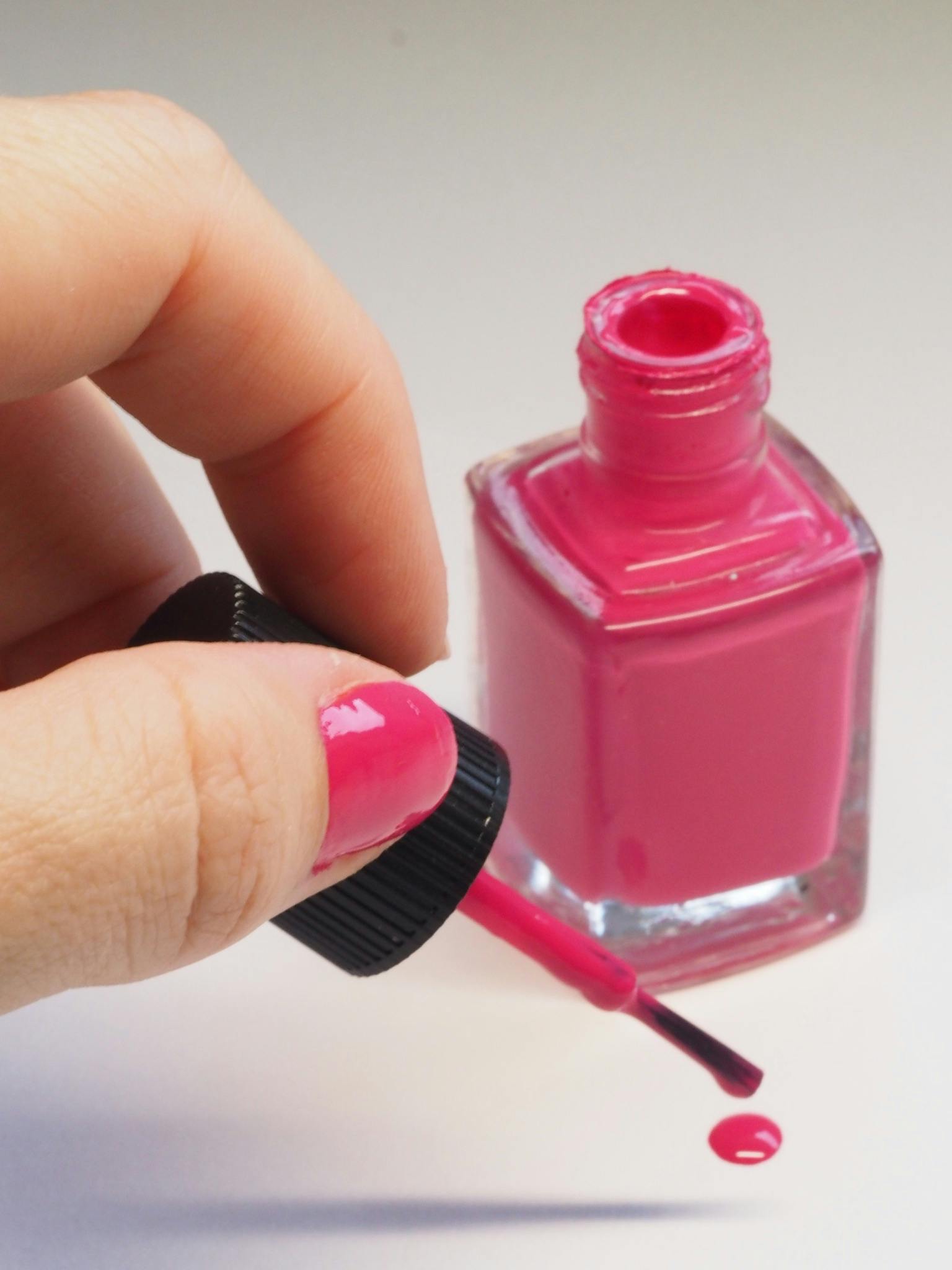
Benefits of Using HEMA-Free Builder Gel for Sensitive Nails
People with sensitive nails or skin should be very careful when choosing the nail enhancement product. The HMA-Free Builder Gel has become the perfect alternative to this category, and it has been performing very well, without any of the discomfort or risks of HEMA.
Reduced Risk of Allergic Reactions
The most apparent and significant advantage is the lower possibility of allergic reactions. These builder gels also reduce one of the most widespread allergens in nail enhancement products by removing HEMA. HEMA-free formulas are safer and more comfortable to use by clients who have had a previous experience of irritation, sensitivity, or inflammation. Even nail technicians are not spared because they are also exposed to occupational sensitization due to the long-term exposure to gel products.
Better Breathability and Nail Health
Certain HEMA-free formulas are made to be more breathable, with a little water vapor permeability. This will avoid moisture entrapment and minimize chances of fungal infection—especially in clients who are prone to nail damage. In addition, there are no harsh bonding agents that damage the natural nail plate, leading to better long-term nail health and fewer instances of nail peeling or brittleness following removal of the product.

Advantages and Limitations of Traditional Builder Gel
Although HEMA-free builder gel is gaining popularity, traditional builder gel is still a constant in most professional nail salons. It is important to learn about the advantages and disadvantages of traditional systems when it comes to deciding the gel to use in your practice.
Strong Adhesion and Durability
Among the key benefits of Traditional Builder Gel is the fact that it adheres strongly to the natural nail. HEMA is a good bonding agent that prevents lifting and increases wear life. This is why traditional gels are the perfect choice when the clients want strong overlays or durable nail art. They are also preferred for use in more advanced techniques such as sculpting and shaping because of their consistency and predictable curing behavior.
Common Issues for Sensitive Nail Users
To the person with sensitive nails, this strong adhesion can be a two-edged sword. The aggressive bond can put stress on the nail plate that can lead to thinning or soreness when removed. In addition, the exposure to HEMA can lead to physical discomfort during the curing process, including heat spikes or chemical burns. Although these reactions do not affect all users, they are widespread enough that many professionals now provide Builder Gel for Sensitive Nails in HEMA-free formulations as a milder alternative.
Comparing Methacrylate-Free and Traditional Builder Gels for Long-Term Nail Health
Since nail health is an emerging trend among professionals and the DIYers, the adoption of a methacrylate free builder gel has gained popularity. These formulations are safe and yet powerful in comparison to the conventional builder gels that have HEMA.
Performance and Safety Differences
Builder gel hema free is a formulation specifically designed to offer high strength, flexibility and easy application in the absence of a widely used allergen HEMA. Methacrylate-free gels are modern and cureable under the UV or LED lights enabling long-lasting overlays and nail extensions with minimal chances of irritation, redness, or thinning of the nail plate.
|
Feature |
Methacrylate-Free Builder Gel |
Traditional Builder Gel |
|
Main Ingredients |
HEMA-free, no methacrylate |
Contains HEMA or other methacrylates |
|
Allergy Risk |
Low |
Medium to high |
|
Nail Damage |
Minimal |
Can stress natural nails over time |
|
Strength & Durability |
High |
High, but may cause micro-damage |
|
Suitable Users |
Sensitive nails, frequent users |
Normal nails, non-sensitive users |
The best hema free builder gel will provide clients with strong and long lasting nails without any harm to the natural nail health and hence can be used in the high frequency salon applications.
Recommendations for Professionals and DIY Users
To the professionals, builder gel without hema will be the best gel to use in customers with sensitive nails or when they are doing continuous fills. The benefits of builder gel hema free are best maximized by proper use such as by applying it in thin layers, ensuring that it is cured, and being careful with buffing.
Hema free gel builder can be safely used by DIY users; however, after reading the instructions, not to use too thick layers, and to provide the natural nails with a rest in between applications. This strategy will lead to healthy and strong nails and decrease the chance of their irritation or injury.
How HEMA-Free Builder Gels Support Long-Term Nail Health
HEMA-free builder gels do not only cause less harm to the sensitive nails, but also serve to preserve the natural nails with time. These are perfect in a professional parlor and in domestic consumers who seek healthier nail polish solutions.

Maintaining Nail Integrity Over Time
Constancy of the builder gel hema reduces the traumas on nails during the removal and reapplication. The nail thickness, elasticity and surface smoothness can be maintained by regular treatment, including moisturizing dry areas, taking breaks between fills and further drying the nail surface. This helps to keep the nails healthy and prevents peeling or brittle, and this can be achieved through long term usage.
Professional and Home Use Guidelines
Both professionals and home users should follow these best practices when working with builder gel without hema:
- Light buffing of the nail plate is done, but not overly, to take off the shine.
- Use thin uniform coats of paint to get maximum curing and minimum heat spikes.
- Apply UV/LED lamps which are well calibrated as per the instructions.
- Wipe off cuticles and rest between fills or overlays.
By using these tips, methacrylate free builder gel will offer long-lasting salon-quality results and maintain the natural nails in healthy and strong conditions.
How to Choose the Right Builder Gel for Sensitive Nails
Choosing the best builder gel for sensitive nails is not only about the performance but also about protection and customization. There are different formulas available in the market, and it is important to know how to determine the tolerance of your skin and how to read the ingredients list. In the subsequent sections, we are going to discuss how to determine your level of sensitivity and which key ingredients to avoid so that you can make informed decisions that focus on both safety and nail health.
Identifying Your Nail and Skin Sensitivity
If you are not sure about your sensitivity level, you should begin by checking the early symptoms of irritation: redness, dry spots, or tingling before or after applying. Customers with eczema, rosacea, or autoimmune diseases have a higher risk of allergic reaction to common nail chemicals. Patch testing or seeking the advice of a dermatologist can also be used to confirm whether or not you need to switch to HEMA-free builder gel based on your unique requirements.
Key Ingredients to Avoid
Besides HEMA, other components such as ethyl methacrylate (EMA), triethylene glycol dimethacrylate (TEGDMA), and benzoyl peroxide (BPO) may also be irritating. Find products that are labeled as non-toxic builder gel or hypoallergenic. Well-known brands usually provide the complete list of ingredients and specify which ones they do not use—this way you can be sure of what you are buying in terms of safety and performance.

Application Tips for Builder Gels on Sensitive Nails
Applying builder gel on sensitive nails involves more than just selecting the right product; it is about the methods of application that will minimize irritation and enhance durability. Home users and professionals alike can achieve a much better result by being cautious and careful in prep, application, and curing. This is more so in the case of Builder Gel Sensitive Nails, where precision and limited exposure are of the essence.
Proper Nail Preparation
Nail prep is something that people do not pay much attention to, but it is essential when it comes to sensitive clients. To begin with, wash hands using a mild soap and dry them. The nail plate is lightly buffed to remove shine, and then a cleanser containing mild alcohol is used. Do not over-buff, which can make the nail thin. A gentle touch during prep will keep the natural nails in good shape and will aid in the adhesion of HEMA-free builder gel.
Application Techniques to Minimize Irritation
Apply thin layers to minimize the heat surges in curing. The product should not be exposed to cuticles and other parts of the skin to prevent accidental exposure. This can be simplified and more accurate when using a brush-on HEMA-free builder gel of low viscosity. Treat using well-calibrated LED lamps according to the manufacturer's directions. Results may be compromised by over-curing or under-curing and cause sensitivity.
Aftercare for Maintaining Nail Health
Although the application is perfect, follow-up is necessary. Moisturize the cuticles, use non-acetone-based removers, and take breaks between fills or overlays. Educate clients about proper maintenance practices, especially when they use long-lasting builder gel or other enhancement systems. This aids in the general well-being of nails following the use of gel and helps to maintain natural strength and shine.
Conclusion: Which Builder Gel Is Best for Sensitive Nails?
Whether to use HEMA-free builder gel or traditional builder gel is up to you and any allergies you may have. The safer alternative is HEMA-free formulas, which do not affect performance, particularly for people with allergic reactions, skin irritation, or those who prefer not to use harsh chemicals. They minimize the chance of long-term harm and are perfect when the clients want a more comfortable and health-conscious nail service.
Hanyinails are the best choice when it comes to professionals or distributors who want to provide high-quality and skin-friendly nail solutions because Hanyinails has more than 10 years of experience in manufacturing high-quality and HEMA-free builder gels. They make vegan, non-toxic products that are certified internationally, and salons all over the world trust them. Find out about partnership or buying opportunities at www.hanyinails.com and make safer beauty available to your customers today.

FAQs — HEMA-Free Builder Gel and Sensitive Nail Care
Q1: How do I choose the best hema free builder gel for my salon?
Find products with the labelling of builder gel hema free products with certification, good adhesion, smooth application and consistent UV/LED curing properties.
Q2: Can builder gel without HEMA still provide strong nail extensions?
Yes, modern builder gel without hema formulas are created to be powerful and pliable to give permanent support to nails like the traditional gels, and are less likely to cause allergy.
Q3: How often should I apply HEMA-free builder gel on sensitive nails?
It is advisable to intermittently grant the application intervals, keep cuticles hydrated, and not to over-buff nail plate to keep nails in good health.
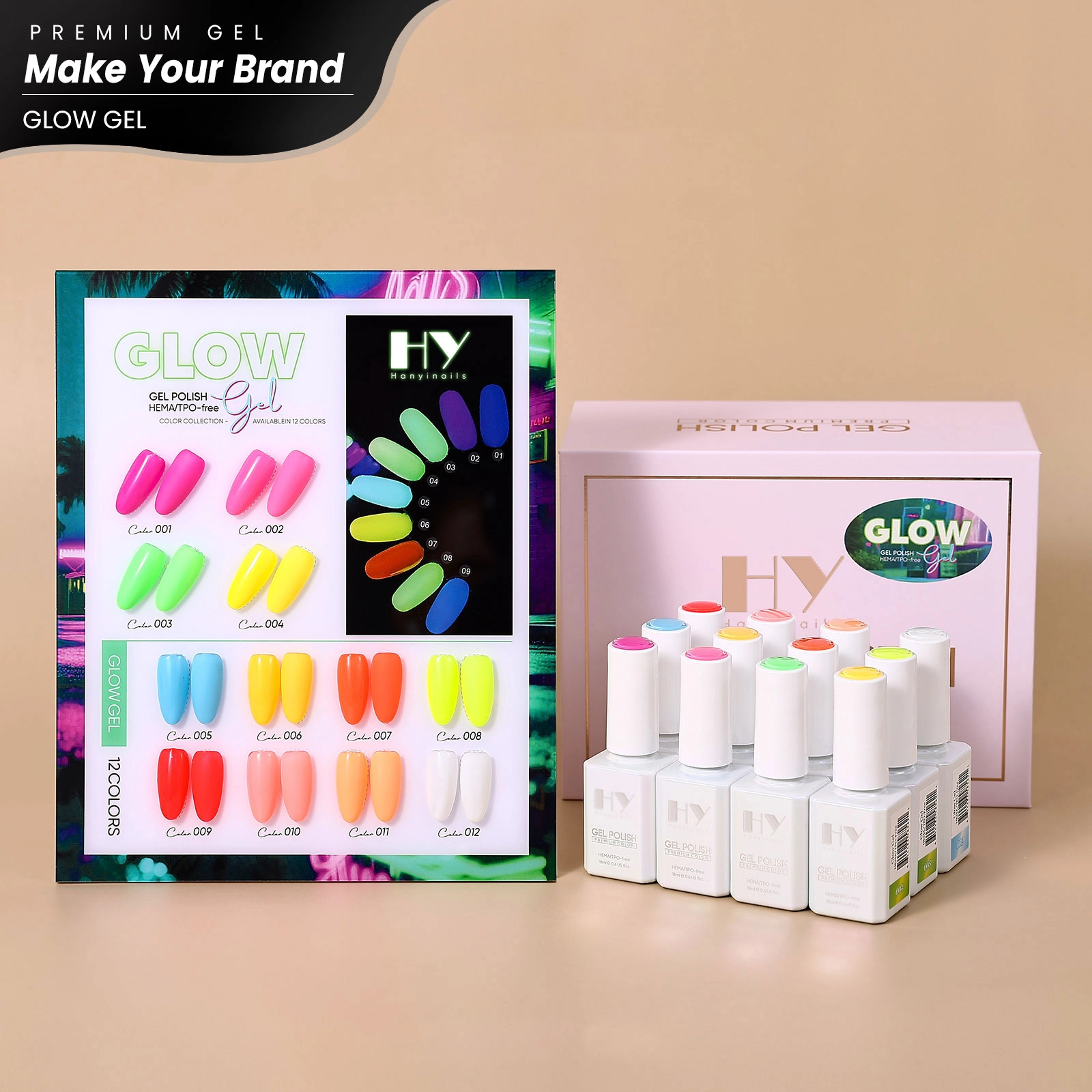
HEMA-Free Glow Gel for Sensitive Nails – A Complete Guide to Safe, Luminous Manicures
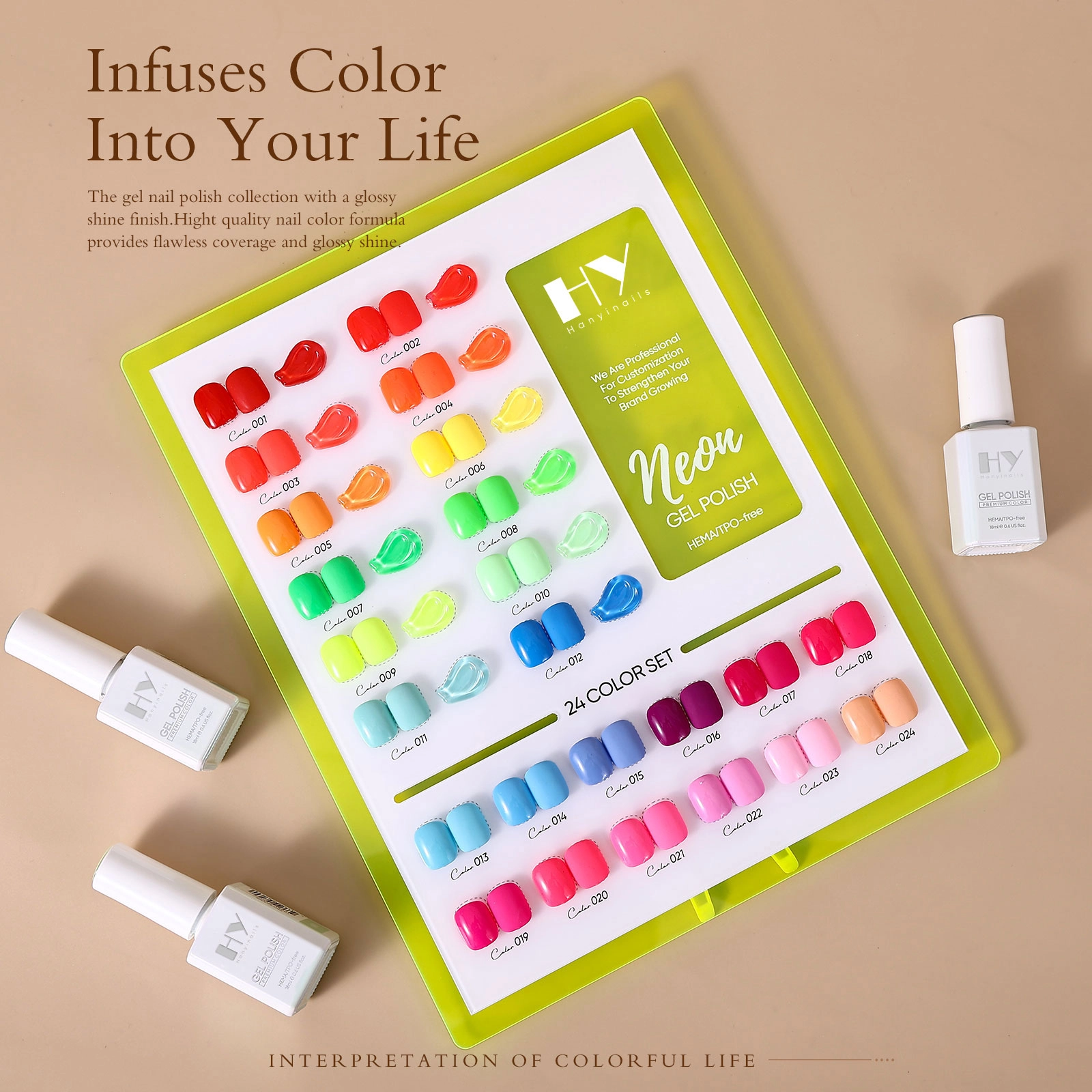
How to Prevent Nail Polish from Chipping – Expert Tips for a Long-Lasting Manicure
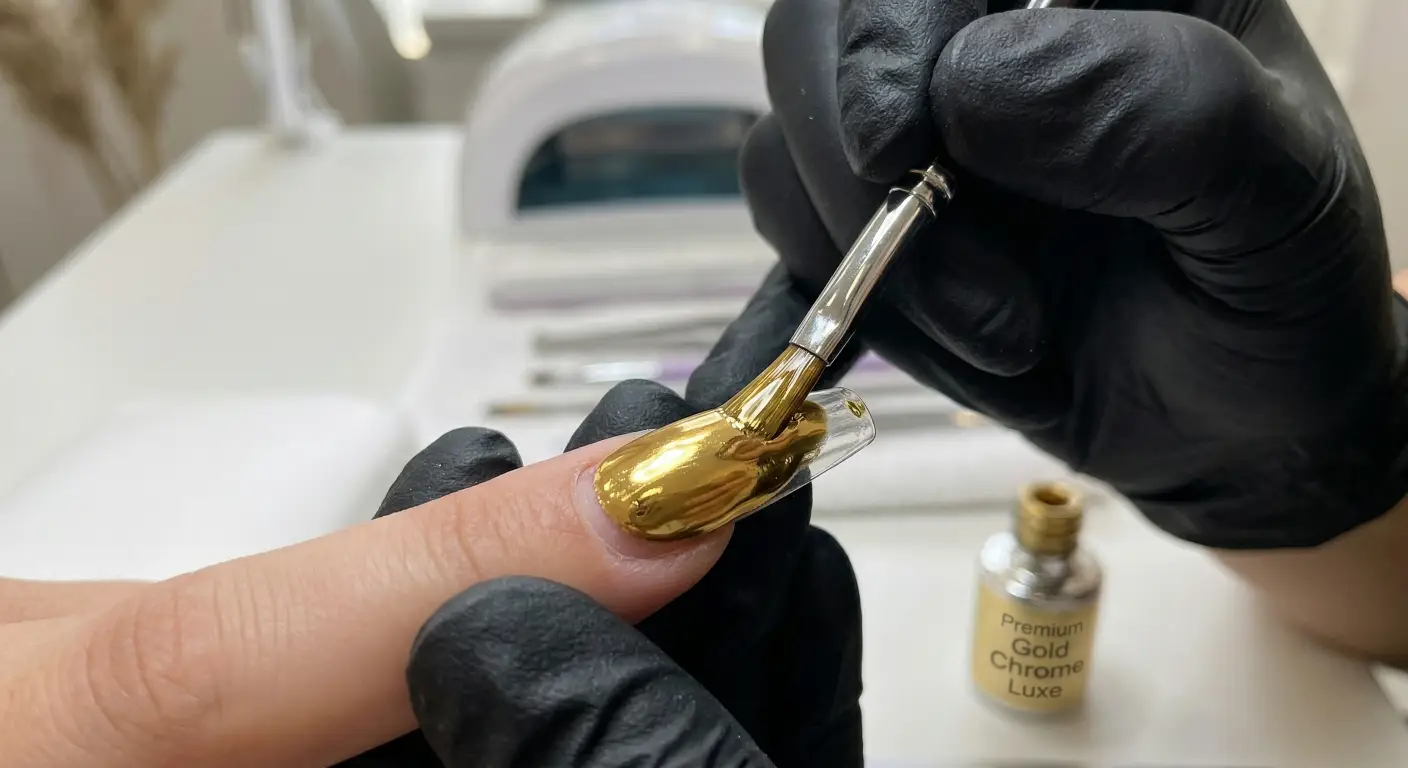
HEMA-Free Chrome Nail Polish: Meeting Global Safety Standards for Your Brand
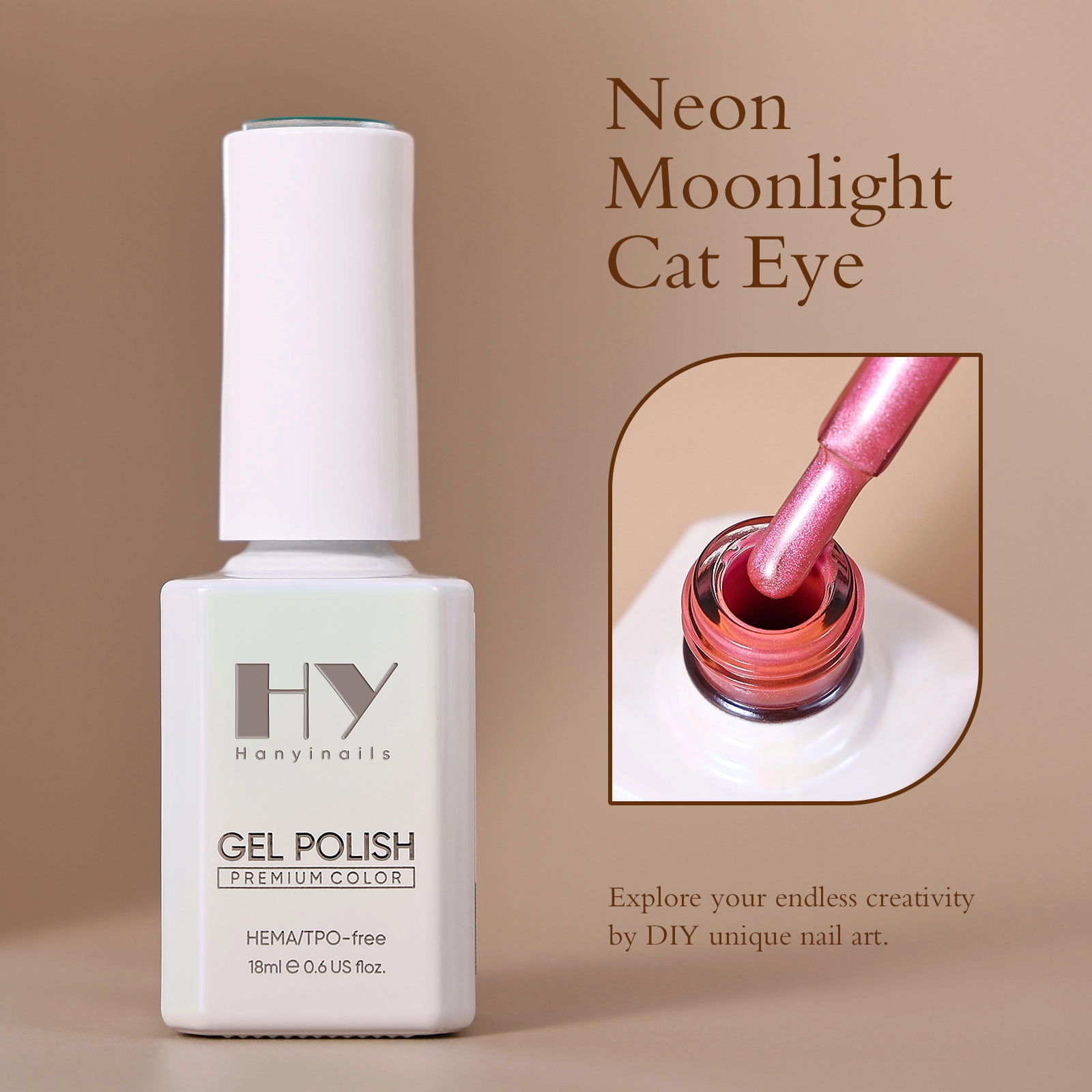
Neon Cat Eye vs Regular Cat Eye: Which Magnetic Nail Effect Is Right for You?
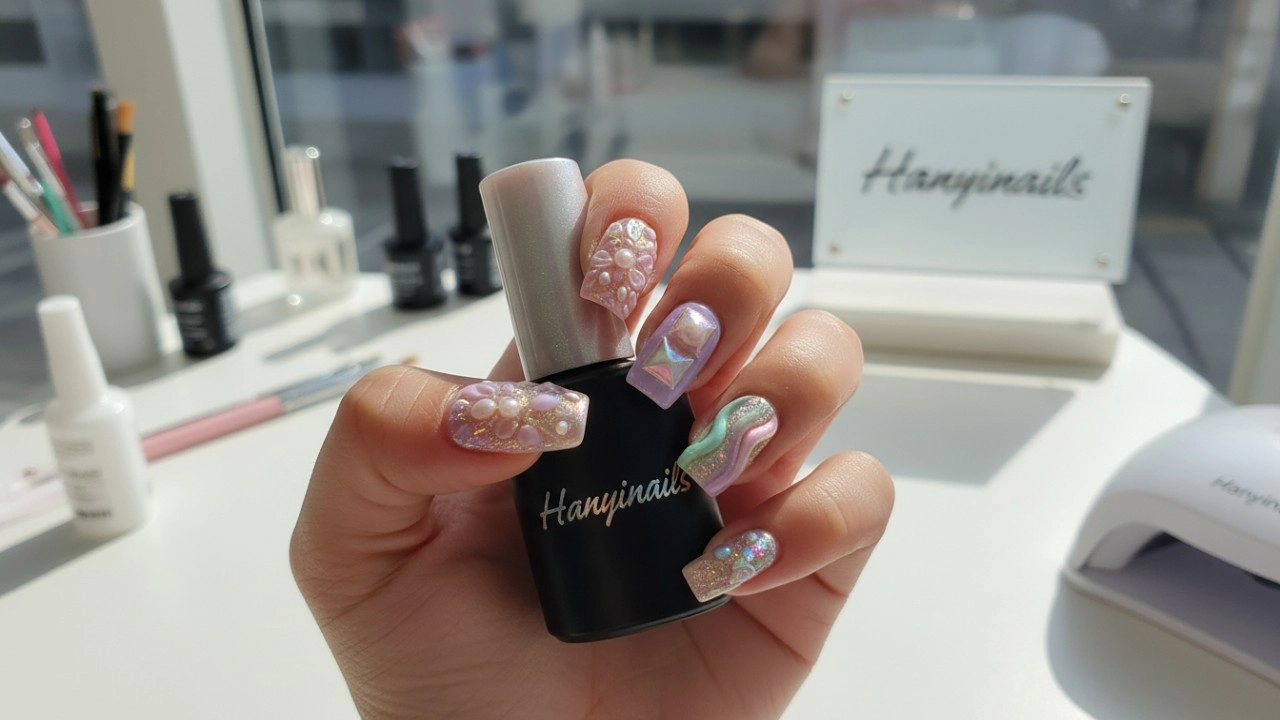
Essential 3D Gel Nail Polish Starter Kits: What Every New Salon Needs
TPO -Free Gel Polish
How do I identify TPO-free gels?
Check labels for "TPO-Free" claims
Look for certifications like EU Ecolabel
Ask suppliers for safety data sheets (SDS)
For Products
Are your products cruelty free?
Absolutely, we love our fur babies! All of our products are cruelty-free! Beauty without cruelty is something we strongly believe in and the only guinea pigs we test on is our willing team of Hanyi staff!
FAQ
How can I place an order?
Simply contact us with your requirements, and our team will guide you through the customization, production, and shipping process.
For Logistics
What is the Shipping Time?
1.Express delivery 5-7 days
2.20-25 days by sea DDP.
3.15 days by air DDP.
HEMA-Free Gel Polish
Are your HEMA-free gels vegan/cruelty-free?
Yes! All our HEMA-free gels are:
🌱 Vegan | 🚫 Cruelty-free | 🌎 9-Free (no formaldehyde, toluene, etc.)
Recommended for You

Hanyinails offers high-quality builder gel in a bottle, blooming gel, rhinestone gel, base gel, and 8-in-1 function gel. As a leading OEM/ODM nail gel manufacturer, we provide high-quality builder gel and blooming gel for superior nail art results.
💎 Our Core Gel Nail Products
1️⃣ Gel Builder in a Bottle (BIAB)
2️⃣ Rhinestone Gel—Strong Hold Nail Art Glue
3️⃣ Gel Builder (Pot Version)
4️⃣Base Gel—The Essential Adhesion Layer
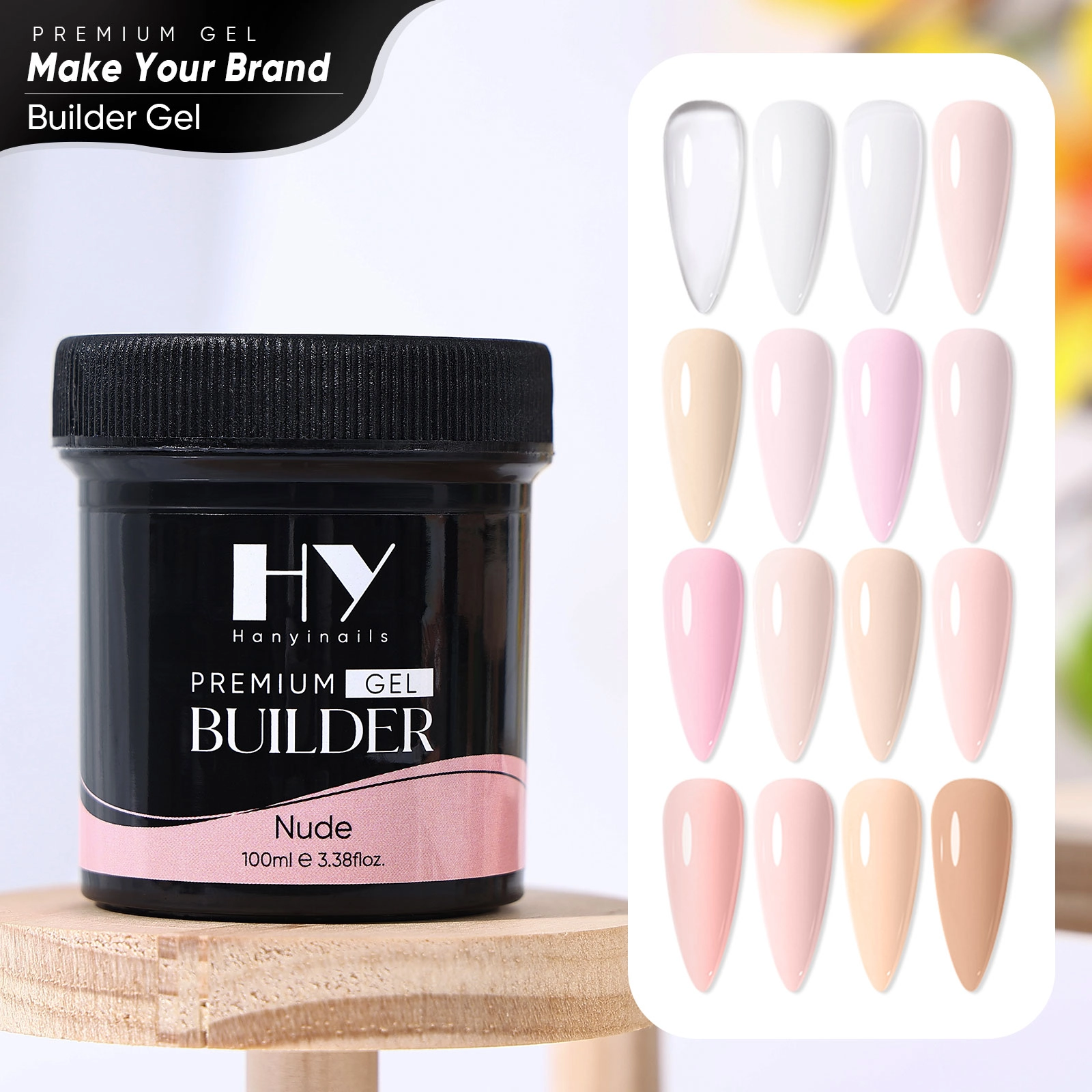
✅ HEMA-Free & Hypoallergenic
Perfect for clients with allergies or sensitive skin. No HEMA, no burning sensation, no irritation.
✅ Superior Strength & Flexibility
Ideal for overlays and short-to-medium nail extensions. Flexible texture that resists chipping and lifting.
✅ Self-Leveling Formula
Smooth application with minimal filing. Suitable for beginners and professionals alike.
✅ Crystal Clear or Tinted Options
Available in clear, nude, pink, milky white, or shimmer tones.
✅ Low Heat Spike During Curing
Comfortable LED/UV curing experience with reduced heat buildup.
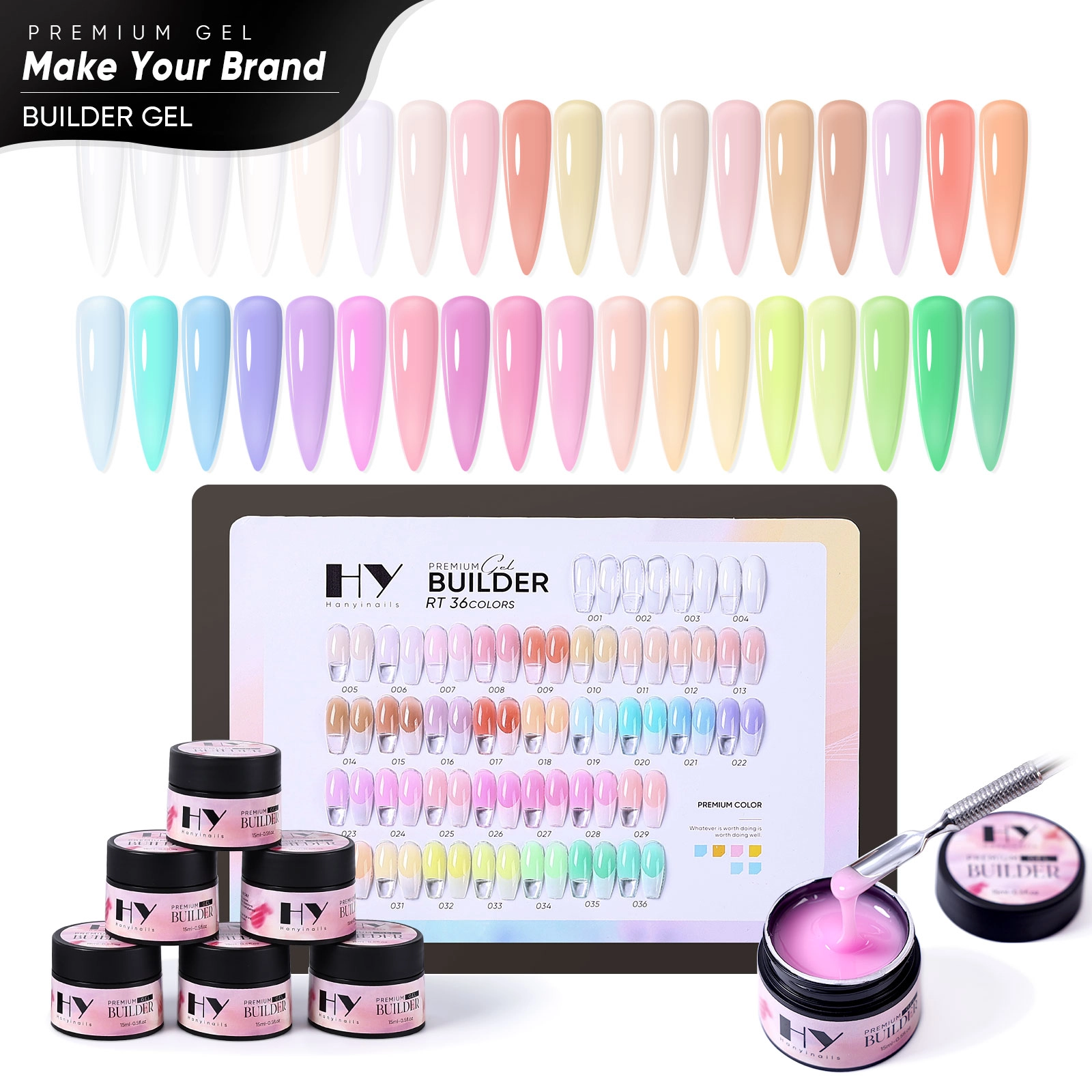
Key Features:
❌ HEMA-Free Formula – Reduces allergic reactions and is safe for sensitive clients.
🔥 No Heat Sensation—No burning feeling under UV/LED lamp, ensuring a pain-free curing process.
💅 Strong & Lightweight—Ideal for sculpting nail extensions and strengthening natural nails.
✨ Self-Leveling Texture – Smooth, easy application with minimal filing needed.
🌱 Non-Toxic & Odor-Free – Gentle formula without harmful ingredients.
🧴 Customizable OEM/ODM Options—Customize color, packaging, viscosity, jar size, branding, and more.
🔧 UV/LED Compatible—Fast curing with all standard nail lamps.
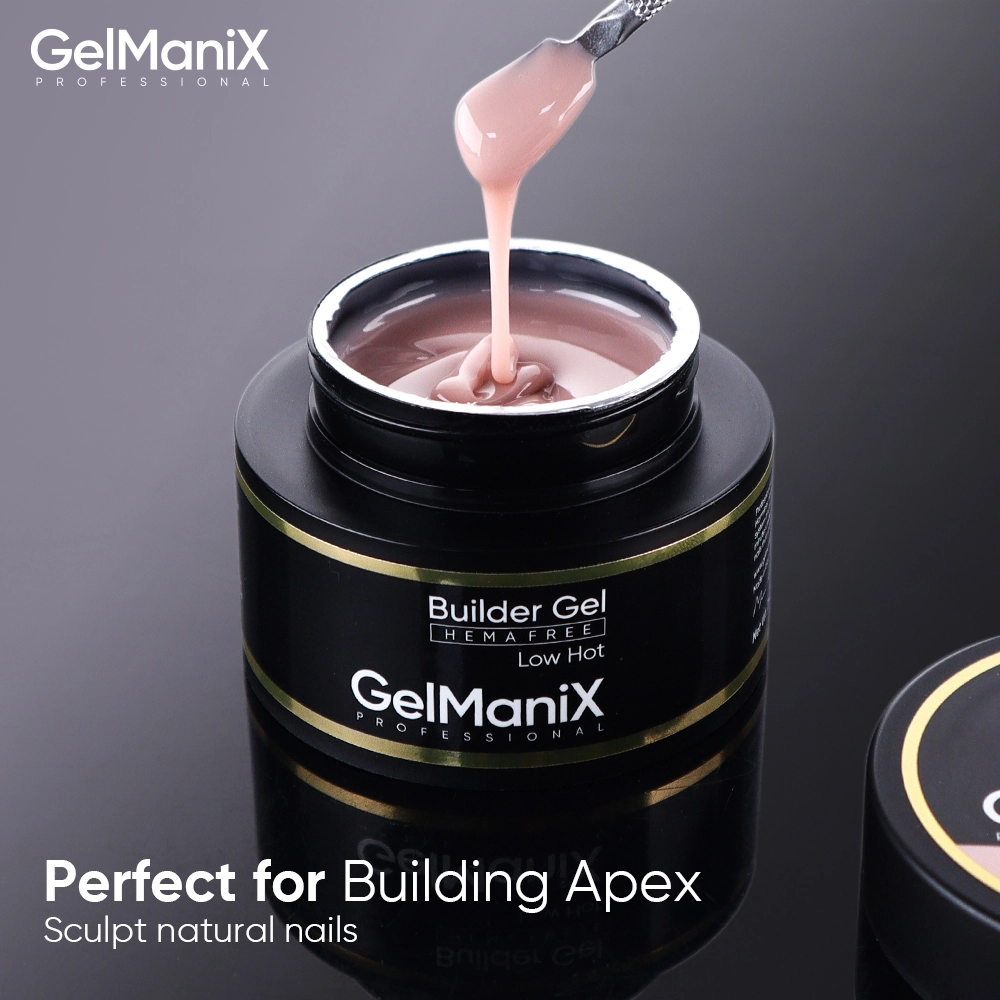
Key Features & Benefits
🔹 Large 2OZ Volume (56g)
Designed for salon use and professional nail technicians. More economical for bulk clients.
🔹 HEMA-Free & No-Heat Formula
Reduces allergic reactions and burning sensations. Safe for sensitive clients and compliant with EU/US regulations.
🔹 Hybrid Hard Gel Structure
Combines strength and flexibility—excellent for overlays, tips, sculpting, and strong base support.
🔹 Smooth & Self-Leveling Texture
Easy to apply, beginner-friendly, minimal filing required.
🔹 OEM/ODM Support
We provide full private label solutions: jar design, logo printing, and custom color & formula options.
🔹 UV/LED Curing Compatible
Cures in 60–90 seconds under standard UV/LED nail lamps.
Looking for a creative, premium, and reliable nail product manufacturer?
Whether you're an Amazon seller, Shopify store owner, chain store buyer, brand owner, distributor, wholesaler, or nail supply retailer — Hanyinails is your trusted partner for custom and wholesale nail solutions.
Hanyinails
Hanyinails
Hanyinails
Hanyinails