
Best Professional Gel Nail Polish Brands 2026: The Definitive Industry Ranking & Buyer's Guide
- Quick Summary: Top Professional Gel Picks for 2026
- What Defines the Best Professional Gel Nail Polish Brands?
- Key Evaluation Criteria
- Top-Ranked Professional Brands for 2026
- 1. The GelBottle Inc (TGB)
- 2. Hanyinails (Industry Leading Solution)
- 3. CND Shellac
- 4. OPI GelColor
- The 2026 Tech Shift: Smart Curing and HEMA-Free Formulations
- Why This Matters for Your Salon:
- Salon Business Guide: Calculating Your ROI
- The Math of Profitability
- Expert Tips: Avoiding Common Gel Application Mistakes
- Conclusion
- FAQ
- What is the longest-lasting professional gel nail polish brand?
- Why do salons use professional brands instead of drugstore gel?
- Are HEMA-free gel polishes better for clients?
- What is the difference between Shellac and standard gel polish?
- How do I choose the right viscosity for my salon?
- Can I mix different brands of gel and base coats?
- How many services can I get from one bottle of professional gel?
- What are the trending gel colors for 2026?
Quick Summary: Top Professional Gel Picks for 2026
Professional gel nail polish brands are commercial-grade lacquer systems designed exclusively for licensed technicians, characterized by high pigment loads, 21+ day wear, and specialized photo-initiators for rapid LED curing.
For salon owners pressing for time, here is the executive summary of the top performers for 2026:
- Best Overall for Durability: The GelBottle Inc (BIAB)—Unmatched strength for natural nail overlays.
- Best for Nail Health: CND Shellac—The original soak-off system remains the easiest to remove without damage.
- Best Business Value (ROI): Hanyinails (OEM/Factory Direct)—High-margin, EU-compliant, HEMA-free formulas for smart salon owners.
- Best Color Range: OPI GelColor—Industry-standard color recognition that clients trust.
- Best Budget Option: DND (Daisy Nail Design)—The cost-effective staple for high-volume salons.
| Brand Category | Top Pick | Avg. Cost Per Service | Wear Time | Key Feature |
|---|---|---|---|---|
| Durability | The GelBottle Inc | $1.50 - $2.00 | 4+ Weeks | Builder-in-a-Bottle (BIAB) |
| Health | CND Shellac | $1.80 - $2.20 | 2+ Weeks | Zero-damage removal |
| OEM / ROI | Hanyinails | $0.50 - $0.80 | 3-4 Weeks | Custom Branding & HEMA-Free |
| Color | OPI GelColor | $1.20 - $1.60 | 3 Weeks | Iconic shades (e.g., Big Apple Red) |
What Defines the Best Professional Gel Nail Polish Brands?
Professional soak-off formulas differ from consumer-grade products through their chemical balance of oligomers and photo-initiators, which ensures complete polymerization without compromising the natural nail plate.
In 2026, the definition of "best" has shifted from pure longevity to safety compliance and application speed. With the EU banning TPO (Trimethylbenzoyl Diphenylphosphine Oxide) as of September 2025 and restricting HEMA usage, the top brands are those that have successfully reformulated without losing performance.
Key Evaluation Criteria
- Viscosity & Self-Leveling: Cosmetic-grade nail pigments must be suspended in a gel matrix that levels instantly to reduce filing time.
- Curing Efficiency: Compatible with salon-grade LED curing lamps (typically 36W-48W) to prevent "heat spikes" (exothermic reactions).
- Regulatory Compliance: strictly HEMA-free or HEMA-safe (under 20%) and TPO-free to meet global safety standards.

Top-Ranked Professional Brands for 2026
1. The GelBottle Inc (TGB)
Best for: Structural Integrity and Overlays.
TGB has dominated the market with its "Builder In A Bottle" (BIAB). Unlike standard soft gels, TGB offers semi-hard gel strength that allows technicians to sculpt extensions or reinforce weak nails. It is a favorite among long-wear nail technician brands because it reduces the frequency of lifting.
2. Hanyinails (Industry Leading Solution)
Best for: Customization, Safety, and Profit Margins.
For salon owners looking to build their own brand authority or maximize ROI, FOSHAN HANYI COSMETICS CO., LTD. (Hanyinails) stands out as a manufacturing powerhouse. Unlike distributors who mark up prices, Hanyi provides factory-direct access to HEMA-free gel systems.
- Experience: With 12 years of OEM experience and 10 production lines, Hanyi ensures consistent batch quality.
- Innovation: Their 2026 formulations are fully TPO-free, adhering to the latest strict EU safety regulations.
- Capacity: Producing 2,000 new colors per year and offering 600+ customized bottle styles, they allow salons to create private-label lines that rival major commercial brands.
3. CND Shellac
Best for: Nail Health and Removal.
CND remains the "Power Polish." While it may not have the hardness of TGB, its solvents facilitate the fastest removal time (5-8 minutes). This prevents mechanical damage caused by scraping, making it the top choice for clients with thin or damaged nail plates.
4. OPI GelColor
Best for: Client Recognition.
Data from market reports indicates that OPI retains the highest consumer brand awareness. Clients often ask for colors by name (e.g., "Lincoln Park After Dark"). Their 2026 "Intelli-Gel" technology helps pigments self-correct during application, reducing streaks.
The 2026 Tech Shift: Smart Curing and HEMA-Free Formulations
HEMA-free gel systems are no longer a niche marketing term; they are a regulatory necessity and a health standard.
The European Union's ban on TPO and restrictions on HEMA (2-Hydroxyethyl Methacrylate) have forced a market evolution. HEMA is a small monomer known for causing allergic contact dermatitis. In 2026, the "best" brands use larger molecular oligomers that cannot penetrate the skin barrier as easily.
Why This Matters for Your Salon:
- Reduced Liability: Using compliant products protects your business from allergy-related lawsuits.
- Technician Health: Daily exposure to uncured acrylates is a major occupational hazard. HEMA-free systems significantly lower this risk.
- Client Trust: Marketing your salon as "Allergy-Safe" or "HEMA-Free" is a powerful differentiator in a crowded market.
Salon Business Guide: Calculating Your ROI
Understanding cost-per-application is critical for profitability. Many salons overpay for branding rather than formulation quality.
The Math of Profitability
- Average Service Price: $45.00 (Gel Manicure)
- Premium Brand Cost: ~$18.00 per bottle / 40 servings = $0.45 per coat.
- Factory Direct (Hanyinails) Cost: ~$4.00 per bottle / 40 services = $0.10 per coat.
Case Study: The Factory Advantage By switching to a factory-direct partner like Hanyinails, a salon performing 100 gel manicures a week can save over $3,000 annually in supply costs while maintaining access to professional soak-off formulas that cure in 30 seconds. Additionally, Hanyi's ability to provide "One-Stop Customization" (kits, packaging, color charts) allows salons to retail their own branded maintenance kits, opening a secondary revenue stream.
Expert Tips: Avoiding Common Gel Application Mistakes
Even the best professional gel nail polish brands will fail if applied incorrectly. Follow these protocols to ensure longevity:
- The "Slip Layer" Technique: For highly pigmented colors, apply an ultra-thin "slip layer" first. Do not cure. Apply a small bead of gel over it and float it down the nail. This prevents sidewall flooding.
- Curing Calibration: Ensure your lamp's nanometer (nm) output matches your gel. Most salon-grade LED curing lamps operate at 365nm + 405nm. If the wavelength doesn't match the photoinitiator, you risk under-curing, which leads to allergies.
- Cap the Free Edge: Shrinkage is real. Always seal the distal edge to prevent tip wear and separation.
Conclusion
Choosing the right gel system for 2026 requires balancing chemical safety with performance. While giants like OPI and TGB offer brand recognition, manufacturers like Hanyinails offer the competitive edge of HEMA-free gel systems at a price point that maximizes salon profit. Whether you prioritize the "Digital Lavender" color trends of 2026 or the durability of structural gels, ensuring your products are TPO-free and compliant is the single most important decision for the year ahead.
FAQ
What is the longest-lasting professional gel nail polish brand?
The GelBottle Inc. (BIAB) and Hanyinails' advanced builder gels are currently ranked highest for durability, often exceeding 4 weeks of wear without lifting due to superior adhesion oligomers.
Why do salons use professional brands instead of drugstore gel?
Professional professional gel nail polish brands contain higher concentrations of cosmetic-grade nail pigments and photo-initiators. Drugstore brands often dilute these with solvents to make them cheaper, resulting in poor coverage and unreliable curing.
Are HEMA-free gel polishes better for clients?
Yes. HEMA-free gel systems significantly reduce the risk of allergic reactions (contact dermatitis). They are safer for clients with sensitive skin and for technicians exposed to products daily.
What is the difference between Shellac and standard gel polish?
CND Shellac is a "hybrid" polish containing solvents that allow the acetone to penetrate through the polish like a tunnel, resulting in 5-minute removal. Standard gel requires filing the top coat to break the seal before soaking.
How do I choose the right viscosity for my salon?
Use high viscosity (thicker) gels like Builder in a Bottle for correcting nail shape and adding strength. Use low viscosity (thinner) gels for highly pigmented color overlays to avoid bulkiness.
Can I mix different brands of gel and base coats?
It is not recommended. Different brands use specific photoinitiators calibrated to their own base coats. Mixing can lead to "service breakdown," peeling, or under-curing.
How many services can I get from one bottle of professional gel?
A standard 15ml bottle typically provides 40 to 60 full-set applications, depending on the pigment density and the technician's application thickness.
What are the trending gel colors for 2026?
Expect to see "Digital Lavenders," "Bio-Synthetic Greens" (like Cyber Lime), and "Liquid Silver Chrome" finishes dominating the 2026 season, reflecting a blend of nature and AI aesthetics.
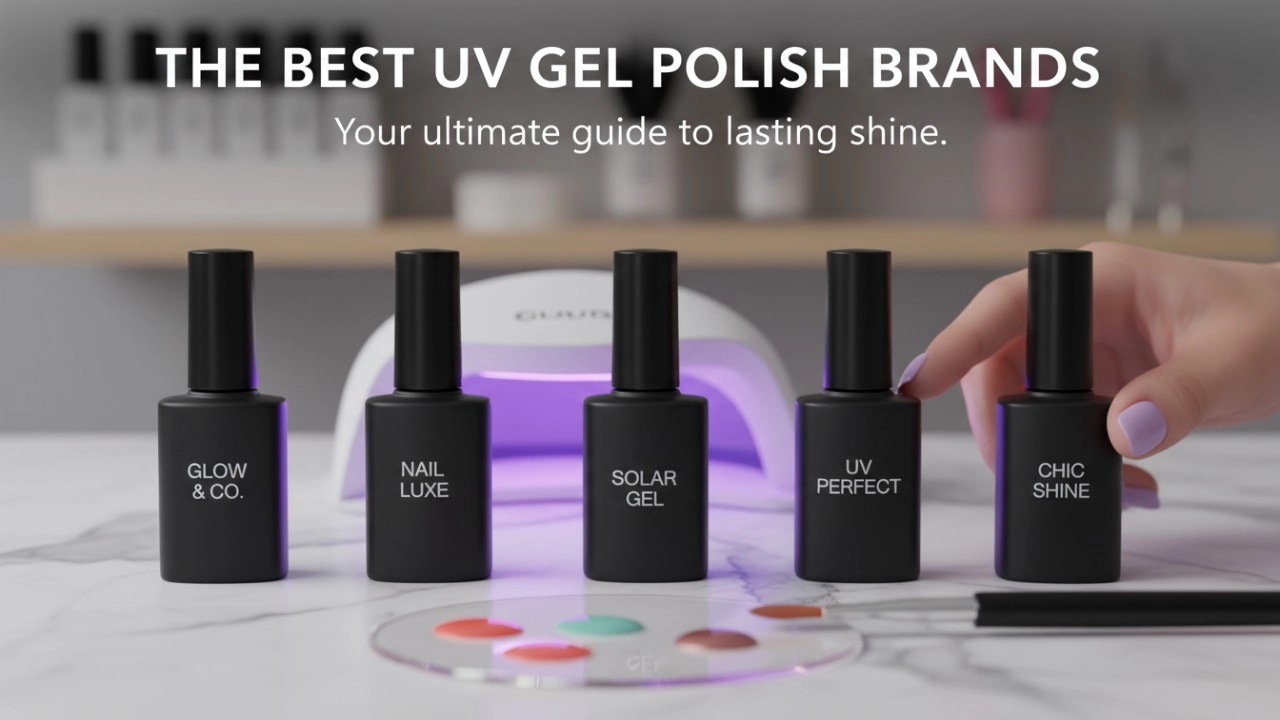
The Ultimate 2026 Buyer's Guide: Best UV Gel Polish Brands for Every Budget
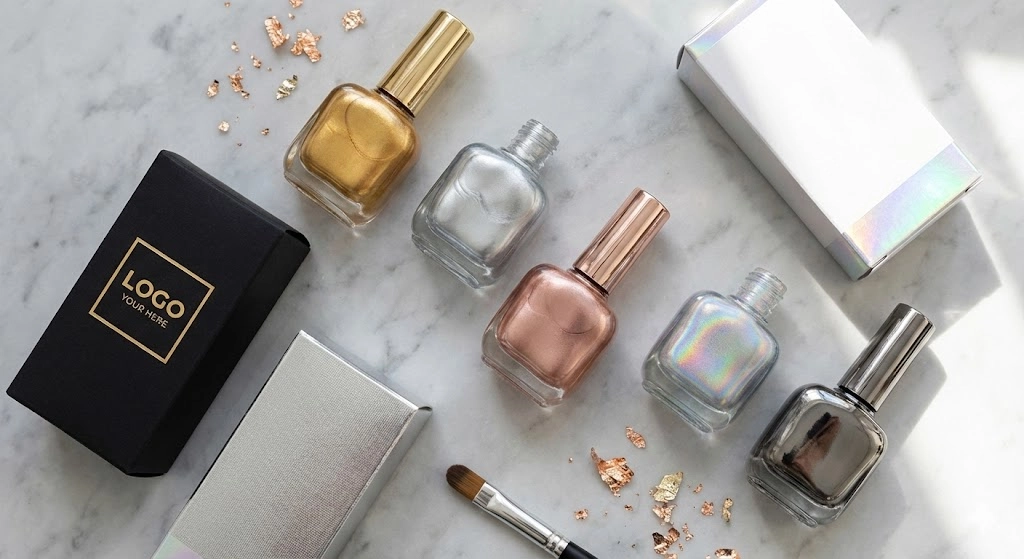
Sourcing Guide: How to Find Reliable Manufacturers for Chrome Nail Polish
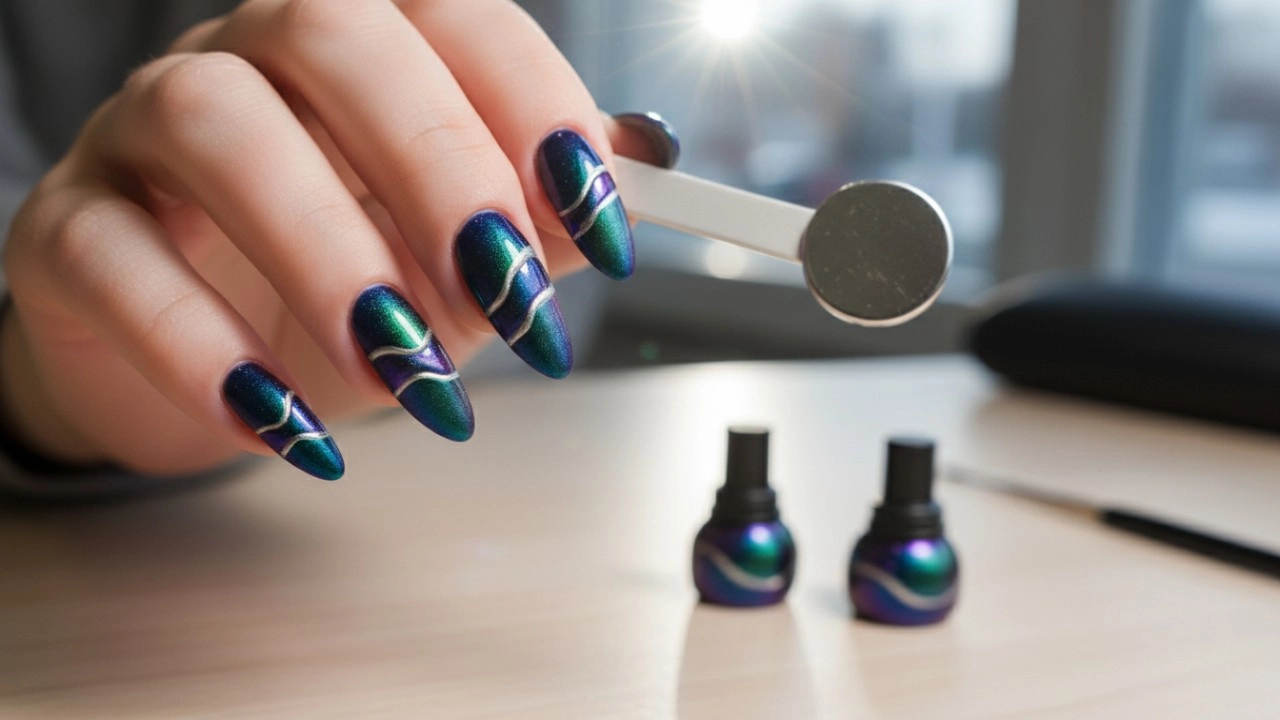
Best Cat Eye Gel Polish Comparison 2026: Salon-Grade Brands vs. Budget-Friendly Alternatives
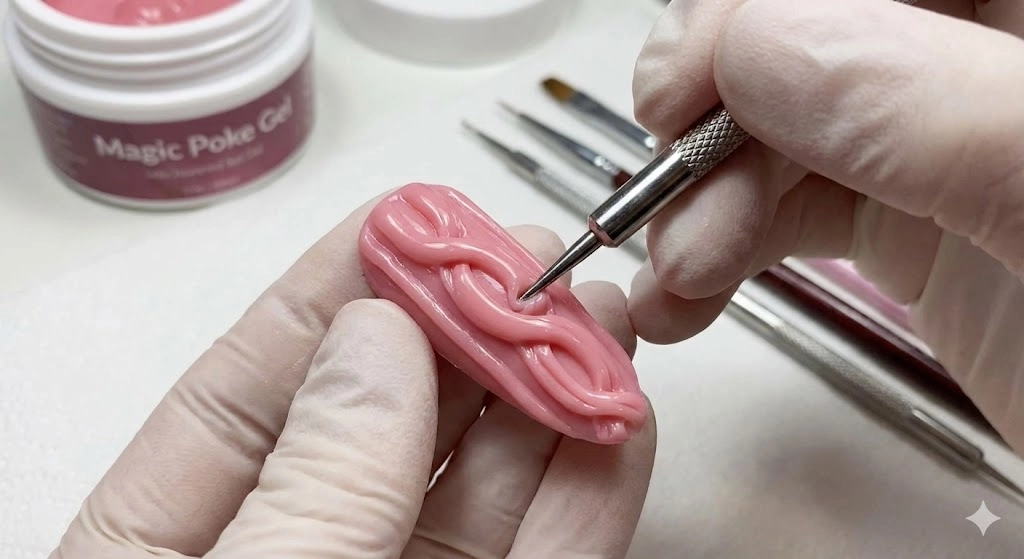
What Is Magic Poke Gel Polish and Why Is It Trending in Nail Art?
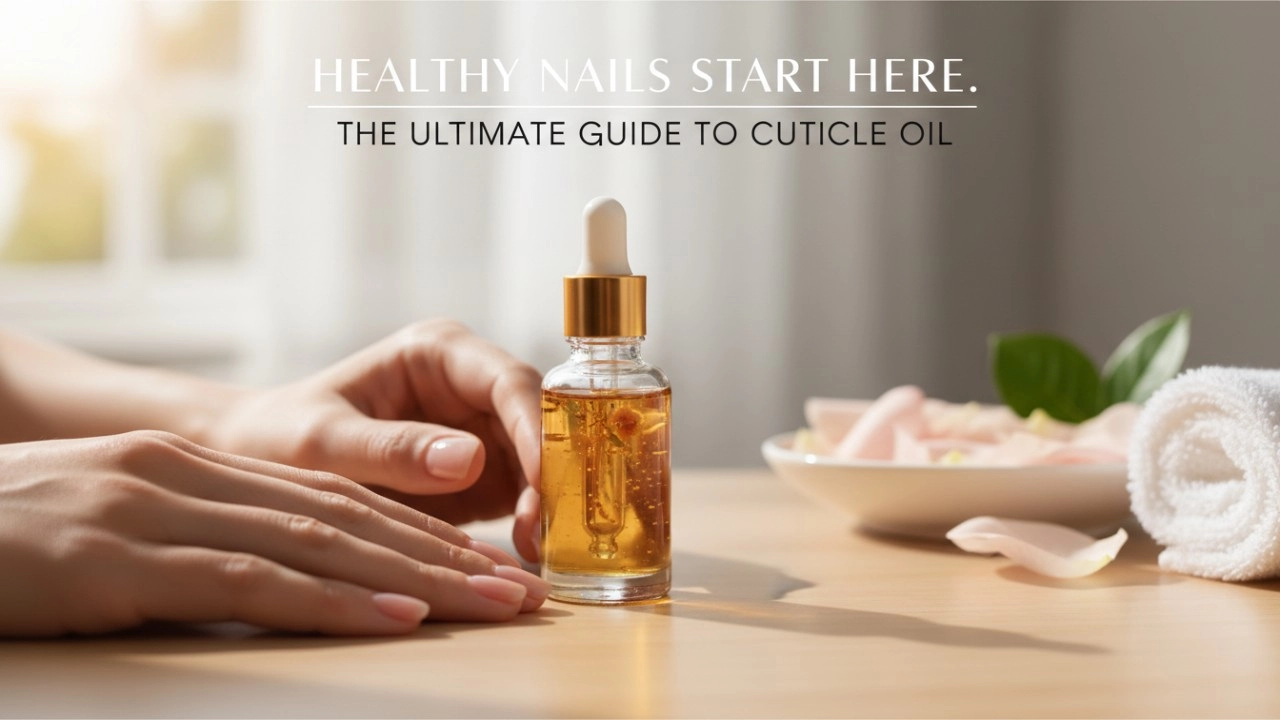
Boosting Salon Revenue: The Ultimate Guide to Upselling Cuticle Oil for Nails (2026 Strategic Plan)
For After-sales
What can I do if the gel nail polish colors don't match what l purchased?
If you think you have received the wrong set you ordered, please contact our customer support team and we will get back to yousoon.lf it is the corect product but you are unsatisfied with the color match, we work very hard to closely match each color to adigital replication for our image. lt is impossible to match an exact color with any digitalrepresentation of a physical product;however, we have worked closely on each set making sure that each color is as close as it can be to the color in the bottle.lfyou arestill unsatisfied, please contact us. We are here to help and make it right in any way!
FAQ
What certifications do your products have?
Our nail polish meets international standards with certifications such as GMP, SGS, CPNP, MSDS, CE, and FDA, ensuring safety and quality.
TPO -Free Gel Polish
Can I mix TPO and TPO-free products?
Avoid mixing! Cross-contamination may:
Reduce TPO-free benefits
Trigger reactions in sensitive clients
For Company
What is the Hanyi main products?
Hanyi main products are Base Coat, Top Coat, Rubber Base, Builder Gel, Polygel, Color gel, Jelly gel, Cat eye gel, Glitter gel, Reflective gel, Gel polish kit, Function gel, Painting gel, Platinum gel, Metallic gel, Poly gel, 3D Gel, Liner Art Gel, ect.
For Products
What is the best way to store Nail Gel?
Nail Gel Polish is light sensitive, so if it’s exposed to undesirable light there is a possibility that your gel polish could get clumpy and cure in the bottle. If you love our product as much as we do keep it safe from clumping! Make sure you’re storing your polishes in a dry and cool area.
Recommended for You
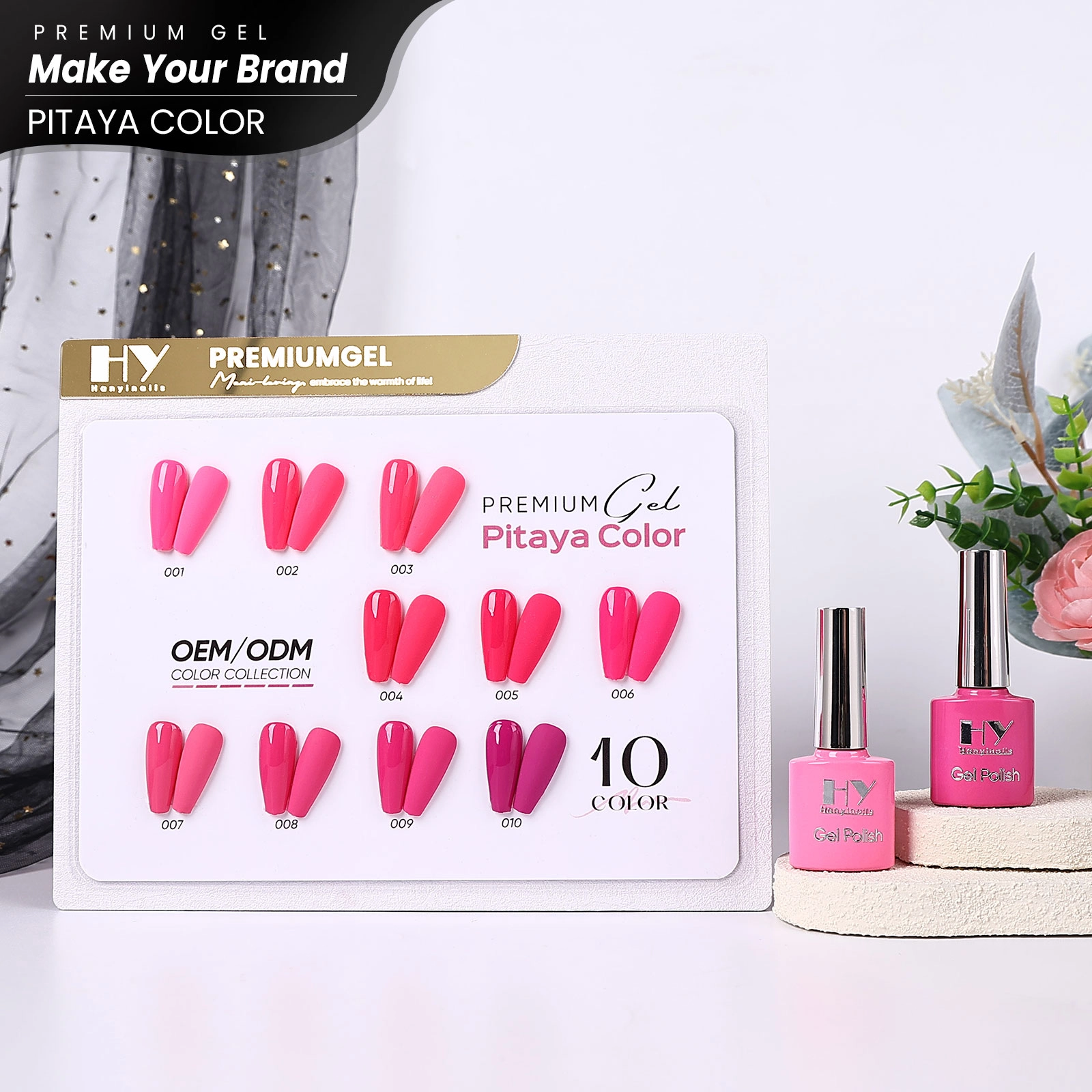
🔑 Key Features:
-
🌸 Vibrant Pitaya Pink Color—Trendy and bold, perfect for all skin tones and seasons.
-
💅 Long-Lasting Formula—Stays chip-free for up to 21 days with proper application.
-
✨ High Gloss Finish—Provides a salon-quality shine that won't dull.
-
🌿 Eco-Friendly & Cruelty-Free – Made with non-toxic ingredients, gentle on nails.
-
🛠️ OEM/ODM Support—Customize color, packaging, logo, bottle shape, and more.
-
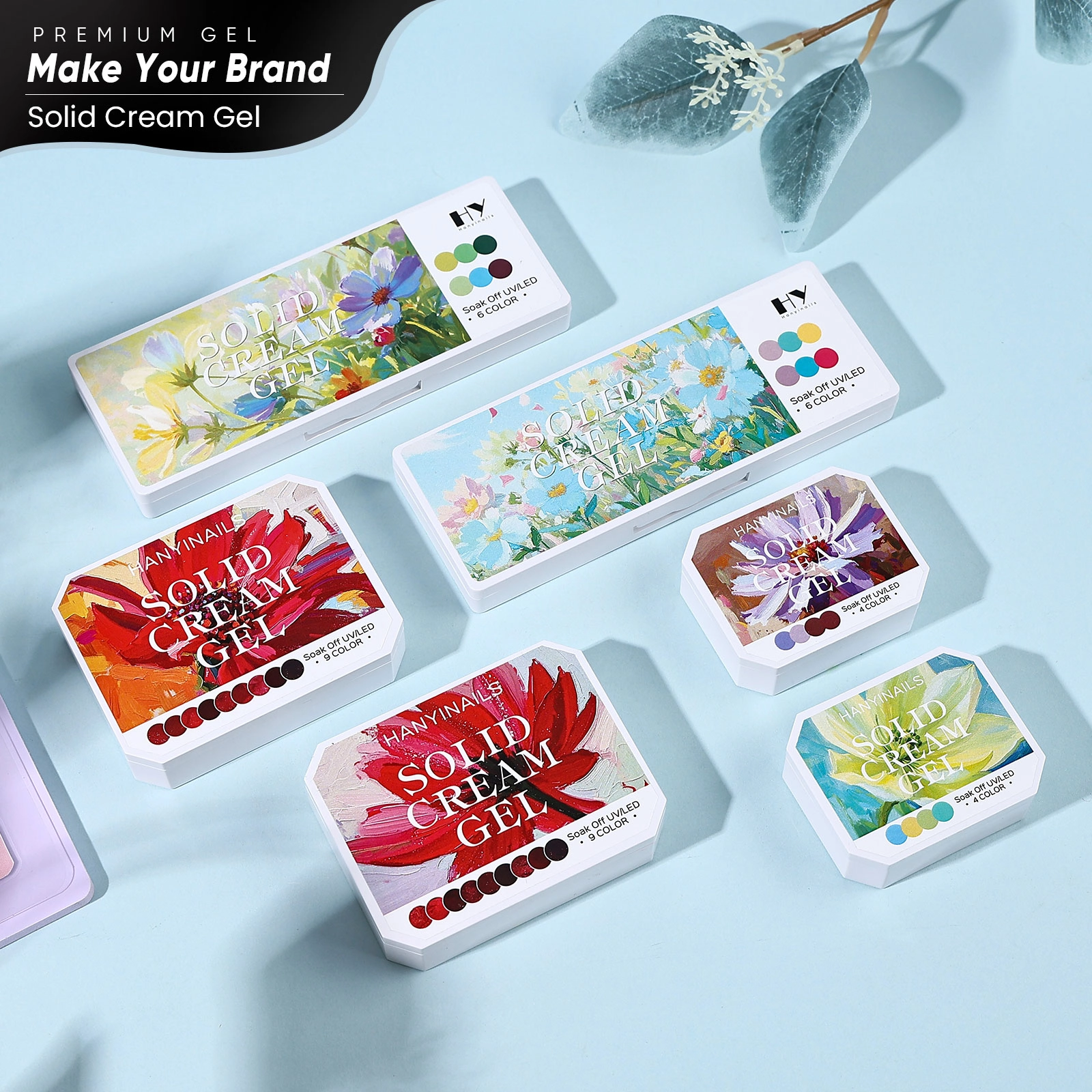
✨ Key Features:
✔ 100% HEMA-Free Formula—Gentle on nails and skin, ideal for sensitive users and allergy-prone customers.
✔ Vegan & Organic—Cruelty-free, eco-conscious, and skin-friendly.
✔ Vibrant Colors & Pigmentation—Rich, full-coverage colors with intense pigment that require only a thin layer for bold results.
✔ Quick & Easy Application—Smooth consistency that applies evenly for professional-looking results at home or in the salon.
✔ Safe for Sensitive Skin—Formulated without harmful chemicals and safe for most nail types, including sensitive skin.
✔ OEM/ODM Support—From formula tweaks to bulk orders, we bring your brand to life.
Ideal for salons, indie brands, and retailers who value safety, sustainability, and standout style.
"Get vibrant, long-lasting color—unlock creativity with Pat Pat Gel ."
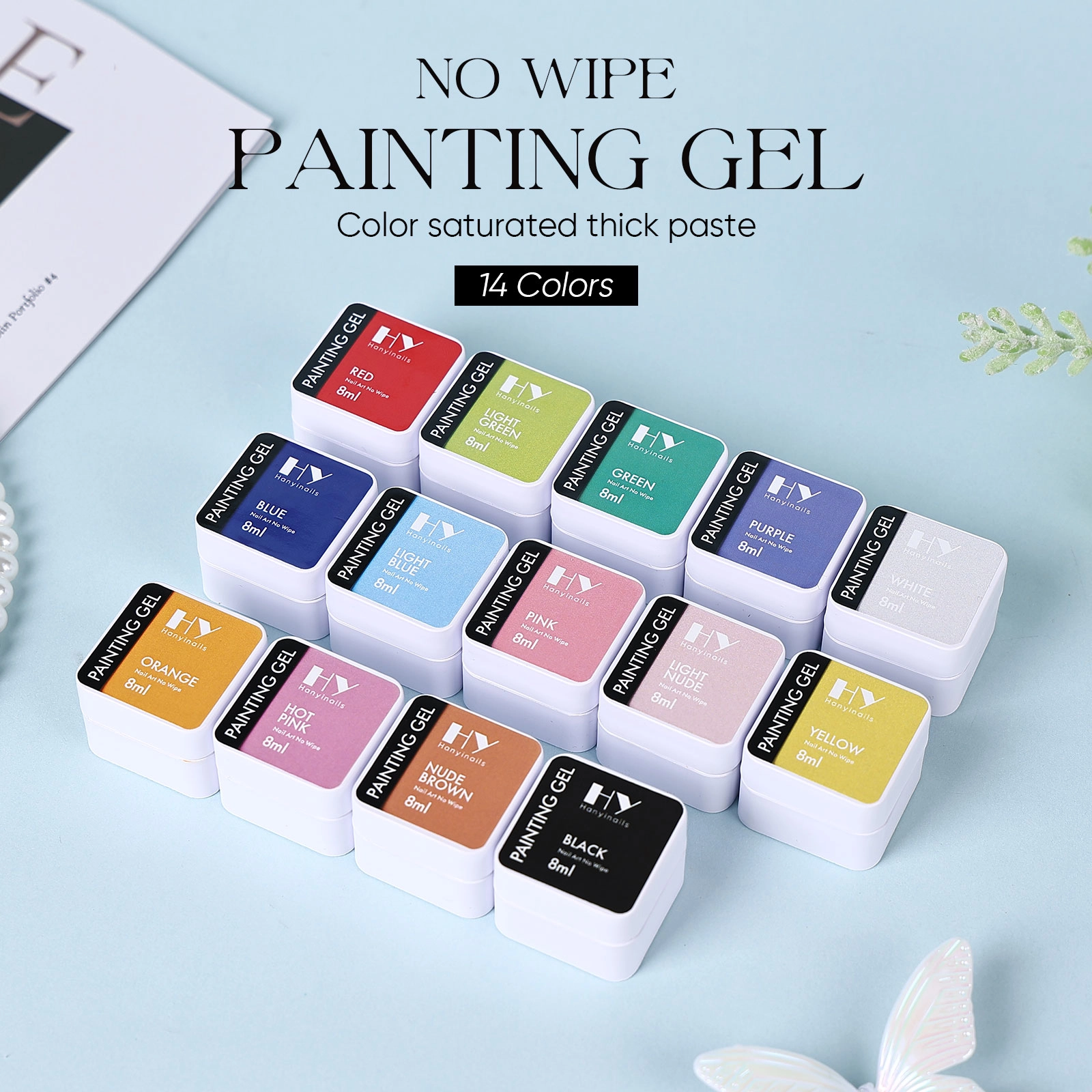
✨ Key Features:
✔ 100% HEMA-Free Formula—Gentle on nails and skin, ideal for sensitive users and allergy-prone customers.
✔ Vegan & Organic—Cruelty-free, eco-conscious, and skin-friendly.
✔ No-Wipe Formula—The finish leaves no sticky layer, eliminating the need for additional top coats or wipe-off solutions.
✔ Vibrant Colors & Pigmentation—Rich, full-coverage colors with intense pigment that require only a thin layer for bold results.
✔ Quick & Easy Application—Smooth consistency that applies evenly for professional-looking results at home or in the salon.
✔ Quick & Easy Application—Smooth consistency that applies evenly for professional-looking results at home or in the salon.
✔ Safe for Sensitive Skin—Formulated without harmful chemicals and safe for most nail types, including sensitive skin.
✔ OEM/ODM Support—From formula tweaks to bulk orders, we bring your brand to life.
Ideal for salons, indie brands, and retailers who value safety, sustainability, and standout style.
"Get vibrant, long-lasting color—unlock creativity with Paint Gel."
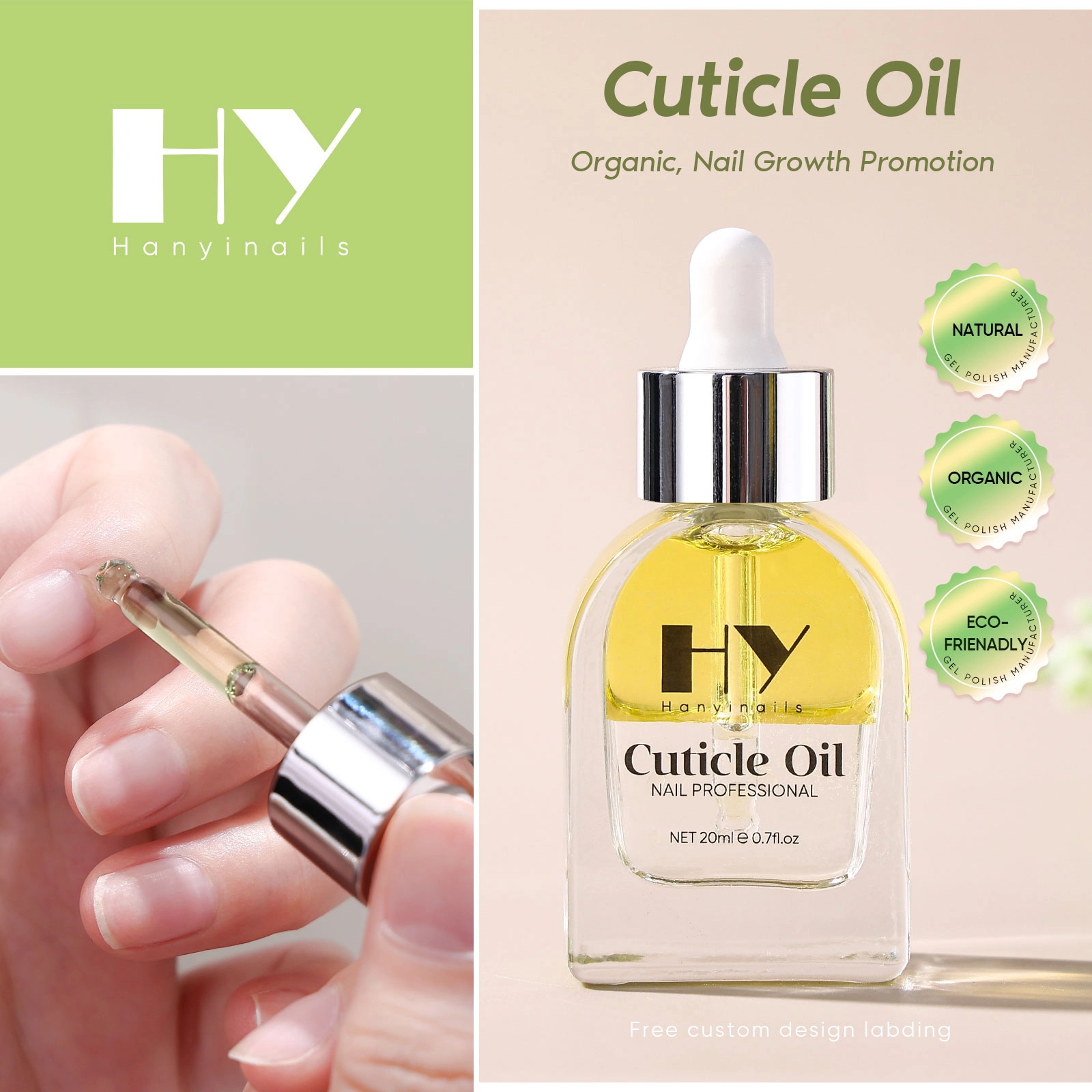
✨ Key Features:
✔ Vegan & Organic—Cruelty-free, eco-conscious, and skin-friendly.
✔ Deep Moisturizing Formula—Softens dry, cracked cuticles and nourishes surrounding skin
✔ Promotes Healthy Nail Growth—Supports stronger, longer nails with regular use
✔ Natural & Plant-Based Oils—Infused with ingredients like Vitamin E, Jojoba, and Sweet Almond Oil
✔ Non-Greasy & Fast-Absorbing – Leaves no residue; perfect for daily use or on-the-go hydration
✔ Lightweight & Refreshing Scent – Gentle floral or fruity aroma adds a spa-like touch to your nail routine
✔ Perfect for At-Home or salon use—great for professional manicures or personal nail care routines
✔ Suitable for All Skin Types—Gentle on sensitive skin, cuticle areas, and nail beds
"Perfect for repairing dry cuticles and promoting healthy nail growth."
Looking for a creative, premium, and reliable nail product manufacturer?
Whether you're an Amazon seller, Shopify store owner, chain store buyer, brand owner, distributor, wholesaler, or nail supply retailer — Hanyinails is your trusted partner for custom and wholesale nail solutions.
Hanyinails
Hanyinails
Hanyinails
Hanyinails