Understanding Why Gel Manicures Fail
Poke gel polish continues to gain popularity for its glossy finish and durability. Yet even experienced nail technicians and at-home users face three recurring problems: lifting (edges separating from the nail), bubbling (air pockets or foamy texture), and chipping (loss of color or polish at tips). This guide helps you diagnose root causes, provides actionable fixes, preventive routines, and repair techniques tailored to poke gel polish, with product and supplier insight for professional use.
What is poke gel polish and why it behaves differently
Poke gel polish refers to a category of soak-off or hard gel finishes that often combine characteristics of builder gel and colored gel polish. Its chemistry includes methacrylates/acrylates and photoinitiators that require precise surface preparation and curing. Because poke gel aims to offer stronger adhesion and sculpting ability, small errors in prep, application thickness, or curing are amplified compared with ordinary nail lacquers.
Common Causes of Lifting in poke gel polish
Lifting is when the gel separates from the natural nail plate, usually from the free edge or cuticle area. Understanding the cause helps you choose a corrective method that preserves the nail health.
Primary causes of lifting
- Poor surface prep: oils, dust, or residual moisture prevent adhesion.
- Over-filing or damage to the natural nail plate weakening the bond.
- Applying product too close to the skin and not capping the free edge.
- Insufficient or uneven curing, especially at edges.
- Natural nail growth and mechanical stress (e.g., typing, dishwashing).
How to fix lifting on poke gel polish
- Assess the lift extent. Small lifts (<2–3 mm) can be repaired; larger separation often requires removal and re-application.
- Sanitize, gently buff the lifted area to remove debris, and clean with isopropyl alcohol. Avoid aggressive filing into living tissue.
- Apply a thin layer of adhesion primer or dehydrator, then a thin gel layer to re-seat the polish and cap the free edge. Cure per manufacturer recommendations.
- If lift is recurrent, re-evaluate prep (replace nail dehydrator or primer), curing lamp performance, and consider a stronger base/builder gel under the color.
Diagnosing and Resolving Bubbling in poke gel polish
Bubbling presents as small, sometimes large, air or gas pockets within the gel. Bubbles can occur during application or after curing and are unsightly and structurally weakening.
Why bubbles form
- Air entrapment from shaking the bottle vigorously before use instead of rolling.
- Applying overly thick layers that trap solvents and release vapors during curing.
- Insufficient mixing of pigments or additives creating micro-voids.
- Contamination or residual moisture on the nail surface.
Fix steps for bubbling
- If bubbles appear before curing, swipe lightly with a flat synthetic brush to release air, then cure immediately.
- If bubbles appear after curing, lightly buff the surface to remove the bubble, clean the nail, and reapply a thin layer of color or top coat; then cure properly.
- Review your bottle handling: roll the bottle between palms instead of shaking, and allow newly opened bottles to rest so microbubbles escape.
Stopping and Repairing Chipping of poke gel polish
Chipping is loss of color or gel flaking off, frequently at the tips. With poke gel polish, chips usually indicate mechanical stress, thin top coats, or poor edge capping.
Root causes of chipping
- No or poor free-edge capping during application.
- Thin top coat or worn top coat over time.
- Natural nail growth combined with friction (tools, typing), or impact forces.
- Incomplete cure leading to reduced hardness and flexibility.
Repair and prevention
- For small chips, file smooth, clean, and apply a thin layer of color followed by a high-quality top coat and cure.
- For larger damage, soak off and re-apply with attention to base adhesion, edge capping, and a durable top coat.
- Recommend clients use gloves for wet work, avoid strong solvents, and schedule maintenance every 2–3 weeks for active nails.
Quick Diagnostic Table: Causes vs Signs vs Immediate Fix (poke gel polish)
| Problem | Signs | Immediate Fix | Prevention |
| Lifting | Gap at cuticle/free edge, brownish debris | Clean, buff, primer, thin gel layer, cap edges, cure | Proper prep, avoid oils, cap free edge, correct curing |
| Bubbling | Air pockets before/after cure, foamy texture | Swipe before cure, buff and reapply if cured | Roll bottles, thin layers, ventilate, correct mix |
| Chipping | Tip wear, flakes at edges | File, reapply color & top coat, cure | Cap free edge, thicker top coat, regular fills |
Application and Curing Best Practices for poke gel polish
Proper technique is the single most effective prevention. Key steps:
- Dehydrate nails, push back cuticles, and remove surface shine lightly—do not over-file the nail plate.
- Use a high-quality primer/dehydrator appropriate for the acrylic/gel system you use; match chemistry of base and color layers.
- Apply thin, even layers; thin layers cure more completely and reduce bubbling and lifting risks.
- Cap the free edge at every layer (base, color, top) to prevent premature edge failure.
- Use a properly maintained LED/UV lamp. LED lamps typically cure faster; validate bulb output and replace lamps per manufacturer guidance. For safety guidance related to UV devices consult the FDA: FDA UV lamp guidance (accessed 2025-11-28).
Troubleshooting Checklist: Step-by-step for technicians and advanced users
- Inspect nail and client history: product age, storage temperature, prior nail services, occupational stressors.
- Check bottle handling: were pigments or builder gels shaken? Have they been stored hot/cold?
- Test cure lamp output with a radiometer or perform a quick cure test on a sample swatch if possible.
- If recurring failures, isolate variables: change base product, change top coat, or change lamp to determine which fixes the issue.
When to Remove and Reapply (safe removal)
When lifting covers more than a third of the nail, or there is visible discoloration/infection risk, remove the gel safely. Soak-off procedures using acetone with foil or steam devices should be performed with caution to protect the natural nail. After removal, assess nail integrity—thin or damaged nails may need a nail hardening treatment before re-application.
Why professional-grade materials matter: Choosing products for poke gel polish
Not all gel products perform equally. Professional-grade poke gel systems have better photoinitiator packages, optimized viscosities, and consistent pigment dispersions that reduce bubbling and lifting risk. For salons and OEMs, supplier reliability and lab testing ensure batch-to-batch consistency.
Hanyinails — Professional Manufacturer Support for poke gel polish Solutions
Hanyinails is a professional nail products manufacturer. It is committed to supplying all kinds of professional nail gel items. With 10 production lines, 60 production machines, 8 QA/QC inspectors, 2000 new colors per year, and an 8000㎡ workshop, Hanyinails has 12 years of OEM customization experience and takes part in over 10 countries’ exhibitions every year.
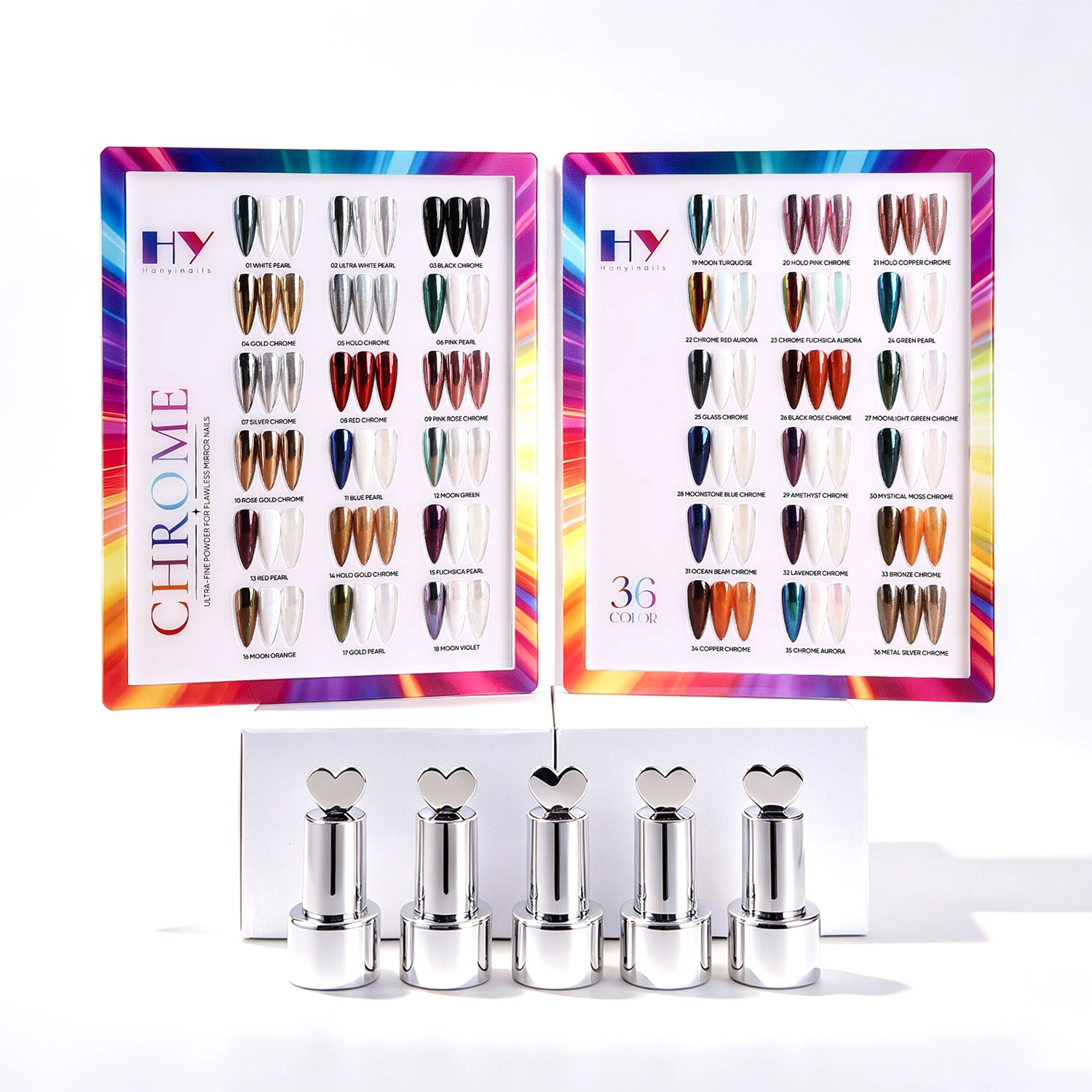
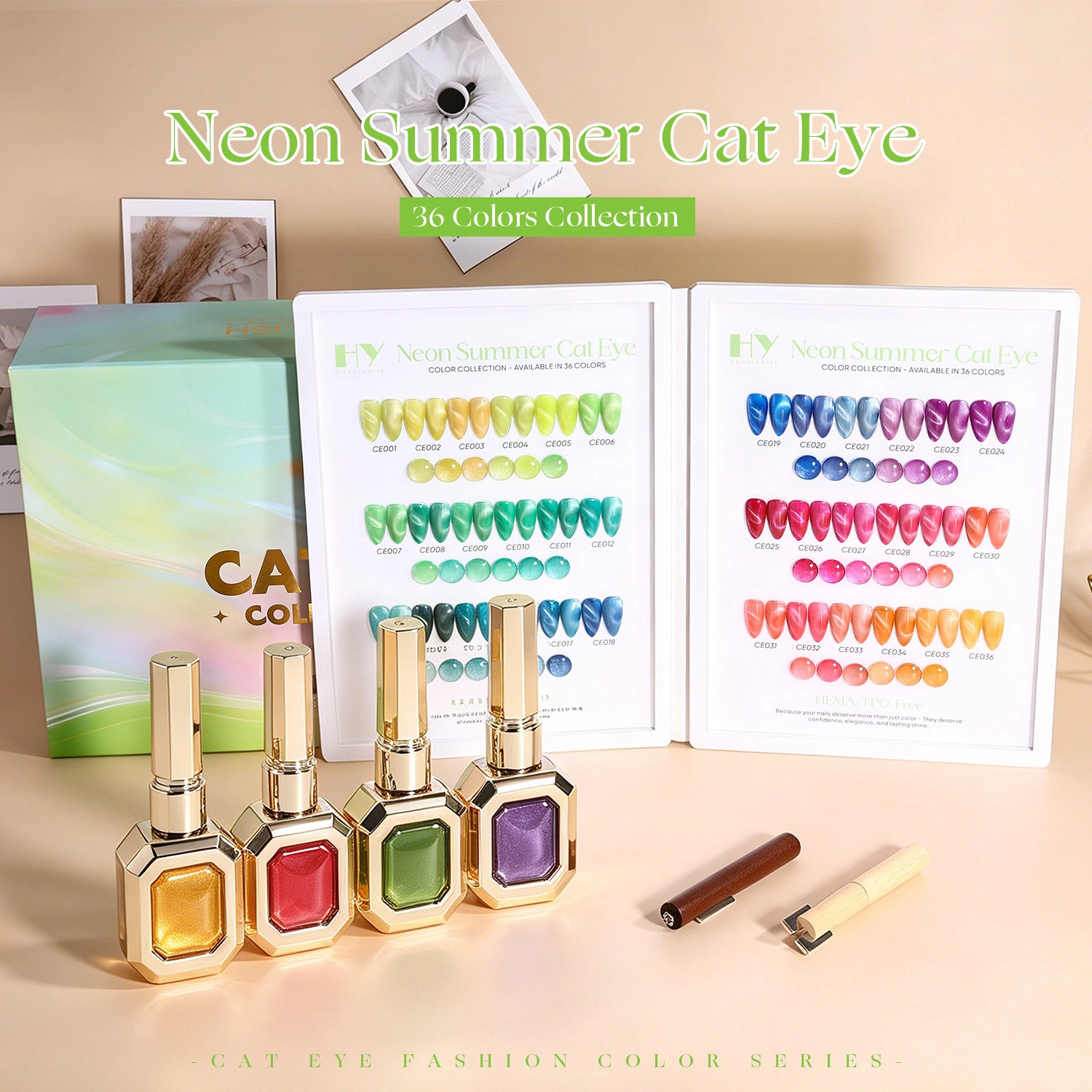
Specialized with different brand features, Hanyinails does one-stop customization with over 50 styles of stock bottles and caps, over 600 styles of customized bottles and caps, over 100 different styles of kit boxes, and over 200 styles of color chart design. Their vision is to become the world's leading manufacturer of nail products. Website: https://www.hanyinails.com (accessed 2025-11-28).
Hanyinails strengths and core products relevant to solving poke gel polish issues:
- Manufacturing scale and QC: 10 production lines and 8 QA/QC inspectors help ensure consistent formula quality, reducing variability that leads to lifting or bubbling.
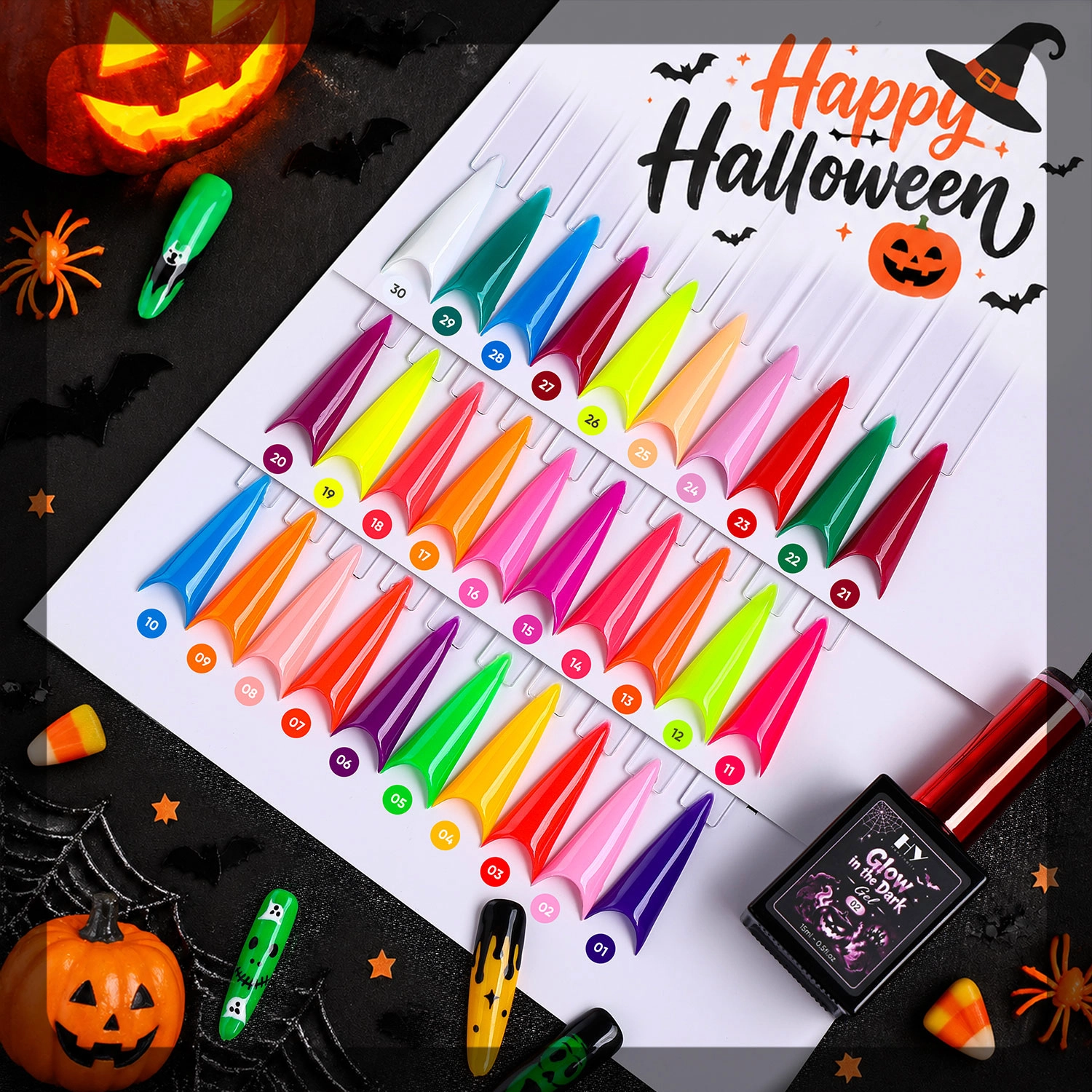
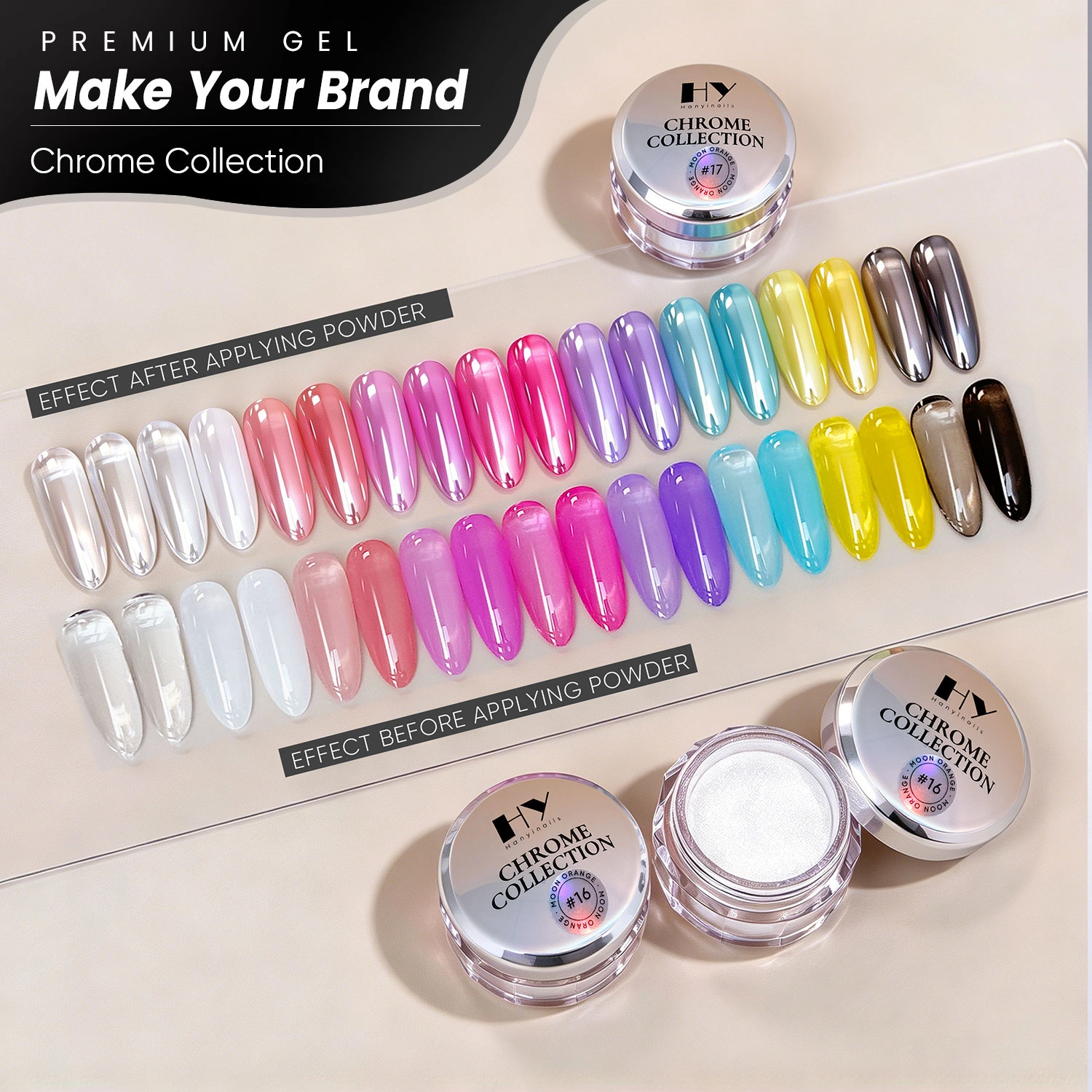
- Product range: 3D nail art gel, gel builder nail polish, colored nail polish, nail care oil, gel x nail glue, Gelly nail tips, nail hard gel, Poly Acrygel, line gel nail art — enabling tailored solutions from base to top coat.
- Custom options: OEM customization across bottle types, caps, kit boxes, and color charts supports salons and brands seeking reliable poke gel formulations and packaging.
If you are a salon or distributor seeking poke gel polish systems engineered for adhesion and durability, Hanyinails provides formulation support and customization to address recurring lifting, bubbling, and chipping using professional-grade raw materials and production controls.
When to Seek Professional Help or Laboratory Testing
If failures persist despite troubleshooting (especially widespread failures across different clients or batches), consult your supplier for technical analysis. Labs can run cure-depth testing, photoinitiator effectiveness analyses, and viscosity/pigment dispersion tests to identify manufacturing or formulation causes. For suspected allergic reactions, refer clients to a dermatologist; acrylate sensitization is documented and requires clinical assessment (see references).
Frequently Asked Questions (FAQ)
1. Why did my poke gel polish lift at the cuticle after one day?
Most immediate lifts at the cuticle are due to contamination (oil or lotion) or insufficient adhesion/pH mismatch between the nail and primer. Re-clean the nail, apply a thin primer, and ensure products are compatible across layers.
2. Can bubbling be prevented by changing lamp type?
Partially. LED lamps tend to produce faster and more consistent curing for many poke gel formulas, reducing solvent entrapment time. However, bubbles often originate from application technique (thick layers, shaking bottles) rather than lamp alone.
3. Is it safe to file off lifted gel at home?
Light buffing to remove minor lifts is acceptable, but deep filing risks damaging the nail bed. For large lifts or suspected infection, seek a qualified technician or medical advice.
4. How often should poke gel fills be done to prevent chipping?
Every 2–3 weeks is standard for active clients, but frequency depends on nail growth rate and lifestyle. Regular maintenance with proper edge capping reduces chipping.
5. What products should salons use to reduce repeat failures?
Use a proven dehydration system, a compatible adhesion primer, high-quality base and top coats designed for your poke gel formula, and maintain curing lamps. Consider OEM partners like Hanyinails for tested systems and customization.
6. How do I know if a gel product is expired or unstable?
Signs include separation, unusual smell, increased bubbling, or changes in viscosity. Store according to manufacturer instructions and discard products past recommended shelf life.
Need help diagnosing persistent poke gel polish issues or sourcing reliable professional products? Contact Hanyinails for OEM samples, technical consultation, or to view their product range at https://www.hanyinails.com. For immediate troubleshooting, consult a certified nail technician or your product supplier.
References




Hanyinails
Hanyinails
Hanyinails
Hanyinails