

What is acrylate free gel polish ? | Ultimate Insight
Acrylate-free gel polish is designed for people with sensitivities to common (meth)acrylate monomers used in conventional gel systems. This guide explains what acrylate-free gel polish is, how it works, its main types, how to choose quality products, safety and removal tips, and answers common long-tail questions for salon professionals and consumers.
- Introduction: The Rise of Contact Dermatitis in the Nail Industry
- Definition and Chemistry: What Does "Acrylate Free" Really Mean?
- The Role of Monomers vs. Oligomers
- Acrylate-Free vs. HEMA-Free: Clearing the Confusion
- Core Principles: How Acrylate-Free Gel Polish Works
- Typical curing mechanisms in acrylate free systems
- Key Decision Criteria: How to Choose Quality Acrylate-Free Gel Polish
- 1. Ingredient Transparency (MSDS/SDS verification)
- 2. Adhesion Technology without Aggressive Monomers
- 3. Supply Chain and OEM Customization
- 4. Removal process and damage risk
- Practical Guidance: Application and Removal Protocols
- Managing the Inhibition Layer
- The "Double Cure" Technique
- Performance Trade-offs: Realistic Expectations
- Conclusion: Is Acrylate-Free Gel Polish Right for Your Business?
- Frequently Asked Questions
Introduction: The Rise of Contact Dermatitis in the Nail Industry
Problem: You or a client developed redness, itching, or a blistery rash after a gel manicure. This is often allergic contact dermatitis, a reaction triggered by uncured resin ingredients penetrating the skin. Agitation: Traditional gel polishes rely heavily on small-molecule acrylates and methacrylates (like HEMA) for adhesion and viscosity. While effective, these molecules are notorious allergens. For salons, this means lost bookings; for brands, it means liability. Solution: Acrylate-free gel polish (and its close relative, HEMA-free polish) promises a safer alternative. But marketing terms can be misleading. This guide offers a manufacturer-grade insight into these formulations.
Definition and Chemistry: What Does "Acrylate Free" Really Mean?
True "Acrylate Free" in the context of UV-cured cosmetics is a complex claim. Most UV gels require an acrylate backbone to cure under light. However, in the current market, "Acrylate Free" typically refers to formulations that exclude specific, high-risk sensitizing monomers.
The Role of Monomers vs. Oligomers
-
Traditional Gels: Use small molecules called Monomers (like HEMA/HPMA) to dissolve the gel and bond it to the nail. Because they are small, they easily penetrate the skin barrier, causing allergies.
Acrylate-Free/Hypoallergenic Systems: Replace these small monomers with larger molecules called Oligomers or alternative resins (like cyanoacrylates or Alkyd resins in some hybrid systems). These larger molecules are less likely to penetrate the skin, significantly reducing the risk of irritation.
Acrylate-Free vs. HEMA-Free: Clearing the Confusion
-
HEMA-Free: Removes only HEMA (Hydroxyethyl Methacrylate), the #1 allergen. It may still contain other acrylates.
-
Acrylate-Free: A stricter category. Ideally, it contains no acrylate monomers. However, checking the Ingredient List (INCI) is vital, as some brands use "Acrylate Free" to mean "Free of toxic acrylates."
Core Principles: How Acrylate-Free Gel Polish Works
Traditional gel cures via Free-Radical Polymerization. Acrylate-free systems must achieve this hard, glossy finish using different pathways.
Typical curing mechanisms in acrylate free systems
-
Epoxy-Based Chemistries: Some advanced systems use cationic photopolymerization. This reaction is less sensitive to oxygen inhibition but requires specific photoinitiators.
-
Urethane-Based Non-Acrylates: High-quality urethane resins that provide flexibility without the need for aggressive acrylate solvents.
-
Modified Hybrid Resins: Manufacturers like Hanyinails utilize proprietary resin blends that mimic the durability of acrylics without the volatile monomers, ensuring compatibility with standard LED lamps.
Key Decision Criteria: How to Choose Quality Acrylate-Free Gel Polish
For salon owners and B2B buyers, selecting a safe product requires due diligence.
1. Ingredient Transparency (MSDS/SDS verification)
Never rely on the front label. Request the Material Safety Data Sheet (MSDS). A reputable manufacturer will list all ingredients.
-
Red Flag: Vague terms like "Proprietary Resin Blend" without CAS numbers.
-
Green Flag: Clear listing of components, proving the absence of HEMA, HPMA, and IBOA (Isobornyl Acrylate).
2. Adhesion Technology without Aggressive Monomers
Monomers usually provide the "grip." Removing them can lead to lifting.
-
The Solution: Look for products containing bonding Oligomers or specialized primers designed for sensitive nails. A good acrylate-free system must balance safety with wear time.
3. Supply Chain and OEM Customization
If you are building a brand, you need a partner who understands regulatory compliance (FDA/CPNP).
-
Hanyinails Advantage: With 12 years of OEM experience, Hanyinails operates 10 production lines and maintains a dedicated R&D team to formulate private label acrylate-free gels. We ensure that your "sensitive line" isn't just safe but also color-stable and scalable (capacity: 2000 new colors/year).
4. Removal process and damage risk
- Some acrylate-free gels are removed with soaking and gentle filing; others may require abrasion. Prioritize options that minimize nail thinning or damage.
- Look for removal instructions from the manufacturer and follow them strictly to prevent nail trauma.
Practical Guidance: Application and Removal Protocols
Technique is just as important as the product. Even the safest gel can cause a reaction if applied incorrectly.
Managing the Inhibition Layer
The sticky layer (inhibition layer) left after curing contains uncured raw materials—the most allergenic part of the process.
-
Tip: For acrylate-free systems, use a dedicated cleanser to remove this layer immediately, or opt for No-Wipe Top Coats to minimize client exposure.
The "Double Cure" Technique
Since acrylate-free formulas often use larger molecules, they may cure slower.
-
Protocol: We recommend a "Double Cure" (60s + 30s) in a high-power LED lamp to ensure 100% polymerization. Under-cured gel is a primary cause of developing new allergies.
Performance Trade-offs: Realistic Expectations
Honesty builds trust. Here is what to expect when switching to acrylate-free:
| Feature | Traditional Gel Polish | Acrylate-Free / HEMA-Free Gel |
| Allergy Risk | High (due to small monomers) | Low (larger molecules) |
| Viscosity | Low/Medium (Runny) | Medium/High (Thicker, more control) |
| Soak-Off Time | Fast (5-10 mins) | Moderate (10-15 mins) |
| Flexibility | Variable | Generally Higher Flexibility |
Conclusion: Is Acrylate-Free Gel Polish Right for Your Business?
Acrylate free gel polish is not just a trend; it is a necessity for modern salons aiming to be inclusive and safe. It allows you to service clients who thought they could never wear gel again.
However, formulating these products requires precision. For brands seeking to launch a private label nail line, partnering with a manufacturer that has rigorous QA/QC (Quality Assurance) is non-negotiable. Hanyinails combines expert chemistry with massive production scale (8000㎡ workshop) to deliver hypoallergenic solutions that don't compromise on gloss or durability.
Ready to launch your sensitive nail line? Visit Hanyinails.com to explore our OEM solutions and request samples of our latest acrylate-free innovations.
Frequently Asked Questions
What exactly does "acrylate-free" mean on a gel polish label?
"Acrylate-free" generally means the product formulation excludes certain (meth)acrylate monomers commonly associated with contact allergies (e.g., HEMA). Definitions vary by brand, so check ingredient lists to see which acrylates are omitted.
Are acrylate-free gel polishes completely allergy-proof?
No. Acrylate-free products reduce exposure to specific acrylate allergens, but other ingredients (pigments, preservatives, and photoinitiators) can still cause reactions. Always perform a patch test for clients with sensitive skin or allergy history.
Do acrylate-free gel polishes need a UV/LED lamp to cure?
Most high-performance acrylate-free gel polishes are UV/LED-curable, but curing chemistry differs from traditional acrylates. Follow manufacturer instructions for lamp type and cure times to ensure full polymerization.
How do I remove acrylate-free gel polish without damaging nails?
Follow the brand’s removal instructions. Many acrylate-free systems recommend gentle filing and soaking in an appropriate solvent. Avoid excessive scraping and thinning of the nail plate. If unsure, consult the manufacturer’s tech sheet.
Can I mix acrylate-free products with regular gel systems?
Mixing different chemistries is not recommended. Compatibility problems can cause lifting, poor cure, or compromised wear. Use matching base/top coats recommended by the acrylate-free product manufacturer.
Where can salons source reliable acrylate-free gel polish?
Look for manufacturers with transparent ingredient lists, lab testing, and OEM experience. Companies like Hanyinails offer customization, extensive color libraries, and professional QA processes suited for salon and retail brands. Verify samples and test performance in your salon before full adoption.
How should I document client allergies and patch tests?
Keep a secure client record with documented patch test results, product batch numbers, and any observed reactions. This helps with future appointments and is important for liability and client safety.
Is acrylate-free gel polish more expensive than regular gel polish?
Specialized formulations and testing can increase cost, but price varies by brand and performance. Evaluate total value by considering client safety, reduced rework for allergic incidents, and the potential to attract new clientele.
How long does an acrylate-free gel manicure typically last?
Wear time depends on product quality, nail prep, and client activities. High-quality acrylate-free systems can achieve comparable wear (2–3 weeks) to traditional gels when used correctly.
Can I create a private label acrylate-free line for my salon or retail store?
Yes. Work with experienced OEM manufacturers that offer customization and strong QA/QC. Hanyinails provides one-stop customization with many bottle, cap, and box styles and can help develop a private label acrylate-free collection.
The 10 Key Factors in professional gel nail kit That Affect Cost
Tips for buy builder gel nail kit in Saudi Arabia
How to Choose the form nail extensions manufacturer and supplier in Europe?
How to start the one step gel coat business ?
HEMA-Free Gel Polish
What does "HEMA-Free" mean?
HEMA-free gel polishes are formulated without Hydroxyethyl Methacrylate, a common allergen in traditional gels. They use alternative bonding agents that are gentler on skin while still providing long-lasting wear.
Do HEMA-free gels cure differently?
No! They cure normally under LED/UV lamps (30-60 sec).
Key difference: They’re less likely to cause heat spikes or discomfort.
For Company
When was Hanyi founded?
Hanyi was established on March 8, 2016
For After-sales
What can I do if the gel nail polish colors don't match what l purchased?
If you think you have received the wrong set you ordered, please contact our customer support team and we will get back to yousoon.lf it is the corect product but you are unsatisfied with the color match, we work very hard to closely match each color to adigital replication for our image. lt is impossible to match an exact color with any digitalrepresentation of a physical product;however, we have worked closely on each set making sure that each color is as close as it can be to the color in the bottle.lfyou arestill unsatisfied, please contact us. We are here to help and make it right in any way!
FAQ
What ingredients are used in your nail polish?
We use high-quality, non-toxic, and eco-friendly ingredients, ensuring safety and compliance with global standards.
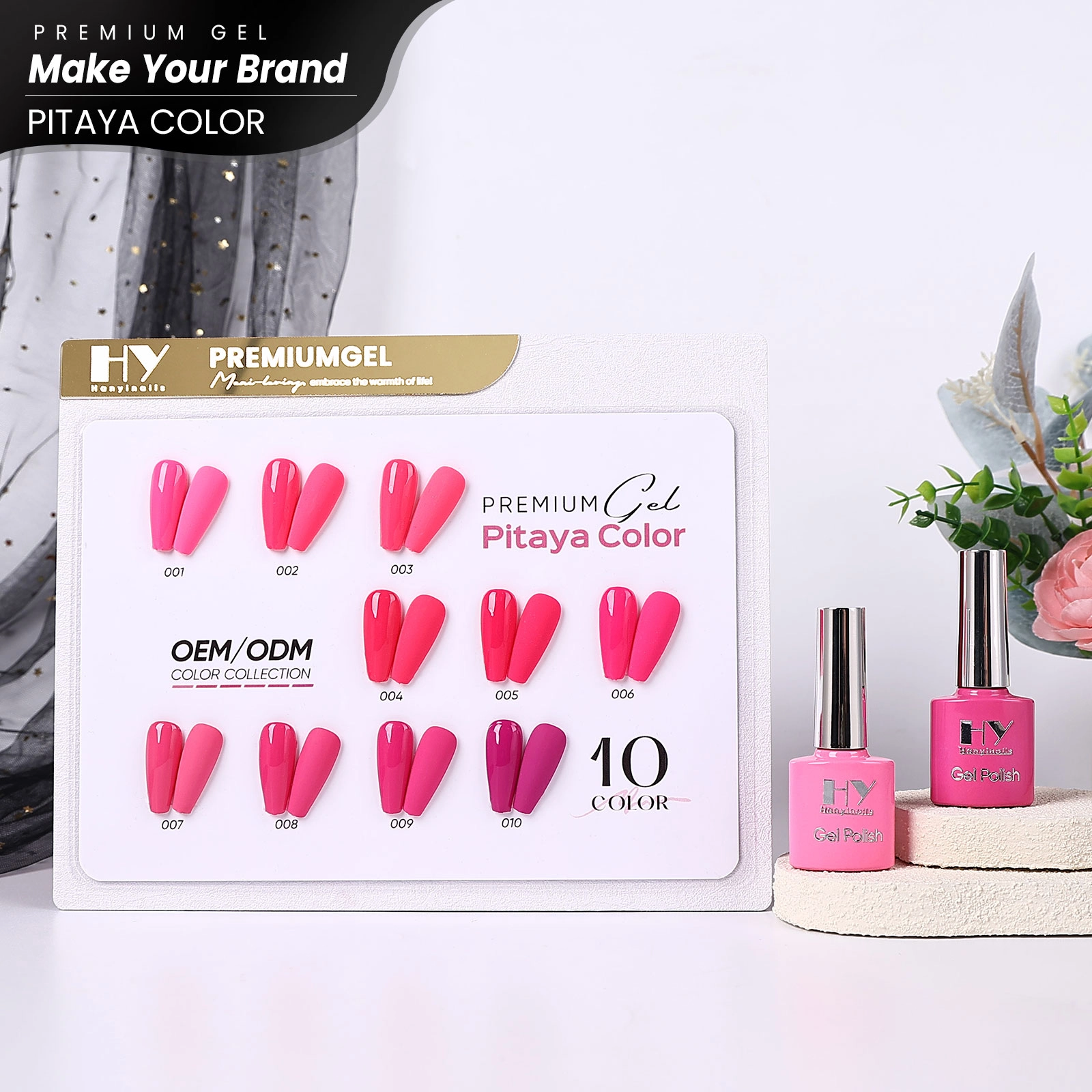
Private Label OEM/ODM Pink Pitaya Gel Nail Polish | Custom Long-Lasting Soak-Off UV LED Gel
🔑 Key Features:
-
🌸 Vibrant Pitaya Pink Color—Trendy and bold, perfect for all skin tones and seasons.
-
💅 Long-Lasting Formula—Stays chip-free for up to 21 days with proper application.
-
✨ High Gloss Finish—Provides a salon-quality shine that won't dull.
-
🌿 Eco-Friendly & Cruelty-Free – Made with non-toxic ingredients, gentle on nails.
-
🛠️ OEM/ODM Support—Customize color, packaging, logo, bottle shape, and more.
-
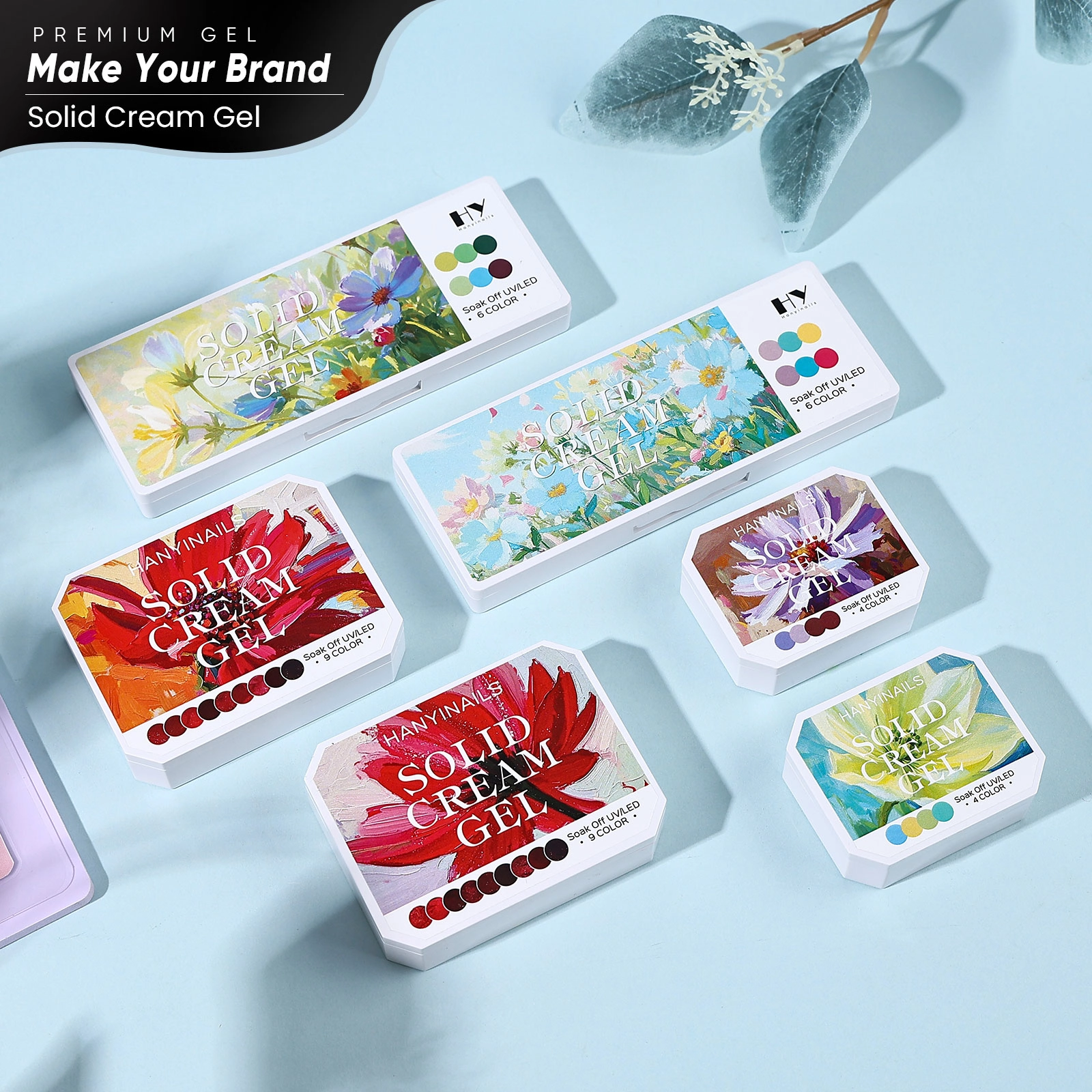
Ombre Gradient Nail Art Pat Pat Gel – Solid Gel Colors in a Plate for Seamless Ombre Designs, Easy Blending & Long-Lasting Finish
✨ Key Features:
✔ 100% HEMA-Free Formula—Gentle on nails and skin, ideal for sensitive users and allergy-prone customers.
✔ Vegan & Organic—Cruelty-free, eco-conscious, and skin-friendly.
✔ Vibrant Colors & Pigmentation—Rich, full-coverage colors with intense pigment that require only a thin layer for bold results.
✔ Quick & Easy Application—Smooth consistency that applies evenly for professional-looking results at home or in the salon.
✔ Safe for Sensitive Skin—Formulated without harmful chemicals and safe for most nail types, including sensitive skin.
✔ OEM/ODM Support—From formula tweaks to bulk orders, we bring your brand to life.
Ideal for salons, indie brands, and retailers who value safety, sustainability, and standout style.
"Get vibrant, long-lasting color—unlock creativity with Pat Pat Gel ."
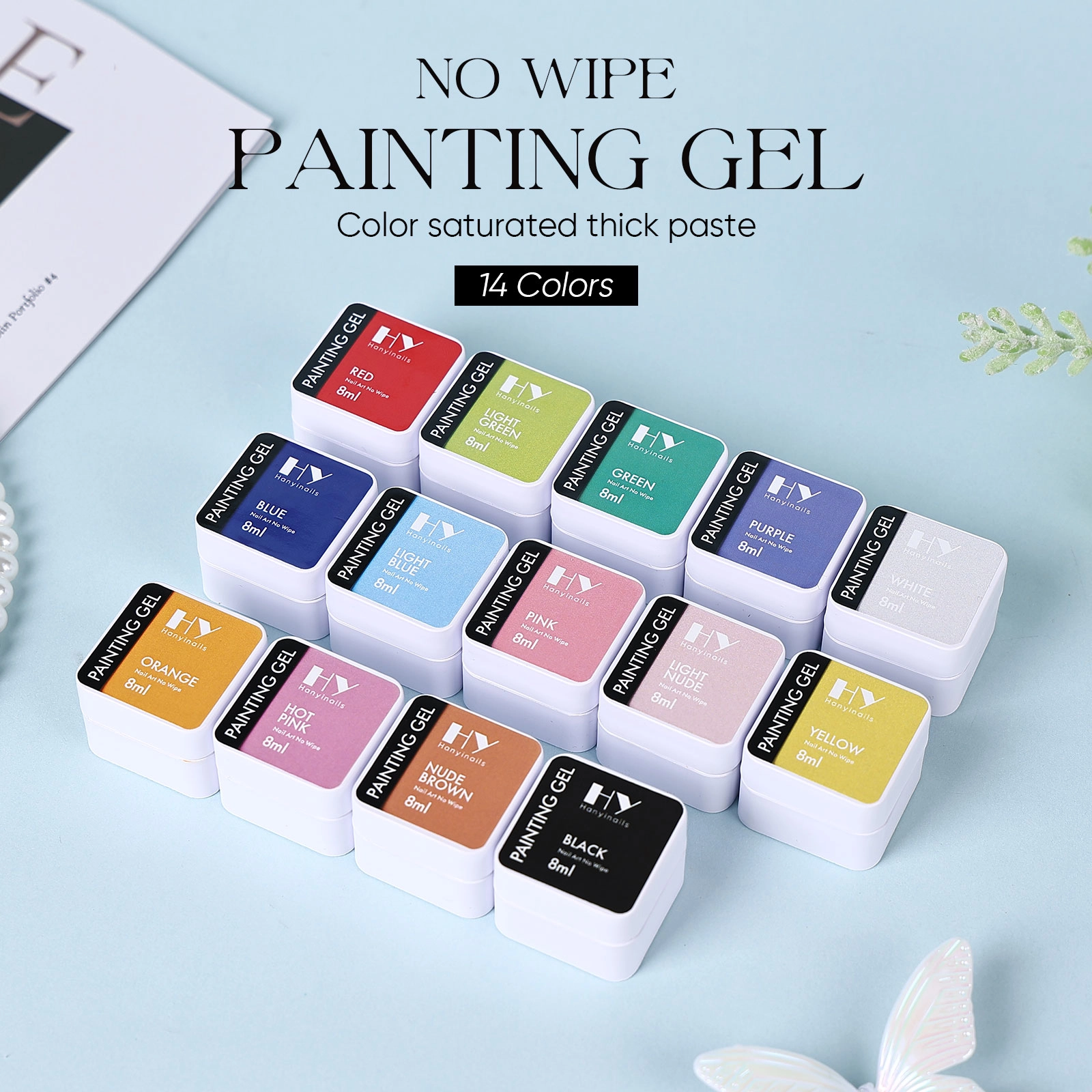
14-Color No Wipe Paint Gel – Vibrant Pigments, Smooth Application, Quick-Drying, Perfect for Nail Art & Designs
✨ Key Features:
✔ 100% HEMA-Free Formula—Gentle on nails and skin, ideal for sensitive users and allergy-prone customers.
✔ Vegan & Organic—Cruelty-free, eco-conscious, and skin-friendly.
✔ No-Wipe Formula—The finish leaves no sticky layer, eliminating the need for additional top coats or wipe-off solutions.
✔ Vibrant Colors & Pigmentation—Rich, full-coverage colors with intense pigment that require only a thin layer for bold results.
✔ Quick & Easy Application—Smooth consistency that applies evenly for professional-looking results at home or in the salon.
✔ Quick & Easy Application—Smooth consistency that applies evenly for professional-looking results at home or in the salon.
✔ Safe for Sensitive Skin—Formulated without harmful chemicals and safe for most nail types, including sensitive skin.
✔ OEM/ODM Support—From formula tweaks to bulk orders, we bring your brand to life.
Ideal for salons, indie brands, and retailers who value safety, sustainability, and standout style.
"Get vibrant, long-lasting color—unlock creativity with Paint Gel."
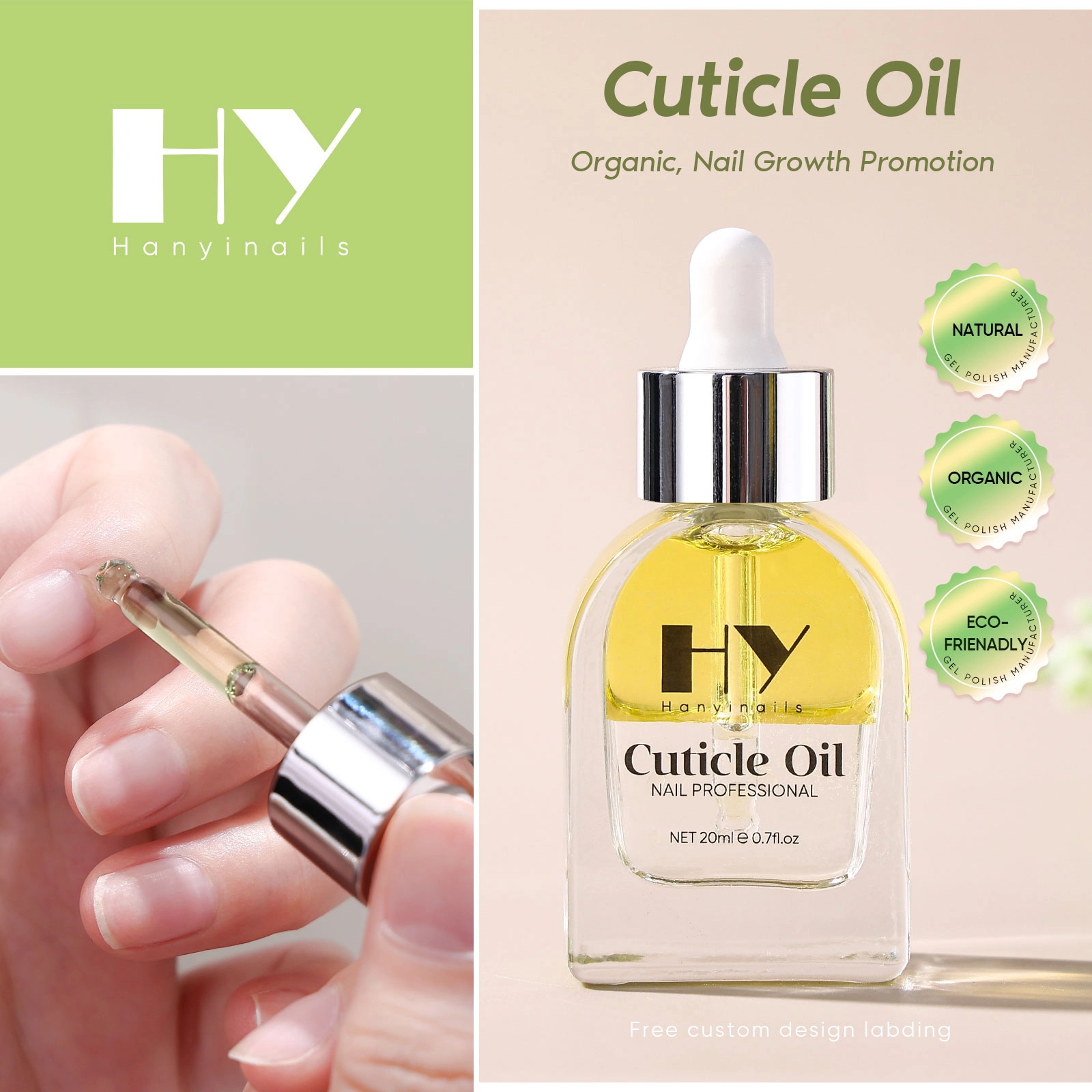
Hanyinails Premium Nail Cuticle Oil – Deep Moisture for Dry, Cracked Cuticles | Natural Repair Serum for Strong, Healthy Nail Growth
✨ Key Features:
✔ Vegan & Organic—Cruelty-free, eco-conscious, and skin-friendly.
✔ Deep Moisturizing Formula—Softens dry, cracked cuticles and nourishes surrounding skin
✔ Promotes Healthy Nail Growth—Supports stronger, longer nails with regular use
✔ Natural & Plant-Based Oils—Infused with ingredients like Vitamin E, Jojoba, and Sweet Almond Oil
✔ Non-Greasy & Fast-Absorbing – Leaves no residue; perfect for daily use or on-the-go hydration
✔ Lightweight & Refreshing Scent – Gentle floral or fruity aroma adds a spa-like touch to your nail routine
✔ Perfect for At-Home or salon use—great for professional manicures or personal nail care routines
✔ Suitable for All Skin Types—Gentle on sensitive skin, cuticle areas, and nail beds
"Perfect for repairing dry cuticles and promoting healthy nail growth."
Hanyinails
Hanyinails
Hanyinails
Hanyinails