



How to compare pricing components for bulk holographic magnetic gel?
Article Title: How to compare pricing components for bulk holographic magnetic gel?
Quick Summary
Compare bulk holographic magnetic gel costs by deconstructing landed unit price into base resin, effect pigment, formulation additives, manufacturing overhead, packaging, QA/testing, logistics and compliance. Require COAs, standardized sample testing and incoterm-specific landed-cost quotes to expose real per-unit economics for nail gel procurement.
Brand Advantage & CTA
Hanyinails combines production-grade formulation expertise, cosmetic GMP practices and category-focused QC to help brands and distributors convert cosmetic effect coatings into repeatable, auditable unit costs. Our laboratory controls, batch traceability and supplier validation processes reduce hidden cost risks for specialty nail gel finishes and optical-effect systems.
Request a tailored quote at www.hanyinails.com or email sales@hanyinails.com for expedited pricing and sample support.
What are true cost drivers in bulk holographic magnetic gel pricing?
What are true cost drivers in bulk holographic magnetic gel pricing?
Core cost drivers to request and verify from any supplier: 1) Raw resin/oligomer and monomer base: these are often 40–70% of formula weight and drive baseline material cost and processing characteristics. Ask for a bill-of-materials or a high-level cost split. 2) Effect pigment and additives: holographic microflakes, magnetic iron-oxide powders and specialty effect pigments are frequently the single most expensive specialty input; price depends on particle engineering, coating and particle-size distribution. 3) Pigment load and usage rate: small changes in grams-per-litre to hit an optical target can swing cost materially. Require sample recipes and grams-of-pigment-per-unit data. 4) Manufacturing overhead: setup, mixing energy, cure throughput, labor and scrap rate. High-shear dispersion and deagglomeration for effect pigments raises capital and operating costs. 5) QA, testing and certification: COAs, stability, challenge testing and heavy-metal screens add direct lab cost and repeat batch validation expense. 6) Packaging, labeling and fill accuracy: specialty bottles, UV-blocking containers and tight fill tolerances increase per-unit spend. 7) Logistics, duties and incoterms: freight mode (air vs sea), FCL vs LCL, insurance and customs duties materially change landed cost. Actionable advice: Ask suppliers for a line-item cost breakdown, COAs and a standardized pilot batch. Use incoterm-based landed costing and force suppliers to disclose pigment usage per finished litre so you can calculate cost-per-effect-gram rather than relying on headline per-kg prices.
How to compare pigment load and optical performance per kilogram?
To compare pigment economics objectively: 1) Standardize test conditions: require application thickness, curing parameters, substrate and measurement lighting to be identical across samples. 2) Request grams-of-pigment-per-litre and manufacturing dispersion method. For specialty holographic effects, particle size distribution and coating chemistry determine visual strength more than gross weight. 3) Use measurable optics: obtain CIE L*a*b* values, gloss readings and particle-size reports (laser diffraction) to quantify effect intensity. Suppliers who cannot provide spectrophotometric data or particle analytics are low confidence. 4) Calculate effective cost: divide pigment cost per kg by effective grams required to meet target optical metric (e.g., cost per spectral unit or cost per standardized sparkle index). This reveals true cost of the effect rather than sticker price per kg. 5) Validate with blind A/B application trials under production cure cycles. Small pigment load reductions often trade off non-linearly with visual performance; quantify that trade-off before negotiating price.
Which manufacturing tolerances materially affect batch pricing and waste?
Tolerances that increase unit cost or scrap: - Fill and weight tolerances: tighter fill tolerances require more accurate equipment and slower line speeds; check supplier AQL and reject rates. - Viscosity and thixotropy ranges: high variability forces slower filling, additional additives or rework. Request viscosity ranges and process windows. - Dispersion quality for effect pigments: poor dispersion leads to hotspots, settling and waste; achieving uniform dispersion often needs longer dispersion time or specialized mills. - Cure variability: inconsistent photoinitiator distribution or cure dosage increases rejects. Ask for cure-dose validation data (mJ/cm2) and batch pass rates. - Color and effect batch-to-batch variation: suppliers should provide batch-to-batch deltaE data. High deltaE forces tightened QC and often higher price. Operational actions: require AQL limits, sample pilot runs at your target line speed, and agree on rework/reject responsibility and pricing in the contract. Pilot batch data will convert qualitative tolerances into specific cost impacts you can negotiate.
How to normalize labelling, shipping, and regulatory compliance costs?
Normalization checklist to produce apples-to-apples landed cost comparisons: 1) Incoterm alignment: require quotes under the same incoterm (e.g., EXW, FOB, DDP). The difference between FOB and DDP can hide tens of percent in logistics, duties and VAT. 2) Regulatory scope: determine destination regulatory obligations (EU Cosmetic Regulation EC No 1223/2009 with CPNP notification, US FDA regulations for cosmetics, or other regional rules). Compliance tasks—ingredient restriction checks, SDS/MSDS, CPNP filings—carry discrete fees; get supplier confirmation of completed filings and their costs. 3) Labeling and artwork: multilingual labels, warning statements, and linked barcodes increase artwork cycles and print costs. Specify final label proofs and unit quantities to normalize per-unit label cost. 4) Transport classification: if formula constituents require dangerous-goods handling, shipping and packaging costs can multiply. Confirm UN classification and DG documentation costs. 5) Duties and taxes: consult a customs broker early; tariff classification (HS code) and preferential trade agreements change duty exposure. Ask supplier for HS code and typical duty estimate for your market. 6) Packaging and palletization: factor protective packaging, pallet fees, and minimum order packaging increments. Ask each supplier to provide a landed-cost worksheet: unit price, packaging, in-factory testing fees, freight to port, insurance, duties, inland delivery, and any regulatory fees. Compare totals rather than headline per-kg numbers.
What quality testing protocols justify higher price per litre?
Testing protocols that legitimately increase unit price: - Stability testing: accelerated (6‑month) and real-time stability data (12 months or more) that includes viscosity, color, phase separation and performance after storage. - Microbial and preservative efficacy testing: challenge tests and routine microbial screens to ensure product safety and shelf life. - Heavy metals and restricted substances screening: ICP-MS or comparable testing for lead, cadmium and other regulated elements is mandatory for many markets. - Photostability and cure verification: for UV-curing systems, dose verification and residual monomer testing reduce customer complaints and returns. - Cosmetic safety and registration documentation: completed product information files (PIF) and CPNP/registration-ready dossiers for the EU/other regions. - Batch traceability and COAs: third-party or in-house COAs tied to batch numbers reduce recall risk. These tests increase per-litre cost but reduce downstream liability and returns. Prioritize the subset required by your target market; insist on seeing raw test data and method descriptions. Suppliers charging a premium but unable to provide validated test methods or reports should be deprioritized.
How do MOQ and lead time change landed unit costs?
MOQ and lead-time affect unit economics through fixed-cost allocation and logistics: - Setup and tooling: each production run has fixed setup costs (mixing, QA setup, packaging changeover). Higher MOQ spreads these fixed costs over more units, reducing per-unit cost. - Freight consolidation: shipping full containers (FCL) is much cheaper per kg than LCL; a larger order may drop your freight % by half or more depending on volume and route. - Purchasing power and raw material pricing: larger orders permit direct bulk purchase of specialty pigments and resins at lower per-kg prices; suppliers often pass through volume discounts. - Inventory carrying and financing: higher MOQs increase working capital requirements and storage costs—add these carrying costs into your landed unit model. - Lead time trade-offs: shorter lead times often require air freight or priority scheduling that increases cost; longer lead times enable sea freight and batch optimization. Practical calculation: request two quotes from suppliers for a realistic small-batch MOQ and a larger scale MOQ, both expressed as landed cost per finished litre under the same incoterm and delivery point. Model total landed cost = (materials + production + testing + packaging + freight + duties + overhead + financing) / order quantity. Use sensitivity analysis on MOQ and lead time to select the optimal commercial point between cash flow and unit cost efficiency.
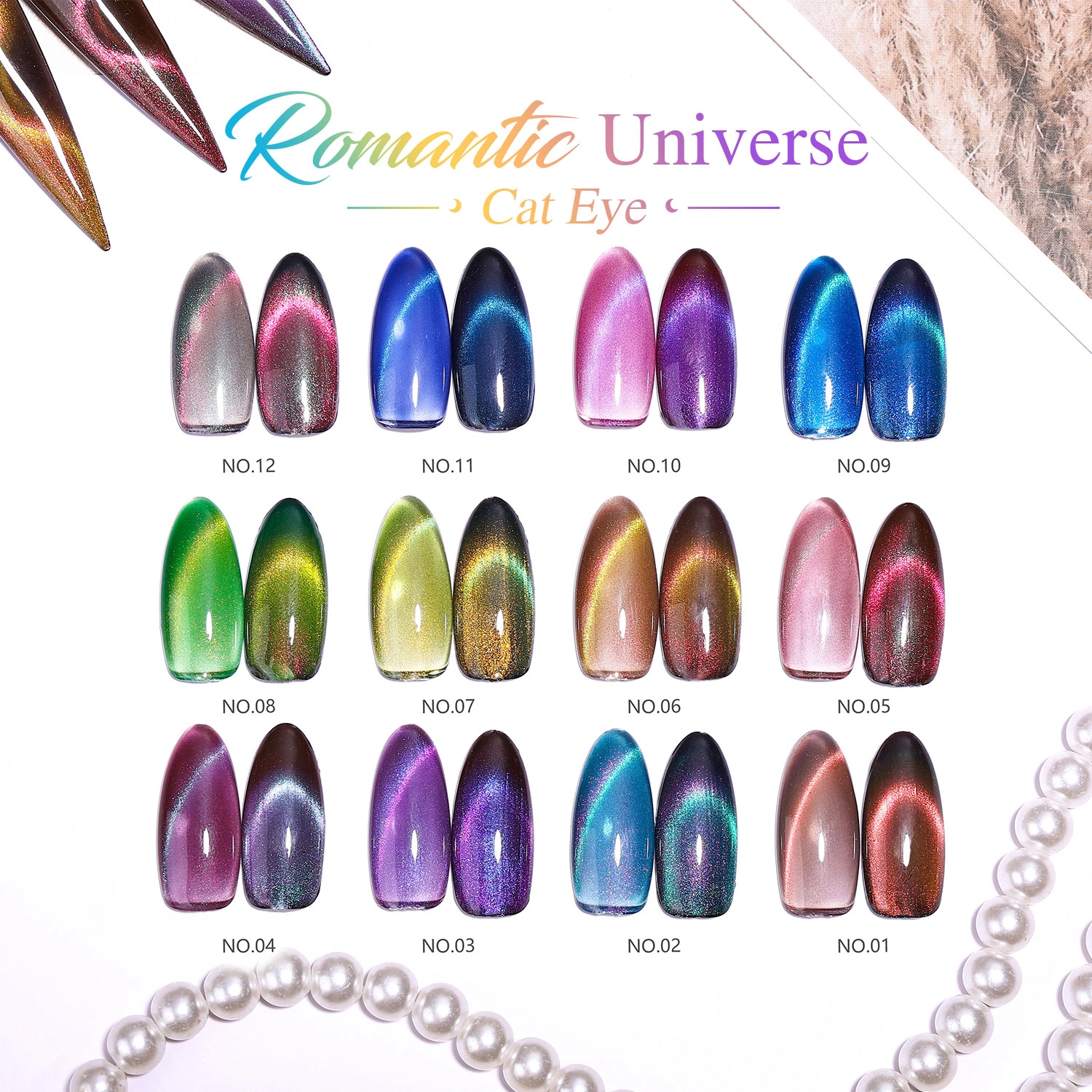
The "Siren Eyes" of Nails: How Cat Eye Gels Became the Ultimate Femme Fatale Look
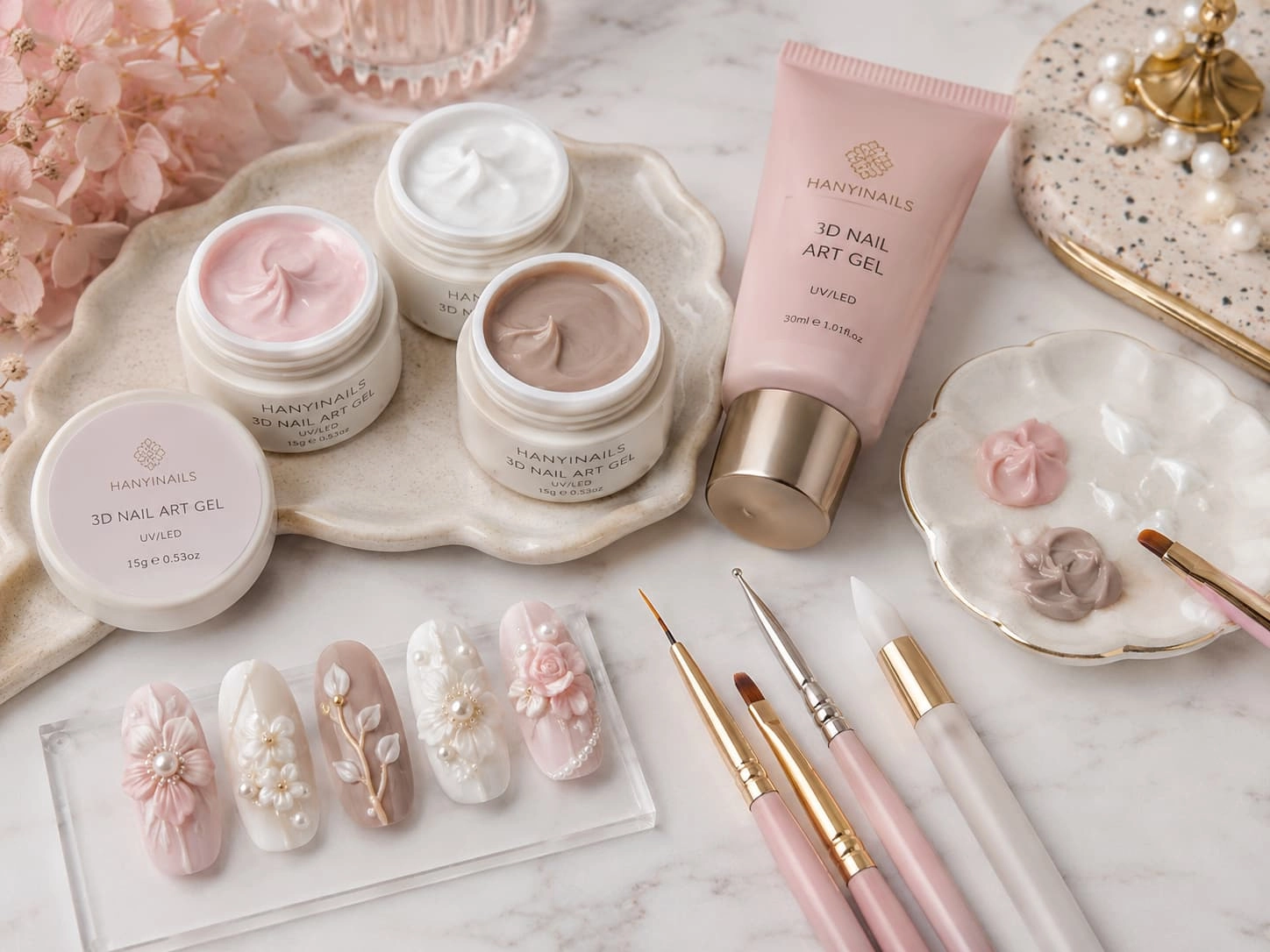
What Is 3D Nail Art Gel? How to Use 3D Sculpting Gel for Nails
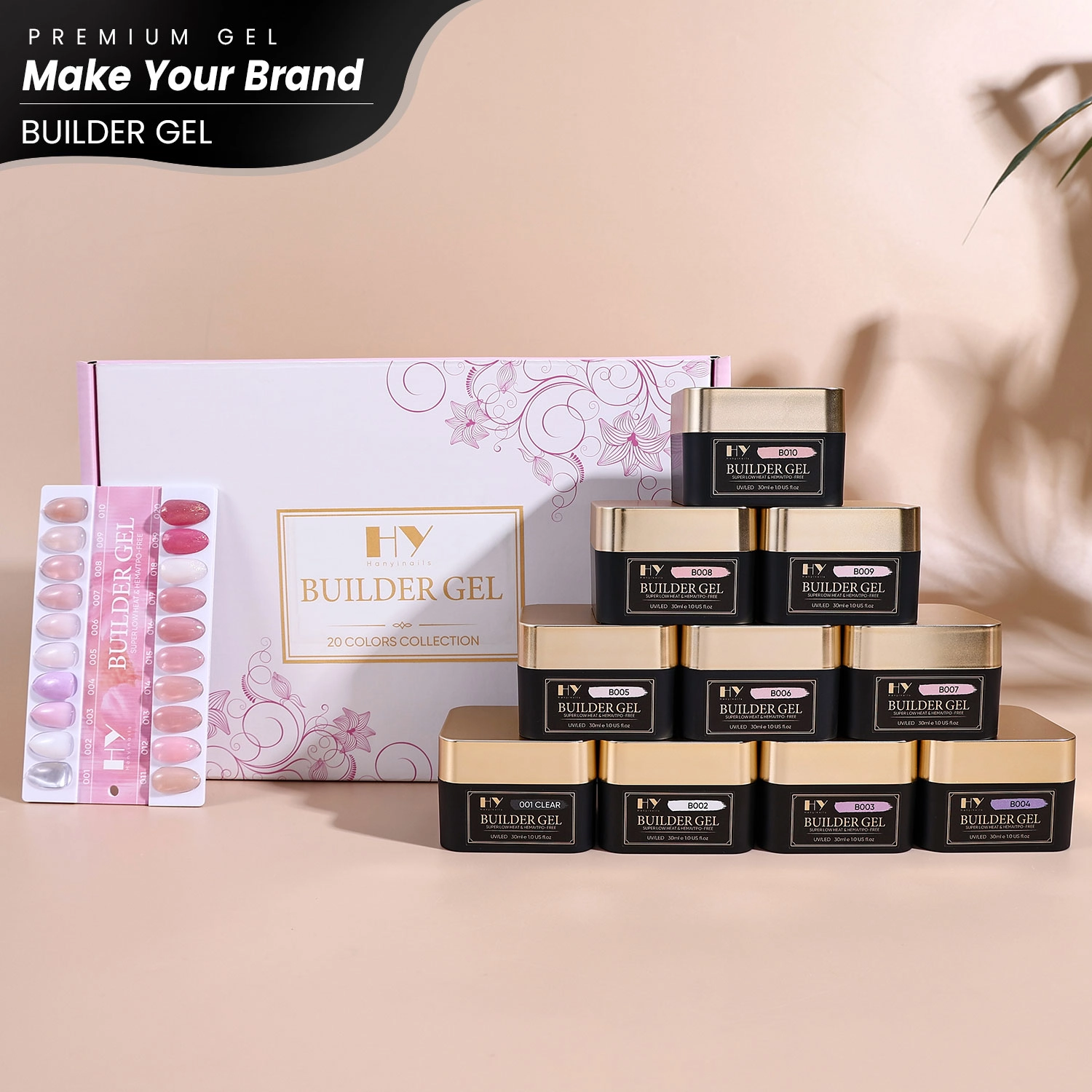
How to Build a Proper Apex with Self-Leveling Builder Gel
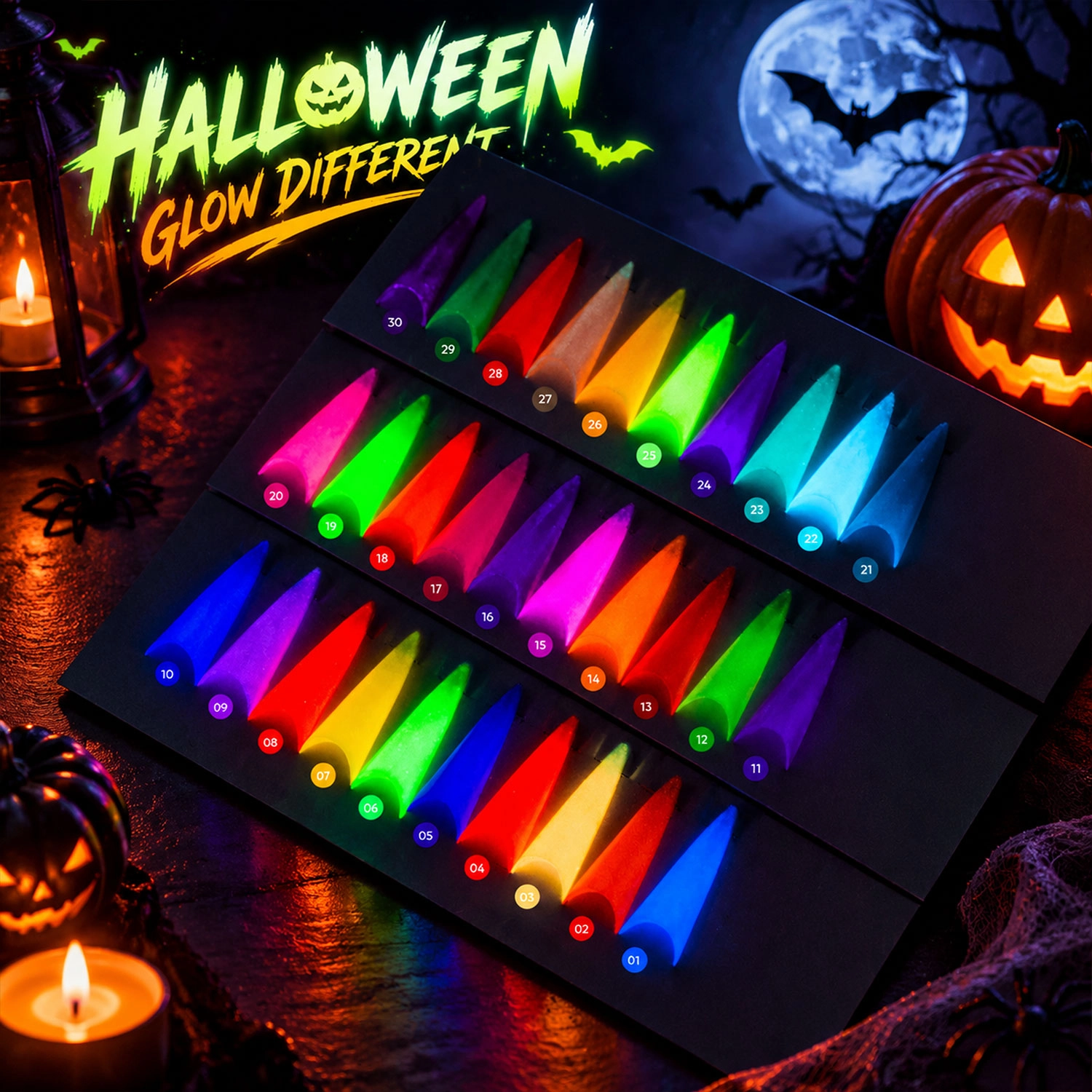
The Psychology of Nail Color: What Your Manicure Says About Your Mood
How to Prevent Heat Spikes During Gel Curing: The Ultimate Guide
Cat Eye French Manicure: The Modern Upgrade to a Classic (2026 Guide)
Recommended for You
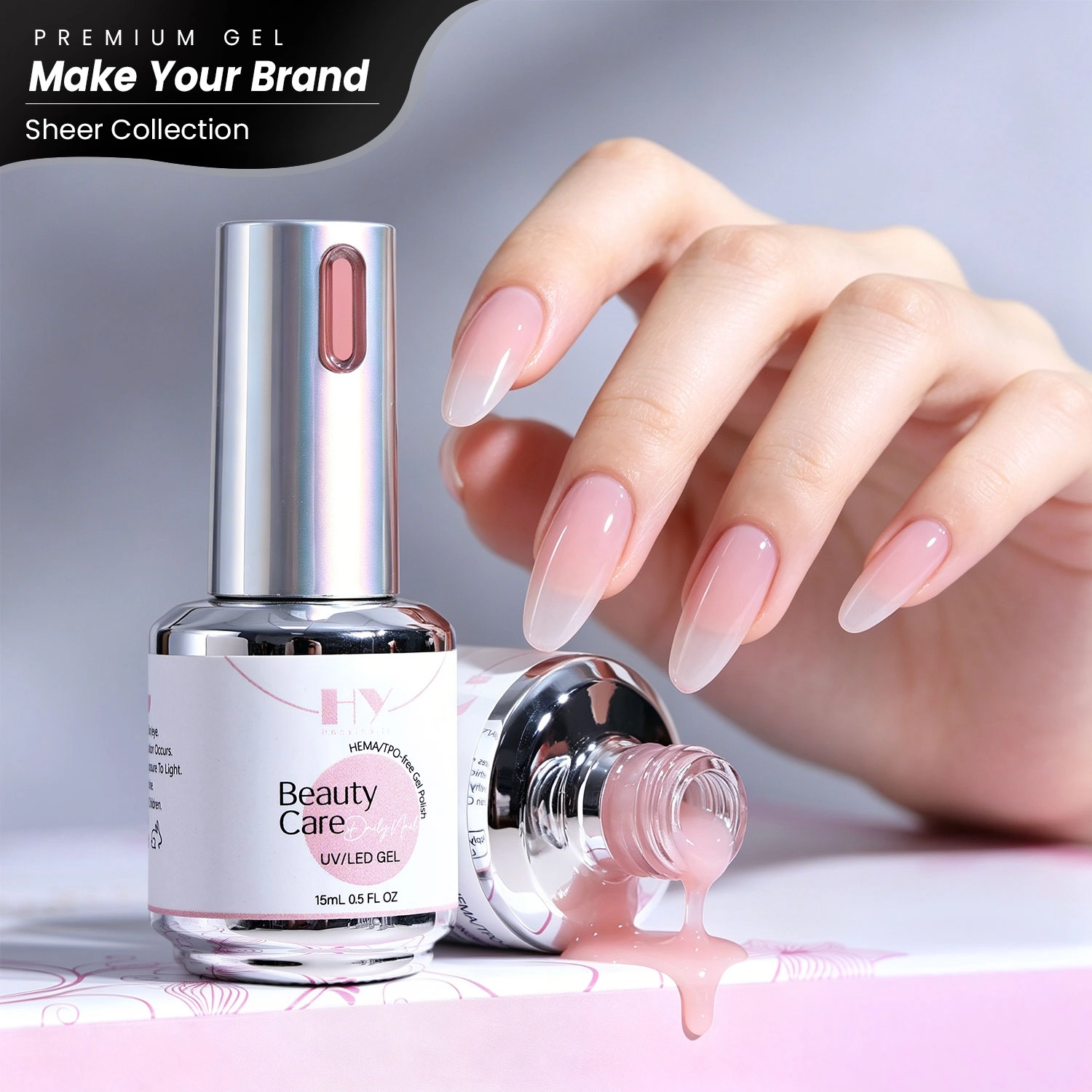
Hanyinails Sheer Collection – 24 Natural Nude Gel Polish Colors | HEMA-Free & Vegan | 15ml
🔑Key Features:
🌸 24 Sheer Translucent Shades – Natural nudes to soft pinks – for every skin tone.
💎 28+ Day Wear – High-gloss, chip-resistant – flawless glassy shine.
🎨 24 Curated Shades – Milky white to blush pink – timeless elegance.
🌿 11-Toxic Free & Vegan – Safe, low-odor, cruelty-free – gentle on nails.
🎁 Premium Packaging – Elegant gift-ready box – beautifully presented.
🏭 OEM/ODM Supported – Custom colors, packaging, branding.
💄 Timeless beauty. Unforgettable moments.
“Timeless beauty. Unforgettable moments.”
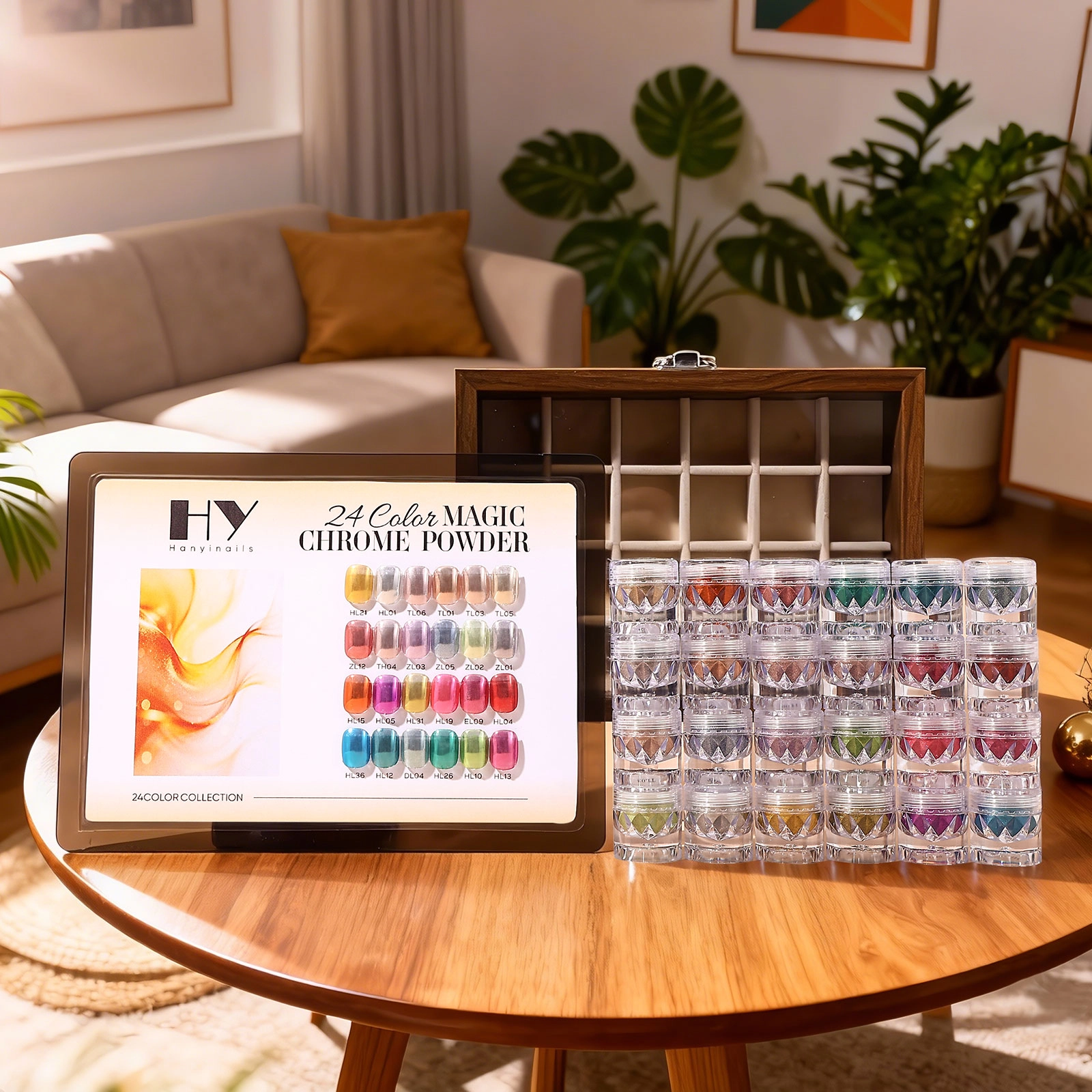
Professional Magic Chrome Powder - 24 Colors Mirror Effect Nail Pigment | Multi-Effect on Any Base | Salon-Grade & OEM Available
✨ Key Features:
- ✨ Multi-Effect – Works on any base color
🌈 24 Colors – Mirror, holographic, metallic
🌿 Non-Toxic – Safe & skin-friendly
💎 Ultra-Fine – Smooth mirror finish
🕒 No Cure Needed – Buff on gel
🏭 OEM/ODM – Custom support -

Hanyinails Chrome Collection – 36 Color Mirror Chrome Nail Powder Set | OEM Private Label & Non-Toxic | 3g
Key Features:
✨ 36 Mirror Chrome Shades – White pearl, gold, silver, rose gold, holographic, aurora & more
🪞 Mirror-Like Gloss Finish – High-reflective, flawless shine on every nail
💎 Ultra-Fine Pigment – One swipe for brilliant metallic color and smooth coverage
⚡ No-Mess Powder – High-density jar design, easy to pick up with a brush or sponge tip
🌟 Long-Lasting – Up to 3 weeks with proper sealing, chip-resistant
💡 Non-Toxic Formula – Safe for natural nails
🌱 Vegan & Cruelty-Free – Eco-friendly
💧 Easy to Apply – Perfect for beginners and pros alike
🕯️ UV/LED Compatible – Works seamlessly with any gel top coat
🎨 3g Professional Size – Compact and long-lasting
🧴 OEM/ODM Support – Custom formula, packaging & bulk orders
Perfect for salons, brands & private label buyers who love luxurious metallic finishes.
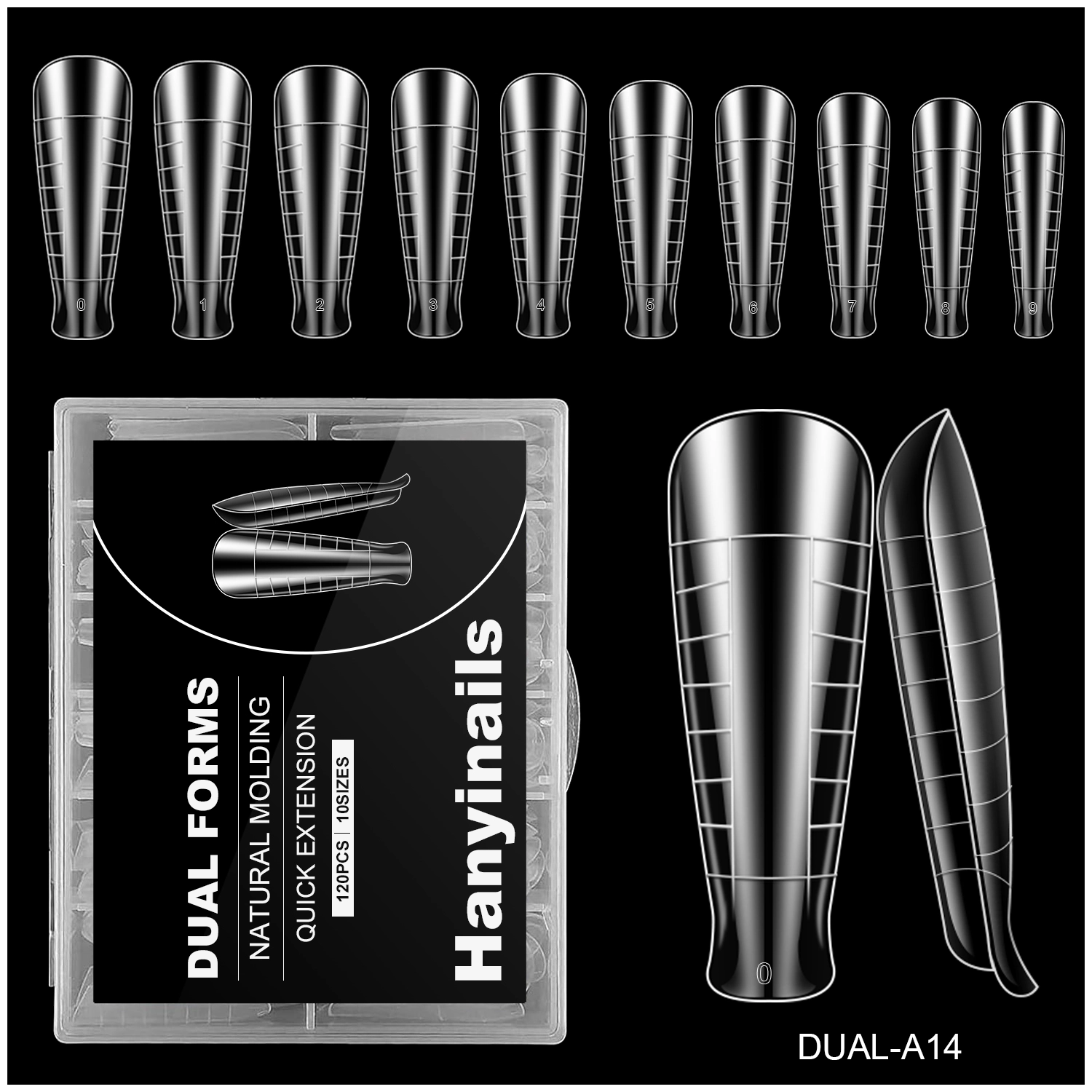
Nail Form for Poly Gel: The Ultimate Tool for Perfect Nail Sculpting
🔑 Key Features:
💪 Natural Feel & Lightweight Comfort—Incredibly thin and flexible, mimicking natural nail curvature
⏱️ Fast, Easy Application—Full-cover, pre-shaped soft-gel tips that speed up the application process
🌿 Durability That Impresses—Last 3–4 weeks without lifting or breaking
🎨 Easy & Safer Removal—Removal is simple and safe.
🧴 OEM/ODM Available—Custom packaging, sizes, and branding.
🌍 Suitable for Salon & Home Use
Looking for a creative, premium, and reliable nail gel product manufacturer?
Whether you're an Amazon seller, Shopify store owner, chain store buyer, brand owner, distributor, wholesaler, or nail supply retailer — Hanyinails is your trusted partner for custom and wholesale nail solutions.

Hanyinails
Hanyinails
Hanyinails
Hanyinails