



Can OEM/ODM cat eye gel polish be private labeled?
- Can OEM cat eye gel polish be private labeled by salons?
- What regulatory documents required for private labeling cat eye gel polish?
- How do OEMs ensure magnetic stability in cat eye gel polish?
- What minimum order quantities apply for private label cat eye gel polish?
- Can ODM suppliers customize packaging and pigments for cat eye gel polish?
- How to validate quality: testing and certifications for cat eye gel polish?
- FAQ
Can OEM/ODM cat eye gel polish be private labeled?
This article explains practical steps and compliance controls for private labeling cat eye gel polish through OEM and ODM partners, with compliance references, testing regimes, cost drivers, and supplier validation checklists tailored for nail gel brands and buyers.
Can OEM cat eye gel polish be private labeled by salons?
Yes. OEM manufacturers produce finished formulations that can be rebranded as private label products for salons and retailers. The practical path is to select a stock magnetic gel formula or commission a small formulation tweak, sign a commercial agreement, and create finished artwork and labeling that meet the target market regulations. Key operational realities: private label from OEMs is faster when you use an existing, proven formula because the supplier already has stability, batch records, and material safety data sheets. Salons should request the Product Information File, certificate of analysis for pigment batches, and evidence of cosmetics good manufacturing practices such as ISO 22716 adherence. Many OEMs will offer different service levels: artwork printing only, relabeling, or fully packaged product runs. Negotiate minimum order quantities and sample approvals before committing to production to avoid unexpected costs and compliance gaps.
What regulatory documents required for private labeling cat eye gel polish?
Regulatory demands depend on destination markets but share common documents. For the European market you must maintain a Product Information File in accordance with EU Cosmetics Regulation 1223 2009, including a qualified safety assessor opinion, stability data, and toxicological profile. For the United States the FDA does not preapprove cosmetics but expects correct ingredient listing and truthful labeling, and may request adverse event records. Universally requested documents from an OEM/ODM are: material safety data sheets or safety data sheets, certificate of analysis for pigments and raw materials, stability test reports, batch manufacturing records, and a declaration of GMP practices such as ISO 22716 or equivalent. For export clearance some buyers require a Certificate of Free Sale. Make sure banned ingredient lists for target jurisdictions are checked; common nail product restrictions include formaldehyde donors, certain phthalates, and other regionally prohibited substances. Require your supplier to provide up-to-date COAs and confirm compliance with REACH restricted substances if selling in the EU.
How do OEMs ensure magnetic stability in cat eye gel polish?
Magnetic effect stability depends on pigment selection, dispersion technology, resin compatibility, and surface chemistry. Cosmetic magnetic pigments are typically iron-derived particles engineered for dispersion in polymer resins; they must be cosmetic grade, coated for anti-oxidation, and compatible with UV/LED-curable gel chemistries. OEMs control stability through pigment milling, particle size distribution control, and anti-settling additives to prevent phase separation. Critical testing includes accelerated stability at elevated temperatures, real-time shelf stability, UV exposure tests, and magnet performance reproducibility tests using standardized magnet strength and distance measurements. Ask your OEM for empirical pull strength data across production batches, sedimentation rate reports, and pigment COAs that specify iron content and coating type. A reliable OEM will provide 3 production batch test results, compatibility reports for lamp types (LED versus UV), and guidance on recommended top coats, because curing chemistry and top coat interaction materially affect the magnetic stripe sharpness and longevity.
What minimum order quantities apply for private label cat eye gel polish?
MOQs are not universal and depend on whether you choose stock label programs or fully customized OEM runs. Stock private-label programs may accept small MOQ orders suitable for boutiques, sometimes in the low hundreds per SKU. Full OEM customization including unique formula development, private pigments, or bespoke packaging typically increases MOQ because of setup costs, pigment batch minimums, tooling, and regulatory testing. Cost drivers that influence MOQ include custom pigment milling, print runs for cartons and bottles, and the need for stability and safety testing on new formulations. To reduce MOQ, request packaging and bottle reuse of existing supplier SKUs, accept stock formulas, or agree to phased rollouts where initial runs validate demand before larger scale production. Always obtain a transparent cost breakdown from your OEM to understand fixed versus variable costs contributing to MOQ requirements.
Can ODM suppliers customize packaging and pigments for cat eye gel polish?
Yes, ODM suppliers specialize in both formula and packaging customization. Packaging customization ranges from label-only relabeling to full-service design, molded bottle tooling, custom applicators, and bespoke carton printing. Pigment customization is feasible but technically demanding for magnetic finishes because changing pigment substrate, coating, or particle size alters magnet response and stability. When requesting pigment customization, insist on pilot batches and a documented stability protocol that covers pigment dispersion, anti-sedimentation strategies, and compatibility with your curing process. Supply chain considerations matter: custom pigments can extend lead times due to sourcing and particle coating steps, and they may introduce additional regulatory scrutiny for certain markets. For packaging, verify that the supplier can provide packaging compliance data such as child resistant closures if required, packaging material declarations, and print proofs. Successful ODM customization combines controlled R&D samples, iterative approvals, and clear contractual provisions for intellectual property and mold ownership.
How to validate quality: testing and certifications for cat eye gel polish?
Validation requires a mix of laboratory testing, process audits, and documentation review. Essential tests are microbial limits (for products with water content), accelerated and real-time stability, photostability, adhesion and wear testing, and specific magnetic performance tests to ensure the cat eye effect meets your specification. Insist on third-party testing where critical, and require certificate of analysis covering heavy metals and impurities in pigments. Certifications to request include GMP evidence such as ISO 22716 compliance, and for certain markets a cosmetic safety assessor report. Conduct supplier audits or use third-party audit firms to verify manufacturing controls, batch traceability, and corrective action procedures. Operationally, require at least three consecutive production batch reports, retain sample retention for 12 to 36 months, and define acceptance criteria for color variation, magnetic stripe clarity, viscosity, and cure time. A documented incoming raw material acceptance procedure and batch release protocol are non negotiable for brand protection.
Conclusion: Private labeling cat eye gel polish through OEM or ODM partners is fully viable when buyers enforce a rigorous validation workflow: confirm regulatory documentation, require material COAs and stability data, validate magnetic pigment performance across batches, negotiate realistic MOQs tied to cost drivers, and audit manufacturing processes for GMP compliance. Proper technical due diligence converts the supplier relationship into a scalable, low-risk private label channel.
Contact us for a quote at www.hanyinails.com or by email at sales@hanyinails.com.
FAQ
Can OEM cat eye gel polish be private labeled by salons?
Yes. OEM manufacturers produce finished formulations that can be rebranded as private label products for salons and retailers. The practical path is to select a stock magnetic gel formula or commission a small formulation tweak, sign a commercial agreement, and create finished artwork and labeling that meet the target market regulations. Key operational realities: private label from OEMs is faster when you use an existing, proven formula because the supplier already has stability, batch records, and material safety data sheets. Salons should request the Product Information File, certificate of analysis for pigment batches, and evidence of cosmetics good manufacturing practices such as ISO 22716 adherence. Many OEMs will offer different service levels: artwork printing only, relabeling, or fully packaged product runs. Negotiate minimum order quantities and sample approvals before committing to production to avoid unexpected costs and compliance gaps.
What regulatory documents required for private labeling cat eye gel polish?
Regulatory demands depend on destination markets but share common documents. For the European market you must maintain a Product Information File in accordance with EU Cosmetics Regulation 1223 2009, including a qualified safety assessor opinion, stability data, and toxicological profile. For the United States the FDA does not preapprove cosmetics but expects correct ingredient listing and truthful labeling, and may request adverse event records. Universally requested documents from an OEM/ODM are: material safety data sheets or safety data sheets, certificate of analysis for pigments and raw materials, stability test reports, batch manufacturing records, and a declaration of GMP practices such as ISO 22716 or equivalent. For export clearance some buyers require a Certificate of Free Sale. Make sure banned ingredient lists for target jurisdictions are checked; common nail product restrictions include formaldehyde donors, certain phthalates, and other regionally prohibited substances. Require your supplier to provide up-to-date COAs and confirm compliance with REACH restricted substances if selling in the EU.
How do OEMs ensure magnetic stability in cat eye gel polish?
Magnetic effect stability depends on pigment selection, dispersion technology, resin compatibility, and surface chemistry. Cosmetic magnetic pigments are typically iron-derived particles engineered for dispersion in polymer resins; they must be cosmetic grade, coated for anti-oxidation, and compatible with UV/LED-curable gel chemistries. OEMs control stability through pigment milling, particle size distribution control, and anti-settling additives to prevent phase separation. Critical testing includes accelerated stability at elevated temperatures, real-time shelf stability, UV exposure tests, and magnet performance reproducibility tests using standardized magnet strength and distance measurements. Ask your OEM for empirical pull strength data across production batches, sedimentation rate reports, and pigment COAs that specify iron content and coating type. A reliable OEM will provide 3 production batch test results, compatibility reports for lamp types (LED versus UV), and guidance on recommended top coats, because curing chemistry and top coat interaction materially affect the magnetic stripe sharpness and longevity.
What minimum order quantities apply for private label cat eye gel polish?
MOQs are not universal and depend on whether you choose stock label programs or fully customized OEM runs. Stock private-label programs may accept small MOQ orders suitable for boutiques, sometimes in the low hundreds per SKU. Full OEM customization including unique formula development, private pigments, or bespoke packaging typically increases MOQ because of setup costs, pigment batch minimums, tooling, and regulatory testing. Cost drivers that influence MOQ include custom pigment milling, print runs for cartons and bottles, and the need for stability and safety testing on new formulations. To reduce MOQ, request packaging and bottle reuse of existing supplier SKUs, accept stock formulas, or agree to phased rollouts where initial runs validate demand before larger scale production. Always obtain a transparent cost breakdown from your OEM to understand fixed versus variable costs contributing to MOQ requirements.
Can ODM suppliers customize packaging and pigments for cat eye gel polish?
Yes, ODM suppliers specialize in both formula and packaging customization. Packaging customization ranges from label-only relabeling to full-service design, molded bottle tooling, custom applicators, and bespoke carton printing. Pigment customization is feasible but technically demanding for magnetic finishes because changing pigment substrate, coating, or particle size alters magnet response and stability. When requesting pigment customization, insist on pilot batches and a documented stability protocol that covers pigment dispersion, anti-sedimentation strategies, and compatibility with your curing process. Supply chain considerations matter: custom pigments can extend lead times due to sourcing and particle coating steps, and they may introduce additional regulatory scrutiny for certain markets. For packaging, verify that the supplier can provide packaging compliance data such as child resistant closures if required, packaging material declarations, and print proofs. Successful ODM customization combines controlled R&D samples, iterative approvals, and clear contractual provisions for intellectual property and mold ownership.
How to validate quality: testing and certifications for cat eye gel polish?
Validation requires a mix of laboratory testing, process audits, and documentation review. Essential tests are microbial limits (for products with water content), accelerated and real-time stability, photostability, adhesion and wear testing, and specific magnetic performance tests to ensure the cat eye effect meets your specification. Insist on third-party testing where critical, and require certificate of analysis covering heavy metals and impurities in pigments. Certifications to request include GMP evidence such as ISO 22716 compliance, and for certain markets a cosmetic safety assessor report. Conduct supplier audits or use third-party audit firms to verify manufacturing controls, batch traceability, and corrective action procedures. Operationally, require at least three consecutive production batch reports, retain sample retention for 12 to 36 months, and define acceptance criteria for color variation, magnetic stripe clarity, viscosity, and cure time. A documented incoming raw material acceptance procedure and batch release protocol are non negotiable for brand protection.
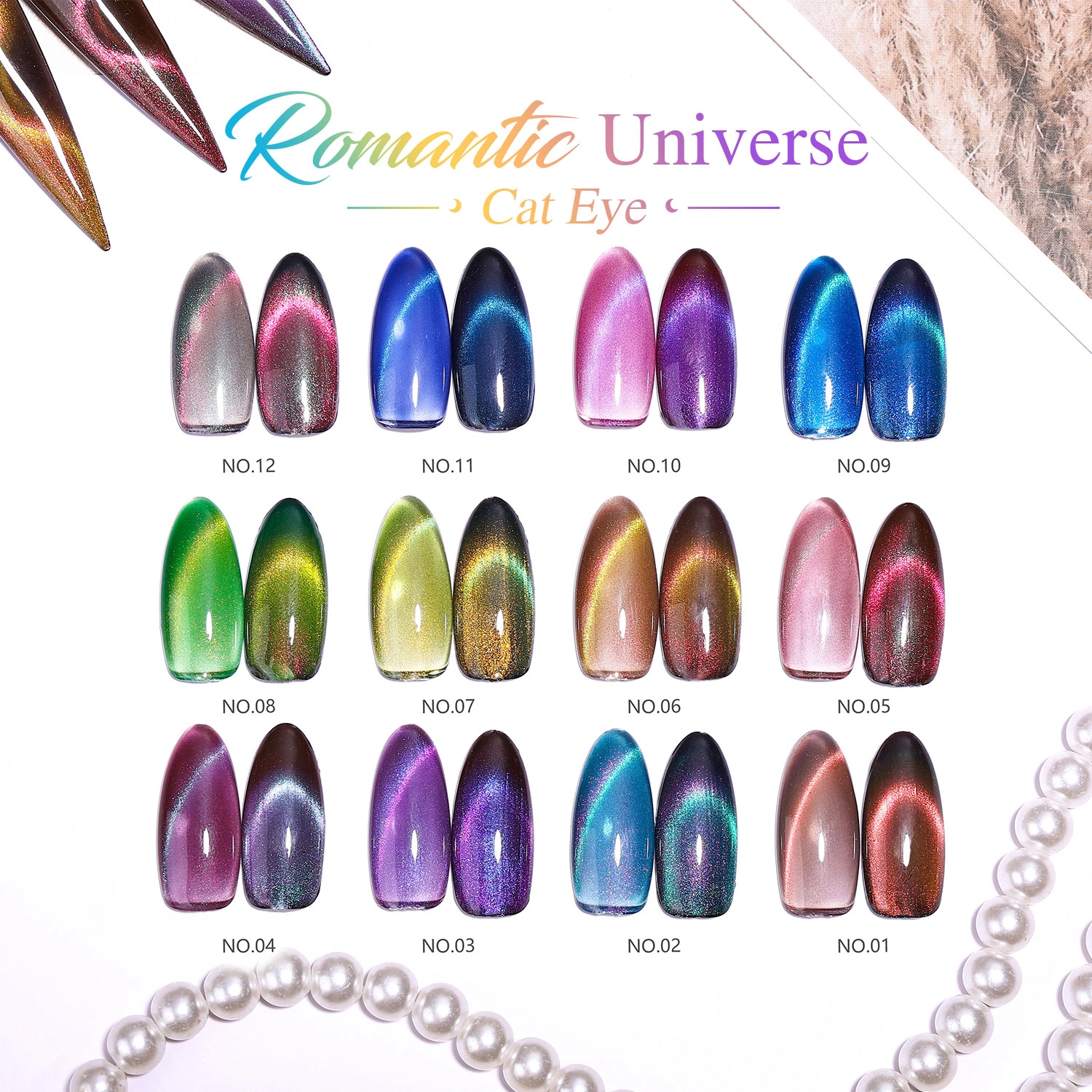
The "Siren Eyes" of Nails: How Cat Eye Gels Became the Ultimate Femme Fatale Look
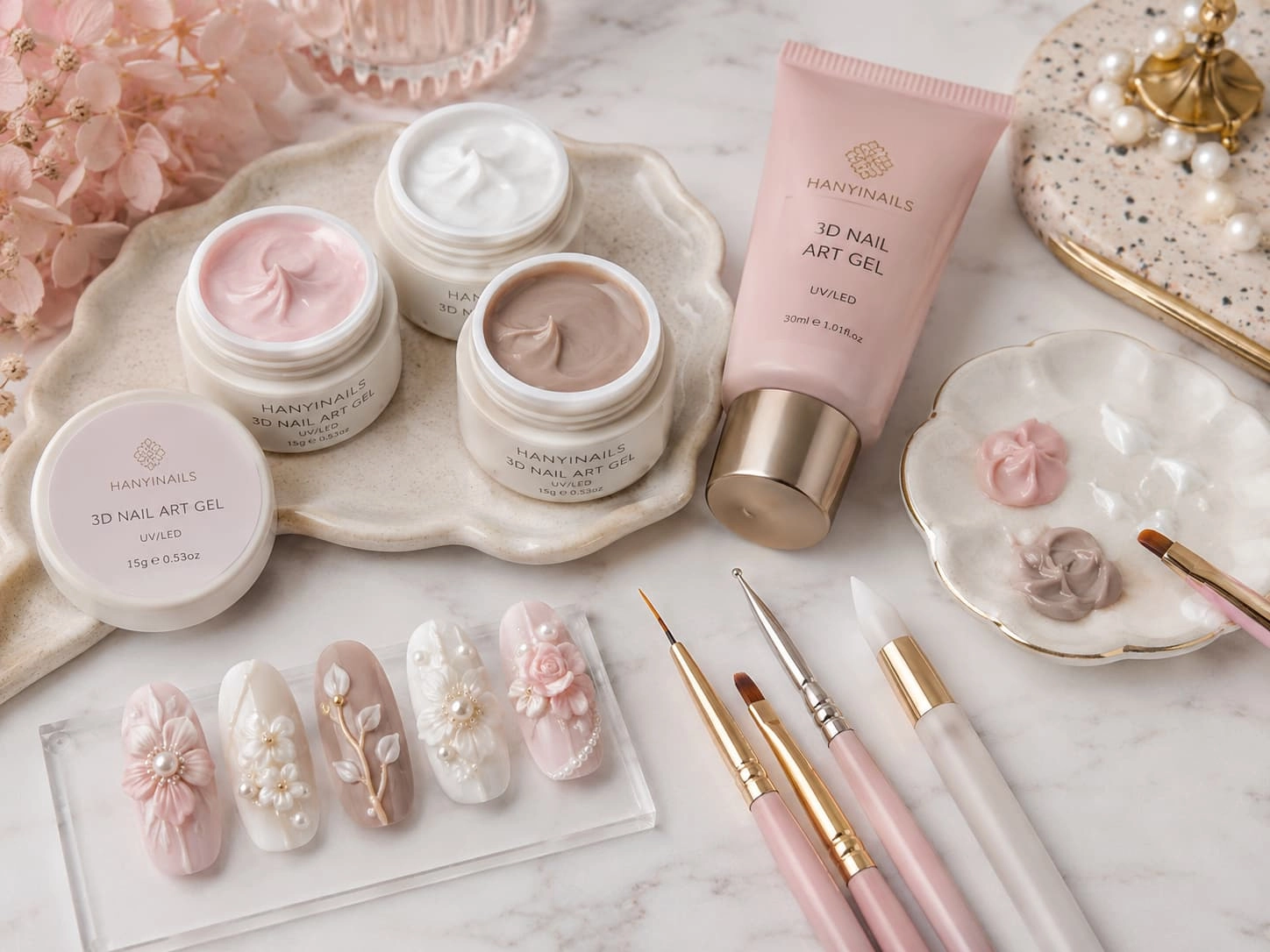
What Is 3D Nail Art Gel? How to Use 3D Sculpting Gel for Nails
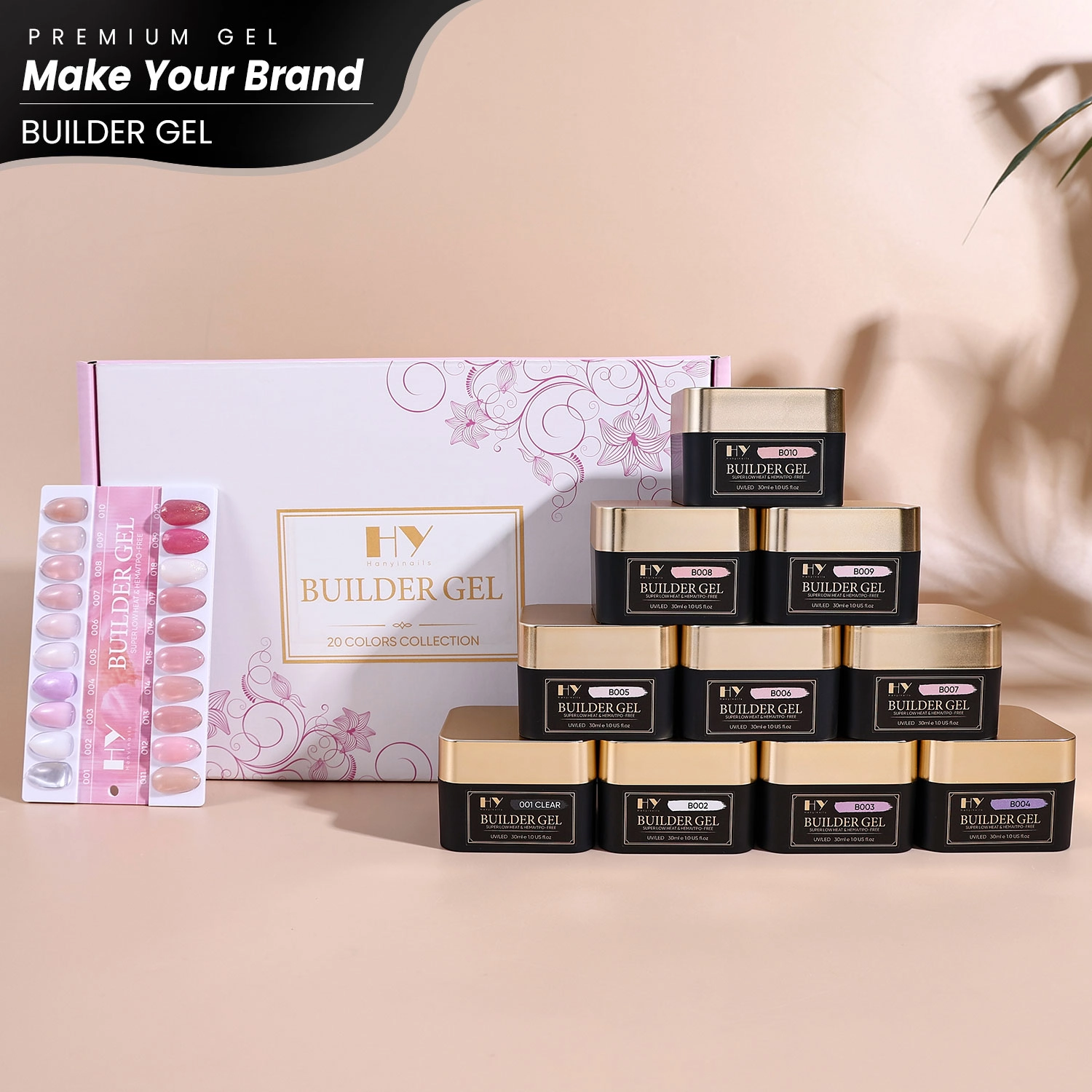
How to Build a Proper Apex with Self-Leveling Builder Gel
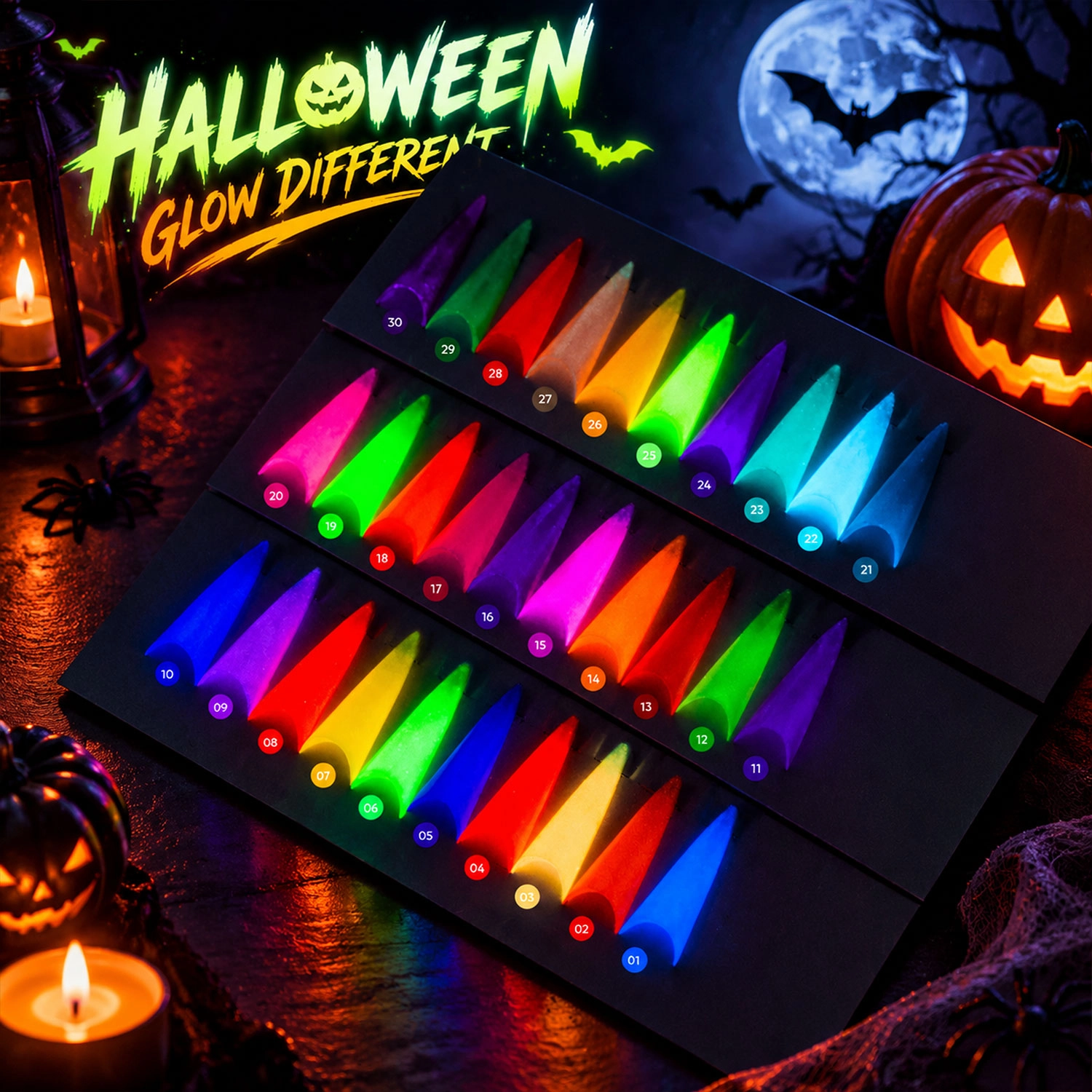
The Psychology of Nail Color: What Your Manicure Says About Your Mood
How to Prevent Heat Spikes During Gel Curing: The Ultimate Guide
Cat Eye French Manicure: The Modern Upgrade to a Classic (2026 Guide)
Recommended for You
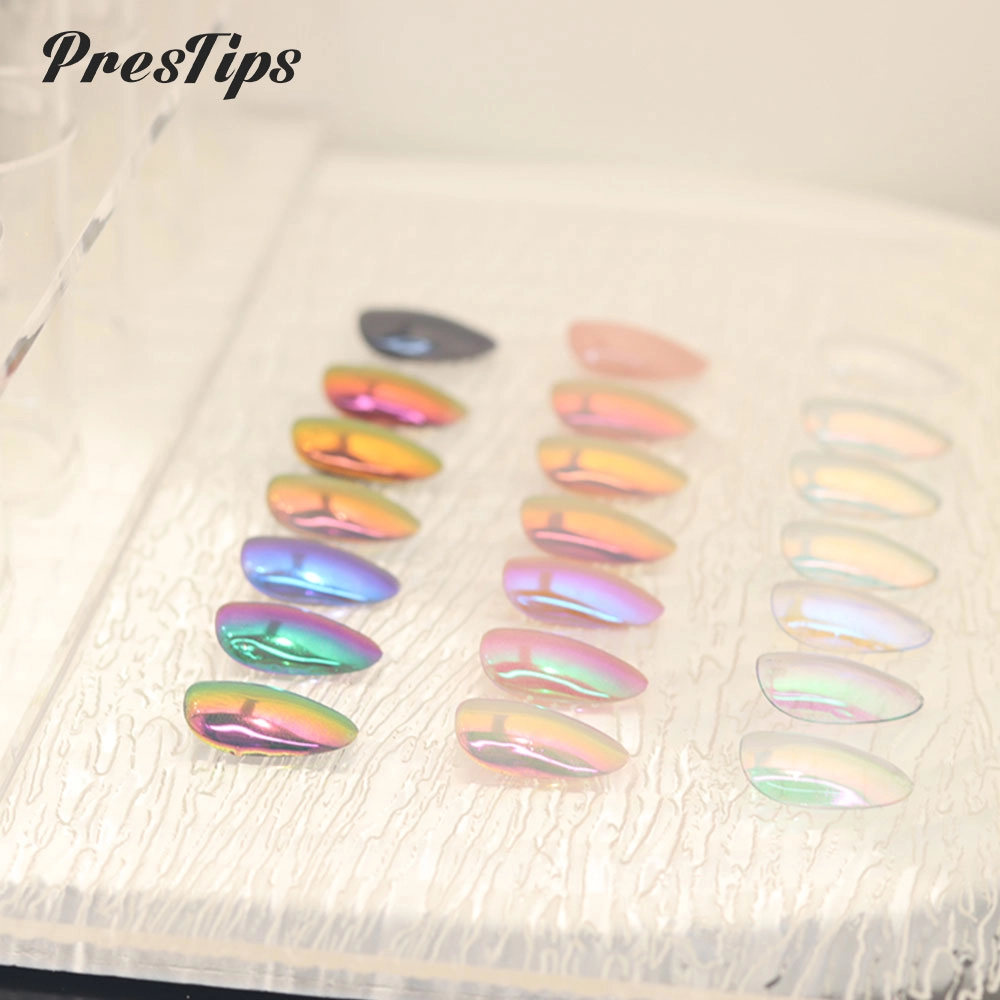
Moonlight Series - Ice Through Powder | 3-in-1 Translucent Finish Powder for Glass Nails & Crystal Effects | OEM/ODM Customization
🔑 Key Features:
✨ Ice-Through Transparency – Ultra-sheer, crystal-clear finish
🔮 Glass Nail Effect – Creates a glossy, translucent “jelly” look
🔄 Versatile Layering – Use alone for subtle shine or over color for depth
🌟 Pearlescent Glow – Delivers a soft, icy shimmer under light
🧴 Easy to Apply – Smooths evenly, no clumping or gritty texture
🌿 Vegan & Safe – Gentle formula, cruelty-free and skin-friendly
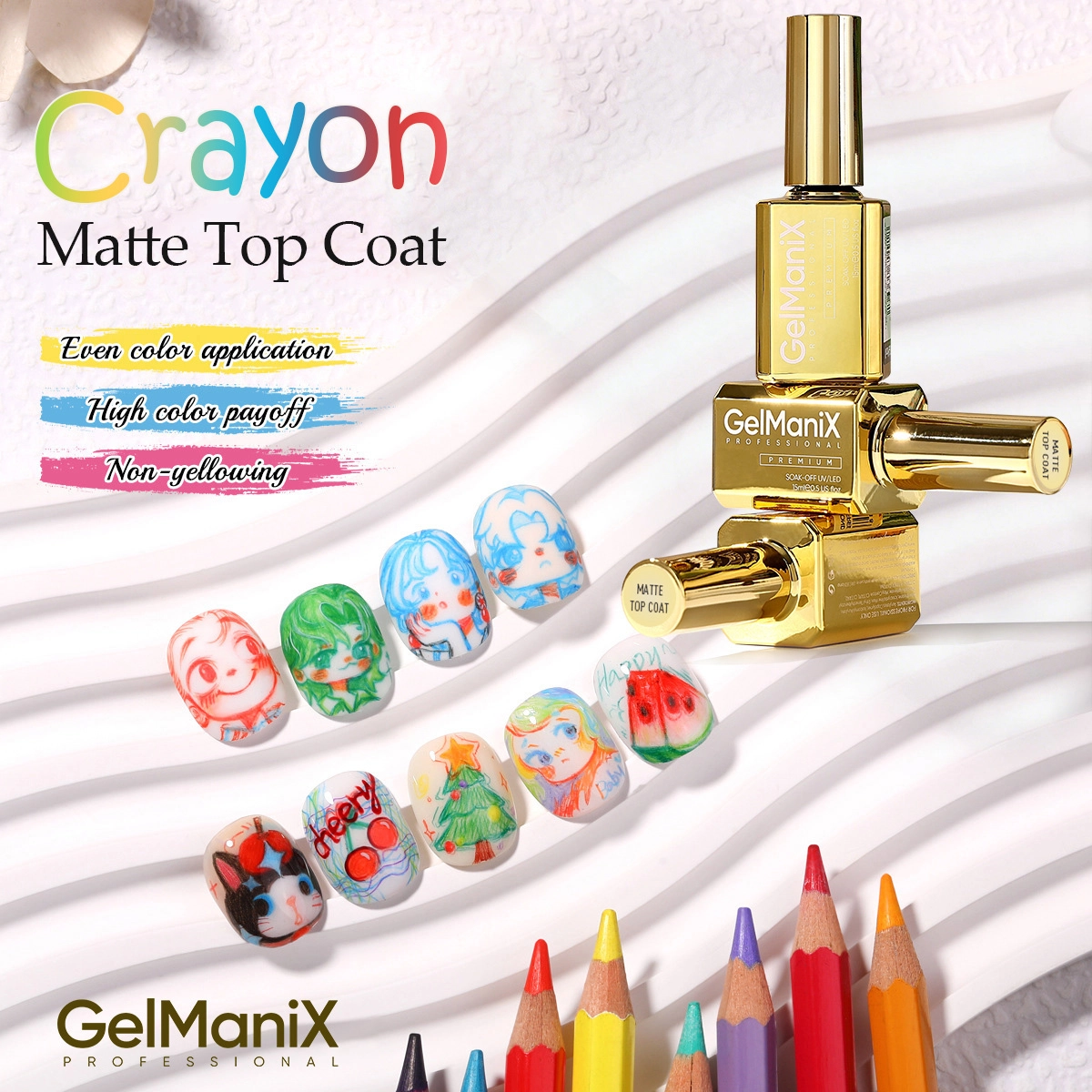
Hanyinails Crayon Matte Top Coat – Non-Yellowing Top Gel for Colored Pencil & Hand-Drawn Nail Art | 15ml
✨ Key Features:
-
🎨 Crayon Matte Texture – Velvety matte finish – perfect for hand-drawn nail art.
✏️ Non-Yellowing & Non-Cloudy – Keeps artwork crisp and clear – no dulling.
🖌️ Colored Pencil Adhesion – Locks in colored pencil, fine-liner & watercolor art.
🔒 Sharp Clean Edges – Edge-locking – no bleeding, no smudging.
💪 True Color Retention – Preserves vibrancy – no fading, no dulling.
🧼 Matte Finish, No Wipe – Velvety matte – no sticky residue, no sealing layer.
🌿 Gentle & Safe – Low odor, non-irritating – safe for natural nails.
🛠️ OEM/ODM Customization – Custom labels, packaging, branding – your signature collection.
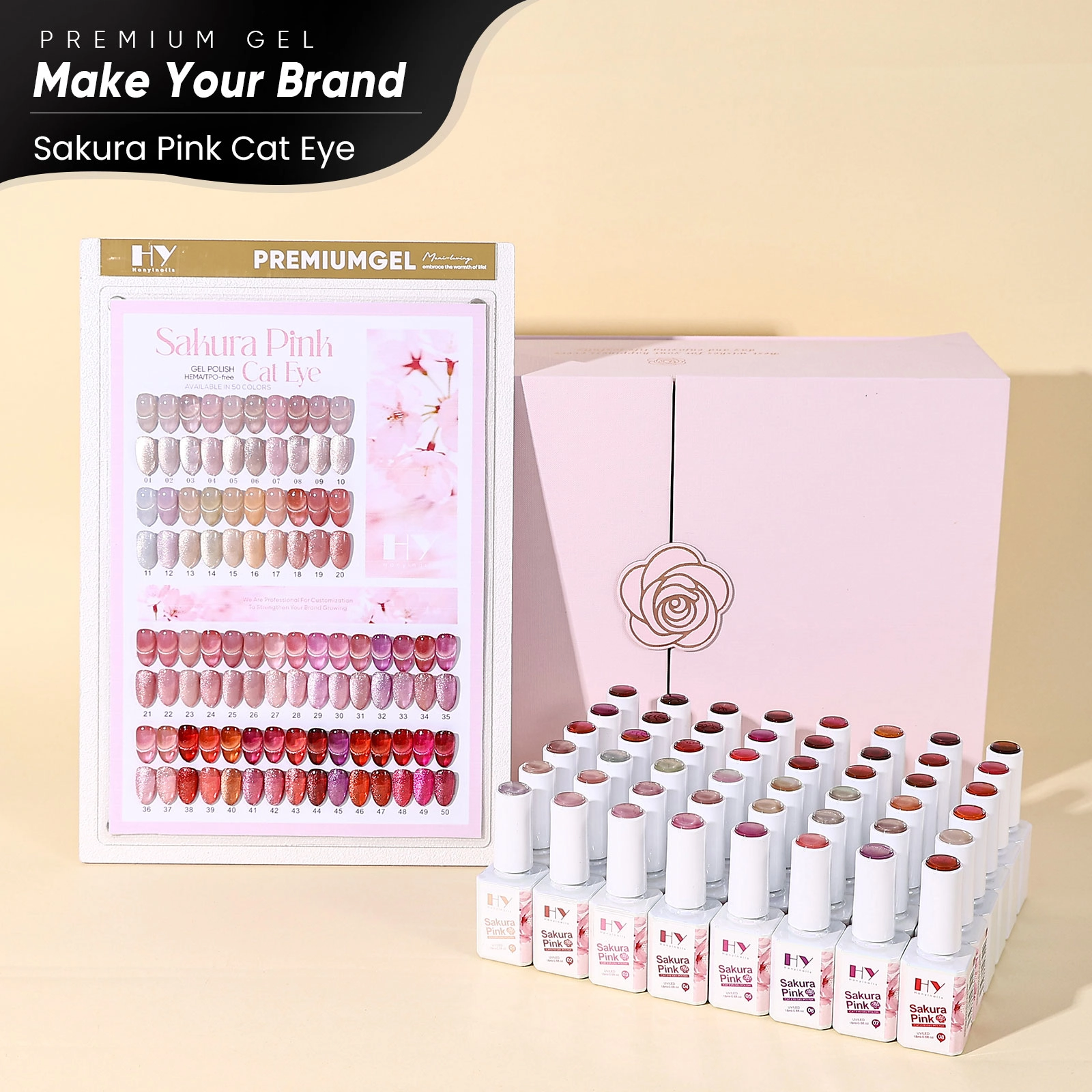
Private Label OEM/ODM Sakura Pink Cat Eye Gel | 50 Colors HEMA-Free Formula with UV/LED Cure
-
-
🔑 Key Features:
-
🌸 50 Colors – Full cat eye spectrum for every style
💅 28-Day Wear – Chip-resistant & long-lasting
✨ High Gloss Finish – Salon-quality mirror shine
🌿 HEMA/TPO Free – Safe & gentle formula
🛠️ OEM/ODM Support – Custom colors & branding
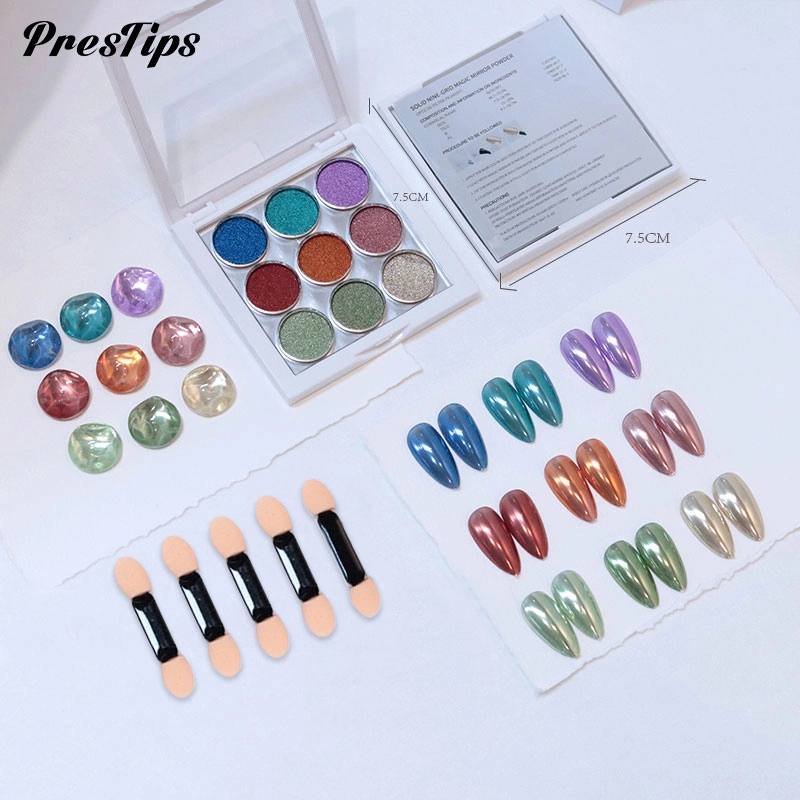
HEMA-Free Mirror Effect Nail Powder | Factory Direct Supply | OEM/ODM Private Label Welcome
🔑 Key Features:
-
🌺 Vibrant Pitaya Pink – Flattering on all skin tones
💎 21-Day Chip-Free Wear – Durable and long-lasting
✨ High-Shine Finish – Salon-quality gloss
🌿 Vegan & Non-Toxic – Gentle, eco-friendly formula
🏭 OEM/ODM Supported – Custom colors & packaging -
Looking for a creative, premium, and reliable nail gel product manufacturer?
Whether you're an Amazon seller, Shopify store owner, chain store buyer, brand owner, distributor, wholesaler, or nail supply retailer — Hanyinails is your trusted partner for custom and wholesale nail solutions.

Hanyinails
Hanyinails
Hanyinails
Hanyinails