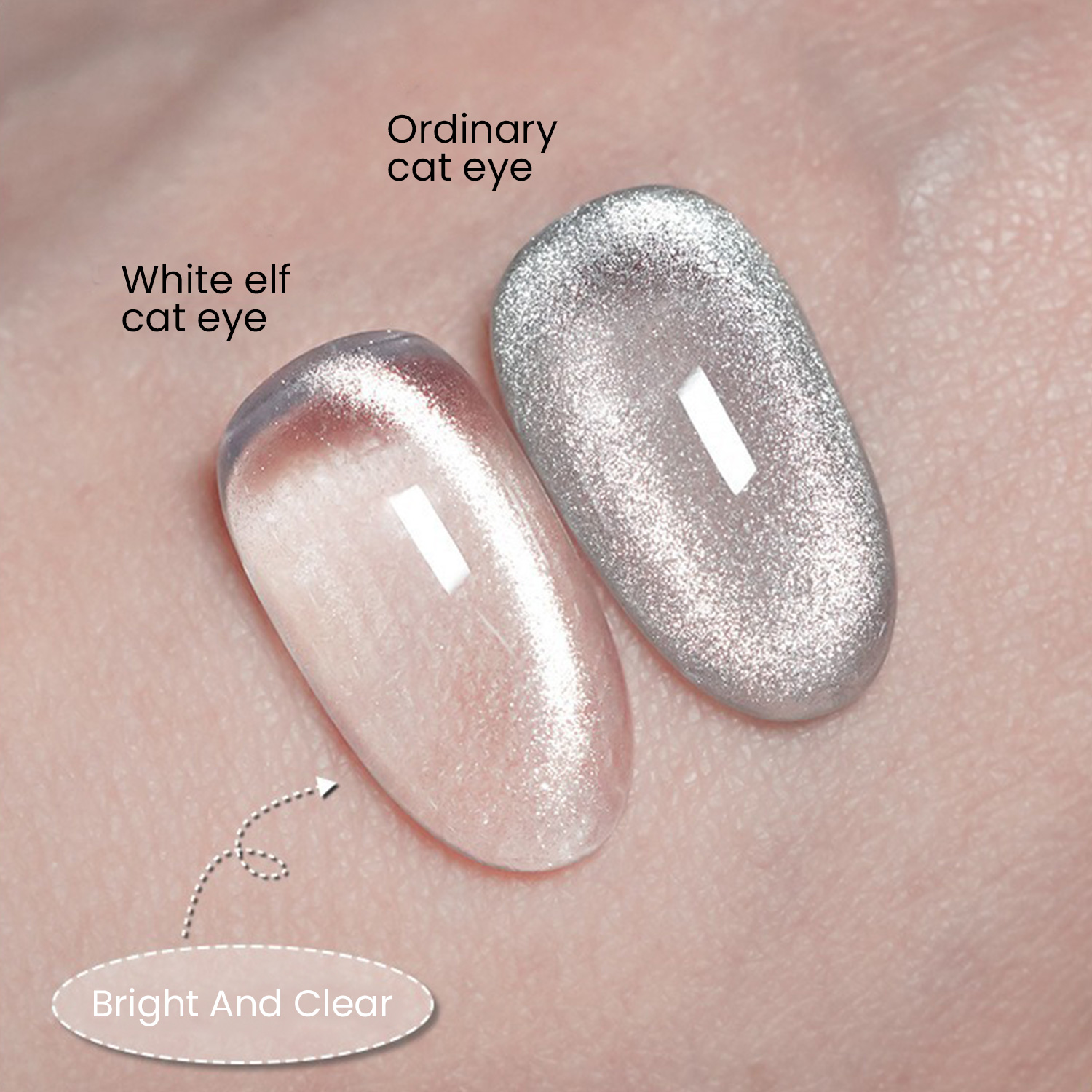
The white cat-eye gel polish collection combines a milky white appearance with a magnetic cat-eye effect and two color options, giving nail brands, salons, and retailers a versatile look to evaluate for their product range. Buyers can assess its visual finish, application requirements, lamp compatibility, and supplier details before ordering, while nail professionals can use careful preparation and the manufacturer’s instructions to support a consistent manicure experience.
How Can a Milky Magnetic Gel Polish Strengthen Your Nail Collection?
What makes a milky cat-eye effect useful for different customers?
A milky base offers a softer visual direction than an opaque, high-contrast metallic look, while the cat-eye effect adds a reflective focal point. This combination can suit customers looking for a luminous manicure that feels distinctive without relying on a bold color statement. For salon owners, it provides an option for clients who want a refined finish for everyday wear as well as occasions.
The product page identifies two color options, which can help buyers consider a small coordinated selection rather than a single visual treatment. Before choosing quantities, review the available shades and request current product images or samples if shade consistency is important to your assortment. Screen settings, lighting, application thickness, and the position of a magnetic tool can all affect how a cat-eye finish appears in photographs and on the nail.
How can buyers judge whether the product fits their assortment?
Start with your customers and sales channel. A salon may value a finish that supports nail-art services and client choice, whereas a distributor may need clear shade identification, dependable packaging information, and product documentation for resale. Ask the supplier about minimum order quantities, available packaging, lead times, and the information supplied with each order; these commercial details are not established by the product name alone.
For a new launch, compare the product with the colors and effect gels already in your range. Request samples and evaluate the appearance under the lighting conditions your customers are likely to use. A simple swatch protocol—same base, similar application, consistent magnet technique, and the same curing system—makes comparisons more useful and helps reduce uncertainty before a larger purchase.
How Should Nail Professionals Apply and Evaluate Cat-Eye Gel?
What preparation helps create a cleaner manicure?
Begin with the nail system and preparation routine recommended by the manufacturer. Clean, properly prepared nails and controlled product placement help reduce avoidable lifting and uneven coverage. Keep gel off the surrounding skin and cuticle area; uncured product contacting skin can raise irritation or sensitization concerns. If contact occurs, follow the product’s safety directions rather than curing the product on the skin.
Apply the gel in the layers and thickness specified by the supplier. Magnetic effects are sensitive to technique, so test how the product responds to the recommended magnet and working distance before offering a service. A consistent routine helps technicians reproduce the intended line or glow across a set of nails. Do not assume that a visual effect seen in a promotional image will be identical with every lamp, base, or application method.
How can teams manage curing and product compatibility?
Use only a curing lamp and procedure that the gel manufacturer identifies as compatible. Lamp output, wavelength, product formulation, layer thickness, and curing time can influence whether a gel cures as intended. Do not substitute a guessed curing time for the supplier’s directions, and avoid mixing systems unless compatibility has been confirmed. For salon teams, documenting the lamp model and application process can make troubleshooting more systematic.
Gel products are not interchangeable simply because they share a category name. Before introducing a new cat-eye gel, test it with the base and top coat you plan to use, following each product’s instructions. Check the finished surface and wear during a controlled trial, and record any application issues. For general nail-product context, consult the FDA guidance on nail care products and the American Academy of Dermatology’s advice on gel manicures.
What Should B2B Buyers Confirm Before Ordering?
Which supplier details reduce purchasing uncertainty?
Ask for current specifications rather than relying on assumptions based on a product title. Confirm the available shades, bottle or container size, ingredient and safety documentation, labeling options, packaging format, order quantity requirements, and estimated production and shipping timelines. If you sell in multiple markets, check whether the supplier can provide documents needed for your internal review and local distribution requirements.
Regulatory obligations depend on where a product is manufactured, marketed, and sold. Buyers should verify applicable requirements with qualified compliance professionals and the relevant authorities rather than treating a supplier statement as a substitute for local review. The European Union Cosmetics Regulation is one example of a jurisdiction-specific framework; it should not be interpreted as a universal approval or certification for any particular gel.
How can sampling improve reorder decisions?
Use a sample order to assess the product in real working conditions before committing to a larger volume. Have more than one technician test application if the product will be used across a team, and capture swatch photos in consistent lighting. This helps distinguish a shade preference from a technique issue and gives purchasing staff concrete feedback to discuss with the supplier.
After a successful trial, retain the tested process and product details as a reference for future orders. Confirm that the delivered shade names, packaging, and instructions match what was evaluated, and ask the supplier how changes to formulation or packaging are communicated. This practical step can improve continuity for salons and make it easier for distributors to set accurate expectations with their own customers.









Hanyinails
Hanyinails
Hanyinails
Hanyinails