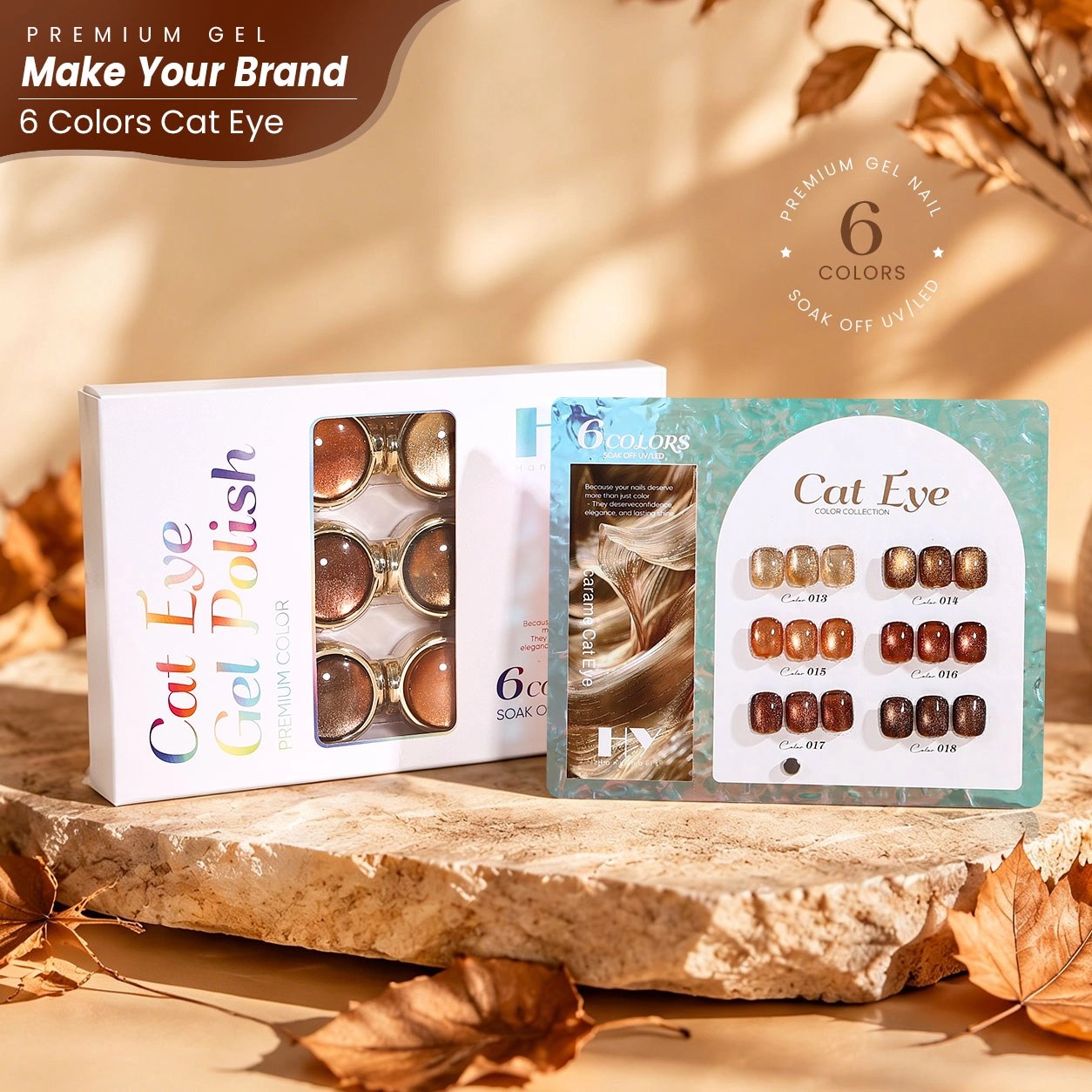
Private-label cat eye gel with magnet is a salon-oriented magnetic gel polish system that combines light-reflective particles with a matching magnet to create moving velvet, line, halo, or 3D effects. For buyers, a successful program depends on more than color selection: it requires stable particle suspension, predictable curing, compatible packaging, effective magnet strength, compliant labeling, repeatable batch control, and a supplier capable of converting a visual concept into scalable production. This guide explains how brand owners, distributors, and professional nail operators can evaluate custom shades, magnetic accessories, bottle design, formula options, quality documentation, and total commercial risk before placing an OEM order.
How to Specify a Magnetic Velvet Nail Gel Program
Define the optical effect before choosing the pigment
Magnetic manicure products are purchased by visual result, so the product brief should describe the intended effect rather than simply request a color name. Common directions include velvet shimmer, diagonal cat-eye bands, centered beams, aurora movement, galaxy depth, reflective flash, and layered 3D effects. Each result depends on the type, concentration, particle size, orientation, and dispersion of the magnetic pigment, as well as the gel viscosity and the distance between the magnet and the nail surface.
A procurement brief should include the base tone, reflective intensity, particle movement, opacity after one or two coats, curing system, recommended application thickness, and desired effect time. A dark base can increase contrast, while a translucent or jelly base can create a dimensional finish. Buyers should request physical samples under salon lighting, daylight, warm indoor light, and camera flash because highly reflective finishes may appear different across retail photography and real-world application.
Balance formula behavior with salon productivity
The formula must suspend effect particles evenly during storage while allowing them to move quickly when exposed to a magnet. Excessively thin material may flood the sidewalls or produce an inconsistent band; excessively thick material can slow leveling, trap bubbles, and make brush application difficult. The correct rheology should support controlled positioning without sacrificing smoothness, gloss, or curing reliability.
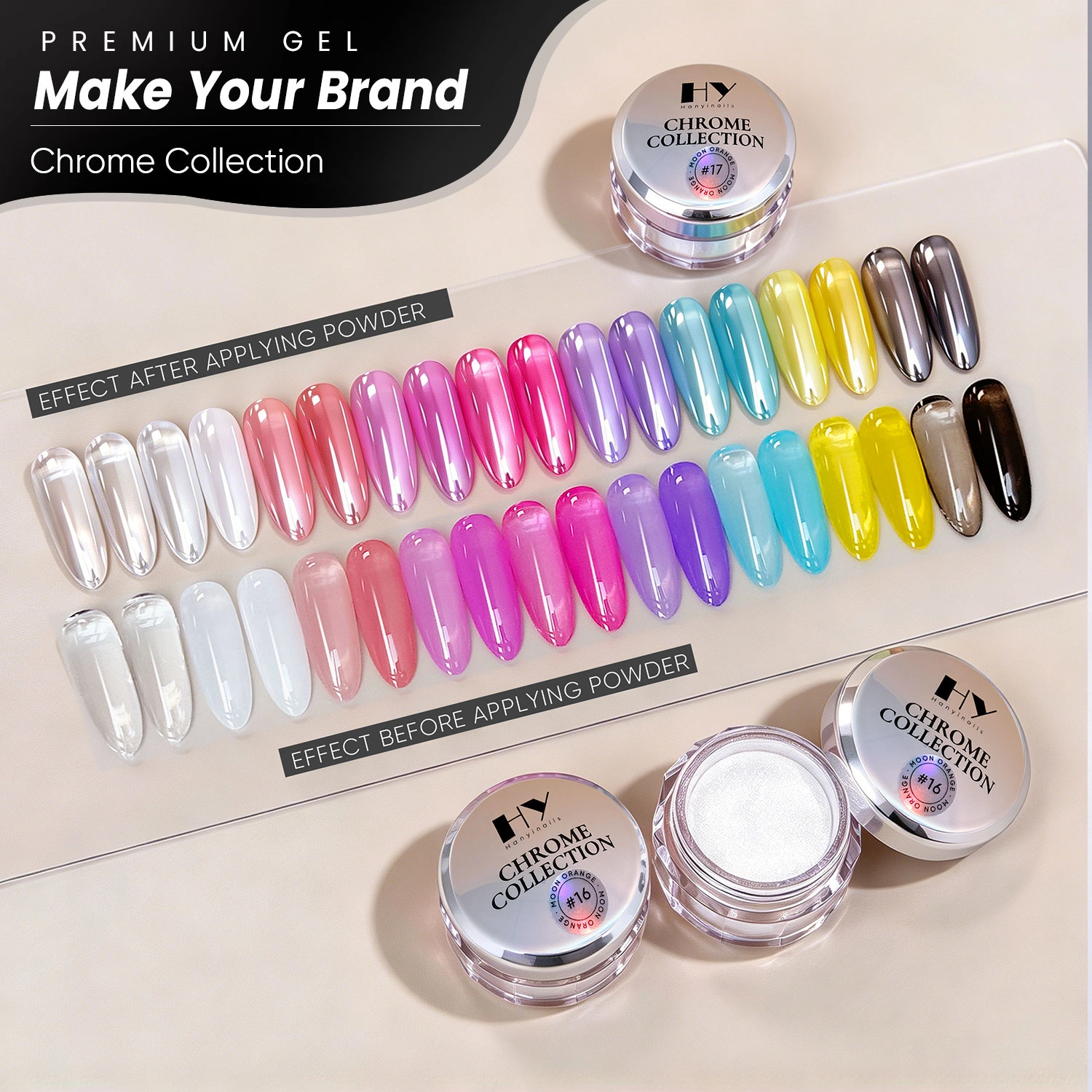
Important technical checkpoints include coating adhesion, self-leveling, pigment settlement, bottle recovery after transport, brush control, curing under the intended LED or UV lamp, resistance to shrinking, and removal performance. A supplier should test the product in realistic salon conditions rather than relying only on laboratory drawdowns. Compatibility with base gel, top coat, builder systems, and extension products should also be verified. For brands that want a broader collection, the same development platform may be extended into 3D nail art gel, gel builder nail polish, colored nail polish, or line gel nail art products.
Choose a magnet that supports repeatable application
The accessory is part of the product system, not a low-value add-on. Magnet shape, surface area, polarity, field strength, coating, handle design, and distance from the nail all affect the final pattern. A flat bar can create a focused line, while a rounded or double-ended tool can support velvet or multi-directional effects. The magnet should be tested with every shade because darker bases, higher particle loads, and different viscosities can change the response.
For retail kits, the magnet needs a secure fit in the carton and adequate protection against scratching or contamination. For professional channels, an ergonomic handle and consistent working distance can reduce application variation. Packaging artwork should communicate whether the tool is placed above uncured gel for a specified number of seconds, and instructions should clarify that the pattern must be formed before curing.
Custom Color, Container, and Packaging Decisions
Build a commercially useful shade architecture
A private-label range should be organized around customer purchasing behavior rather than a random collection of attractive samples. A launch assortment may combine black and navy foundations, red and wine tones, emerald and teal, purple and plum, bronze and gold, silver and pearl, and lighter magnetic neutrals. Seasonal capsules can then introduce limited editions without forcing the brand to redesign its complete system.
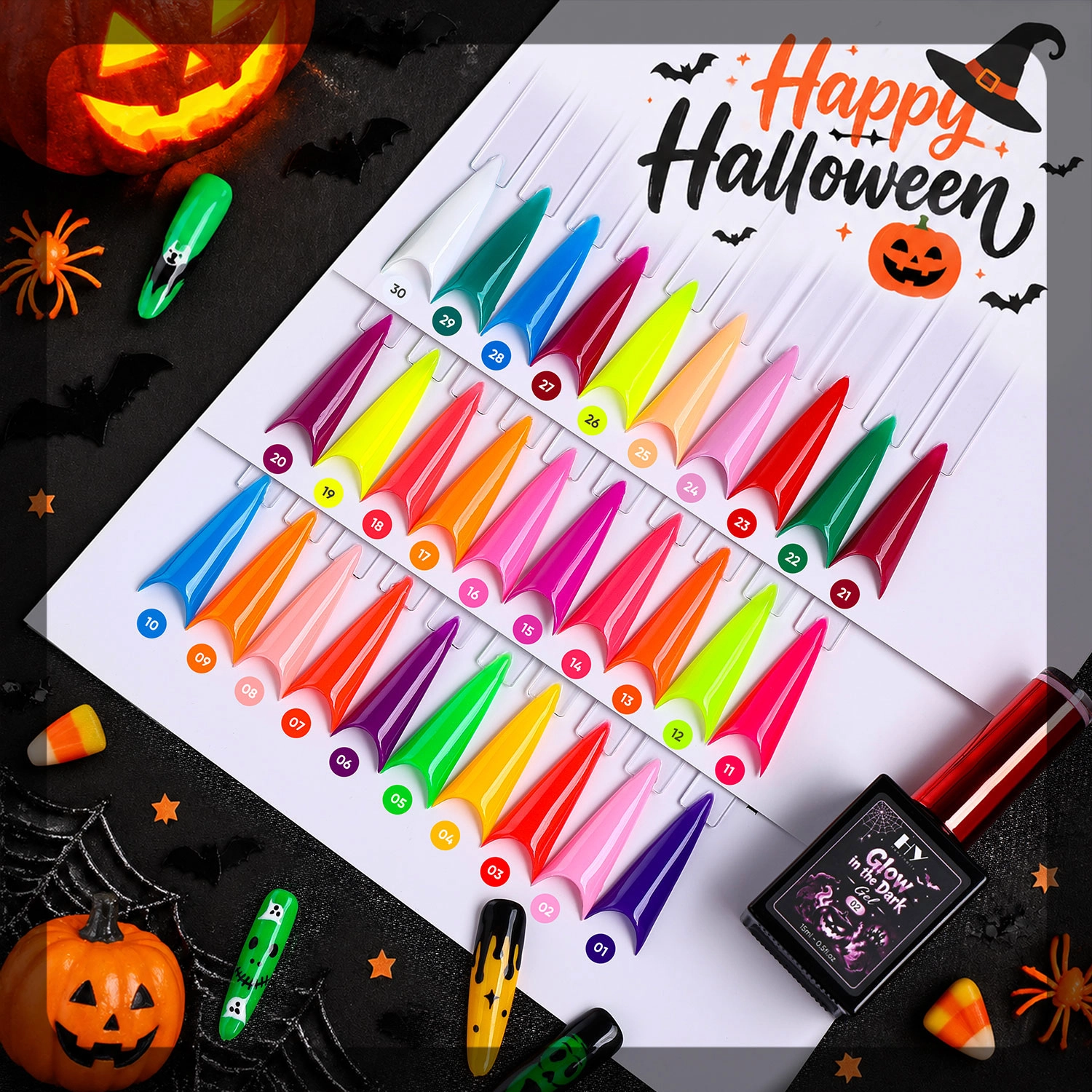
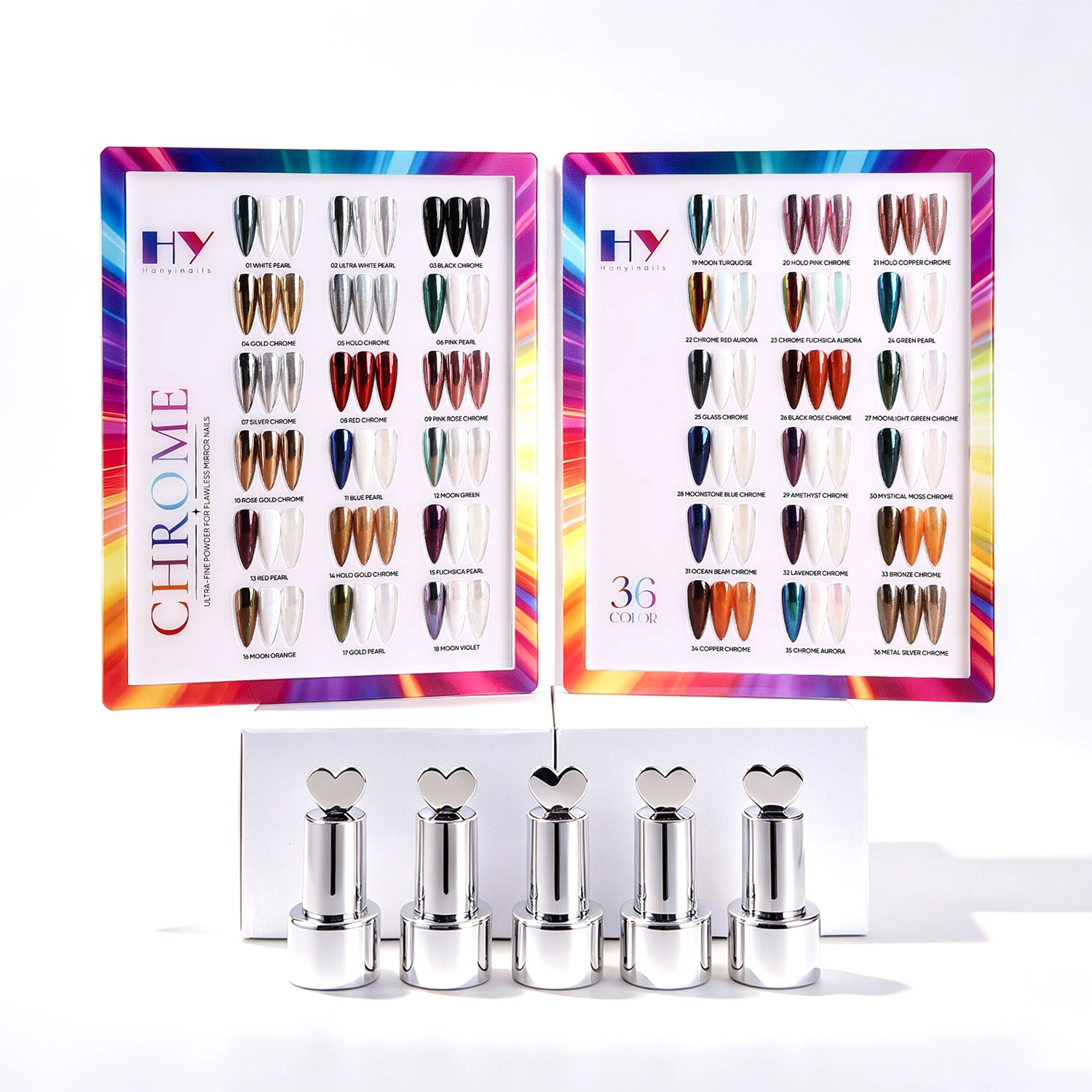
Color naming, numbering, swatch accuracy, and batch traceability are essential for repeat orders. A color chart should show the product over a relevant base and identify whether the sample represents one coat, two coats, or a layered effect. Buyers should request retain samples and define acceptable shade tolerance before production. A documented approval sample reduces disputes when pigment availability or raw-material lots create minor visual variation.
Select packaging for protection, usability, and shelf impact
Packaging choices include bottle material, fill volume, brush specification, cap finish, label construction, carton format, and kit configuration. Dark or opaque bottles may help protect light-sensitive gel, but the color identification system must remain clear. A suitable brush should provide controlled coverage near the cuticle without excessive product retention. Cap torque, wiper design, bottle neck cleanliness, and leakage resistance deserve attention because packaging defects can generate returns even when the formula performs well.
Private-label packaging should be evaluated for minimum order quantity, decoration method, color matching, lead time, and replacement availability. Screen printing, hot stamping, labels, metallic finishes, and custom cartons produce different cost and durability outcomes. Buyers should confirm whether the selected bottle and cap can be reordered consistently over the planned product life cycle. A supplier offering stock and custom components can help brands balance launch speed against differentiation.
Use the label as a compliance and education tool
Product labels normally need the product identity, net quantity, responsible business information, ingredient declaration where required, batch or lot reference, usage instructions, curing guidance, warnings, and market-specific information. Requirements vary by destination, so the brand owner should review the applicable rules with a qualified regulatory adviser. The U.S. Food and Drug Administration guidance on cosmetic ingredients explains that cosmetic businesses are responsible for ensuring product safety and compliant labeling; it does not constitute a blanket pre-market approval for ordinary cosmetic products.
Manufacturing controls should also be assessed against recognized quality frameworks. ISO 22716:2007 provides guidelines for good manufacturing practices for cosmetics, including production, control, storage, and shipment. A buyer should ask how raw materials are identified, how batch records are maintained, how deviations are handled, and how retained samples support investigation. Safety documentation must be relevant to the actual formula and destination market rather than copied from a generic product.
| Procurement area | Basic private-label approach | Higher-control approach | Buyer verification point |
|---|
| Color development | Choose from existing shades | Adjust base, particle load, opacity, and effect | Approved drawdown, shade code, and retained sample |
| Magnetic accessory | One standard bar magnet | Effect-specific magnet geometry and kit testing | Pattern speed, working distance, and durability |
| Packaging | Stock bottle with label | Custom bottle, cap, carton, and coordinated kit | MOQ, decoration proof, leakage test, and reorder plan |
| Quality control | Appearance inspection | Appearance, viscosity, cure, adhesion, stability, and packaging checks | Specification sheet, batch record, and release criteria |
| Market launch | Single product SKU | Color collection with education assets and accessories | Unit economics, channel fit, and application instructions |
Quality Assurance and Supplier Qualification
Test the formula across the complete use cycle
Sampling should cover unopened storage, shaking or rolling behavior, brush loading, application over a prepared nail, magnetic pattern formation, curing, top-coat compatibility, wear, and removal. Stability observations should record settling, separation, viscosity drift, color change, odor change, and cap or label performance. Accelerated tests can indicate potential risks, but they do not replace suitable real-time monitoring and destination-specific evaluation.
Testing should be connected to measurable acceptance criteria. Examples include a defined viscosity range, maximum visible sediment, acceptable cure response under specified lamp conditions, adhesion after a defined wear period, and packaging leakage limits. Because lamp output varies by device and age, instructions should identify a compatible curing range and recommend a test application for professional users.
Review documentation and operational resilience
A reliable manufacturer should provide a product specification, ingredient information appropriate to the market, safety or technical documentation where applicable, packaging specifications, inspection records, and sample approval controls. Buyers should also evaluate raw-material continuity, production capacity, backup suppliers, color development resources, and communication procedures for changes. The FDA overview of cosmetic product testing emphasizes that manufacturers and distributors are responsible for substantiating product safety, making documented testing and responsible release procedures commercially important.
Supplier audits should examine facility organization, batch identification, equipment maintenance, personnel training, sanitation, complaint handling, and corrective action. An attractive sample is not sufficient evidence of manufacturing capability. The supplier must demonstrate that the approved result can be reproduced at the required volume and that nonconforming material is controlled before shipment.
Calculate the real cost of the launch
Unit price is only one part of private-label economics. The total budget may include formulation work, color sampling, magnet tooling or accessory sourcing, bottle and cap development, cartons, artwork, testing, compliance review, freight, duties, fulfillment, and inventory carrying costs. Buyers should model landed cost at several order volumes and compare it with expected wholesale price, salon consumption, retail positioning, and acceptable defect allowance.
MOQ should be assessed at the component level as well as the finished-goods level. A low finished-product MOQ may still create excess packaging inventory if every color requires unique bottles or cartons. A staged launch using shared packaging with differentiated labels can reduce risk, while hero shades can receive High Quality decoration after sales data confirms demand.
Why Hanyinails Supports Scalable OEM Nail Gel Projects
Integrated capacity for color and formula customization
Hanyinails is a professional nail products manufacturer committed to supplying a broad portfolio of professional nail gel items. Our operation includes 10 production lines, 60 production machines, 8 QA/QC inspectors, and an 8000㎡ workshop. With 12 years of OEM customization experience and participation in exhibitions across more than 10 countries every year, our team understands that an international buyer needs documented execution, responsive development, and consistent production rather than a sample-only solution.
Our development capability supports magnetic effect collections as well as adjacent categories. Brands can coordinate a launch with 3D nail art gel, gel builder nail polish, colored nail polish, nail care oil, gel x nail glue, Gelly nail tips, nail hard gel, Poly Acrygel, and line gel nail art. This broader portfolio helps distributors consolidate procurement, create professional service systems, and maintain visual consistency across multiple nail-care categories.
One-stop packaging and merchandising support
Different brand positions require different packaging strategies. Hanyinails offers more than 50 styles of stock bottles and caps, over 600 styles of customized bottles and caps, more than 100 kit-box styles, and over 200 color-chart designs. Our team can help project owners compare stock solutions for faster launch with custom components for stronger shelf differentiation.
For a magnetic gel range, packaging development can include bottle and cap selection, shade numbering, carton structure, magnet placement, application instructions, color-chart coordination, and master-carton planning. The objective is to create a product that is visually compelling at retail, practical in a salon, and manageable during replenishment. Artwork approval, component compatibility, and production scheduling should be aligned before bulk manufacturing begins.
Use manufacturing scale to protect brand consistency
Hanyinails develops approximately 2,000 new colors per year, giving our team a substantial color-development environment for trend-led and brand-specific collections. The relevant commercial advantage is not simply the number of shades; it is the ability to organize color references, sample approvals, packaging identifiers, and production specifications so repeat orders can follow an agreed standard.
Our vision is to become the world's leading manufacturer of nail products. For buyers, that ambition is reflected in a service model focused on long-term OEM relationships, category expansion, and dependable implementation. Project owners can begin with a focused magnetic collection, validate market response, and then extend the same supply relationship into builder systems, extension accessories, nail care, and artistic gel products.
Before requesting a quotation, buyers should prepare target markets, estimated annual volume, shade direction, bottle preference, fill size, curing expectation, magnet format, packaging scope, compliance needs, and delivery window. A clear brief allows Hanyinails to return a more useful development plan and helps both parties identify technical or commercial risks early.
To discuss custom magnetic gel colors, packaging, formula development, or a coordinated nail product portfolio, contact Hanyinails at sales@hanyinails.com or visit the Hanyinails official website.




Hanyinails
Hanyinails
Hanyinails
Hanyinails