OEM and ODM cat eye gel with magnet manufacturing requires more than selecting a glitter shade and adding a magnetic accessory. The final result depends on magnetic pigment quality, gel viscosity, particle distribution, curing behavior, application instructions, packaging compatibility, and batch-to-batch control. For B2B buyers, the most reliable procurement strategy is to assess the supplier’s formulation capability, sample approval system, production capacity, quality documentation, packaging engineering, and ability to support a complete product line. This guide explains how brand owners, distributors, salon suppliers, and private-label operators can evaluate magnetic-effect nail gel projects, reduce launch risk, and build a commercially consistent collection.
How Magnetic-Effect Nail Gel Is Engineered for Commercial Use
Formulation variables that determine the visual effect
The defining feature of a magnetic velvet, cat-eye, aurora, or dimensional stripe finish is the movement of magnetically responsive particles inside the gel layer. The particle type, concentration, size distribution, surface treatment, and suspension stability all influence how sharply the reflective band appears. If particles settle too quickly, the product may produce inconsistent results between the bottle, brush, and nail. If the gel is excessively thick, technicians may struggle to spread an even layer before activating the effect. If it is too fluid, the particles can move unpredictably and the visual line may lose definition.
A professional supplier should therefore evaluate viscosity at controlled temperatures, pigment dispersion, sedimentation behavior, curing compatibility, color stability, and surface gloss. Buyers should request samples under realistic salon conditions rather than approving color only from a digital image. A proper sample review includes application over natural nails, extensions, dark and light bases, one-coat and two-coat performance, magnetic response time, curing, top-coat compatibility, and removal behavior.
Magnet design and application performance
The magnet is part of the product system, not a low-cost promotional extra. Different shapes and strengths create different effects, including narrow lines, velvet fields, diagonal beams, double-sided patterns, and multi-directional reflections. A supplier should specify the magnet’s dimensions, coating, handling safety, attraction consistency, and packaging position. The distance between the magnet and the wet gel also affects the result, so the brand’s instructions should define a practical working range rather than promise an effect without application guidance.
For professional distribution, the kit may include a rectangular magnet, pen-style tool, dual-ended instrument, or a custom accessory. The choice should reflect the target user. Salon technicians may value a durable tool with repeatable positioning, while retail customers may prefer a simple tool with clear visual instructions. Product photography should also be standardized because lighting can exaggerate or hide the reflective movement seen in ordinary use.
OEM Versus ODM: Selecting the Right Manufacturing Route
When an OEM program is the better choice
OEM manufacturing is suitable when the buyer already has a defined formula direction, color brief, packaging specification, or technical benchmark. The manufacturer produces according to agreed requirements, which can help established brands protect a recognizable texture, curing profile, and shade family. The project normally requires a written product specification covering net content, bottle type, brush, cap, viscosity range, color tolerance, curing recommendations, ingredient documentation, label language, and inspection criteria.
OEM does not mean that every formula can be transferred without technical review. The supplier still needs to confirm whether the pigment system is compatible with the base gel, whether the formula remains stable in the selected bottle, and whether the filling process can maintain uniformity. Buyers should ask how the manufacturer manages formula confidentiality, retained samples, revision control, and approval records.
When ODM development creates more commercial value
ODM is often more efficient for new brands, distributors seeking differentiation, and investors launching a collection without an internal formulation department. In an ODM program, the supplier contributes existing technical knowledge, color development, packaging recommendations, and product architecture. This can shorten the path from concept to market, particularly when the collection includes coordinated magnetic shades, base gels, glossy top coats, removal products, and application tools.
The buyer should still own the commercial brief. A useful ODM brief identifies the target price, customer segment, market positioning, preferred opacity, desired visual effect, bottle capacity, launch quantity, regulatory destination, and expected reorder cycle. The best result is not simply a supplier’s standard shade with a new label; it is a controlled product concept with documented performance and a clear reason for customers to choose it.
Procurement comparison for private-label projects
| Evaluation area | OEM route | ODM route | Buyer implication |
|---|
| Formula ownership | Buyer-led specification | Supplier-assisted development | Confirm confidentiality, revision control, and approval rights |
| Development speed | Depends on the buyer’s technical brief | Often faster when suitable bases and packaging already exist | Compare launch timing against required differentiation |
| Color creation | Based on buyer references or standards | Supplier proposes coordinated shades | Approve physical drawdowns and retained standards |
| Packaging flexibility | Specified by the brand | Supplier recommends available options | Check mold, decoration, MOQ, and compatibility costs |
| Technical responsibility | Shared, with more input from the buyer | More development support from the manufacturer | Define testing, documentation, and acceptance criteria in writing |
Quality, Compliance, and Supply-Chain ControlsTesting requirements before mass production
A dependable quality plan begins before filling. Buyers should request a pre-production sample, approved color standard, packaging compatibility test, and documented inspection plan. Useful checks include appearance, odor, viscosity, net weight, brush performance, curing response, adhesion, gloss, magnetic movement, bottle leakage, cap torque, label placement, and carton condition. Stability testing should consider heat, cold, light exposure, storage duration, and transport conditions appropriate to the destination market.
Nail products are regulated differently by market. In the United States, buyers can consult the U.S. Food and Drug Administration guidance on nail care products for cosmetic responsibilities and labeling considerations. For quality-system planning, ISO 22716 Good Manufacturing Practices for cosmetics provides a recognized framework for production, control, storage, and shipment. European projects should review the European Union Cosmetics Regulation, while ingredient and safety assessments should be handled according to the destination country’s requirements rather than assumed to be universal.
Buyers should request an ingredient list using recognized nomenclature, safety data where applicable, batch traceability information, certificate of analysis procedures, microbiological controls where relevant, and product labeling support. Compliance documentation does not replace performance testing, and a supplier certificate should be checked against the actual product, market, and intended use.
Managing batch consistency and production risk
Magnetic pigment systems can reveal manufacturing variation more visibly than conventional solid colors. Small changes in pigment loading, mixing time, temperature, filling order, or viscosity can change the reflection pattern. A manufacturer should use controlled batching, calibrated equipment, defined mixing parameters, retained samples, and lot identification. Buyers should also agree on a color tolerance method based on physical standards, not only screen images or informal shade names such as silver galaxy or green aurora.
Supply-chain planning should cover raw-material lead times, bottle and cap availability, decoration schedules, carton approvals, minimum order quantities, and reorder continuity. A low initial unit price can become expensive if custom packaging causes long delays or if a popular shade cannot be replenished. Project owners should calculate total landed cost, including samples, molds, printing plates, freight, inspection, rejected goods, compliance work, and inventory carrying cost.
Why Hanyinails Is a Practical Partner for Scalable Nail Gel ProgramsManufacturing capacity and development support
Hanyinails is a professional nail products manufacturer committed to supplying a broad range of professional nail gel items. Our operation includes 10 production lines, 60 production machines, 8 QA/QC inspectors, and an 8000㎡ workshop. This structure supports organized sampling, production scheduling, inspection, and replenishment for private-label programs that need dependable coordination rather than one-off trading services.
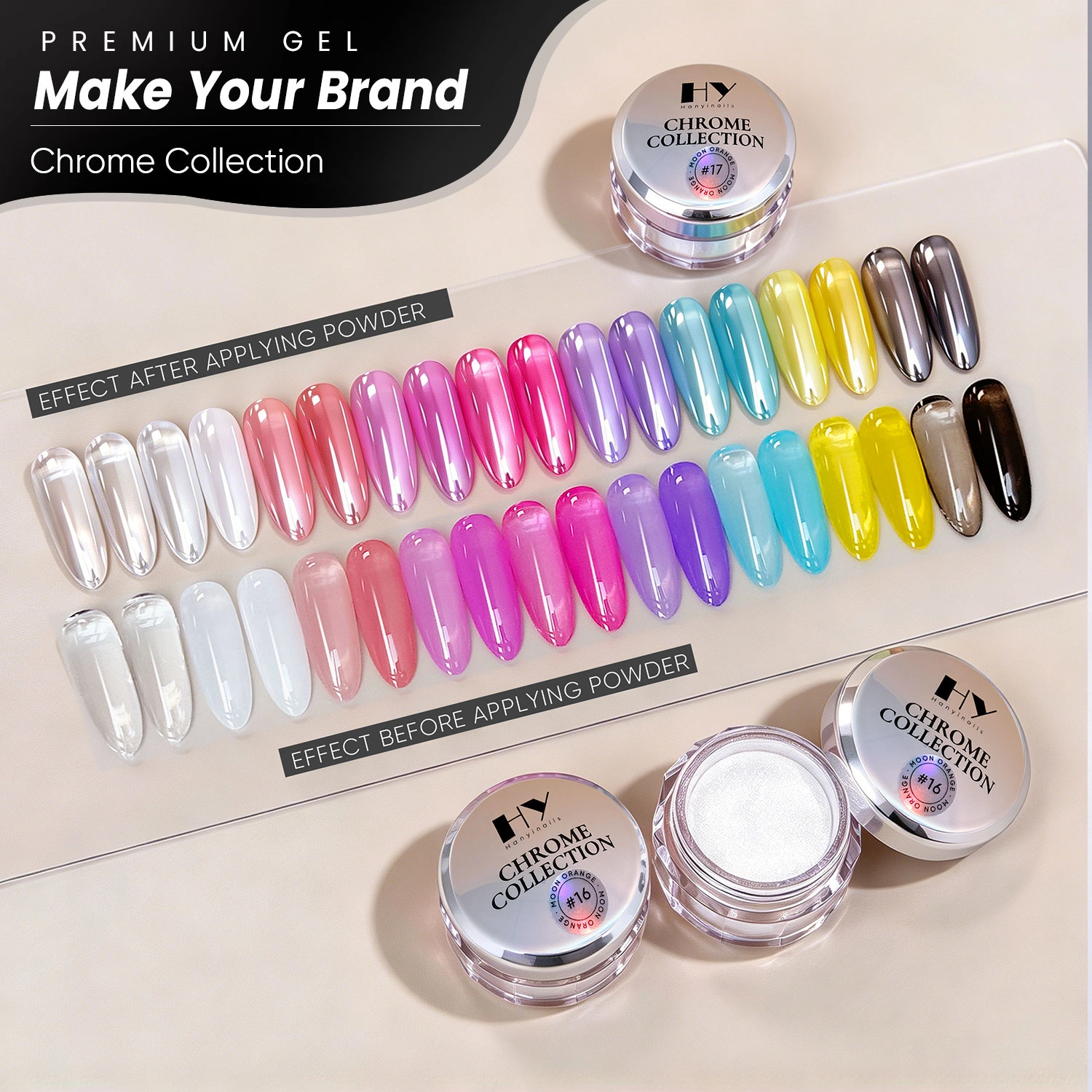
With 12 years of OEM customization experience, our team supports both specification-led projects and concept-led ODM development. Hanyinails develops approximately 2000 new colors per year, giving brand owners access to a broad color-development environment for reflective magnetic collections, colored nail polish, seasonal palettes, salon systems, and coordinated retail kits. Buyers can use this capability to build shade families with planned price tiers and repeat-purchase logic.
Packaging customization and portfolio expansion
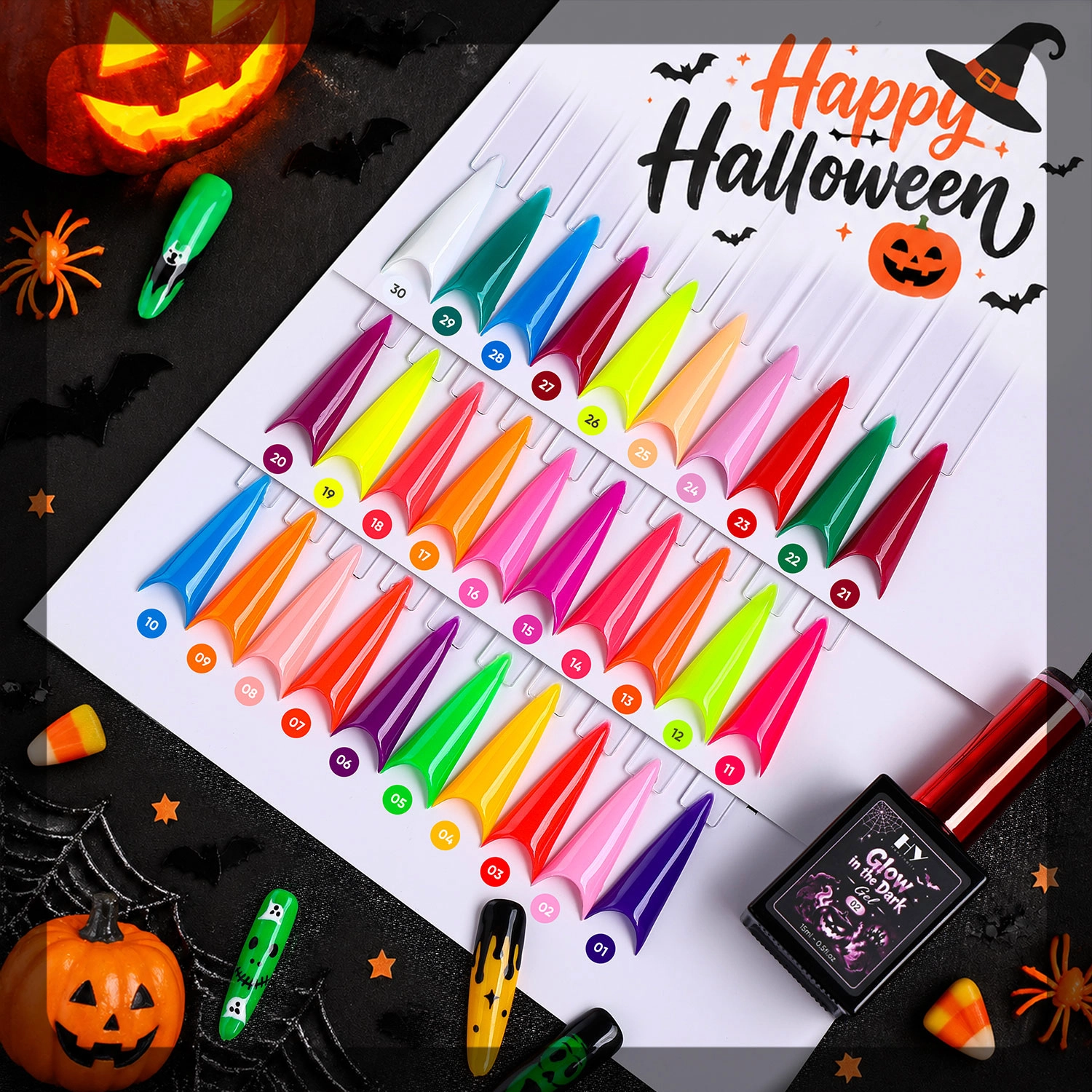
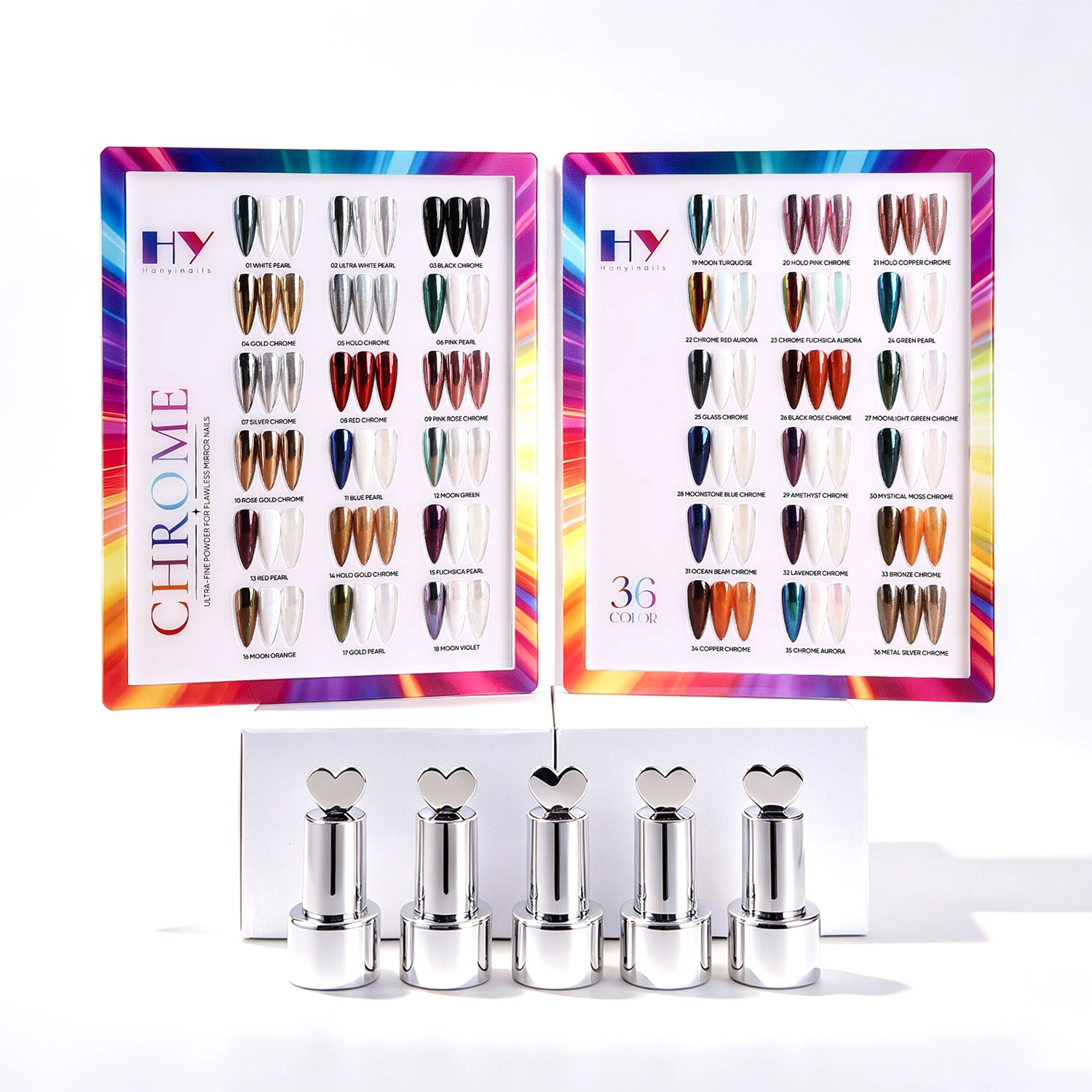
Packaging is central to shelf recognition, online conversion, and operational efficiency. Hanyinails offers more than 50 styles of stock bottles and caps, over 600 styles of customized bottles and caps, over 100 kit-box styles, and over 200 color-chart designs. These options allow buyers to balance speed, exclusivity, minimum order requirements, decoration complexity, and target-market positioning.
Our product portfolio extends beyond magnetic-effect color gels. Brand owners can develop coordinated programs that include 3D nail art gel, gel builder nail polish, colored nail polish, nail care oil, gel x nail glue, Gelly nail tips, nail hard gel, Poly Acrygel, and line gel nail art products. A broader system can increase average order value, simplify supplier management, and help distributors offer salons a more complete professional solution.
International project awareness and buyer communication
Hanyinails takes part in exhibitions in more than 10 countries every year, maintaining regular contact with international buyers, distributors, salon operators, and industry partners. This market exposure supports clearer communication around packaging preferences, color trends, kit structures, and regional purchasing behavior. Our vision is to become the world’s leading manufacturer of nail products, while continuing to focus on practical customization, controlled manufacturing, and long-term customer relationships.
For a new magnetic nail gel collection, the recommended workflow is straightforward: define the commercial brief, shortlist visual directions, test physical samples, approve the formula and color standards, validate packaging, complete market-specific documentation, conduct pre-shipment inspection, and establish a reorder plan. Hanyinails can support this process from product concept and color selection through packaging coordination and scaled production.
Frequently Asked Questions
What should buyers test before approving a magnetic nail gel formula?
Buyers should test application smoothness, particle movement, visual sharpness, curing response, adhesion, gloss, removal behavior, bottle compatibility, brush performance, and consistency across multiple samples and nail bases.
Is OEM or ODM better for a new nail brand?
ODM is often efficient for a new brand that needs formulation and packaging support, while OEM is appropriate when the buyer has a defined formula, color standard, and packaging specification.
What compliance documents should a supplier provide?
Depending on the destination market, buyers may need an ingredient list, labeling information, safety documentation, batch traceability, quality records, and supporting product or stability test information.
How can buyers reduce shade variation between production batches?
Buyers should approve a physical color standard, use retained samples, define acceptable tolerances, require controlled batching, and include appearance and magnetic-effect criteria in the purchase specification.
Can magnetic-effect gels be combined with other professional nail products?
Yes. A collection can be coordinated with builder gel, hard gel, Poly Acrygel, line art gel, nail tips, gel adhesive, nail care oil, top coats, and related salon products, subject to compatibility testing.
How can a supplier support custom packaging?
A supplier can assist with bottle and cap selection, custom components, decoration, kit-box structures, color charts, label coordination, sample approval, and production planning according to the buyer’s positioning and order volume.




Hanyinails
Hanyinails
Hanyinails
Hanyinails