High-density This guide distills enterprise-grade manufacturing workflows for magnetized mirror-effect nail gels, detailing raw-material selection, magnetic pigment integration, rheology control, UV/LED curing parameters, regulatory compliance pathways, and turnkey private-label customization services. It is optimized for procurement teams, brand owners, and distributors seeking scalable OEM solutions, rapid color development cycles, strict QA protocols, and cost-to-quality trade-offs for reflective cat-eye lacquer products and related professional gel systems.
Formulation Science and Material Selection for Magnetic Mirror Effects
Base polymer and rheology considerations
Choosing a stable oligomer matrix is critical to deliver brushability, self-leveling and adhesion for reflective magnetic finishes. Manufacturers typically use urethane acrylates or hybrid methacrylates to balance flexibility and hardness. Viscosity modifiers and thixotropic agents are adjusted to suit bottle-dispensing and application tools; lower-viscosity bases are favored for fine magnet dispersion, while thicker builder gels help create dimensional finishes. Specifying Brookfield viscosity ranges and rheology curves during sampling reduces rework and ensures consistent filling on automated lines.
Magnetic pigments and reflective additives
Mirror-like stripes require ferromagnetic microflakes and light-reflective chrome pigments. Suppliers offer coated iron oxide particulates and aluminum-based mirror flakes in micronized grades. Key procurement decisions include particle size distribution, coating chemistry (to prevent oxidation), and electromagnetic responsiveness. Requesting certificate of analysis (COA) that details particle morphology and magnetic susceptibility improves formulation predictability during scale-up.
Color stability, UV filters, and photoinitiators
To prevent photodegradation and color shift, stabilizers and UV absorbers are used alongside LED-compatible photoinitiator packages. For LED-curable systems, selecting photoinitiators with absorption peaks aligned to 365–405 nm saves curing time and reduces heat stress. Buyers should require photostability test results (QUV-A/B) and accelerated aging data as part of technical documentation.
Manufacturing Process Design and Production Controls
Batching, dispersion, and magnetic alignment process
Production workflows include precision weighing, high-shear dispersion for pigments, deaeration, and controlled cooling to preserve magnetic particle suspension. Magnetic finishes require magnet application immediately post-brush or during controlled pre-cure stages; some manufacturers integrate magnet plates into curing conveyors to imprint the stripe effect before full polymerization. Specifying in-line monitoring for solids content and particle agglomeration minimizes batch variability.
Curing profile and equipment requirements
Standard LED curing units operate between 30–120 seconds per coat depending on lamp intensity and photoinitiator selection. For thicker builder or 3D art gels, staged cure protocols (tack cure, magnet alignment, full cure) are common. Buyers should assess supplier lamp calibration records, radiometer logs, and changeover procedures for lamp modules to ensure reproducible crosslinking kinetics.
Scaling, yield optimization and OEE metrics
Estimating realistic yields requires analysis of line throughput, fill accuracy, and reject rates. Requesting overall equipment effectiveness (OEE) metrics and historical scrap rates from potential OEM partners helps forecast cost-per-unit and lead-time variability. Manufacturers with multiple production lines reduce single-point failure risk and support parallel runs for large campaigns.
Quality Assurance, Compliance, and Testing Protocols
Regulatory pathways and labeling requirements
Cosmetic-grade nail gels must comply with local regulations where products will be sold. For U.S. distribution, refer to U.S. FDA Cosmetics guidance for ingredient safety and labeling; for EU market entry, compliance with EU cosmetics legislation and notification to the Cosmetic Product Notification Portal (CPNP) is required — overview at EU Cosmetics Legislation. Implementing GMP aligned with ISO 22716 reduces regulatory risk and supports export documentation.
Analytical and stability testing
Key QA tests for magnetic reflective lacquers include viscosity, solids by weight, particle sedimentation, magnetization responsiveness, cure conversion (FTIR), and accelerated shelf-life (temperature cycling and photostability). Requesting third-party reports for heavy metals (e.g., lead, cadmium) and volatile organic compounds (VOCs) helps demonstrate compliance to downstream partners and retailers.
Microbiology and sanitary controls
Although low-water formulations limit microbial growth, production zones must follow clean manufacturing practices. Environmental monitoring (surface and airborne counts), equipment sanitation SOPs, and written corrective actions for deviations are expected in enterprise-grade suppliers.
Procurement Checklist and Customization Options for Private Label Projects
MOQ, lead times, and sample programs
Minimum order quantities vary by bottle style, filling method and formula complexity. Typical OEMs offer laboratory sample sets (10–50 pcs) for color approval, followed by pre-production runs. Buyers should negotiate clearly defined lead times for tooling, color matching, and volume production, and include milestone-based acceptance criteria in purchase agreements.
Packaging, brand differentiation and supply chain resilience
Differentiate with exclusive bottle shapes, custom caps, embossed logos and multi-piece kit configurations. Sourcing redundancy for critical pigments and caps reduces supply shocks; asking suppliers for alternate approved vendors and safety stock levels is a practical risk mitigation tactic.
Cost modeling and ROI for private label lines
Cost drivers include pigment specialty, magnet integration steps, packaging customization, and certification testing. Developing a landed cost model that factors in duties, testing, labeling, and promotional packaging helps project margin and break-even volumes for new SKUs.
| Attribute | Standard UV/LED Builder Gel | Magnet-Responsive Reflective Gel |
| Typical curing time (LED) | 30–60 seconds per thin layer | 30–90 seconds (staged cures often used) |
| Primary additives | Oligomers, photoinitiators, thickeners | Plus magnetic microflakes, chrome pigments, anti-oxidation coatings |
| Shelf life (unopened) | 12–24 months (varies by stabilizers) | 12–18 months (dependent on pigment coatings) |
| Complexity of scale-up | Moderate | Higher — requires magnet handling and alignment steps |
| Typical QA tests | Viscosity, cure, hardness, adhesion | All above + magnetic responsiveness, particle dispersion |
Why Partnering with an Experienced OEM Reduces Time-to-Market
Turnkey development and rapid color cycles
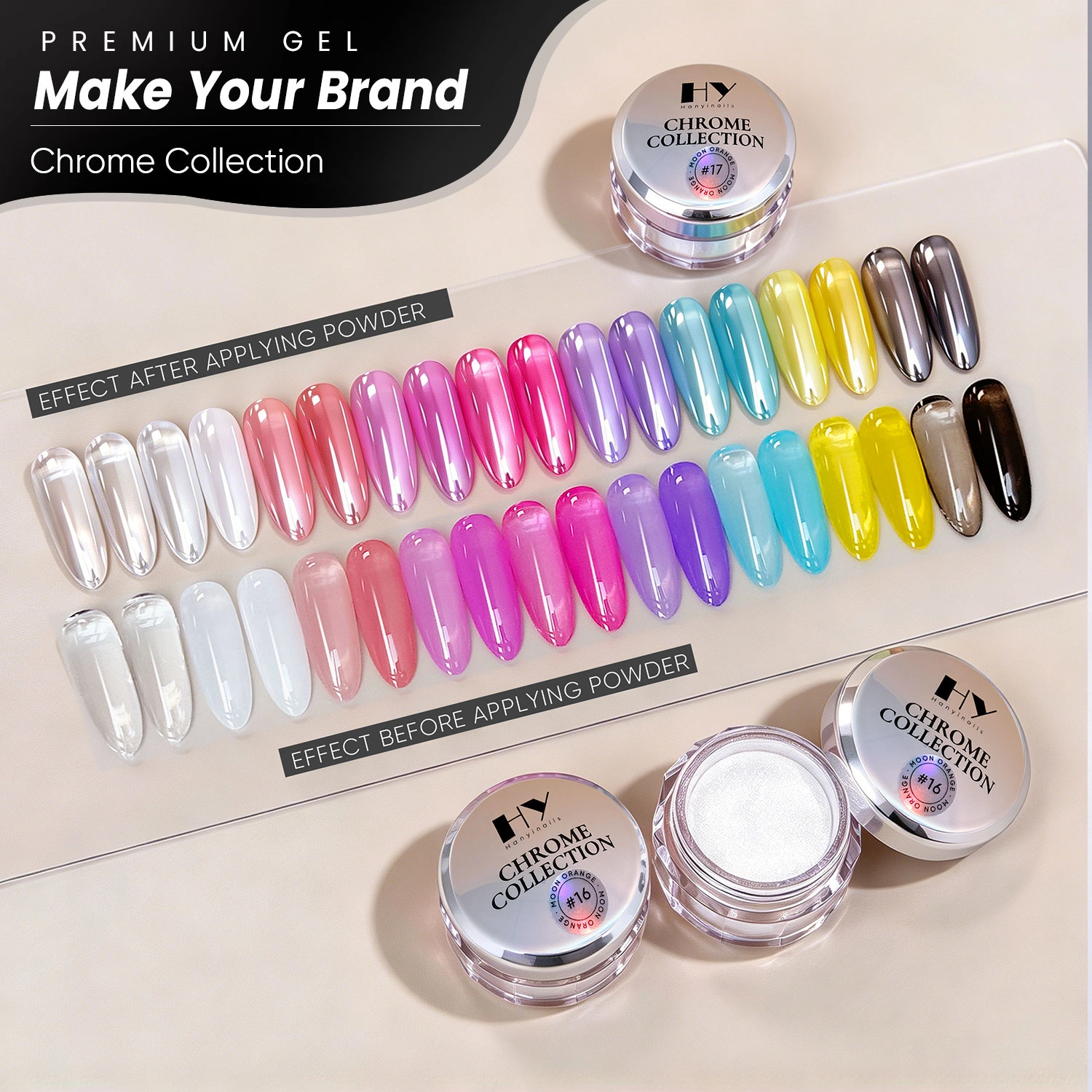
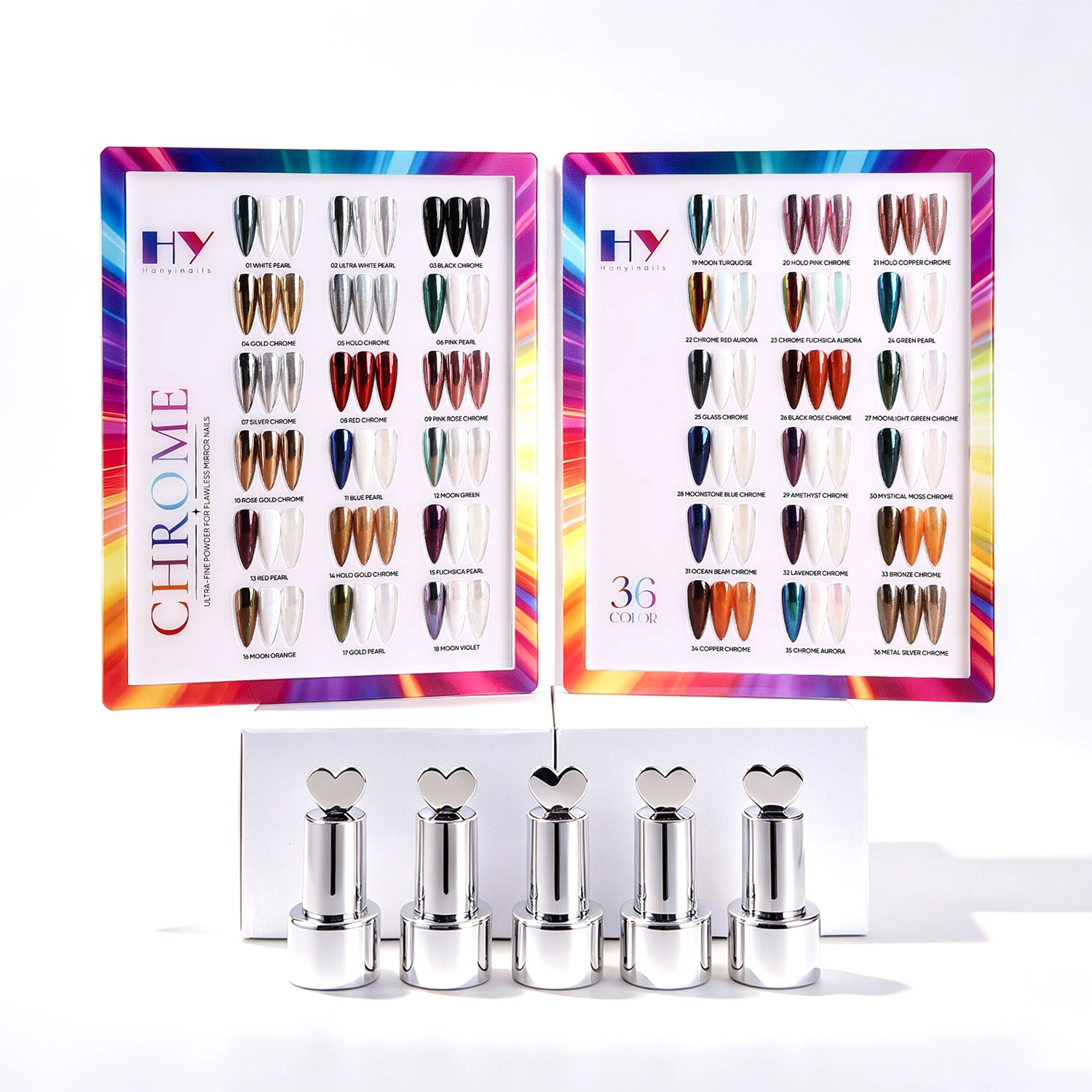
An experienced contract manufacturer streamlines iterative color matching, tooling selection, and small-batch pilots. Rapid prototyping capabilities, including physical color charts and sample kits, accelerate buyer approvals and allow faster retail launches.
Risk mitigation through documented processes
Suppliers that provide documented SOPs, batch records, and COAs shorten compliance reviews by importers and retailers. Auditable traceability across raw materials replaces ad-hoc processes and reduces product recall risk.
Long-term collaboration and SKU expansion
Scaling from a single reflective shade to a seasonal palette or complete kit (including base/top systems, nail care oils, and builder gels) is more cost-efficient with a single, flexible OEM partner that manages inventory, color families, and kit assembly.
Hanyinails: OEM Capabilities and Custom Formula Services
Manufacturing scale and technical strength
Hanyinails is a professional nail products manufacturer committed to supplying a full range of professional gel items. With 10 production lines, 60 production machines, 8 QA/QC inspectors, and an 8000㎡ workshop, we support high-volume programs and maintain consistent quality controls across multiple simultaneous SKUs. Our production footprint and staff enable predictable lead times and capacity for rapid scale-up.
Customization breadth and tooling options
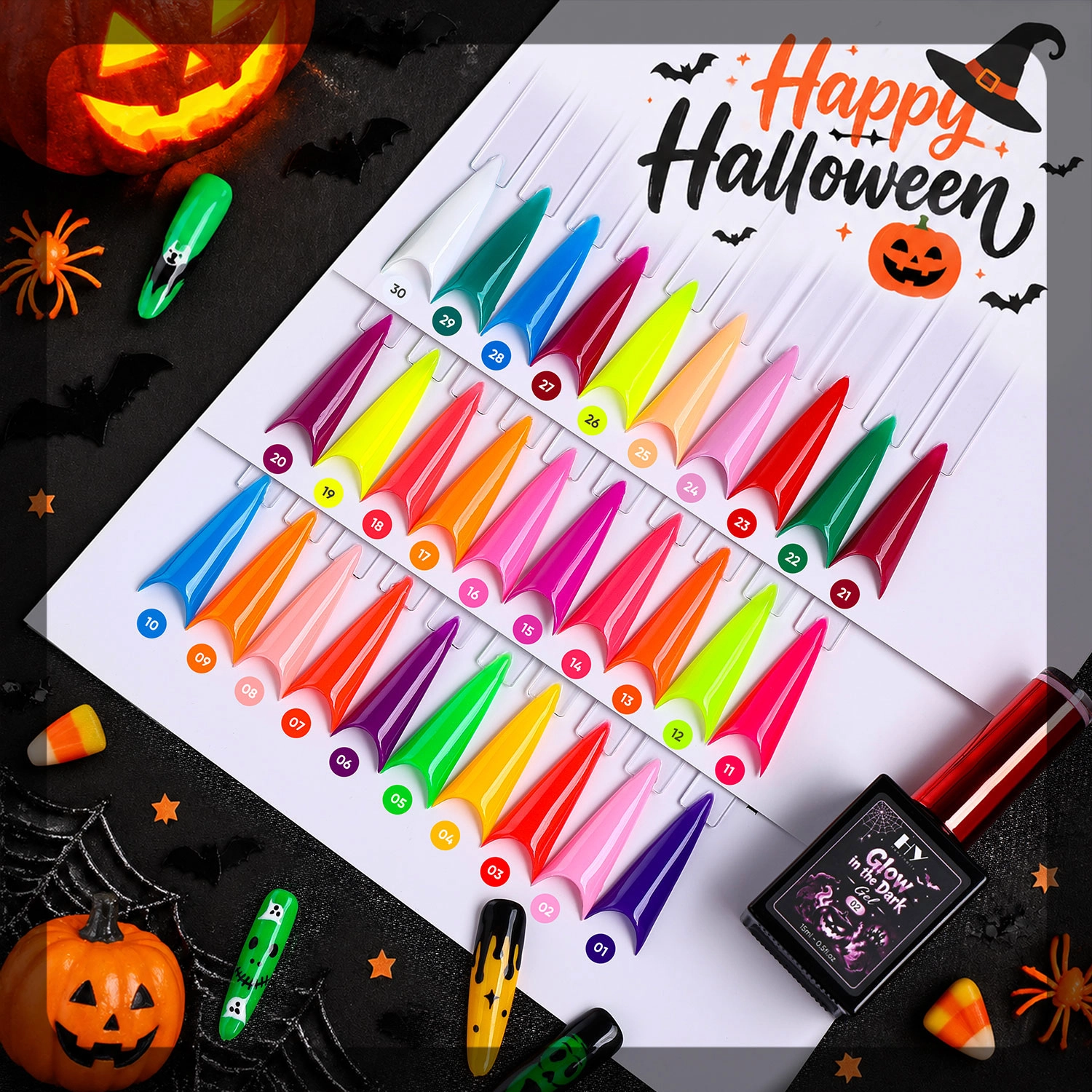
We provide one-stop OEM customization with over 50 stock bottle-and-cap styles, more than 600 bespoke bottle and cap designs, 100+ kit box configurations, and 200+ color chart templates. Buyers can quickly prototype unique brand assets or order exclusive molds and labels to strengthen shelf differentiation and brand identity.
Product portfolio relevant to reflective and specialty lines
Our core product lines extend beyond magnetized reflective finishes to include 3D nail art gel, gel builder polish, colored lacquers, nail care oil, Gel-X nail glue, Gelly nail tips, nail hard gel, Poly Acrygel, and line gel nail art systems. This breadth enables full-kit solutions for salons and retailers, reducing supplier count and simplifying logistics.
Experience, exhibitions and global reach
With 12 years of OEM customization experience and participation in exhibitions across more than 10 countries annually, Hanyinails combines market insight with practical manufacturing know-how. We develop approximately 2000 new colors each year, supporting seasonal and trend-driven launches for private-label partners. For more about our capabilities, visit Hanyinails.
Quality, testing and regulatory support
Our QA team enforces GMP-style production protocols, in-line QC checkpoints, and batch-level COAs. We assist clients with documentation required for market entry, including material safety reporting and stability test summaries compatible with regulatory frameworks like U.S. FDA and EU notification processes (EU Cosmetics Legislation), and adhere to ISO guidance for cosmetic manufacturing practices (ISO 22716).
Contact and next steps for procurement teams
Procurement teams and brand owners seeking OEM magnetized reflective finishes or full-system private-label kits can request technical dossiers, sample packs, lead-time quotes, and packaging mockups. Email requests and specifications to sales@hanyinails.com for a structured RFP workflow and project timeline.
For enterprise inquiries and product catalogs, view our products at https://www.hanyinails.com or contact sales@hanyinails.com.



Hanyinails
Hanyinails
Hanyinails
Hanyinails