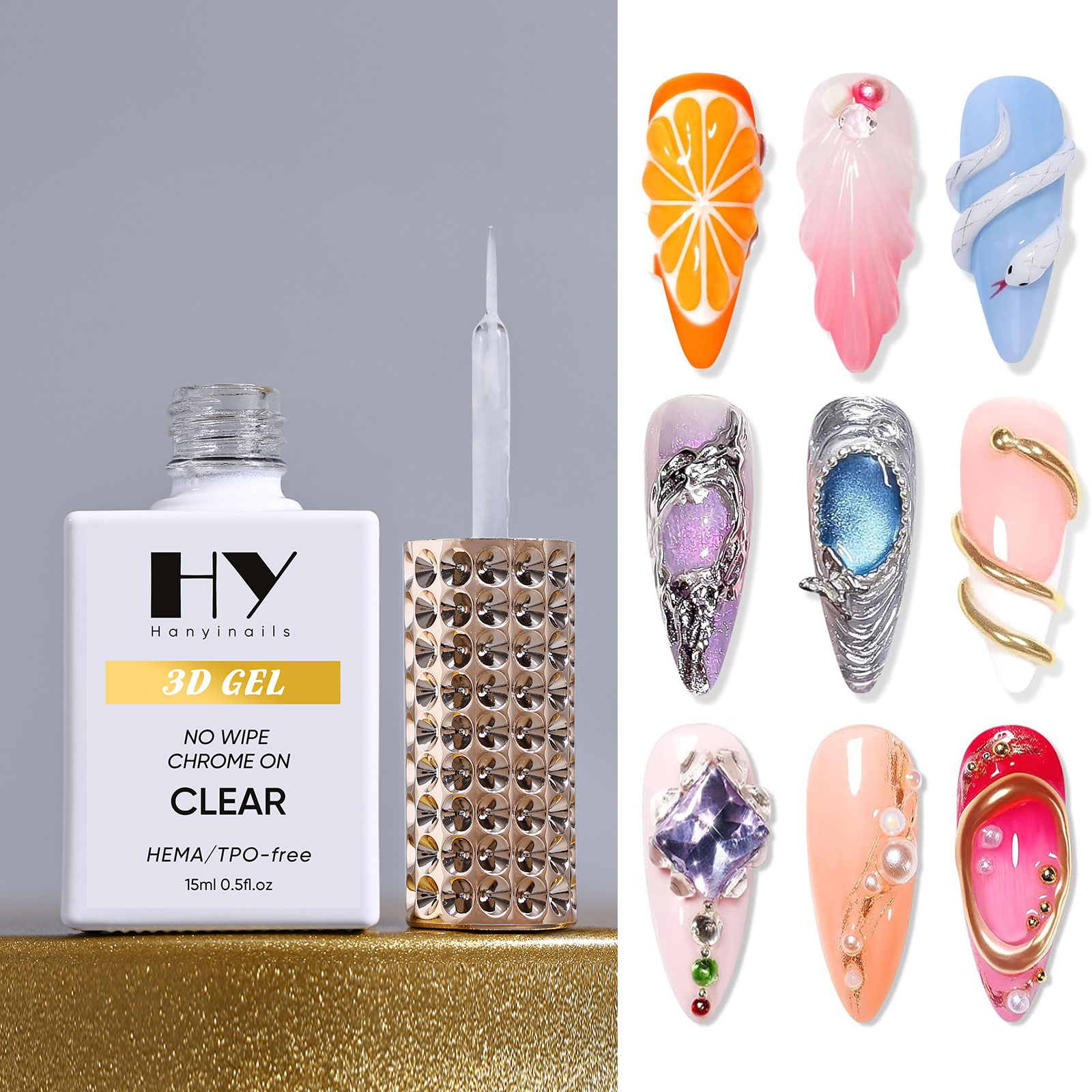
Hanyinails Rhinestone Gel 3 Colors gives nail artists and salons a three-color option for rhinestone nail designs. Choosing the right rhinestone gel for nails can help teams organize embellishment work, match the gel to a design, and create a more consistent application process. Because curing instructions, ingredients, and package specifications can vary by product, verify those details on the current product listing and label before use rather than relying on assumptions.
How Can a Three-Color Nail Art Gel Support Rhinestone Designs?
Why does having three color options matter for nail art planning?
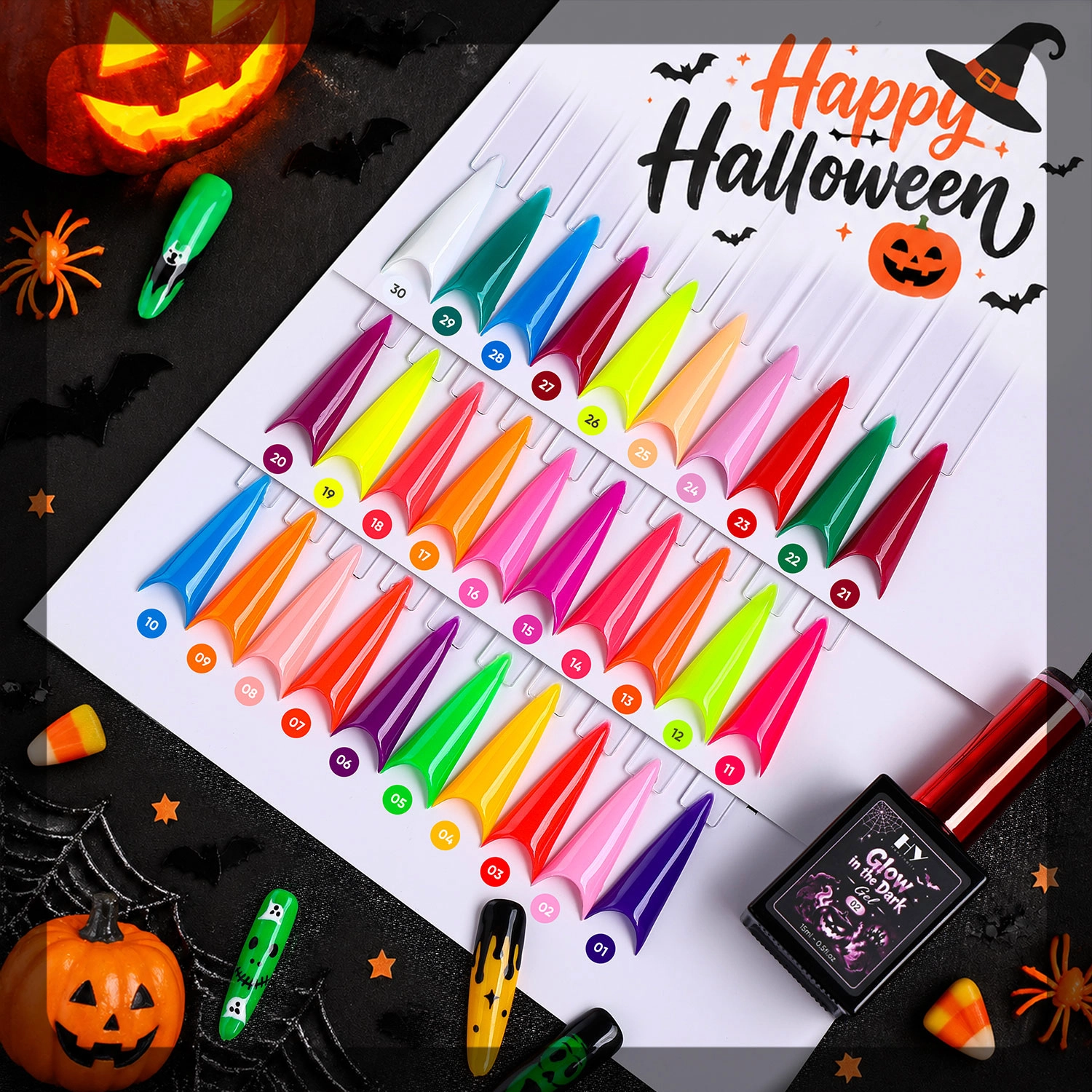
Color choice affects how an embellishment looks against the base manicure and how clearly the design reads. A three-color product gives a nail artist options for coordinating a look without treating every design as identical. Before purchasing, compare the colors shown on the current listing with the palettes your clients or customers request most often. Product photography and display settings can affect perceived color, so use the listing as a guide and confirm the physical product where possible.
For salons and distributors, multiple color options may also make purchasing easier to plan: you can assess whether one product listing suits several design briefs or whether separate supplies are needed. Do not assume the colors are interchangeable in every application. Consider the intended design, the visible base color, and the look of the rhinestones, then test a small sample before using the product on a client or in a production batch.
How should buyers verify product details before ordering?
The product name confirms that this listing concerns rhinestone gel offered in three colors, but a buyer should check the listing for details that affect ordering and use. Review the available color choices, container or set configuration, quantity, shipping terms, and any stated curing directions. If a detail is not clearly published, ask the supplier to confirm it in writing before placing a bulk order. This simple step can prevent mismatched expectations between purchasing, inventory, and salon teams.
For business procurement, record the product name, selected color, quantity, and any confirmed instructions in the purchase specification. This gives staff a consistent reference when reordering and helps reduce errors if a product line changes. If you are evaluating the gel for resale, request the documentation your market requires, such as ingredient information or labeling details, rather than assuming that a product’s intended use alone confirms regulatory suitability.
How Can You Apply Rhinestone Gel More Consistently?
What preparation helps reduce lifting or uneven placement?
Start with a clean, properly prepared nail surface and follow the system instructions for the base manicure. Dust, oil, or residue can interfere with neat placement, while excess gel may spread beyond the intended design area. Arrange the rhinestones before application so you can work from a clear plan instead of pausing to search for pieces while the gel is exposed. Use an appropriate tool for placement and keep the work area organized.
Apply only the amount needed for the design and position each stone carefully. Avoid pushing gel onto surrounding skin, and remove unwanted product before proceeding according to the product’s directions. The ideal amount and placement technique depend on the product, nail shape, stone size, and design; there is no universal quantity that fits every manicure. A practice tip or sample nail lets staff check handling and appearance before a full service.
How should curing and finishing be handled?
Do not guess the curing time or lamp type. Follow the instructions supplied for the specific gel and confirm that the recommended lamp and process are compatible with the product. The product URL or name alone does not establish a cure time, wavelength, or whether a particular lamp can be used. If the information is missing or unclear, ask the supplier before application; an inadequately cured nail product can compromise the finished service.
After following the stated curing process, inspect the design for movement, excess product, and contact with the surrounding skin. Use only finishing steps that the manufacturer recommends for this gel and the rest of the manicure system. Keep a written procedure at the workstation so different technicians follow the same sequence. Consistency is especially useful for salons handling repeat designs, where small differences in preparation or curing can affect service quality.
What Should Salons and Distributors Consider Before Buying?
How can you assess whether this gel fits your workflow?
Evaluate a nail-art gel against the work it must support: common design types, daily service volume, staff experience, storage capacity, and replenishment time. A three-color option may be convenient when the listed colors match the designs your team regularly creates, but color count alone does not establish suitability. Test the product in your actual workflow, note how staff handle placement, and compare the result with your expectations before standardizing it across services.
For wholesale or private-label buyers, ask practical questions before committing: What is the available order quantity? Are all three colors available? What are the lead time and reorder process? Which product documents can the supplier provide? These questions address cost and reliability without assuming unlisted minimum order quantities, manufacturing capacity, or delivery timelines. Maintain a small trial order where feasible, then make a larger decision once the product and its documentation meet your requirements.
What safety and compliance information should buyers check?
Nail products are subject to requirements that depend on the market and intended sale. Review applicable rules and product labeling rather than treating general supplier descriptions as proof of compliance. The U.S. FDA overview of cosmetics laws and regulations explains the regulatory context for cosmetics in the United States. The FDA information on nail care products provides additional consumer and product context. Neither source verifies the status of this specific gel.
For manufacturing and quality discussions, ISO 22716 guidance on cosmetic good manufacturing practices is a useful reference for understanding cosmetics GMP. It is not evidence that a particular supplier or product is certified. Ask for current, product-specific documentation and review it against local requirements, especially when importing, distributing, or selling to professional users. Keep records of supplier responses and the product version purchased.
How Can You Store and Manage Rhinestone Gel for Reliable Use?
What storage habits help protect product condition?
Follow the storage conditions on the container and supplier instructions, and keep the product closed when it is not in use. Avoid exposing it to conditions outside the stated guidance, such as excessive heat or direct sunlight, if the label warns against them. Do not transfer gel into an unmarked container: keeping the original identification and directions available helps staff use the correct product and trace it if a question arises.
Track opening dates and inventory according to the supplier’s stated shelf-life guidance; do not invent an expiry period when none is provided. Use a first-in, first-out stock rotation so older eligible inventory is used before newer stock. If texture, appearance, or handling changes unexpectedly, pause use and seek supplier guidance rather than attempting to restore the gel with an unapproved additive or mixing it with another product.
How can teams reduce waste and application variation?
Prepare the design and tools before opening the product, dispense only what the instructions allow, and recap it promptly. This can reduce avoidable exposure and help staff keep the workstation orderly. For repeated salon designs, document the selected color, placement approach, and manufacturer-directed curing process. Training notes should describe the actual product and lamp combination used, not a generic instruction copied from a different gel.
Review consumption after a trial period to estimate practical reorder needs based on your real service volume. A reliable purchasing decision balances design demand, usable inventory, storage conditions, and supplier lead time. If you are a distributor, gather feedback from professional users and keep questions about performance distinct from claims about safety or compliance. That makes product evaluation clearer and supports more accurate communication with customers.






Hanyinails
Hanyinails
Hanyinails
Hanyinails