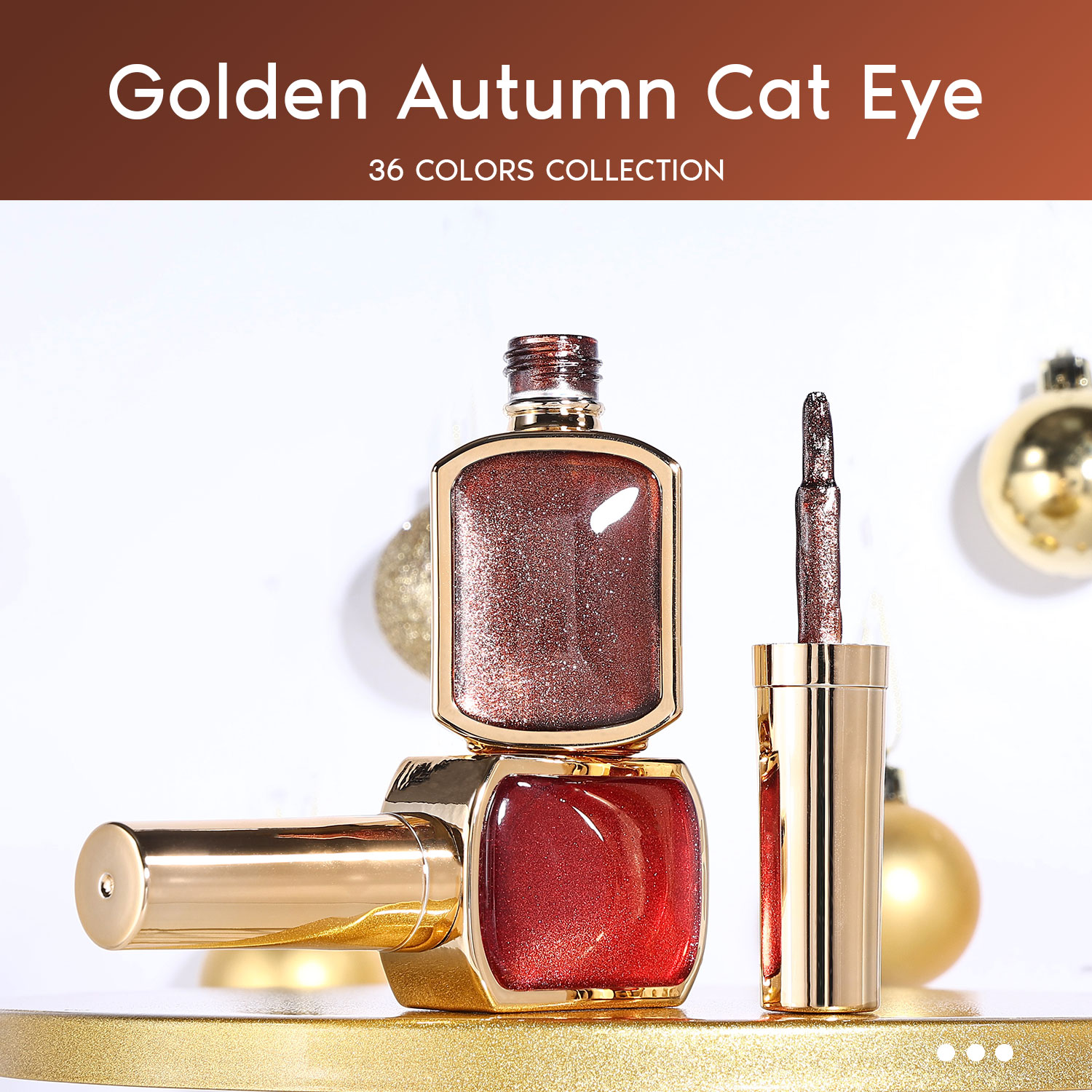
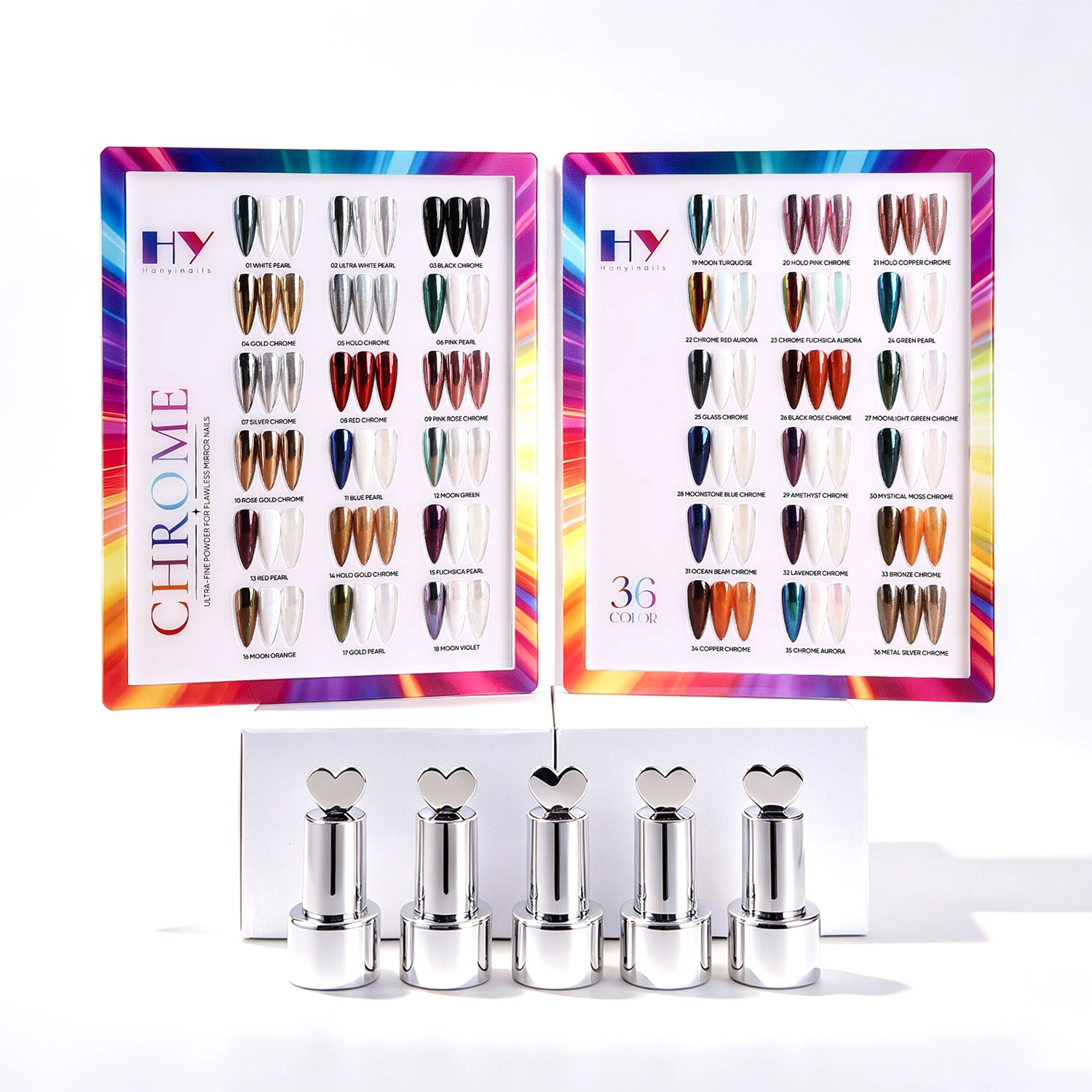
The cat-eye gel polish collection Golden Autumn Cat Eye Gel features 36 shades for salons, nail brands, and distributors seeking a coordinated seasonal assortment. Its magnetic-effect finish supports dimensional nail-art looks, while a multi-color range can help buyers plan varied services and retail selections from one collection. Because details such as bottle size, formula, lamp compatibility, curing time, minimum order quantity, and private-label options can affect purchasing decisions, confirm current specifications directly with Hanyi Nails before placing an order.
How Can a 36-Shade Magnetic Gel Collection Refresh an Autumn Nail Menu?
Why does a coordinated autumn palette help salons and retailers?
A 36-color range gives a salon more choice than a small seasonal capsule, helping nail technicians offer different looks without sourcing every shade separately. Autumn colors can be positioned for seasonal appointments, themed promotions, and curated retail displays. Buyers should review the product images and request a current shade chart or physical samples when color accuracy is important, since screen settings and lighting can change how a polish appears.
For distributors, a collection organized around a clear seasonal concept can make merchandising easier: staff can present the shades as a complete story rather than as unrelated individual colors. This does not guarantee faster sell-through, but it can simplify assortment planning and make it easier to build promotional sets. Before buying in volume, compare the 36 shades against your customers’ preferences and existing inventory to avoid duplicate colors or excessive seasonal stock.
What makes the cat-eye effect useful for nail-art services?
Cat-eye gel polish typically contains magnetic particles that respond to a nail-art magnet, allowing a technician to guide the particles into a line or other pattern before curing. This creates a light-reflective, dimensional appearance that can add visual interest without relying only on hand-painted detail. The final effect depends on the polish, magnet, application technique, and lighting, so technicians should test the product before promising a particular pattern or finish to clients.
For service planning, ask whether the supplier recommends a particular magnet and whether the effect is intended to be used over a base shade or on its own. These practical details influence appointment timing and the range of designs a team can offer. A small in-salon test can help standardize the magnet distance, working time, and curing sequence across technicians, reducing inconsistent results and avoidable rework.
What Should Buyers Verify Before Ordering Cat-Eye Gel Polish?
How can you confirm curing and application compatibility?
Do not assume that every gel polish cures under every UV or LED lamp. Ask the supplier for the recommended lamp type, wavelength or device guidance where available, curing time, layer thickness, and application sequence. Confirm these instructions against the exact lamp models used by your salon or customers. Following the manufacturer’s directions matters for product performance and helps reduce problems associated with under-curing or over-thick application.
Request the latest technical and safety documents for the specific product and destination market, including ingredient information and instructions for professional use. Nail products are subject to cosmetic requirements that vary by location. The U.S. FDA guidance on nail care products explains the U.S. regulatory context, while the EU Cosmetics Regulation sets out requirements relevant to products placed on the European market. These references are not a substitute for checking the product’s documentation and applicable local rules.
Which commercial details affect cost and supply reliability?
For a B2B order, compare more than the unit price. Confirm available packaging, units per carton, minimum order quantity, sample availability, production lead time, shipping arrangements, and whether the 36 shades are sold only as a set or can be ordered individually. The product page identifies a 36-color collection, but it should not be treated as confirmation of current stock, customization, or order terms; obtain a written quotation for the quantities and destination you need.
Ask how shade consistency is managed between production batches and what the supplier’s process is for reporting damaged goods or discrepancies. If the polish will be sold under your own brand, verify label requirements, artwork approval steps, and any additional lead time for customized packaging before committing to a launch date. A documented specification and approved sample help buyers compare quotations accurately and reduce surprises after production begins.
How Can Teams Get Consistent Results from a Magnetic Gel Range?
What application checks help technicians produce repeatable designs?
Build a simple test routine before introducing a new collection across a team. Use the recommended base and top products, apply the polish in the instructed layer thickness, and test the magnetic effect before curing. Record the lamp model and curing sequence used during the trial. This gives technicians a practical reference and makes it easier to identify whether a difference comes from application, equipment, or the product itself.
Keep the magnet technique consistent during training: use the same tool, approximate distance, and positioning method when comparing designs. Because magnetic particles can move before the gel is cured, follow the supplier’s timing instructions and cure each layer as directed. Do not improvise shorter curing times based on appearance alone. If results vary, contact the supplier with the lamp details, application steps, and clear photos of the outcome.
How should buyers assess documentation and supplier quality?
Ask for product specifications and quality documents relevant to the product and the intended market rather than relying on broad claims. If a supplier references cosmetics good manufacturing practice, buyers can review the scope of ISO 22716 guidance for cosmetics GMP and ask what documentation or processes apply to the offered product. A reference to a standard alone does not establish that a particular product or factory is certified, so request evidence and clarify its scope.
For larger orders, document shade selection, packaging, quantities, delivery expectations, and acceptance criteria in the purchase agreement. A pre-production sample or approved reference set can help both parties align on color and presentation before the full order proceeds. Buyers should also plan storage and inventory rotation according to supplier instructions, particularly when stocking a seasonal assortment whose demand may change over time.
Contact Hanyi Nails customer service to request current specifications, samples, pricing, and order guidance for the Golden Autumn Cat Eye Gel 36-color collection.





Hanyinails
Hanyinails
Hanyinails
Hanyinails