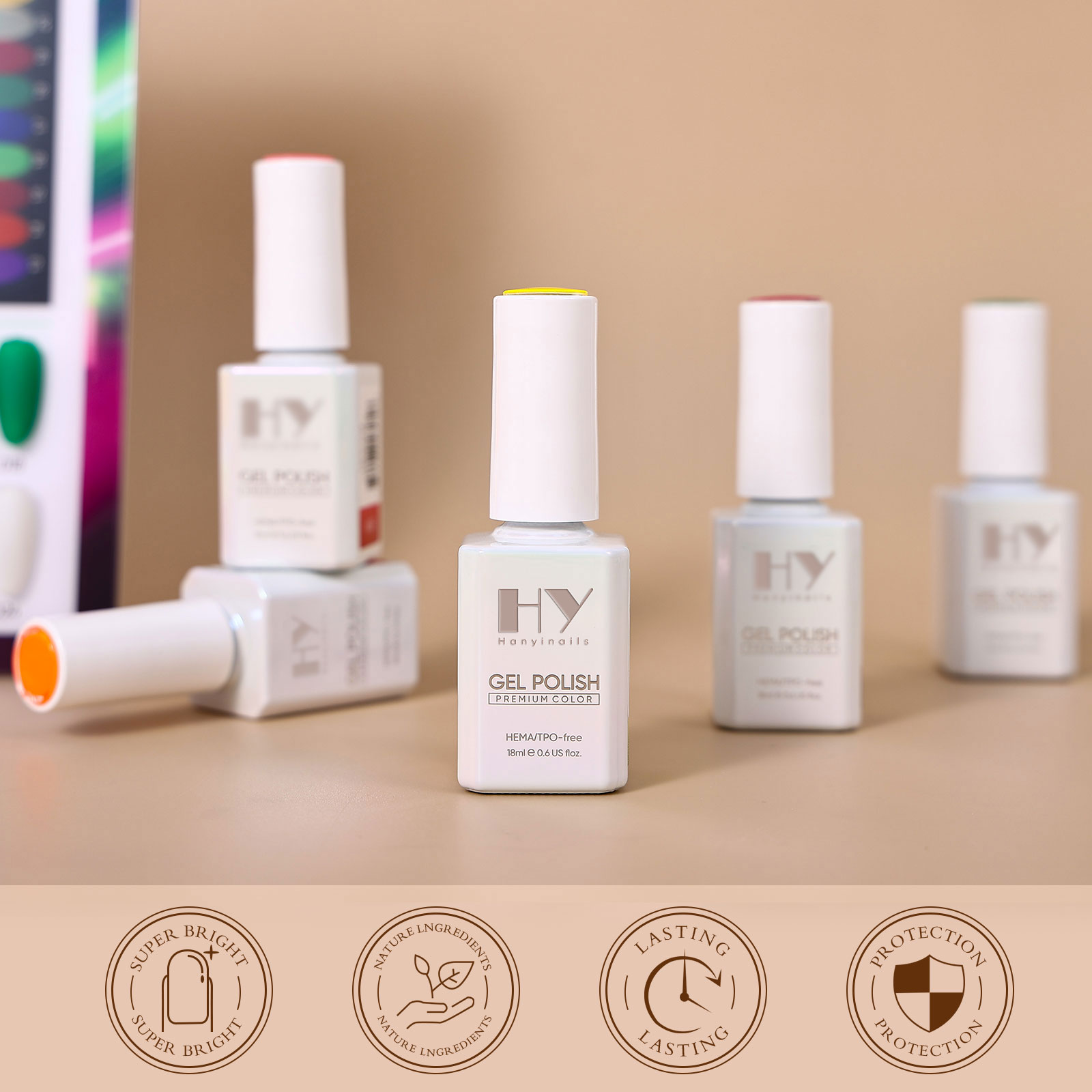
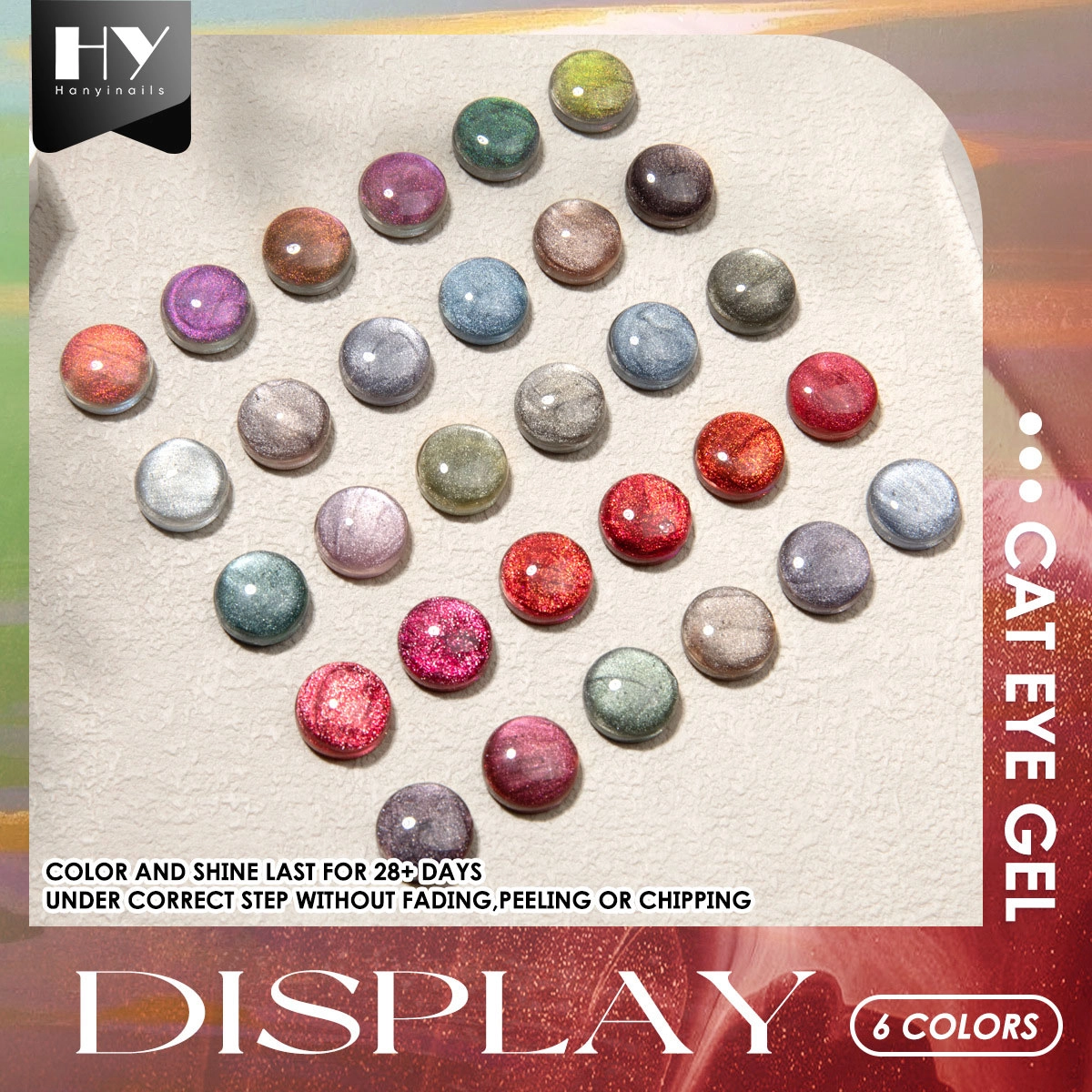
Glow Gel 24 is a neon glow-in-the-dark gel polish identified by the product listing as HEMA-free and TPO-free, with up to 28 days of wear advertised. Created for nail salons, nail artists, and beauty brands, this glow-in-the-dark gel polish offers a distinctive luminous effect for statement manicures and nail-art services. Buyers should confirm shade selection, lamp compatibility, application steps, and commercial ordering details with the supplier before purchase, since results depend on the specific product and its use.
How can luminous neon gel polish enhance a salon service?
What makes a glow-in-the-dark manicure stand out?
Glow effects give nail artists a way to create designs that look vivid in ordinary lighting and become more noticeable in darker settings. That visual change can help a salon differentiate event, festival, party, and seasonal nail-art services without relying on intricate hand-painted details on every nail. Neon color and a luminous finish can also be used selectively, such as on accent nails, French tips, or layered designs, so clients can choose a subtle or more dramatic look.
The product name and listing describe Glow Gel 24 as a neon glow-in-the-dark gel. Before presenting a particular shade or glow intensity to clients, check the supplier’s current shade chart and test the selected color under the lighting conditions in which it will be viewed. Glow products may look different in daylight, indoor lighting, and darkness; a sample application helps set realistic expectations and supports consistent service consultations.
Who may benefit from adding this gel to a product range?
Salon owners can use specialty finishes to broaden their service menu, while independent nail artists may value a product that supports expressive designs and themed appointments. For private-label and wholesale buyers, the key questions are practical: available shades, minimum order quantities, packaging options, lead times, and documentation. These commercial terms are not established by the product name alone, so request current details directly from the supplier before planning inventory or promoting a launch.
For a salon, a new effect should fit the existing workflow rather than slow it down. Assess whether the gel can be applied with the tools and curing equipment already used, and confirm the manufacturer’s directions before combining it with other products. A small trial helps staff evaluate application, finish, removal, and client response before making a larger purchasing commitment.
What should buyers verify before ordering HEMA-free, TPO-free gel?
What do HEMA-free and TPO-free claims tell buyers?
The listing identifies this gel as HEMA-free and TPO-free, claims that may matter to buyers comparing ingredient profiles. They should not be interpreted as a guarantee that a product cannot cause irritation or an allergic reaction: people can react to different ingredients, and safe handling still matters. Request the current ingredient information and applicable product documentation, and have nail professionals follow the supplied instructions rather than relying on a short product title.
Regulatory requirements and ingredient rules vary by market. The FDA information on nail care products explains that nail products can involve specific safety considerations, while its cosmetic ingredient information provides context for understanding ingredients and cosmetic oversight in the United States. Buyers selling across borders should verify the requirements for each destination and obtain supplier documentation suited to their intended market.
How can salons reduce application and curing problems?
Use the product’s own directions for nail preparation, application thickness, curing time, lamp type, and removal. Do not assume that every gel works with every UV or LED lamp: wavelength, lamp condition, and cure instructions can affect whether the product cures as intended. Avoid skin contact, work with suitable ventilation, and train staff to follow the product label. If directions or compatibility information are unclear, ask the supplier before using the gel on clients.
Consistent preparation and controlled application help reduce avoidable service issues such as lifting, uneven coverage, or product touching surrounding skin. Keep the natural nail in good condition and avoid aggressive filing during preparation or removal. For additional client-care context, the American Academy of Dermatology guidance on gel manicures discusses precautions associated with gel services, including exposure from curing lamps. Follow local professional practice guidance as well as the product instructions.
How can buyers evaluate wear, compatibility, and value?
What does the advertised 28-day wear mean in practice?
The product listing advertises 28-day wear, which is a stated performance claim rather than a guarantee for every client or application. Actual wear can vary with nail condition, preparation, application technique, daily activity, product compatibility, and aftercare. When evaluating the claim, test the gel using the recommended system and record results across multiple services instead of assuming every client will experience the same wear time.
Set clear expectations with clients: a gel manicure is not maintenance-free, and changes in nail growth or accidental impact can affect appearance before the advertised period ends. Staff should explain how to care for the manicure and how to arrange safe removal or maintenance. For wholesale buyers, asking how the wear claim was assessed and what application conditions were used can make supplier comparisons more meaningful.
How should a salon assess lamp fit and purchasing value?
Before ordering, confirm that the supplier specifies a compatible curing lamp and provides a complete cure schedule for the gel. If the salon uses several lamp models, check each one rather than assuming similar-looking devices perform identically. Request current product specifications, storage guidance, shelf-life information, and recommended removal methods. This information supports safer staff training and helps estimate the actual cost per service.
Compare value using more than the unit price. Consider usable product volume, coverage per application, shade demand, storage needs, shipping, minimum order requirements, and the time required to apply and remove the product. A sample or small initial order can help a business check color, glow appearance, application behavior, and client interest before committing to broader stock. Confirm current pricing and availability with the supplier, as these details can change.









Hanyinails
Hanyinails
Hanyinails
Hanyinails