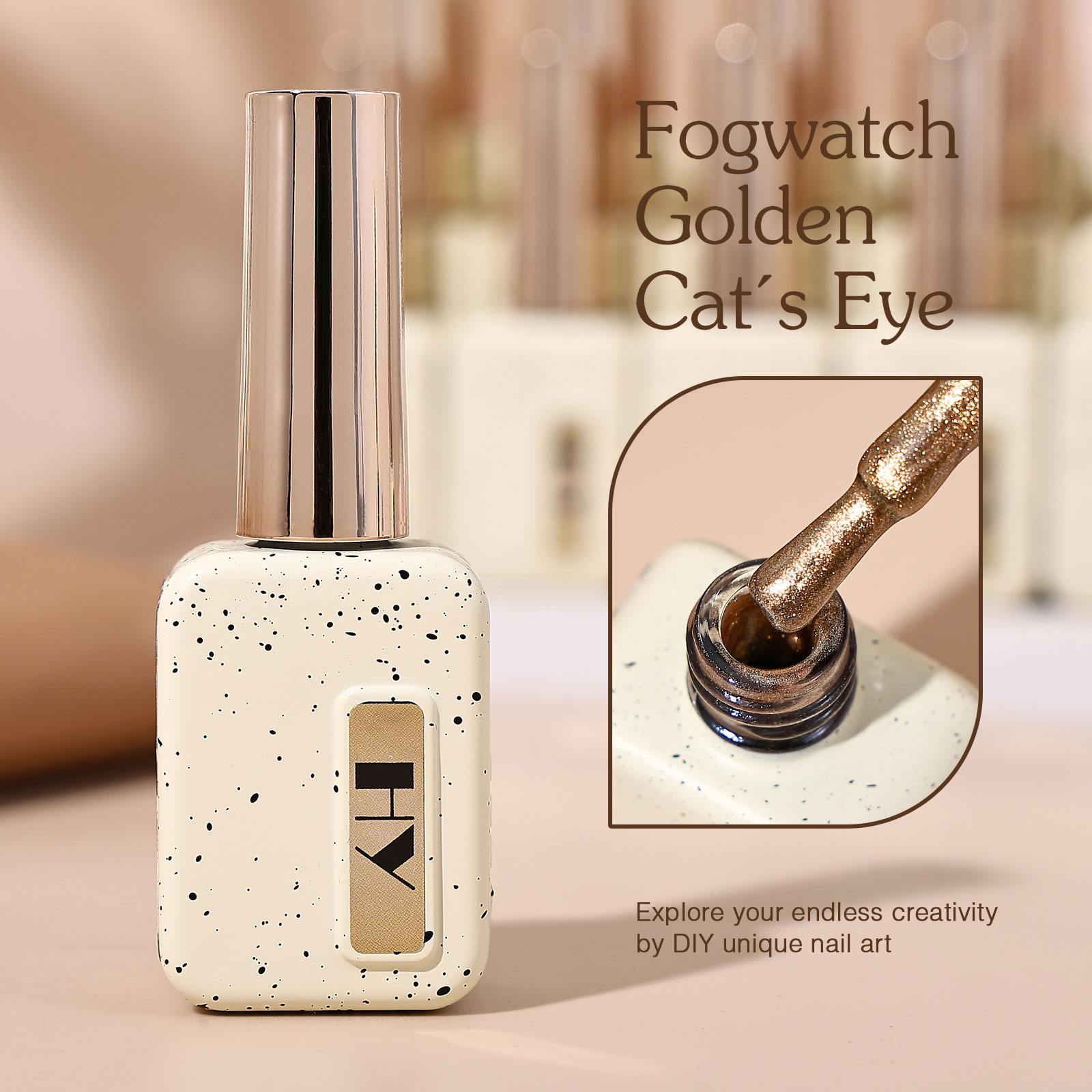
The 24-color magnetic cat-eye gel polish collection brings together 24 shades under the Fogwatch Golden Cat-Eye name for salons, nail technicians, and beauty product buyers seeking dimensional, light-reflective nail designs. Magnetic pigments can be manipulated with a compatible nail magnet to create shifting lines or concentrated highlights, while the range gives professionals more color options in one coordinated collection. Before ordering, confirm current product specifications, packaging, ingredients, lamp compatibility, and wholesale terms with the supplier so the collection fits your service menu and market requirements.
How Can a 24-Shade Magnetic Gel Collection Expand Nail Design Options?
A multi-shade collection can help a salon offer variety without sourcing every color separately. The Fogwatch Golden Cat-Eye range is presented as a 24-color magnetic gel collection, giving buyers a broader palette for client consultations, seasonal menus, and nail-art content. The product page should be treated as the reference for current availability and specifications, since color appearance and commercial details may vary by listing or order.
What makes magnetic cat-eye gel visually distinctive?
Magnetic cat-eye gel contains reflective particles that respond to a nail magnet while the gel remains workable. By moving a compatible magnet near the nail, a technician can guide the particles into a line, arc, or concentrated highlight, creating depth that changes with the angle of the light. This effect can help salons offer a recognizable design without relying solely on intricate hand-painted artwork.
The final result depends on the shade, application technique, magnet position, and lighting. A golden cat-eye effect may read differently across the collection, so test representative colors on swatch sticks before promising a specific look to clients. Swatches also help staff explain the difference between a subtle glow and a stronger, sharply defined magnetic line.
How can a 24-color range support salon merchandising?
A coordinated range gives a salon more options for matching designs to client preferences while keeping the collection organized as a single product family. Teams can create labeled swatch displays, group shades by visual impression, and photograph finished samples for booking pages or social channels. These steps reduce consultation uncertainty and make it easier for clients to choose a color before service begins.
For distributors and retailers, the 24-color count may also help with assortment planning, but it does not by itself confirm the number of bottles in a purchasable unit or the exact pack configuration. Verify the unit of sale, minimum order quantity, available shades, and stock status with the supplier before setting prices or preparing a launch promotion.
How Should Nail Technicians Apply Magnetic Cat-Eye Gel?
Magnetic effects are technique-sensitive, so a repeatable workflow matters more than rushing through application. The correct process depends on the specific gel system and its instructions; use the supplier’s directions for preparation, layer sequence, magnet handling, and curing rather than assuming that every magnetic gel behaves identically.
What application steps help create a controlled magnetic effect?
Start with properly prepared nails and use the compatible base and color products specified for the system. Apply a controlled layer of magnetic gel, then position the magnet as directed while the product is still uncured. Keep the magnet close enough to influence the particles without touching the wet nail, and hold it steadily for the interval recommended by the product instructions.
Because working time and particle response can differ between formulas, practice on sample tips before using a new shade in a paid service. Record the magnet type, distance, position, and timing that produce the look your team wants. A simple technique guide helps multiple technicians deliver more consistent results and reduces avoidable rework.
How can technicians reduce uneven results and product waste?
Use thin, even layers and avoid flooding the cuticle area; excessive product can make precise placement harder and may compromise the finished appearance. Work one nail at a time when needed so the magnetic particles can be arranged before curing. If the effect looks weak or scattered, adjust magnet placement on a practice tip rather than repeatedly manipulating a full set.
Keep the work area organized with the selected shade, magnet, lamp, and cleanup materials within reach. Close containers between uses according to the manufacturer’s instructions, and follow the product’s storage guidance to protect usability. For salons, documenting a reliable application sequence can shorten training time and help control service costs without making unsupported claims about wear or performance.
What Should Buyers Check Before Ordering Magnetic Gel Polish?
Product names and color images are useful starting points, but professional buyers also need clear commercial and technical information. Confirm details directly on the product page or with the supplier before placing an order, particularly when purchasing for resale, importing into a new market, or incorporating the gel into an established salon system.
Which specifications and compatibility details should be confirmed?
Ask for the current ingredient information, net contents, packaging configuration, recommended application sequence, and curing instructions. Confirm which lamp types or wavelengths the manufacturer specifies and whether the gel is intended to be used with a particular base or top coat. Do not infer cure time or lamp compatibility from another brand’s gel; follow the instructions provided for the exact product.
For a salon, compatibility affects service planning and staff training. For a distributor, it affects labeling, product descriptions, and customer support. Check whether the shades shown online represent the current batch and ask how the supplier handles shade variation, damaged shipments, and product concerns. These checks help prevent avoidable mismatches between a buyer’s expectations and the delivered goods.
How can businesses assess supplier and regulatory information?
Request relevant documentation for the destination market, including ingredient and labeling information, and clarify who is responsible for import and compliance obligations. The FDA overview of U.S. cosmetics laws and regulations explains the regulatory context for cosmetics in the United States, while the FDA guidance on nail care products provides category-specific consumer and product information.
For businesses evaluating manufacturing quality systems, ask what controls and records the supplier can document rather than assuming a particular certification. ISO 22716 guidance for good manufacturing practices in cosmetics is a useful reference for understanding cosmetic GMP principles, but a reference to the standard is not proof that a specific product or factory is certified. Verify claims with current documentation.
How Can Salons and Distributors Make the Collection Profitable?
Profitability depends on the business model, service menu, purchase terms, and local demand—not simply the number of shades in a set. Use the Fogwatch Golden Cat-Eye range as a potential design assortment, then evaluate how it fits existing inventory, client preferences, and operational capacity before committing to a larger order.
How can salons introduce the shades without overstocking?
Begin by reviewing current client requests and the colors already represented in your gel inventory. Build a small display of test swatches and track which shades attract inquiries or bookings. If the collection is available only as a fixed assortment, compare its total cost and expected use against the value of offering a broader magnetic design menu.
Promote the effect accurately: show real swatches under consistent lighting, explain that the reflective appearance changes with viewing angle, and avoid guaranteeing an identical result on every nail. Staff can recommend a shade during consultations and offer magnetic designs as an optional upgrade if the service structure supports it. Track product use and rebooking interest to guide future purchasing.
What should distributors include in product listings?
Clear product listings help reduce presale questions and returns. State the verified color count, product category, intended application context, and any confirmed package details. Include accurate images and disclose whether a magnet, lamp, base coat, or top coat is included only when the supplier confirms it. Avoid claims about wear duration, safety, or compatibility unless supported by reliable product documentation.
Retail and wholesale buyers should also review order quantities, lead times, shipping conditions, payment terms, and procedures for handling defects or discrepancies. Keep records of supplier communications and the documentation received with each order. Those practical checks make it easier to plan replenishment, answer customer questions, and present the 24-color magnetic gel assortment responsibly.









Hanyinails
Hanyinails
Hanyinails
Hanyinails