Custom sea-blue cat-eye gel polish helps nail brands build a distinctive magnetic-effect collection with a cool blue color story and private-label presentation. For salon distributors, ecommerce businesses, and emerging beauty labels, the key buying considerations are shade consistency, magnet response, formula and lamp compatibility, packaging customization, and clear documentation. Confirm product-specific specifications, minimum order quantities, sampling options, and lead times with the supplier before making a commercial commitment.
What Makes a Magnetic Sea-Blue Gel Polish a Distinctive Collection Choice?
How does the cat-eye effect create visual interest?
Cat-eye gel polish contains reflective particles that can be moved into a visible pattern with a suitable magnet while the product remains uncured. The finished look depends on the polish itself, application thickness, magnet strength and position, and the time between creating the effect and curing. For a sea-blue shade, these variables affect whether the result reads as a concentrated line, a soft glow, or a more diffuse shimmer.
That variation gives salons room to offer different looks from one shade, but it also creates a training and consistency challenge. Ask for application guidance and sample units so your team can test the effect using its own tools and working pace. Evaluate the color under different lighting conditions and on the nail shapes your customers commonly request, rather than relying only on product photography.
Why can a blue magnetic shade strengthen a brand assortment?
A sea-blue magnetic finish can provide a clear point of difference in a range dominated by classic reds, neutrals, or ordinary glitter. It can support seasonal launches, ocean-inspired edits, or an everyday statement-color range, depending on the brand’s positioning. The commercial value comes from a coherent product story and repeatable salon results, not from color alone.
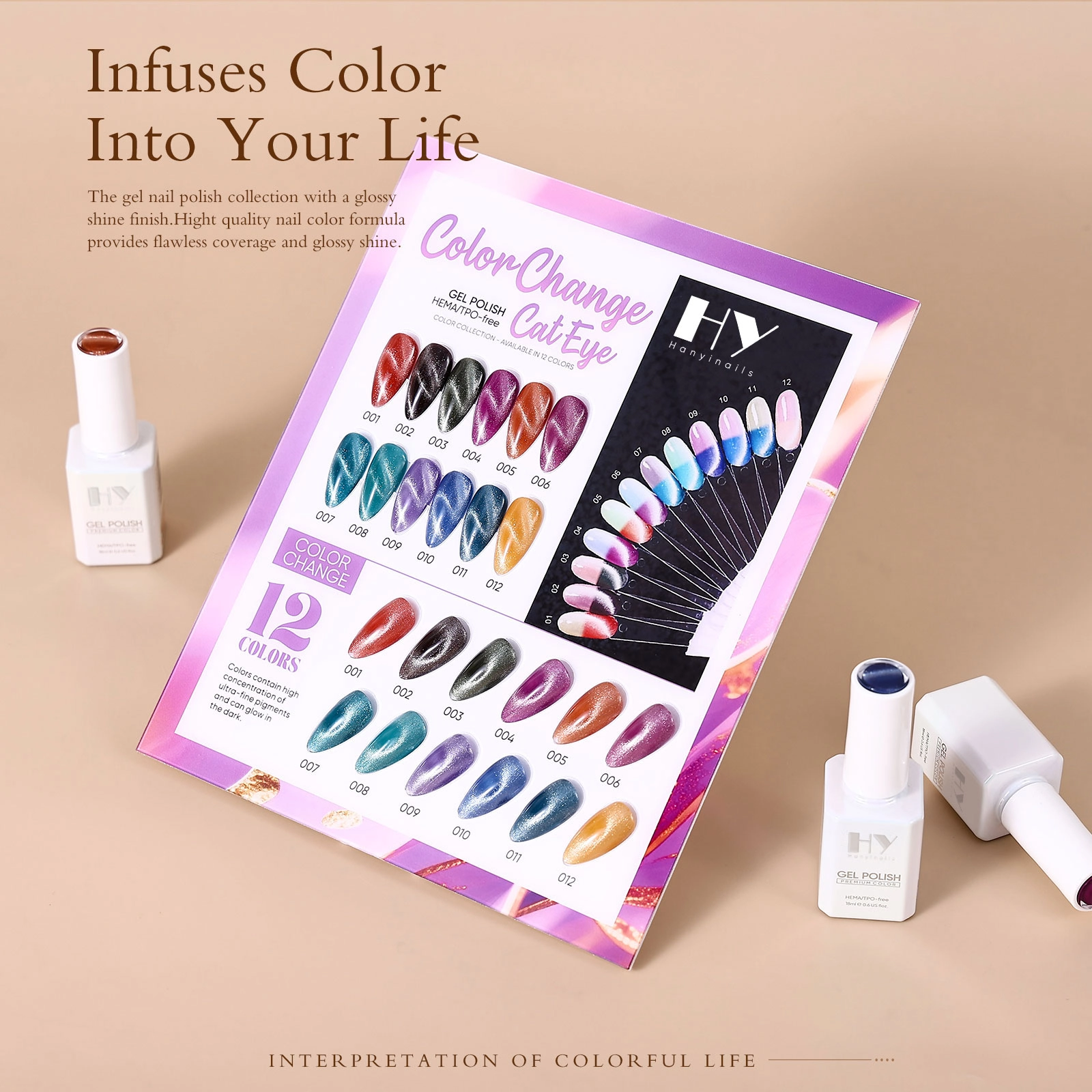
Before choosing the shade as a hero product, compare samples with nearby blues already in your catalogue. Check opacity, shimmer visibility, and how the magnetic pattern appears over the base color. This simple review can help prevent overlap between SKUs and make product photography, shade descriptions, and staff recommendations more accurate.
How Can Buyers Evaluate Formula and Application Compatibility?
What should a salon test before placing a bulk order?
Test the polish with the curing lamp and application system your customers actually use. Gel formulas and lamp output are not universally interchangeable, so do not assume that a familiar brand’s curing time applies to a different product. Request the manufacturer’s instructions for use, including recommended coat thickness, curing conditions, magnet technique, and any preparation or removal guidance supplied for the formula.
During a controlled sample trial, assess how easily the product levels, whether the magnetic particles respond consistently, and whether the finish matches the approved sample after curing. Record the lamp model, application steps, and observations so the test can be repeated. If results differ between technicians, refine training and application procedures before treating the issue as a manufacturing defect.
How can documentation support safer product decisions?
Request relevant product information and market-specific documentation before launch, and make sure the materials match the product and sales region. The FDA overview of nail care products explains that nail products are subject to applicable U.S. cosmetic requirements, while the EU Cosmetics Regulation sets requirements for cosmetics placed on the European Union market. Regulatory obligations depend on the destination market and product facts.
For manufacturing quality systems, ask whether the supplier can explain its relevant controls and provide records appropriate to your order. ISO 22716 guidance on cosmetic good manufacturing practices is a useful reference when discussing production and quality processes; it is not a substitute for checking a supplier’s actual credentials or your own compliance obligations. Keep approved samples, label artwork, and written specifications together for future comparisons.
What Should You Confirm Before Ordering Private-Label Gel Polish?
Which customization details affect launch readiness?
Private label can involve more than placing a logo on a bottle. Clarify which choices are available for the product, shade presentation, bottle and cap, label, outer packaging, and other brand materials. Confirm the exact artwork process, proofing steps, language requirements, and who is responsible for checking mandatory information in each destination market.
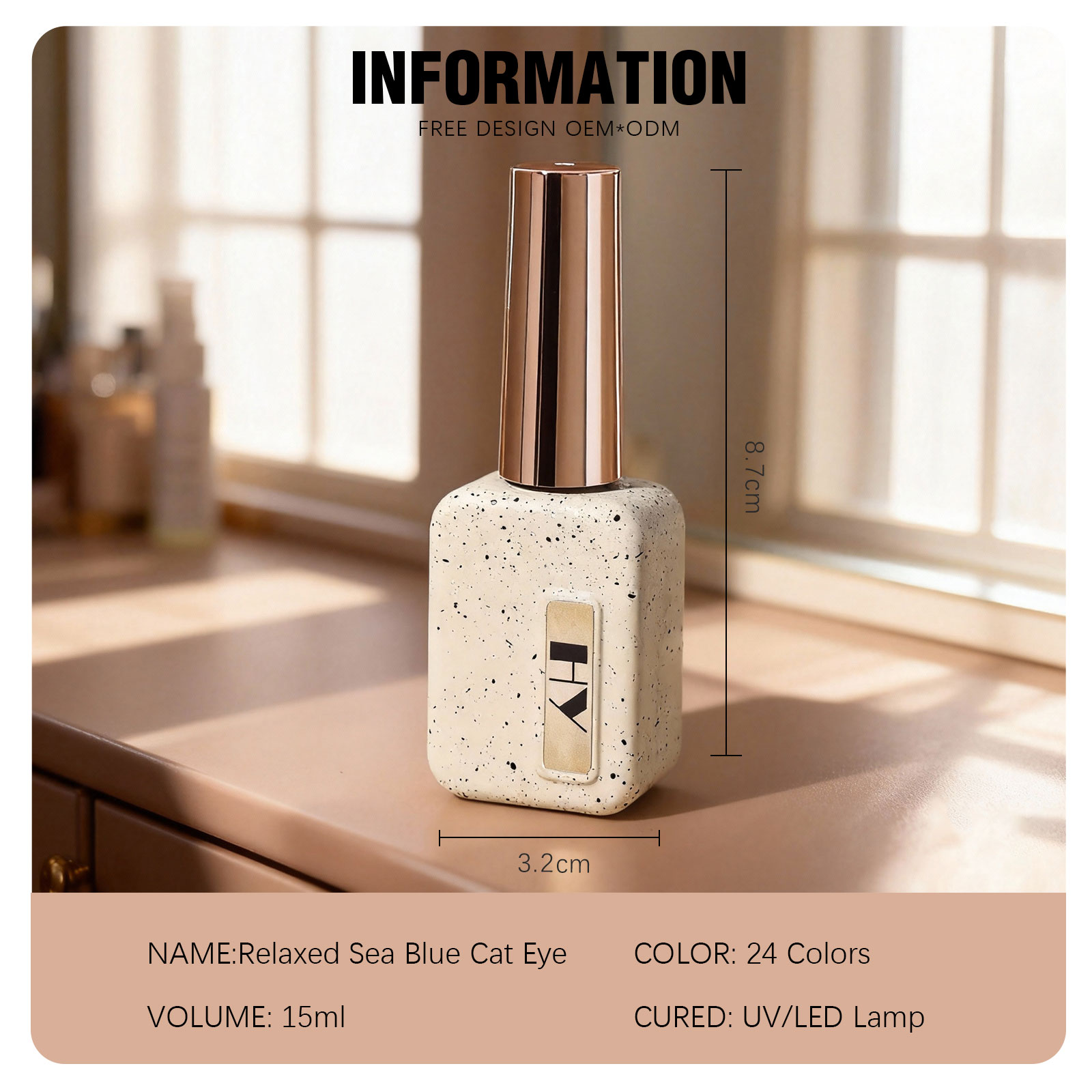
Ask the supplier to define the commercial terms in writing, including minimum order quantity, sample charges, packaging options, production lead time, and shipping arrangements. The product URL identifies a custom 24 sea-blue cat-eye gel polish offer, but buyers should confirm directly what the number 24 represents for the current offer rather than infer pack size, shade count, or order quantity. Written clarification reduces the risk of an unexpected cost or assortment mismatch.
How can a sample approval process reduce sourcing risk?
Use a documented approval sequence: request samples, test the formula, review the shade and magnetic effect, approve packaging artwork, and retain a signed or otherwise identifiable reference sample. Record any agreed product details, such as color appearance, bottle presentation, and application instructions. This gives both buyer and supplier a shared point of reference if a later batch appears different.
Set acceptance expectations before production begins. For example, agree how the approved shade will be compared and how packaging defects or transit damage should be reported. Do not rely on an informal message or a screen image as the only quality record, because displays and lighting can change how blue tones appear. A clear process makes reorders easier to assess and helps protect launch schedules.
How Can Brands Build a Reliable Long-Term Supplier Relationship?
Why do written specifications matter for repeat orders?
A concise specification sheet can capture the approved shade reference, product name, packaging configuration, label artwork version, required documents, and agreed order details. It should also identify which characteristics are confirmed and which remain subject to supplier verification. This approach is particularly useful when a brand adds new staff or expands from a trial order to repeat purchasing.
Ask how the supplier handles production changes, material substitutions, and notification of revised instructions. If a change could affect color, magnetic response, packaging, or use, request advance notice and a new sample for review when appropriate. Keep dated records of approvals and communications so your team can compare shipments against the same expectations instead of relying on memory.
How can brands manage product communication responsibly?
Describe the product in a way that matches its verified characteristics. Explain that a magnet is used to shape the reflective effect, and provide the supplier-approved application and curing instructions rather than promising that every lamp or technique will produce an identical result. Clear directions can reduce avoidable customer complaints and help salon professionals deliver a more consistent service.
Also review storage, handling, and workplace guidance supplied for the product. The OSHA nail salon safety resources offer general information relevant to salon environments, but they do not replace product-specific instructions or local rules. Train staff to follow the applicable documentation, use products as directed, and refer technical questions to the supplier instead of making unsupported safety or performance claims.









Hanyinails
Hanyinails
Hanyinails
Hanyinails