A cat eye nail art kit should be evaluated as a complete cosmetic system rather than as a bottle of magnetic gel alone. Professional buyers need to verify magnetic pigment alignment, color uniformity, viscosity, curing performance, adhesion, odor, packaging compatibility, labeling, stability, and regulatory documentation before approving a supplier. A reliable quality program combines incoming-material inspection, in-process controls, finished-product testing, retained samples, batch traceability, and market-specific compliance review. For distributors, salon groups, private-label brands, and e-commerce operators, this approach reduces complaints, uncured-product incidents, leakage, shade inconsistency, and costly product recalls.
A Procurement Framework for Magnetic Nail Gel Quality
Define the product specification before requesting samples
Quality approval begins with a written technical specification. The document should identify the intended application, target curing lamp, bottle fill volume, brush type, color reference, magnetic effect, recommended application thickness, curing schedule, shelf-life target, packaging format, and target markets. A buyer should also state whether the formula is intended for professional salon use, consumer retail, or both, because packaging instructions, warnings, claims, and documentation may differ.
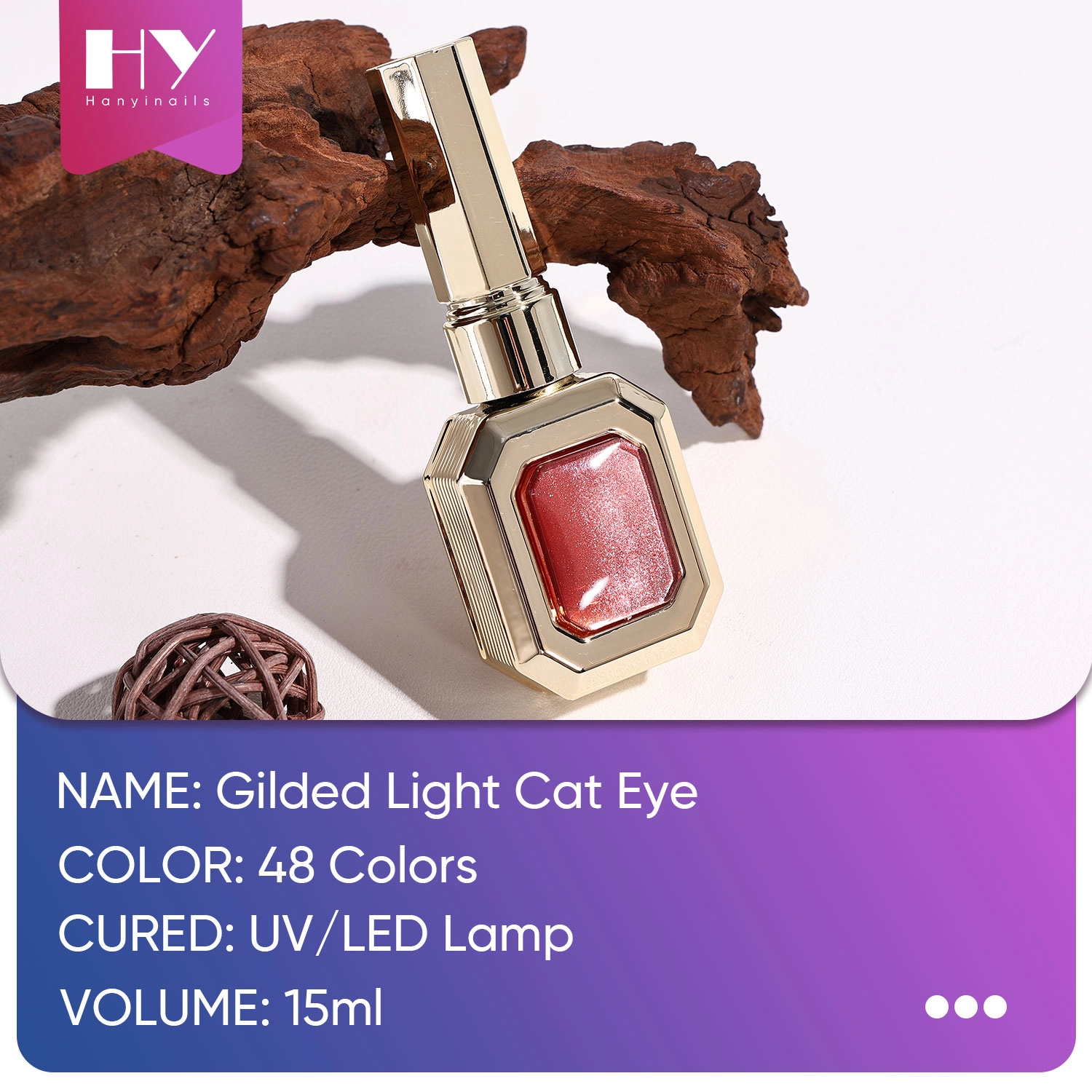
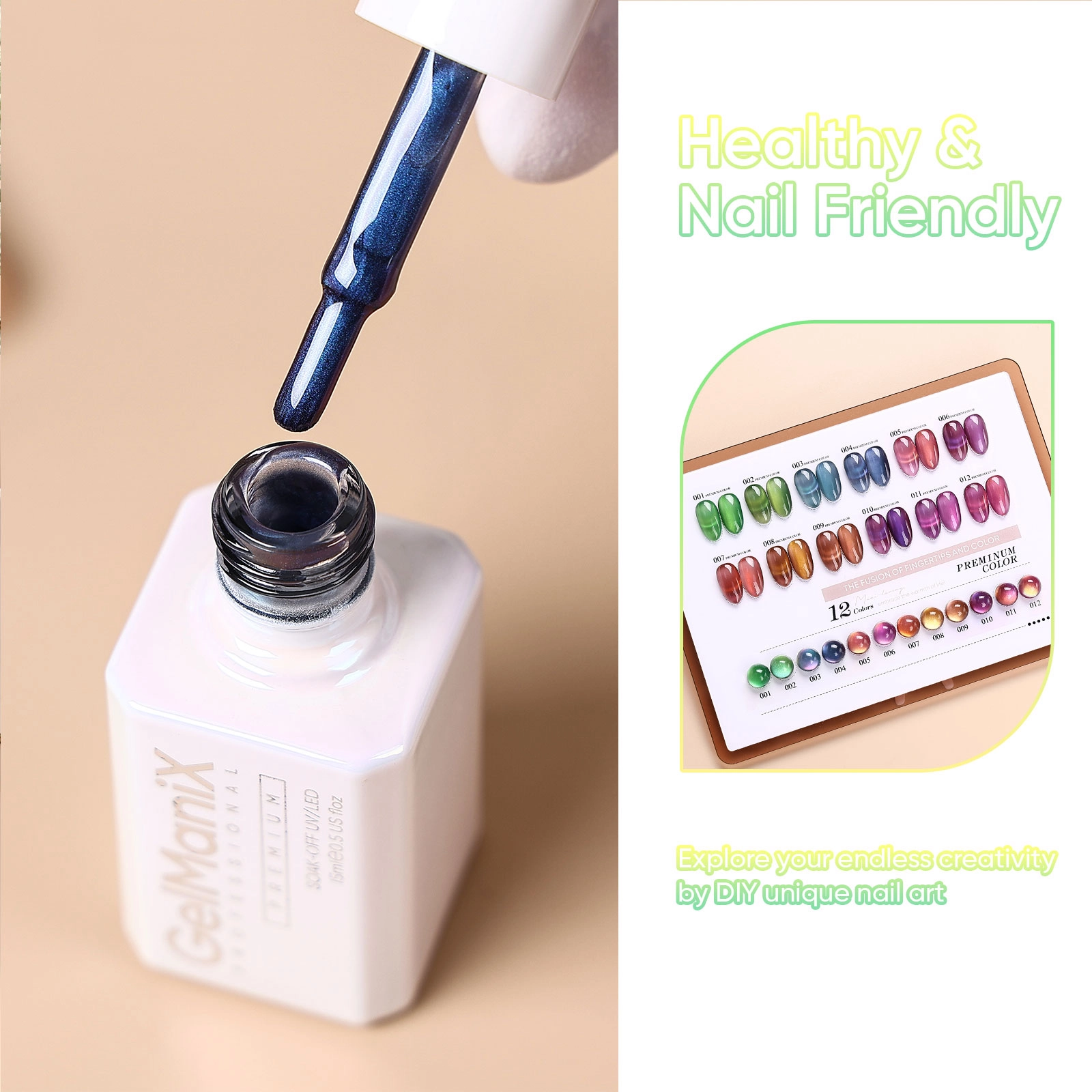
Magnetic gel products can create velvet, stripe, aurora, galaxy, or dimensional reflective effects. These visual outcomes should be described with approved reference samples or standardized color cards rather than subjective terms such as “strong shine” or “High Quality effect.” A supplier sample is not sufficient evidence of production consistency. The purchase specification should define acceptable variation in hue, magnetic particle response, viscosity, curing, and surface finish.
Inspect magnetic pigment distribution and visual repeatability
The most important functional check is whether the magnetic particles remain evenly dispersed during storage and can be moved predictably by the recommended magnet. Inspect samples after controlled shaking, after standing, and after repeated use. Look for sedimentation, clumping, floating particles, streaks, or a weak central line. A qualified sample review should include several bottles from different production points, not only one laboratory sample.
Testing should cover multiple application conditions: a thin coat, a medium coat, a dark base color, a light base color, and different magnet distances. Record the magnet type, holding time, angle, and distance because these variables directly affect the final appearance. The effect should remain sufficiently stable after curing and top-coat application. If the pattern collapses, becomes cloudy, or loses contrast after curing, the formula or process may require adjustment.
Verify packaging and user-operation compatibility
Bottle and cap selection influences both protection and customer experience. The container must resist interaction with the gel formula, protect the contents from inappropriate light exposure, and maintain a reliable seal during shipping. Inspect neck finish, brush attachment, cap torque, wiper performance, label adhesion, fill level, and leakage after transport simulation.
Magnets should be assessed as accessories, not treated as an afterthought. Buyers should confirm magnetic strength, surface condition, dimensional consistency, corrosion resistance, and safe storage. A magnet that is too weak can create poor salon results, while an excessively sharp or fragile accessory can generate handling complaints. The final retail package should include clear instructions, curing guidance, warnings, batch information, and any required responsible-party details.
Testing Methods That Protect Salon Performance and Commercial Value
Use a layered laboratory and application test plan
Finished-product testing should combine physical, chemical, microbiological, packaging, and application assessments appropriate to the formula. Typical checks include appearance, odor, color, viscosity, density where relevant, fill weight, cure response, adhesion, hardness, flexibility, gloss, and removal behavior. The exact test method and acceptance limit should be documented before production so that results are not interpreted selectively after a complaint.
Application testing should use trained evaluators and controlled preparation. The nail plate or approved test substrate must be cleaned and prepared consistently. Record base coat, number of color coats, coat thickness, lamp wavelength, lamp power, exposure time, magnet position, top coat, and evaluation interval. A formula that performs well under one lamp may cure differently under another, so the product label should not promise universal performance without suitable validation.
Control curing, adhesion, and wear risks
Under-curing is a major commercial and safety concern because it can contribute to poor wear, wrinkling, tacky surfaces, pigment transfer, and increased skin exposure to reactive ingredients. Testing should assess both surface cure and cure through the applied film. Thick application, dark pigmentation, aging lamps, incompatible wavelength ranges, and inadequate exposure can all affect results.
Adhesion and wear evaluations should examine lifting at the sidewalls and free edge, cracking, chipping, gloss retention, staining, and removal time. A buyer should compare results across batches and, when possible, across the lamps commonly used by the target customer base. Claims such as “long-lasting,” “no peel,” or “chip resistant” should be supported by a defined test protocol rather than informal demonstrations.
Maintain stability, microbiological, and transport controls
Stability testing helps determine whether color, viscosity, magnetic response, odor, and curing behavior remain acceptable during the intended shelf life. Samples may be stored under controlled room, elevated-temperature, light-exposure, and freeze-thaw conditions when justified by the distribution route. These studies should be linked to a clear expiry or period-after-opening approach and supported by retained samples from commercial batches.
Although many nail gels contain ingredients that discourage microbial growth, microbiological risk cannot be assumed away. The supplier should establish suitable microbial limits and testing logic based on the formula, packaging, manufacturing environment, and intended use. Production records should cover sanitation, environmental controls, equipment cleaning, personnel practices, and deviation handling. The ISO 22716 Good Manufacturing Practices standard is a recognized reference for cosmetic manufacturing, production, control, storage, and shipment practices.
| Quality area | Recommended verification | Buyer acceptance evidence | Commercial risk controlled |
|---|
| Magnetic effect | Compare pattern strength, particle movement, and post-cure appearance using a defined magnet distance and time | Approved visual standard, test records, and batch comparison | Inconsistent salon results and negative reviews |
| Curing behavior | Evaluate surface and through-cure performance with specified lamps and film thickness | Validated exposure guidance and test report | Uncured product, wrinkling, lifting, and sensitization concerns |
| Adhesion and wear | Assess lifting, chipping, gloss, cracking, and removal under controlled application | Defined protocol, photographs, and retention-period observations | Refunds, rework, and weak repeat purchase |
| Packaging integrity | Check leakage, cap torque, brush consistency, label adhesion, and transport resistance | Packaging inspection record and shipment simulation results | Transit damage and retailer rejection |
| Stability | Monitor color, viscosity, odor, magnetic response, and cure characteristics over time | Stability plan, retained samples, and expiry rationale | Shortened shelf life and obsolete inventory |
| Compliance file | Review formula information, ingredient names, safety data, labels, claims, and responsible-party details | Market-specific technical dossier and signed approvals | Customs delays, delisting, or regulatory action |
Compliance Documentation for International Nail Gel Programs
Match the technical file to the destination market
Cosmetic compliance is jurisdiction-specific. In the United States, the U.S. Food and Drug Administration cosmetics laws and regulations provide the core regulatory framework, while the Modernization of Cosmetics Regulation Act introduces additional obligations for many cosmetic businesses. In the European Union, the EU Cosmetics Regulation 1223/2009 establishes requirements covering product safety, responsible persons, labeling, prohibited and restricted substances, and product information files.
Buyers should never rely on a generic certificate as proof that every product is compliant in every country. A practical technical file may include the complete ingredient list using appropriate nomenclature, raw-material specifications, safety data sheets where applicable, allergen or restricted-substance assessments, manufacturing information, packaging specifications, stability data, microbiological results, artwork, claims substantiation, and batch records. The importer or brand owner should confirm who is responsible for notification, registration, safety assessment, and post-market surveillance.
Audit claims, labels, and supply-chain traceability
Marketing language must reflect evidence. Terms such as hypoallergenic, non-toxic, vegan, cruelty-free, HEMA-free, TPO-free, or professional strength require careful definition and supporting records. A formula change, pigment substitution, packaging revision, or supplier change can invalidate previous assessments. Change-control procedures should therefore require buyer notification, risk review, updated samples, and reapproval before commercial release.
Each finished unit or outer carton should be connected to a traceable batch number. The supplier should be able to identify raw-material lots, production date, filling line, inspection results, packaging lots, release status, and retained-sample location. This information helps a brand isolate a problem quickly instead of withdrawing an entire product family. Buyers can also consult the European Chemicals Agency cosmetics legislation resources when reviewing ingredient restrictions and European market responsibilities.
Use supplier audits and corrective-action discipline
A supplier audit should examine facility hygiene, weighing controls, calibration, batch mixing, pigment dispersion, filling accuracy, warehouse conditions, complaint handling, training, document control, and product release. The audit should also verify whether the supplier’s stated capacity matches actual equipment, staffing, and inspection resources.
When a deviation occurs, the correct response is a documented root-cause and corrective-action process. The investigation should distinguish between formulation error, equipment variation, operator error, packaging defect, transport damage, and customer application conditions. Corrective action may involve revised work instructions, additional in-process checks, equipment maintenance, supplier qualification, or customer-facing application guidance. A replacement shipment without root-cause analysis does not adequately protect long-term brand value.
Why Hanyinails Supports Scalable Private-Label Nail Gel Projects
Manufacturing capacity aligned with repeatable quality
Hanyinails is a professional nail products manufacturer committed to supplying professional nail gel items for brand owners, distributors, salon operators, and project investors. Our manufacturing platform includes 10 production lines, 60 production machines, 8 QA/QC inspectors, and an 8,000-square-meter workshop. This structure supports organized production scheduling, inspection coverage, and scale-up planning for magnetic color collections and broader nail gel portfolios.
Our team develops approximately 2,000 new colors per year, giving buyers access to a wide color-development pipeline for seasonal launches, salon trends, and coordinated collections. New shades still require controlled approval: color references, magnetic behavior, viscosity, cure response, packaging, and production repeatability should be confirmed before release. This combination of creative development and quality discipline helps reduce the gap between a laboratory concept and a market-ready SKU.
One-stop OEM customization for differentiated brands
Hanyinails has 12 years of OEM customization experience and participates in exhibitions in more than 10 countries each year. Our one-stop customization service is designed for brands that need more than a standard formula and label. Buyers can select from more than 50 stock bottle and cap styles, over 600 customized bottle and cap designs, more than 100 kit-box styles, and over 200 color-chart designs.
For a magnetic gel collection, customization can cover shade architecture, bottle appearance, brush selection, magnet accessory presentation, kit configuration, label artwork, carton structure, color naming, and product instructions. Project owners should still approve the final production sample and compliance artwork because visual customization does not replace technical validation. A coordinated development process makes it easier to align the formula, packaging, merchandising, and launch calendar.
Broader product capability for complete nail systems
Our product range extends beyond magnetic color effects. Hanyinails supplies 3D nail art gel, gel builder nail polish, colored nail polish, nail care oil, gel x nail glue, Gelly nail tips, nail hard gel, Poly Acrygel, and line gel nail art products. This broader portfolio allows buyers to build complementary systems, such as a magnetic color range supported by builder products, nail tips, adhesives, decorative 3D gel, and aftercare oil.
Bundling related products can improve merchandising efficiency and average order value, but compatibility must be tested across the complete application sequence. Base products, color gels, top coats, adhesives, and enhancement materials should be reviewed for curing, adhesion, removal, and labeling requirements. Hanyinails’ manufacturing and customization capabilities provide a practical foundation for developing coordinated professional nail product programs while maintaining SKU-level quality documentation.
For buyers, the best supplier decision is not based on shade quantity alone. It depends on documented controls, responsive technical communication, stable production capacity, packaging flexibility, compliance readiness, and the ability to repeat an approved result at commercial volume. Hanyinails’ vision is to become the world’s leading manufacturer of nail products, and our project approach is built around reliable execution from concept development through production and delivery.
Contact Hanyinails at sales@hanyinails.com or visit https://www.hanyinails.com to discuss compliant magnetic nail gel development, OEM packaging, and complete professional nail product programs.









Hanyinails
Hanyinails
Hanyinails
Hanyinails