Cat eye gel polish is becoming a strategic category within the broader nail gel market because it combines visual depth, salon application value, and strong social-media presentation. The magnetic effect is created when responsive particles in the coating align under a magnet before curing, producing a shifting band, velvet appearance, dimensional line, or aurora-like reflection. For brands and wholesalers, the commercial opportunity is not limited to launching attractive shades; it includes building a dependable product system with consistent particle movement, stable curing, compliant labeling, suitable packaging, and a replenishment plan that protects margins. The most reliable procurement decisions connect trend forecasting with technical validation, quality assurance, and channel-specific merchandising.
Commercial Shifts Shaping Magnetic Effect Nail Color
From novelty shade to repeatable salon performance
Early magnetic nail colors were often purchased as novelty products, but professional operators now assess them against the same practical standards applied to other UV or LED-cured coatings. A salon needs sufficient working time to position the effect, predictable viscosity, smooth self-leveling, good adhesion within the intended system, and a cure profile that matches the lamp commonly used by technicians. If the magnetic particles settle excessively, move unevenly, or create a weak reflective band, the service becomes slower and customer outcomes vary between technicians.
Brand owners should therefore request technical samples rather than approving a shade from a digital image. Evaluation should include application over a compatible base, magnetic response at different distances, effect visibility under warm and cool lighting, surface smoothness after top coating, and wear observation over a defined test period. The objective is not to promise an arbitrary number of wear days, because performance depends on preparation, nail condition, lamp output, application thickness, and aftercare. Instead, suppliers should provide transparent use instructions and test conditions.
Visual trends are becoming more dimensional and design-led
Current demand is expanding beyond the classic single stripe. Retail and salon collections increasingly explore velvet cat eye, multichrome magnetic, galaxy, aurora, gemstone, smoky neutral, and layered effects. These concepts allow wholesalers to create collections for different customer groups: understated brown and champagne tones for everyday wear, high-contrast blue and purple shades for seasonal launches, and reflective black or red bases for dramatic nail art.
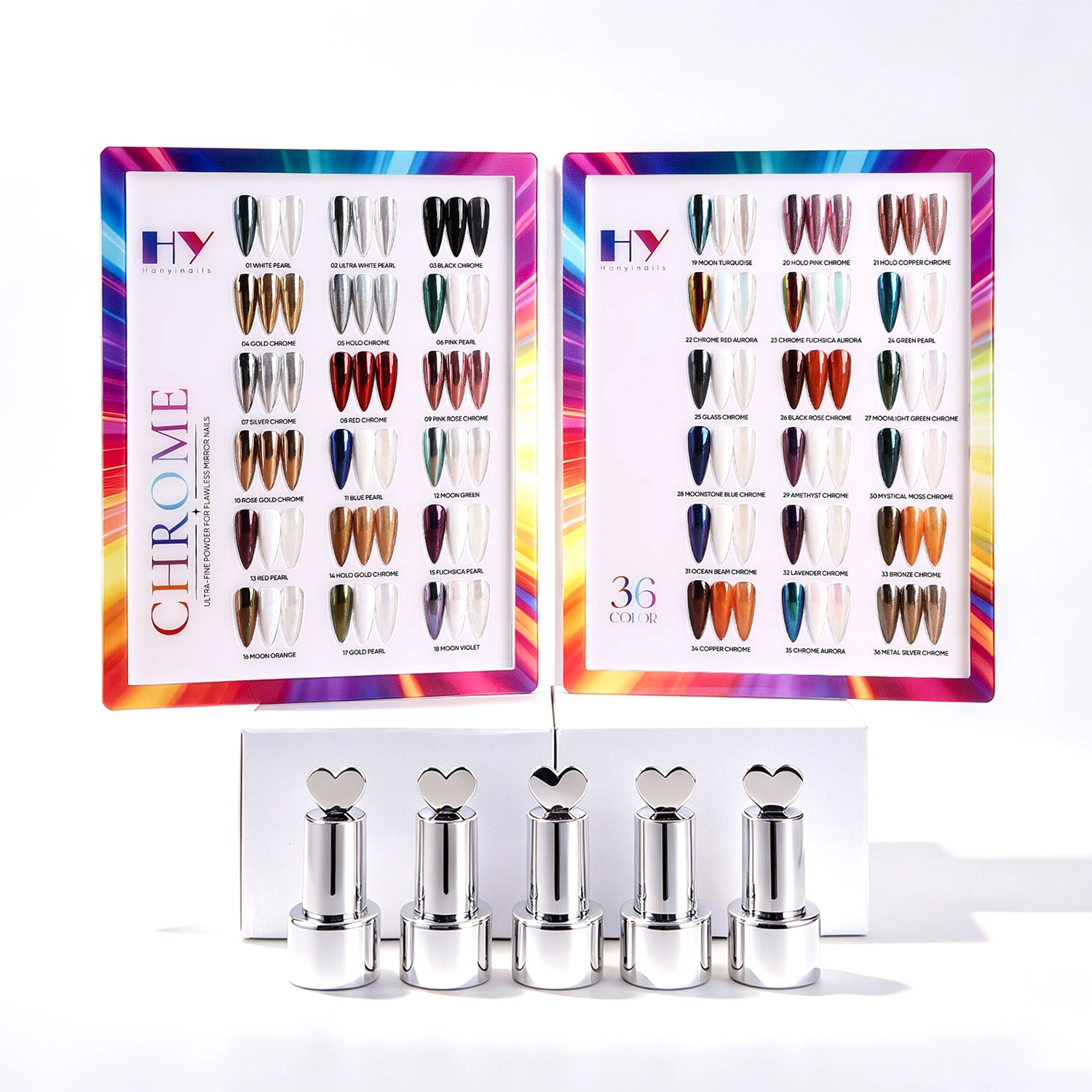
The commercial value of a collection depends on coordinated merchandising. A color chart should show the effect over a light and dark base where relevant, while product photography should indicate whether the magnet is used parallel, diagonally, or at the sidewall. Demonstration cards, QR-linked application videos, and concise salon instructions can reduce returns caused by unrealistic customer expectations. A well-planned range also pairs magnetic colors with line gel nail art, 3D nail art gel, and compatible top coats so technicians can create more than one finished look from the same inventory.
Procurement Criteria for Brands and Wholesale Operators
Formula, curing, and packaging due diligence
A professional buyer should assess the complete formula system rather than judging pigment density alone. Key questions include whether the product is designed for LED, UV, or dual-light curing; whether the recommended layer thickness is clearly defined; how the formula behaves during storage; and whether the supplier can provide an ingredient declaration, safety documentation, batch identification, and relevant test records. Cosmetic rules vary by market, so a supplier’s documentation must be reviewed against the destination country instead of treated as universal approval.
For the United States, the U.S. Food and Drug Administration cosmetics guidance explains the regulatory framework and responsibilities applicable to cosmetic products. For manufacturing controls, ISO 22716 Good Manufacturing Practices is a recognized reference for the production, control, storage, and shipment of cosmetic products. European-market projects should also review the European Union Cosmetics Regulation, including requirements related to responsible persons, product information, safety assessment, and restricted substances.
Packaging is equally important. Magnetic products need bottles that support clean brush loading, reliable closure, suitable filling tolerance, and protection from light where the formula requires it. The cap should provide a controlled grip for salon use, while the bottle shape should support shelf differentiation and efficient carton packing. Buyers should confirm fill volume, net-content marking, brush specifications, leakage testing, label adhesion, barcode placement, and compatibility between the bottle, cap, brush, and formula.
MOQ, lead time, and inventory economics
Wholesale profitability is affected by more than the factory unit price. The landed cost includes packaging development, samples, freight, duties, inspection, artwork, warehousing, and the cost of slow-moving shades. A broad color launch can create visual impact but may reduce cash flow if demand is uncertain. A staged assortment is often more resilient: begin with proven neutrals, high-contrast bestsellers, and a limited number of trend colors, then expand through reorder data.
Supplier discussions should clarify minimum order quantities by shade, bottle, cap, label, and carton; sample lead time; production lead time after artwork approval; payment stages; acceptable defect levels; and procedures for shade deviations or damaged goods. Buyers should also ask whether a repeat order can maintain the original shade identity. This is especially important for magnetic finishes, where small changes in pigment concentration or particle distribution may alter the visual effect.
| Evaluation area | Basic purchasing approach | Stronger B2B approach | Business impact |
|---|
| Color approval | Approve from screen images | Approve physical samples under multiple lights and base colors | Reduces shade-related complaints and returns |
| Magnetic effect | Check whether particles move | Measure response, band definition, working time, and repeatability | Improves salon usability and customer consistency |
| Compliance file | Request a certificate only | Review ingredient, safety, batch, labeling, and market-specific documents | Supports lawful market entry and retailer onboarding |
| Packaging | Select the lowest-cost bottle | Validate brush, seal, filling, label, light protection, and carton performance | Protects product quality and shelf presentation |
| Range planning | Launch as many shades as possible | Use a core range, seasonal capsule, and reorder data | Improves inventory turnover and working-capital control |
How Hanyinails Supports Private-Label Nail Gel Programs
Manufacturing capacity and structured quality control
Hanyinails is a professional nail products manufacturer committed to supplying a broad portfolio of professional nail gel items for brands, distributors, salons, and project owners. Our manufacturing operation includes 10 production lines, 60 production machines, 8 QA/QC inspectors, and an 8000㎡ workshop. This structure supports organized production scheduling, process monitoring, and quality checks across filling, labeling, packaging, and finished-goods release.
Our team develops approximately 2000 new colors per year, which helps brand owners explore magnetic finishes, fashion palettes, salon staples, and coordinated seasonal collections. New color development should not be treated as a substitute for quality control; each commercial shade still requires suitable sample review, packaging confirmation, and production consistency checks. For buyers, a broad development capability creates more options while the QA/QC process helps convert selected concepts into repeatable products.
OEM customization for differentiated collections
Hanyinails has 12 years of OEM customization experience and participates in exhibitions in more than 10 countries every year. Our one-stop customization service is designed for brands that need a coherent identity across formula, packaging, color presentation, and merchandising. Available resources include more than 50 stock bottle and cap styles, over 600 customized bottle and cap styles, over 100 kit box designs, and more than 200 color chart designs.
This range of options enables different commercialization models. A new brand may begin with stock packaging to control development cost and shorten launch preparation. An established operator may choose a customized bottle, cap, kit box, or color card to strengthen shelf recognition. Wholesalers can also request private-label assortments designed around salon education, starter kits, seasonal displays, or regional preferences. The appropriate route depends on forecast volume, target price, market positioning, and the required launch schedule.
Complementary products for a complete nail system
A magnetic color line performs better commercially when it sits inside a broader professional nail system. Hanyinails can support adjacent category development with colored nail polish, gel builder nail polish, nail hard gel, Poly Acrygel, gel X nail glue, Gelly nail tips, nail care oil, 3D nail art gel, and line gel nail art. These products can be organized into salon service bundles, education kits, retail collections, or distributor catalogs.
For example, a brand can combine a builder product for structure, magnetic color for the visual finish, line gel nail art for detailing, and nail care oil for after-service retail. Another program may pair gel X nail glue with Gelly nail tips and complementary color products for a complete extension offer. This category architecture can increase average order value while giving distributors a clearer story for sales teams and salon customers.
Market Execution: Turning Trend Signals into Profitable Assortments
Build a measurable launch and reorder plan
Trend adoption should be measured through commercial indicators rather than social engagement alone. Useful metrics include sample-to-order conversion, sell-through by shade, reorder interval, average units per account, defect rate, customer education requests, and the percentage of stock sold within the planned campaign period. A color that performs well in online content but fails in salon reorders may have an application, pricing, or education problem.
Brands should separate launch inventory from replenishment inventory. Launch quantities can test demand across hero shades, supporting shades, and experimental shades. Replenishment rules should prioritize products with stable reorder behavior and discontinue colors that create low turnover or high complaint rates. Forecasts should account for seasonal events, regional color preferences, promotional calendars, and the lead time required for customized packaging.
Protect compliance, claims, and customer trust
Marketing language should describe observable product characteristics without making unsupported medical or performance claims. Terms such as magnetic effect, reflective finish, recommended curing conditions, and professional application are clearer than guarantees that imply universal wear, safety, or treatment benefits. The Federal Trade Commission advertising principles provide a useful reference for truthful, evidence-based commercial communication in the United States.
Documentation should be organized before retail or distributor onboarding. A project file may include the approved formula specification, ingredient information, packaging artwork, batch coding format, test records, safety documents, product photographs, application instructions, and market-specific compliance review. Keeping these materials aligned reduces delays when a retailer, customs broker, marketplace, or regulatory partner requests evidence.
Brands and wholesalers seeking a durable position in the cat eye segment should treat the category as a coordinated product, manufacturing, compliance, and merchandising program. Hanyinails combines professional nail gel development, scalable production resources, OEM packaging flexibility, and a broad supporting portfolio to help project owners move from concept selection to commercial launch. Contact Hanyinails at sales@hanyinails.com or visit https://www.hanyinails.com to discuss a customized nail gel program.



Hanyinails
Hanyinails
Hanyinails
Hanyinails