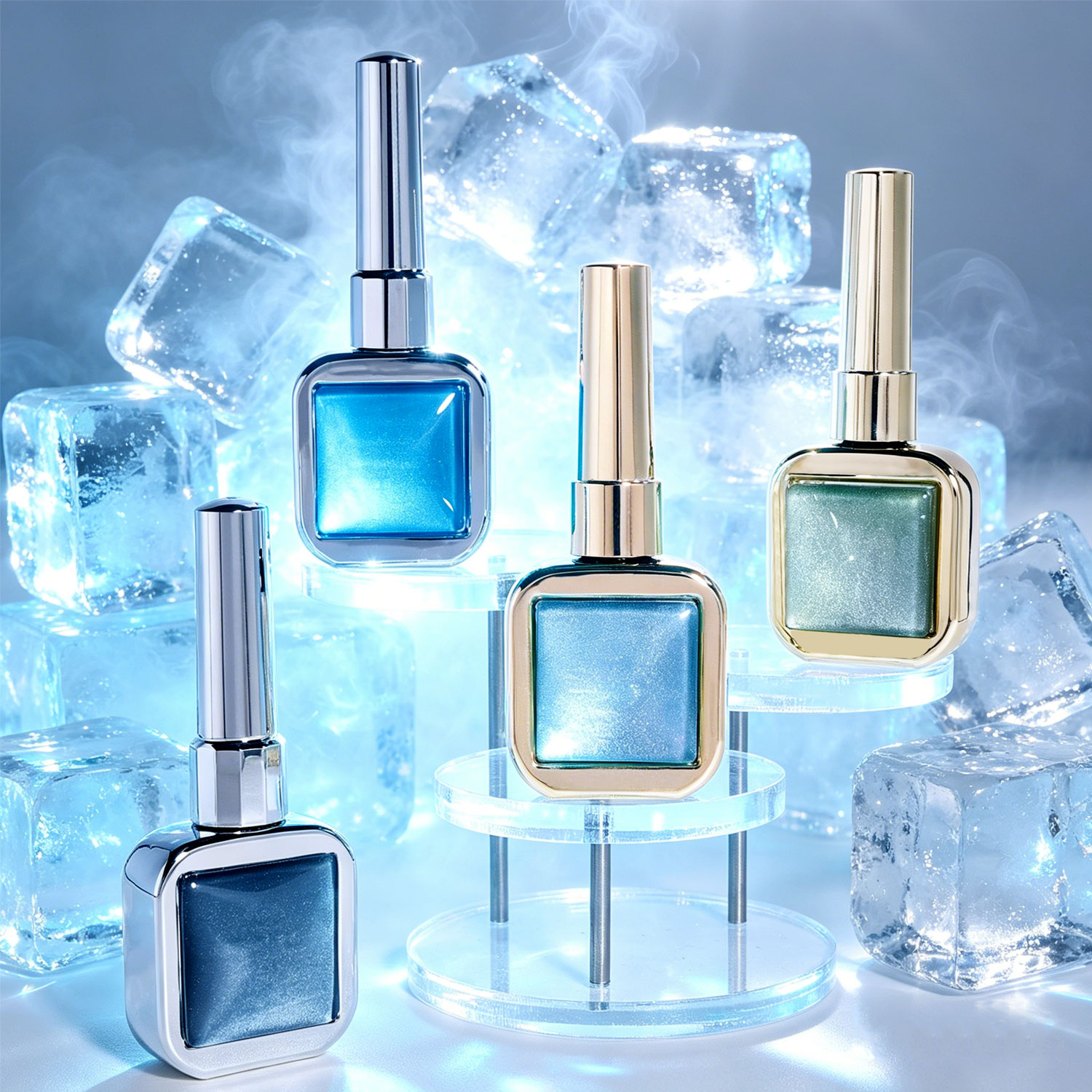
Hanyinails’ blue-green cat eye gel combines an ocean-inspired seaglass color direction with the dimensional effect associated with magnetic cat-eye nail art. It is a useful option for salons, nail technicians, private-label buyers, and distributors seeking a distinctive gel color for seasonal sets, custom services, or product assortments. Before purchasing, verify the listing’s package size, color presentation, lamp compatibility, and curing instructions; these practical details help you plan inventory, estimate service time, and achieve a consistent result without relying on assumptions about the formula.
How Can a Seaglass-Inspired Magnetic Gel Expand Your Nail Color Range?
Why choose an aquatic blue-green shade for salon services?
Color selection affects both the visual identity of a manicure and how easily a salon can offer something different from familiar neutrals. A blue-green shade evokes sea glass and water, giving clients a cooler alternative to pink, red, or nude colors while remaining versatile enough for statement nails and coordinated designs. The color can be presented as a full set, used as an accent, or combined with complementary shades, subject to the technician’s design plan and the product’s actual appearance after application.
For buyers managing a color wall, a distinctive shade can also support seasonal displays and social content. It gives staff a clear visual story to describe during consultations, rather than requiring them to sell a color only by its name. Because screen images, lighting, base colors, and application technique can influence perceived color, review the current product images and, where possible, test a sample before committing to a larger order. That step helps reduce mismatches between customer expectations and the finished manicure.
What makes a cat-eye effect different from a flat color?
Cat-eye nail art uses magnetic particles in a gel system to create a concentrated reflective line or shifting highlight when a magnet is positioned near the uncured product. The final visual effect depends on the gel, the magnet, the distance and angle of application, the technician’s timing, and the nail’s shape. A blue-green base paired with this dimensional look can appear more dynamic than a uniform cream finish, making it suitable for clients who want color with added movement.
The magnetic effect should be treated as a technique-dependent feature, not a guarantee that every nail will look identical without practice. Technicians should follow the supplier’s directions and test the product with their chosen magnet and lamp before offering it as a repeatable service. This simple validation can reveal whether the working time suits the salon’s pace and whether the planned design is achievable on short, long, or differently shaped nails.
How Should Buyers Evaluate Blue-Green Cat Eye Gel Before Ordering?
Which product details should you confirm with the supplier?
Professional buyers should confirm the exact shade name, package size, available quantity, storage guidance, and current lead time before placing a purchase order. Also ask for the recommended application sequence, whether a specific base or top coat is advised, and which UV or LED lamp specifications are compatible. These details affect cost per service, staff training, ordering schedules, and the ability to reproduce the finish across multiple technicians.
Do not infer technical specifications from a product photograph or from general cat-eye gel conventions. A listing may show the intended color and effect, but the supplier’s instructions are the appropriate source for exact curing requirements and handling guidance. If you are sourcing for resale, request the documentation and labeling information relevant to your market, and clarify whether the product is offered for salon use, retail, or a particular private-label arrangement before finalizing commercial terms.
How can you assess color consistency and purchasing risk?
Ask whether the displayed image is representative of the current batch and how the shade may vary under different lighting. For a salon, a sample evaluation is a practical way to check the cured color, magnetic response, application feel, and compatibility with the tools already in use. For a distributor, compare sample results against the intended product range and establish a process for documenting batch identification and customer feedback.
When calculating the commercial value, look beyond the unit price. Consider how many services the package may support, the amount needed per nail, the time required for the magnetic design, and whether the product can fit into existing service menus. A shade that is easy to demonstrate and clearly differentiated may be valuable to a salon, but the best decision comes from balancing visual appeal with verified specifications, reliable supply, and the needs of your customer base.
How Can Nail Technicians Apply Magnetic Gel More Consistently?
What preparation helps the color and effect perform as intended?
Begin with the salon’s established nail preparation and hygiene procedures, then follow the product maker’s directions for base application and curing. Use clean tools and avoid contaminating the product container. Apply the color in a controlled, even layer, taking care not to flood the cuticle or sidewalls. The correct layer thickness and sequence should come from the supplier’s instructions, since gel formulas can differ in viscosity and recommended application.
Magnetic designs are typically shaped while the relevant layer is uncured, but the precise timing and distance should be tested for the particular gel and magnet. Work on one nail at a time when that makes it easier to control the design before curing. Keep the magnet steady and repeat the same placement approach across the set; consistent technique can improve visual balance, while small variations may be used intentionally for a more artistic result.
How can salons avoid common service problems?
Uneven highlights often come from inconsistent magnet positioning, rushed handling, or differences in product thickness. If the line looks weak or misplaced, verify that the gel has not been cured prematurely and that the magnet is being used at the distance recommended by the supplier. Test a few approaches on a practice tip before applying the technique during a client appointment, especially when introducing a new product or tool.
Safe handling is just as important as appearance. Keep uncured gel off the skin, follow the product label, and use suitable ventilation and protective practices in the salon. The FDA overview of nail care products provides consumer-facing information about nail products, while OSHA guidance for nail salons addresses workplace safety considerations. These resources do not replace the product’s own directions or local requirements, but they can help businesses build informed procedures.
Why Is Supplier Guidance Important for Professional Use?
How do instructions support repeatable salon results?
A clear instruction sheet can help staff standardize preparation, application, magnetic positioning, curing, and finishing. This is especially useful when several technicians share a product or when a salon is training new team members. Record the lamp model and service method used during testing, along with the supplier’s recommended settings, so the team can repeat a successful process rather than relying on memory.
For buyers comparing suppliers, ask how product information is maintained and whether the seller can answer technical questions about intended use. Cosmetic manufacturing guidance such as ISO 22716 cosmetics good manufacturing practices offers a framework for cosmetic product quality and production controls; it should not be interpreted as proof that a specific item is certified or compliant. Request product-specific documentation and verify any claims that matter for your business or destination market.
What should distributors consider when planning inventory?
Distributors need to balance variety against stock risk. A distinctive blue-green magnetic shade can fill a gap in a color collection, but demand may depend on local trends, customer preferences, and the season. Consider ordering a test quantity, gathering feedback from salon accounts, and tracking reorder interest before expanding the assortment. This staged approach can help limit slow-moving stock while giving customers a chance to evaluate the product.
Also confirm shipping conditions, shelf-life information where provided, storage recommendations, and the supplier’s process for addressing damaged or discrepant goods. If the product will be sold under a private label or through multiple retail channels, clarify artwork, packaging, labeling, and market requirements early. Good documentation makes it easier to plan launches and respond to buyer questions without making unsupported promises about performance or regulatory status.
For current product details and purchasing questions, contact Hanyinails customer service to confirm specifications, availability, and guidance for your intended use.









Hanyinails
Hanyinails
Hanyinails
Hanyinails