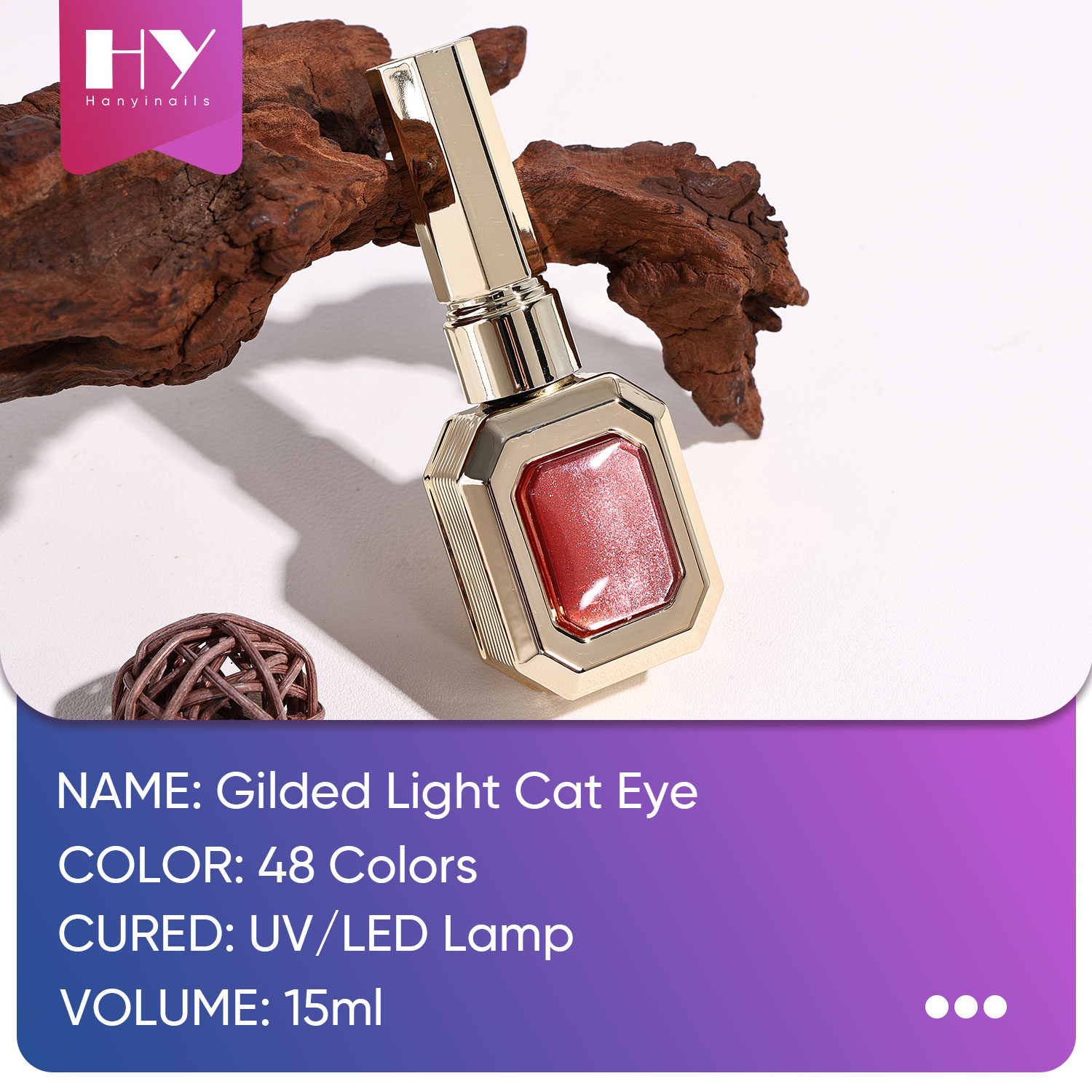
The Hanyinails cat eye magnetic gel polish collection brings together 48 colors in 15ml bottles, giving salons, beauty brands, and distributors a broad palette for dimensional magnetic nail designs. Its HEMA-free formulation is a relevant option for buyers seeking products made without that ingredient, but it should not be presented as allergy-proof or universally suitable. Before purchasing, confirm application and curing instructions, lamp compatibility, packaging, and any private-label requirements with the supplier.
How Can a Magnetic Gel Polish Collection Expand Your Nail-Art Range?
Why does a 48-shade selection matter to salons and distributors?
A 48-color range can help a salon serve clients who want different finishes without relying on a small, repetitive palette. For distributors and brand owners, a larger collection can support seasonal assortments, coordinated displays, and varied buyer preferences. The 15ml bottle size is a useful specification to compare when estimating retail presentation and salon inventory, but the right order quantity depends on your sales pace, storage capacity, and launch plan.
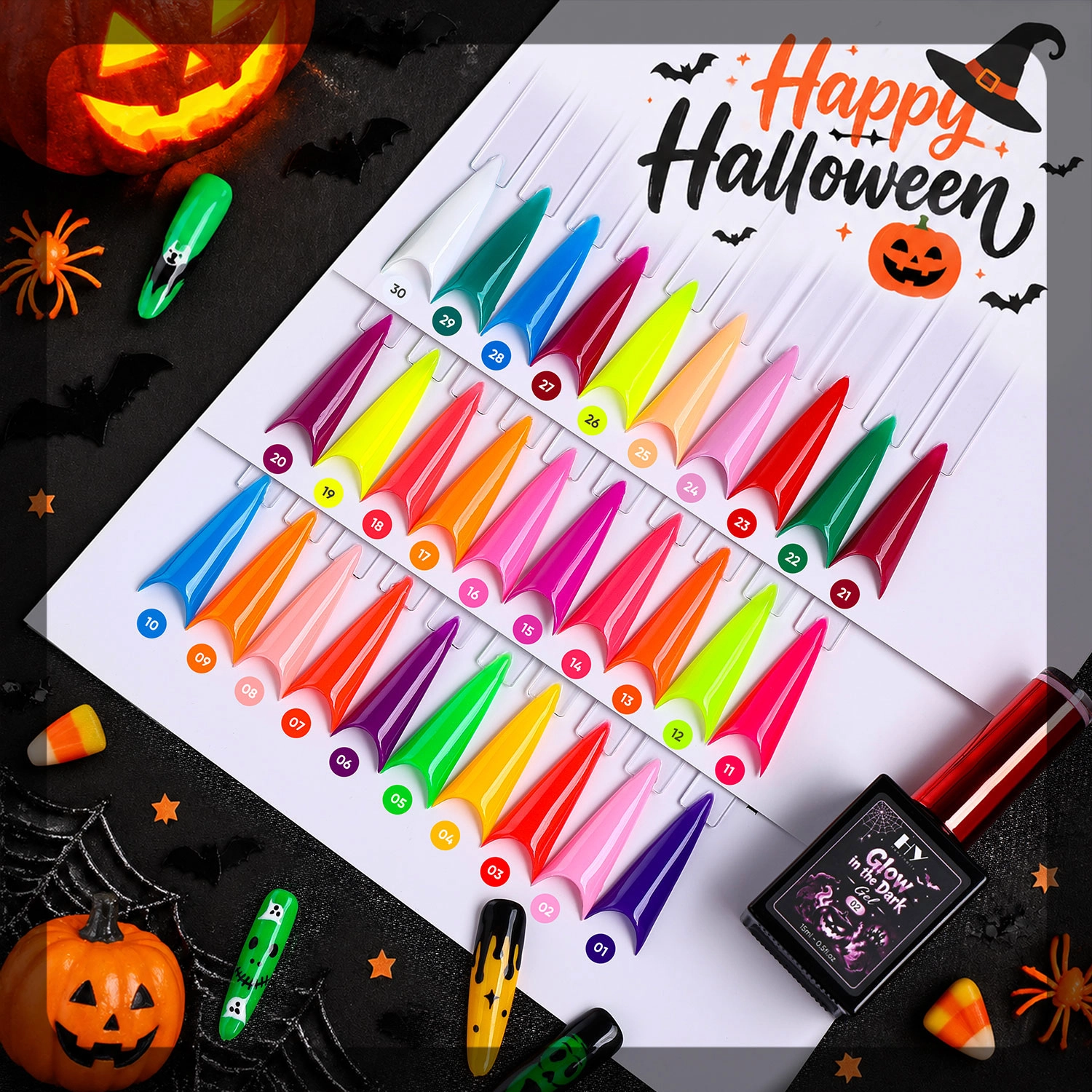
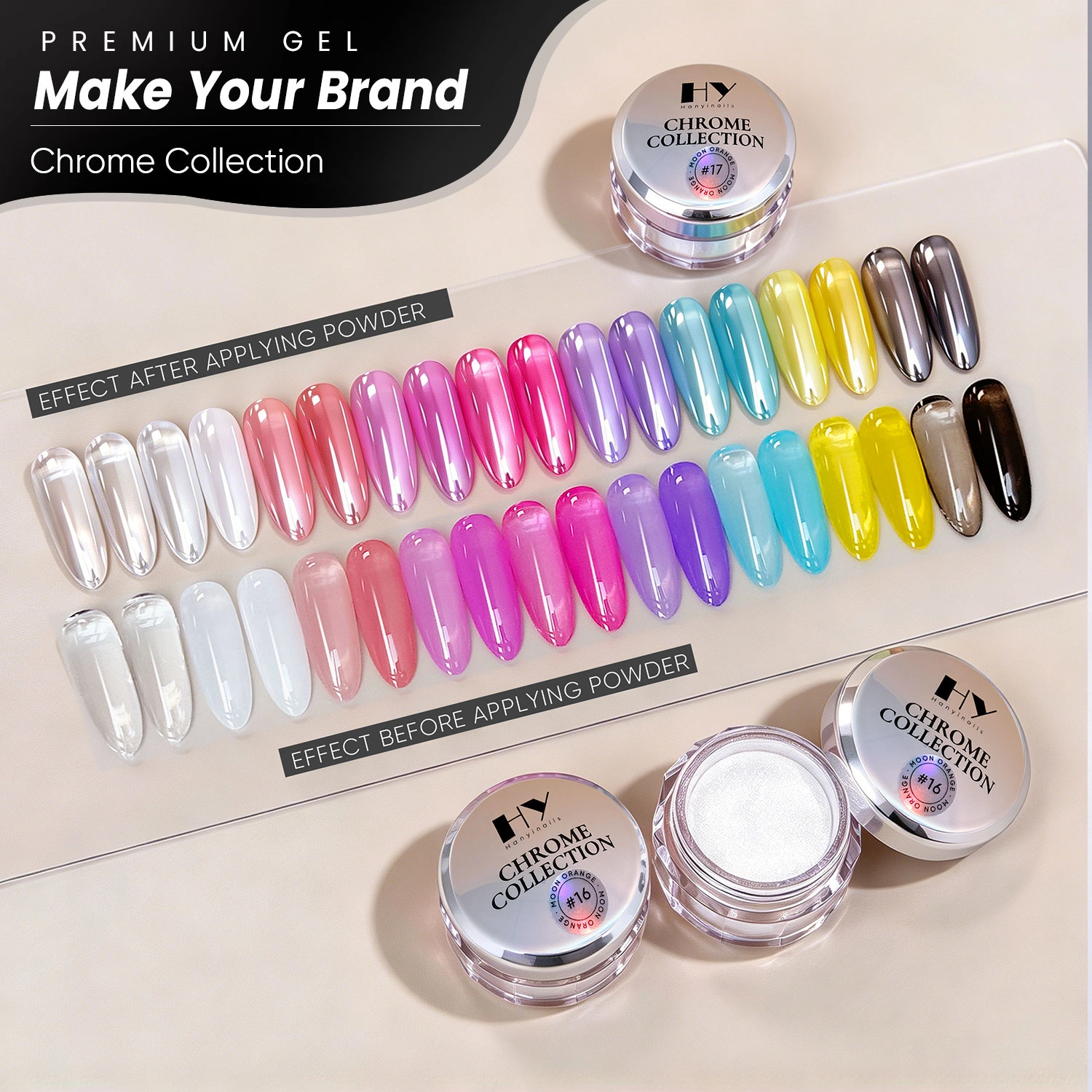
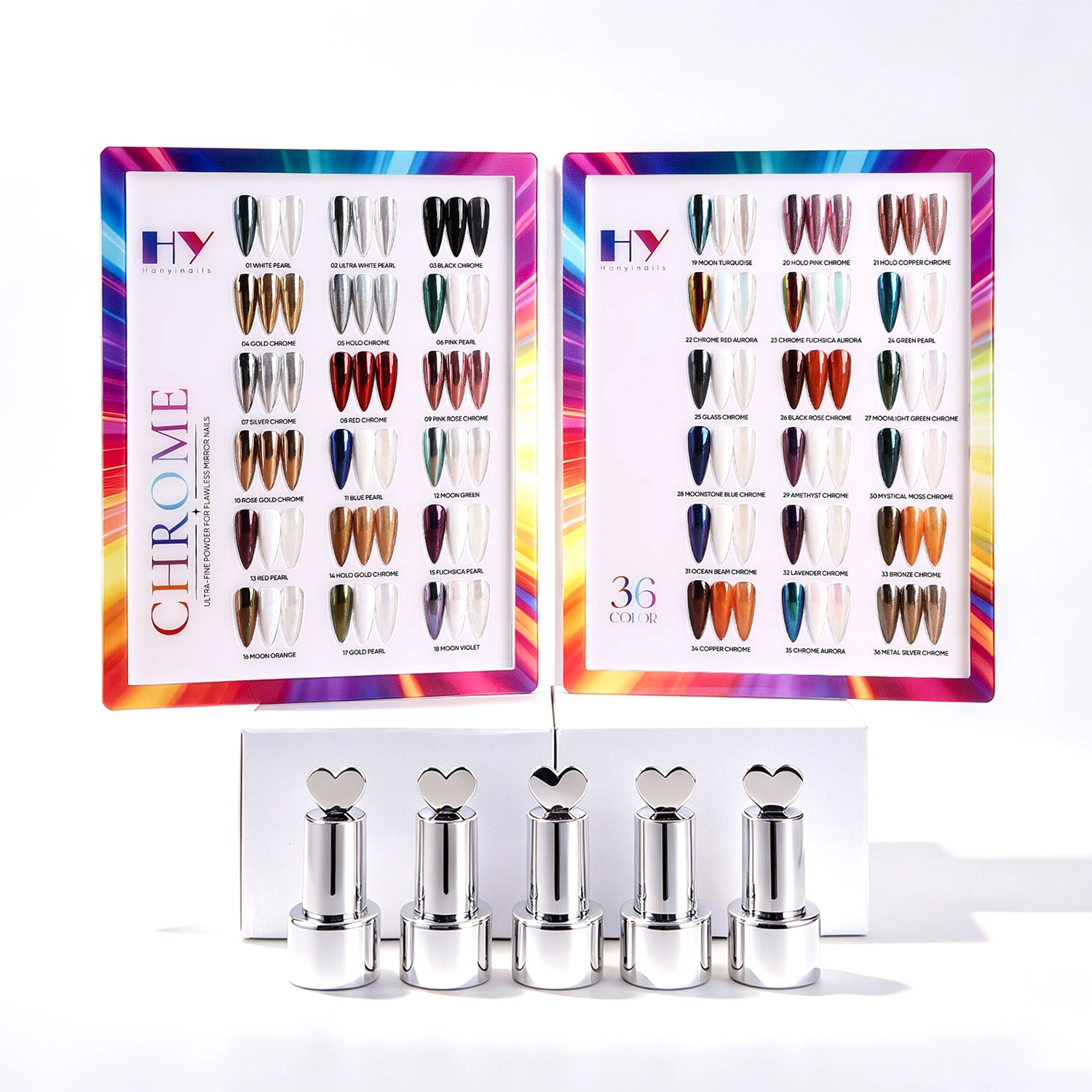
Rather than choosing colors from a product name alone, request the current shade chart and, where available, physical samples or swatches. Magnetic effects can look different depending on the base color, gel thickness, lighting, and magnet technique. Reviewing shades under practical salon lighting helps reduce mismatches between online images and the finished manicure, which can otherwise lead to client disappointment or slow-moving stock.
How does the magnetic effect create a cat-eye appearance?
Magnetic gel polish contains particles that respond to a nail-art magnet, allowing the technician to guide the visual pattern before curing. The resulting line or reflective area can create a cat-eye look with apparent depth and movement. The tool, magnet placement, working time, coat thickness, and curing sequence all influence the result, so technicians should follow the product’s specific directions and test a sample before offering a new design.
For consistent salon work, standardize the process across the team: apply the gel as directed, use the recommended magnet technique, and cure according to the supplier’s instructions and the lamp’s requirements. Do not assume that every magnetic gel behaves identically. A short staff trial using several shades can reveal which techniques produce repeatable results and help the salon estimate realistic service times.
What Should Buyers Check Before Ordering HEMA-Free Gel Polish?
Does HEMA-free mean the product cannot cause an allergic reaction?
No. HEMA-free means the product is represented as formulated without HEMA, but it does not establish that the complete formula is free of sensitizers or safe for every individual. Buyers should request current ingredient and safety documentation, review the product label, and train technicians to prevent uncured gel from contacting skin. Stop use and seek appropriate professional advice if a user develops a concerning reaction.
HEMA is one ingredient relevant to nail-product sensitization, but ingredient-free claims should be interpreted narrowly. The FDA guidance on nail care products explains that nail products can involve chemical exposure and require careful use. For professional purchasing, ask the supplier how the claim is substantiated and whether documentation corresponds to the exact formula and market version you plan to order.
Which documents and handling details should a wholesale buyer request?
Ask for a current ingredient list, safety data sheet where applicable, product label, storage guidance, and written application and curing instructions. Confirm the manufacturing and packaging details relevant to your destination market, along with batch identification and shelf-life information. These checks help purchasing teams compare suppliers and prepare product listings without relying on assumptions or copying claims from another formula.
Cosmetic good manufacturing practice is also worth discussing during supplier qualification. ISO 22716 provides guidelines on good manufacturing practices for cosmetics; its existence does not, by itself, prove that a particular product or factory is certified. Request evidence appropriate to your purchasing requirements, and verify any certification claim independently before using it in marketing or compliance materials.
For user safety, communicate clear directions that discourage skin contact and require use as instructed. The FDA cosmetics safety information offers general context on cosmetic use and safety responsibilities. Requirements differ by country and product category, so importers should check applicable local rules rather than treating a supplier’s general documentation as automatic market approval.
How Can You Evaluate Product Fit, Application, and Supply?
How should a salon test lamp compatibility and application?
Before using a new gel on clients, verify the specified curing conditions with the supplier and compare them with the lamp manufacturer’s instructions. Do not rely on appearance alone to decide that gel has cured properly. Run a controlled test on a practice tip using the intended lamp, coat thickness, and application sequence; record the setup so technicians can repeat the process consistently.
Compatibility is especially important when a salon uses multiple lamp models or when a distributor serves customers with different equipment. Ask whether the supplier identifies suitable UV or LED curing systems and what exact directions apply to this formula. If those details are not available, pause client use until the supplier provides written guidance. This protects service quality and helps prevent problems caused by incomplete curing or inconsistent technique.
What should brands confirm about wholesale and private-label orders?
Brands and distributors should confirm minimum order quantities, available packaging, shade assortment options, lead times, sample availability, and the process for artwork approval. If private labeling is under consideration, clarify which components can be customized and request a final proof before production. Confirm that product claims, ingredient information, and required market labeling are accurate for the finished goods, not merely for a similar item in the supplier’s catalog.
For stock planning, compare the 48-color assortment with your customer base rather than assuming every shade will sell evenly. A launch can begin with sample evaluation, a curated selection, or a full range depending on supplier terms and the sales channel. Track sell-through by shade after launch; that evidence can guide replenishment and reduce the risk of tying up working capital in colors that customers rarely request.
When evaluating a supplier, prioritize clear communication and consistent documentation alongside visual appeal. Request written answers about formula claims, application, packaging, and order terms, then keep those records with your purchasing files. If a detail is not listed on the product page, treat it as unconfirmed until the supplier verifies it. This practical approach makes product comparisons more reliable and supports accurate sales information.
Contact Hanyinails customer service to request current shade, formula, application, and wholesale details for your market.





Hanyinails
Hanyinails
Hanyinails
Hanyinails